Artwork
Richardi Brownlowe Armigeri
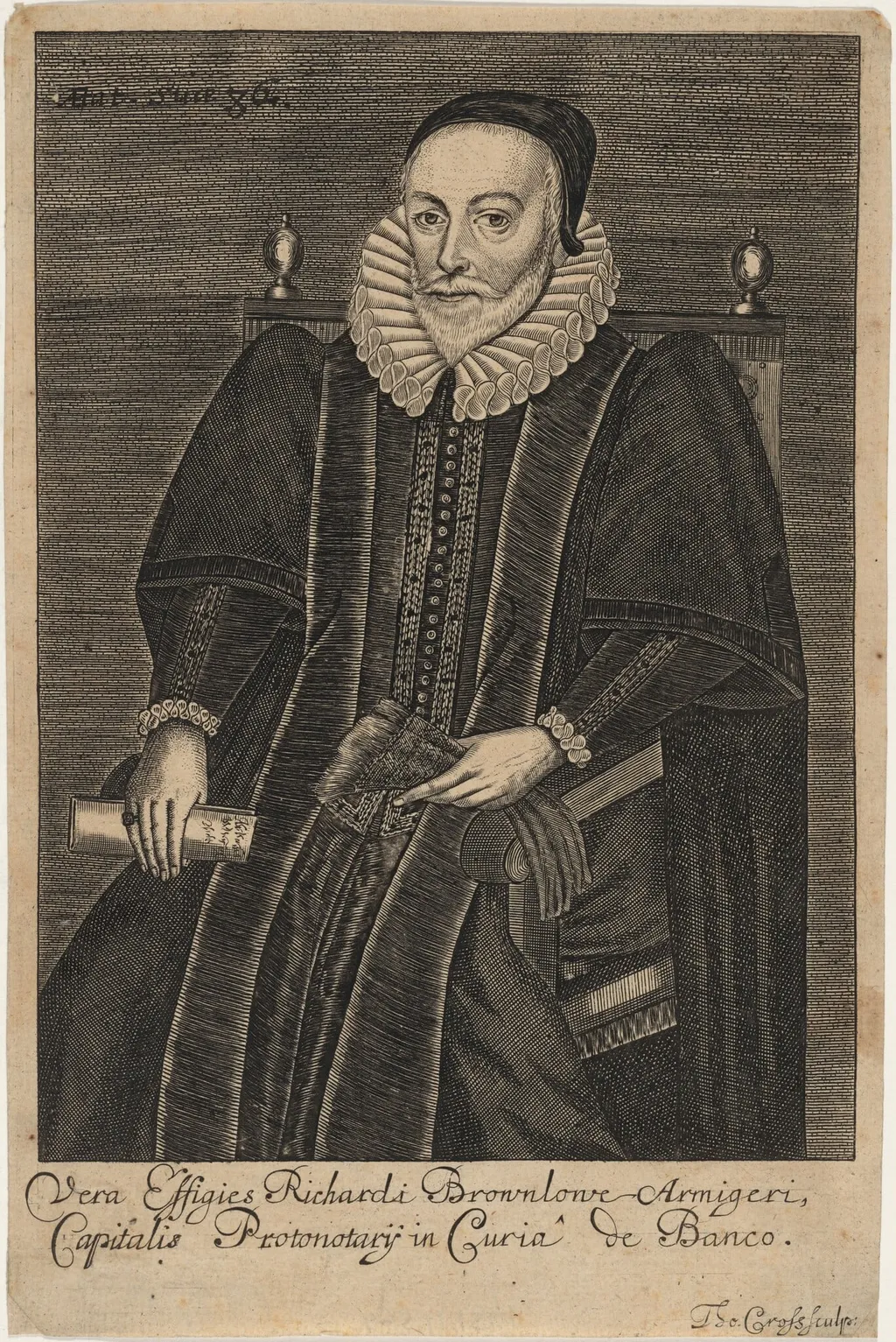
Richardi Brownlowe Armigeri is an ink print by the Baroque artist Thomas Cross. It dates from 1653 and is held in the collection of the National Gallery of Art.
About this work
Overview
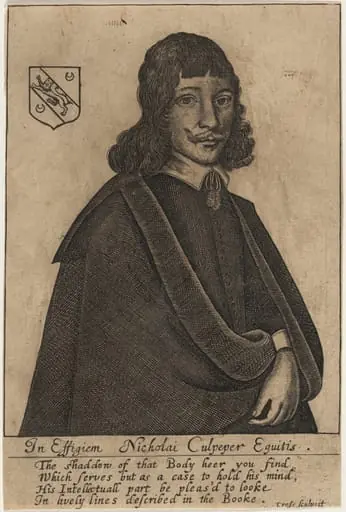
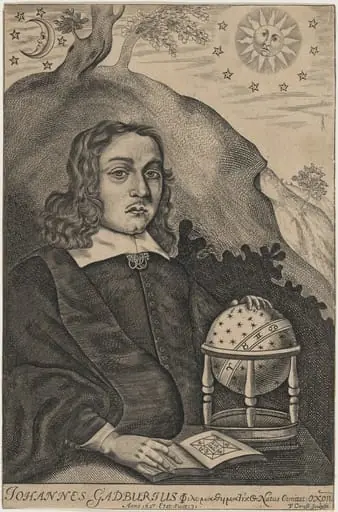
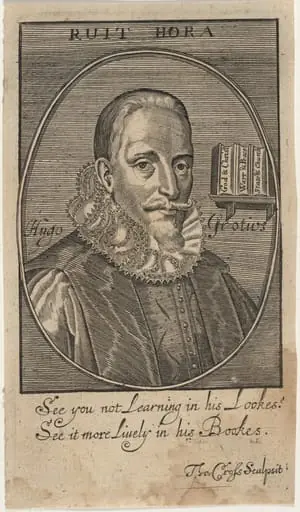
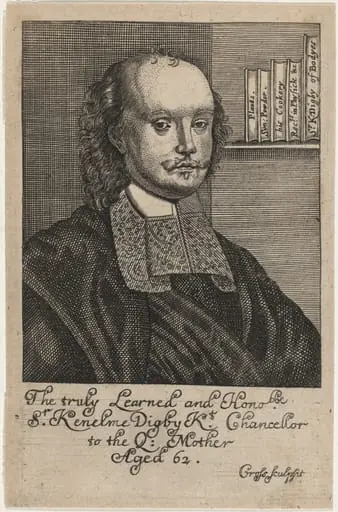
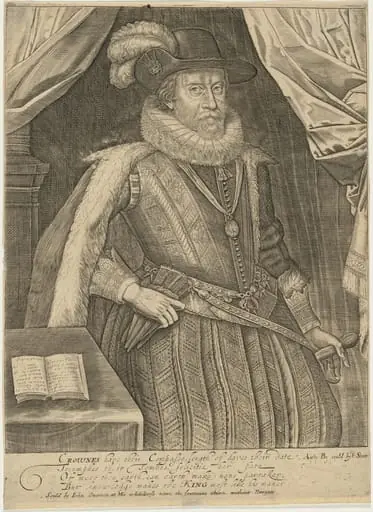
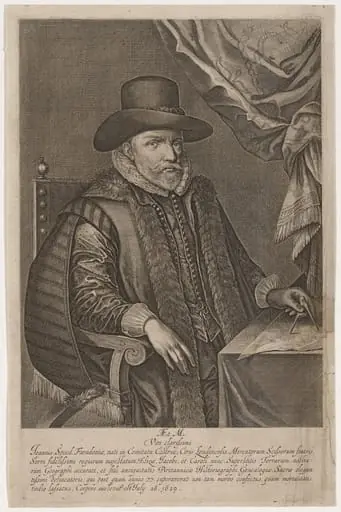
Thomas Cross’s 1653 engraving presents a formal portrait of a man identified by the inscription “Richardi Brownlowe Armigeri.” Rendered in monochrome, the image shows the sitter in period attire with a high collar, a buttoned robe, and a ring on his left hand, his hands resting on a ledge. Small objects flank the figure, suggesting scholarly or personal attributes.
Subject & Meaning
The figure’s serious expression and dignified dress imply a person of status, possibly a gentleman or scholar. The inclusion of a ring and the accompanying objects—perhaps spectacles or a book—reinforces an image of learned authority, while the title “Armigeri” denotes a bearer of arms, further indicating noble or heraldic association.
Technique & Style
Executed as an engraving, the work relies on incised lines to achieve tonal variation and fine detail. Cross’s handling of line work creates texture in the fabric and subtle shading on the face, typical of mid‑seventeenth‑century English printmaking. The stark black‑and‑white palette emphasizes the sitter’s features and the crispness of his attire.
History & Provenance
Signed in the lower corner as “T. de Crofs,” the print is attributed to Thomas Cross, an active engraver in London during the 1650s. The work likely served as a commemorative portrait, possibly distributed among acquaintances or patrons of the sitter. Its survival in museum collections attests to the continued interest in Cross’s portraiture and the social networks of the period.
Artist & collection