Artwork
Hieronymus de Bran
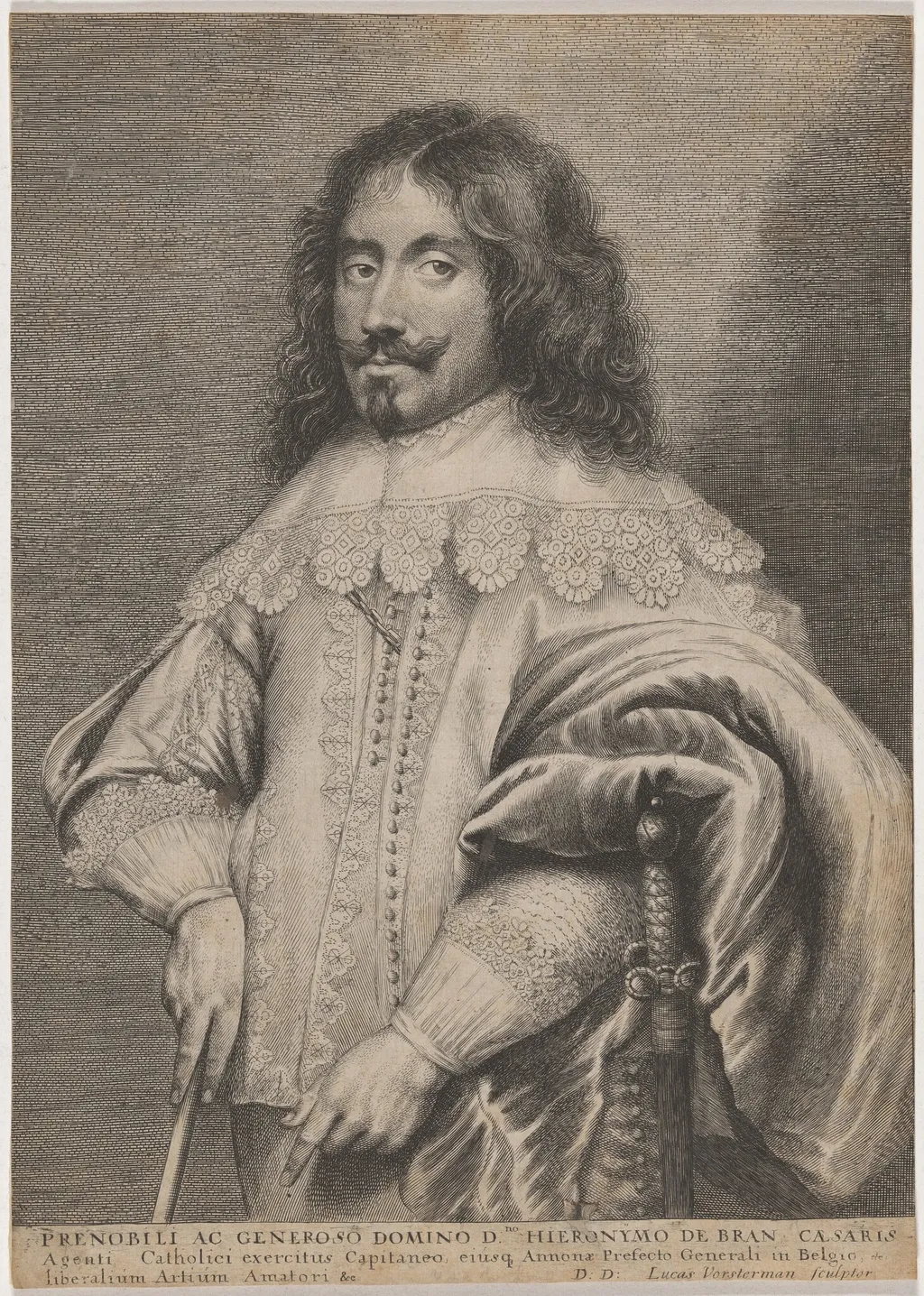
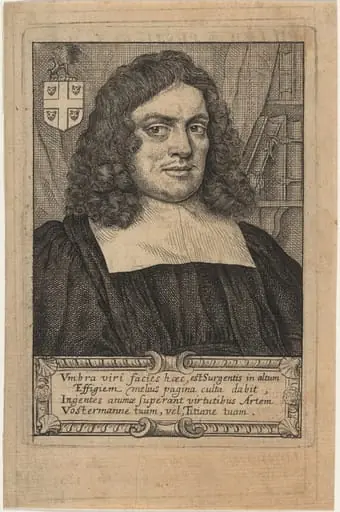
Hieronymus de Bran is an ink print by the Renaissance artist Lucas Emil Vorsterman. It dates from 1635 and is held in the collection of the National Gallery of Art.
About this work
Overview
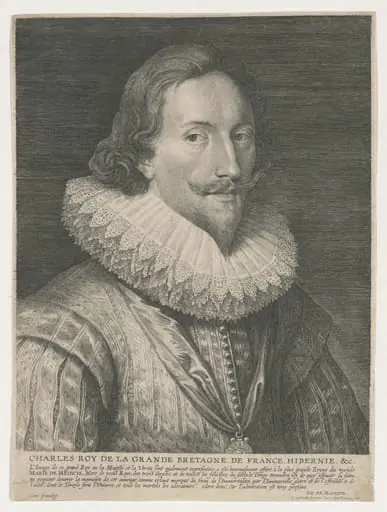
Rendered in fine line work, the portrait captures the subject with precision, emphasizing texture and form through meticulous cross-hatching.
Created in 1635 by Lucas Emil Vorsterman, this engraving portrays Hieronymus de Bran, a figure of probable noble or scholarly standing. Rendered in fine line work, the portrait captures the subject with precision, emphasizing texture and form through meticulous cross-hatching. The print reflects the high standards of Northern European graphic art in the early 17th century, where portraiture served both identification and social representation.
Subject & Meaning
Hieronymus de Bran is depicted with an air of quiet authority: his curled hair, mustache, and elaborate lace collar suggest refined status. The cane and draped cloak imply leisure or official function, common attributes in portraits of educated or aristocratic men. The composition avoids overt symbolism, instead conveying dignity through posture and attire, aligning with contemporary ideals of restrained nobility.
Technique & Style
Vorsterman employed fine-line engraving with layered cross-hatching to model volume and fabric texture. The lace details on the shirt and the folds of the cloak are rendered with controlled, deliberate strokes, demonstrating mastery of tonal gradation. The technique echoes the precision of Dutch and Flemish printmakers, prioritizing clarity and realism over dramatic flair, characteristic of early Baroque graphic art.
History & Provenance
The engraving was produced during Vorsterman’s tenure in Antwerp, where he worked closely with Rubens and other leading artists. Though little is documented about Hieronymus de Bran himself, the print likely circulated among collectors or was commissioned as a personal likeness. Its survival suggests it was valued for its technical quality and the subject’s social standing.
Context
In the 1630s, engraved portraits were widely used to disseminate likenesses among the educated elite, especially where painting was inaccessible. Vorsterman’s work contributed to a thriving print culture in the Southern Netherlands, where artists translated painterly compositions into reproducible formats. This piece reflects the era’s emphasis on individual identity and the growing market for refined graphic art.
Legacy
Vorsterman’s engraving of Hieronymus de Bran exemplifies the technical rigor of 17th-century printmaking. While not widely reproduced in modern scholarship, it remains a representative example of how portraiture functioned in early modern visual culture. Its preservation in institutional collections underscores its role as a document of both artistic skill and social hierarchy.
Artist & collection
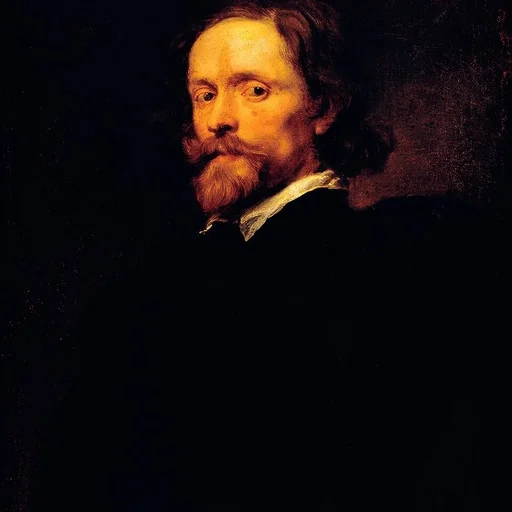
Artist
etching and engraving by Lucas Vorsterman II, NGA 10762), B1977.14.10539 - Yale etc

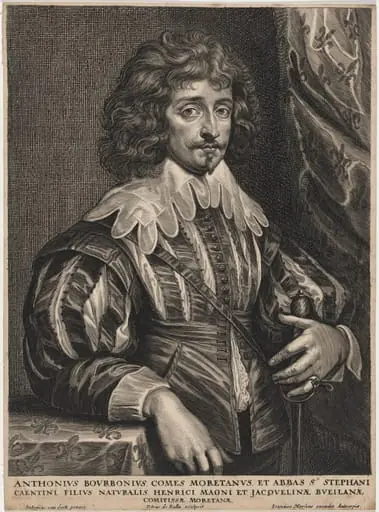 Anthony Bourbon, Count Mouretan
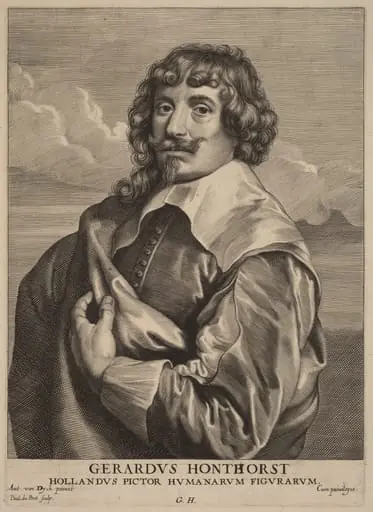 Gerrit van Honthorst
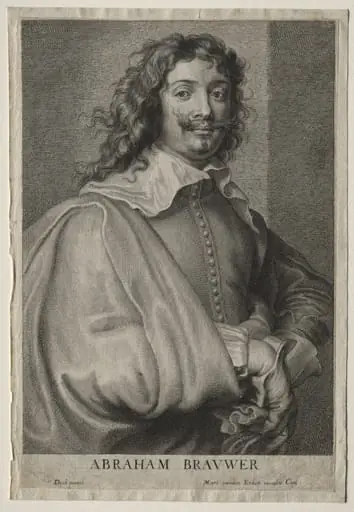 Adrian Brower
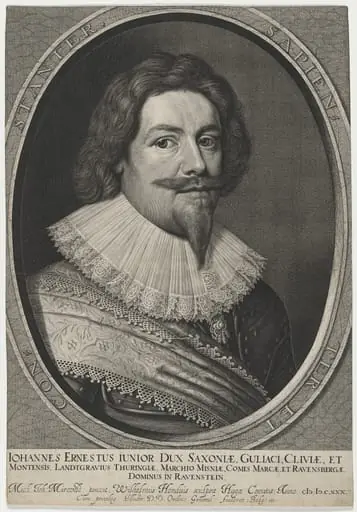 John Ernest, Jr., Duke of Saxony
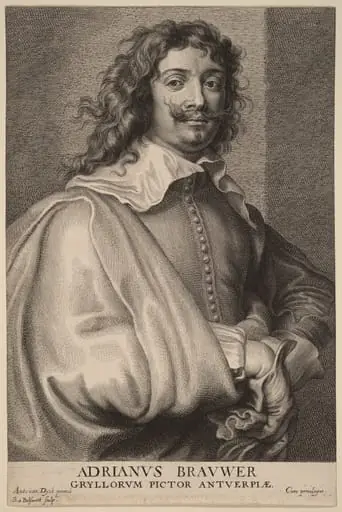 Adriaen Brouwer
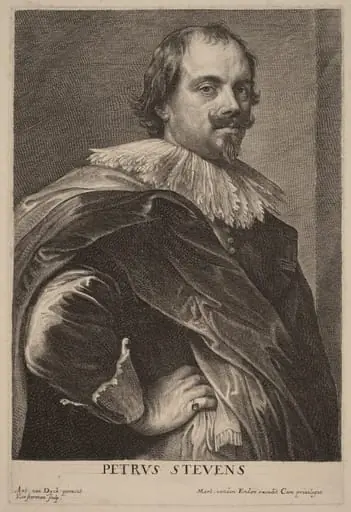 Petrus Stevens
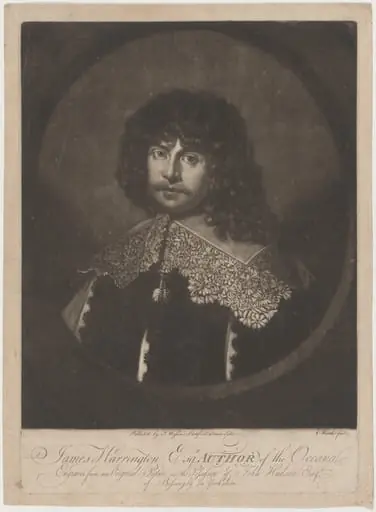 James Harrington, Esq.
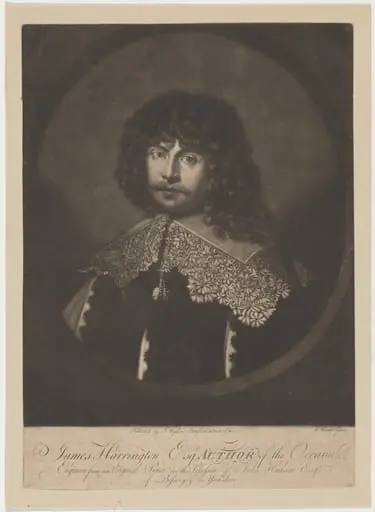 James Harrington, Esq.
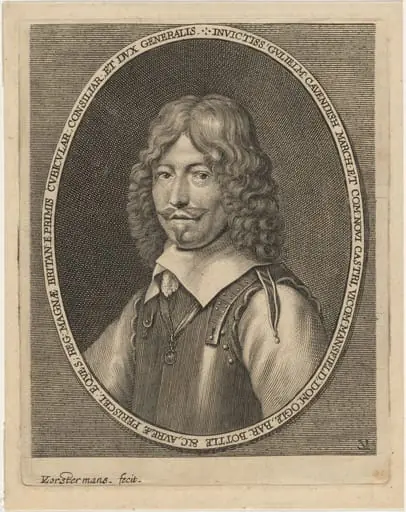 William, First Duke of Newcastle
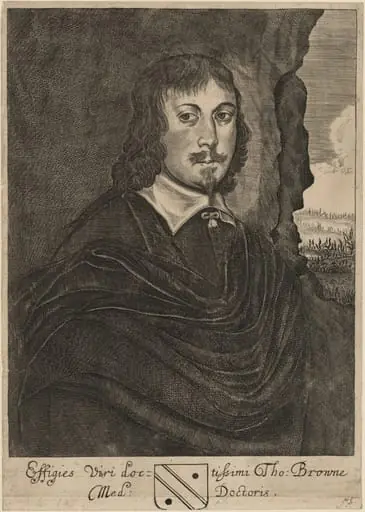 Tho. Browne, Med. Doctoris (Sir Thomas Browne, M.D.)
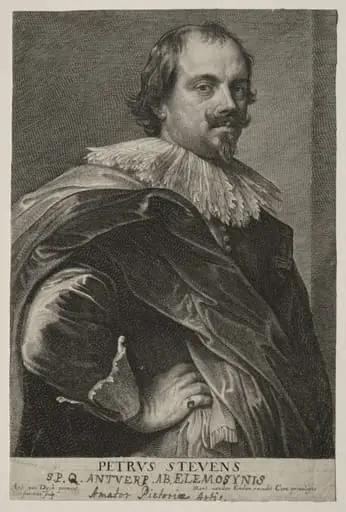 Portrait of Peter Stevens
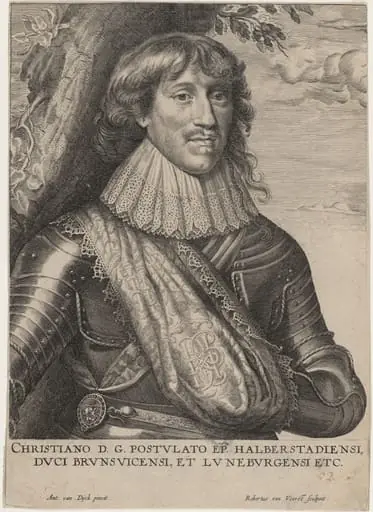 Christian, Duke of Brunswick