Artwork
Thomas Wilson
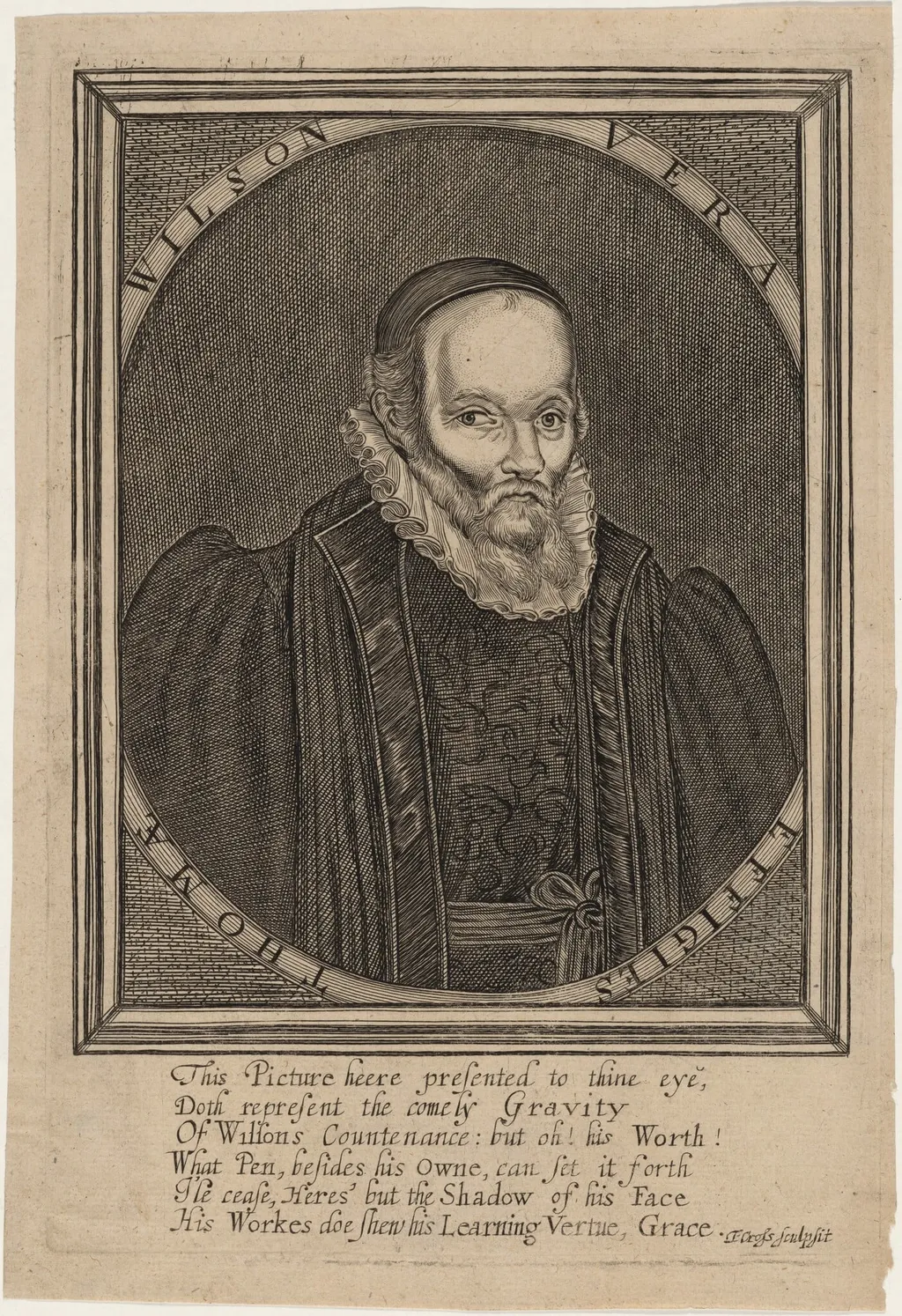
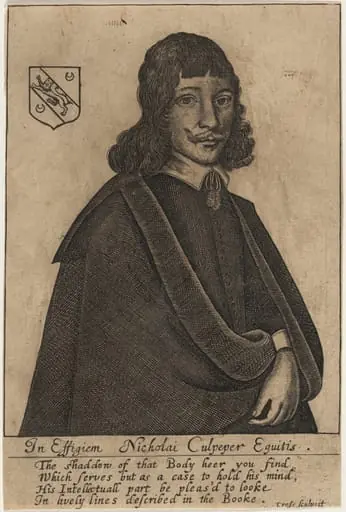
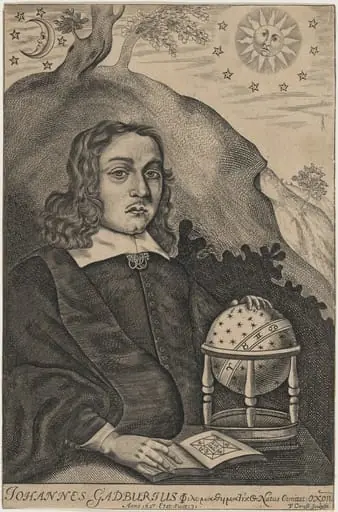
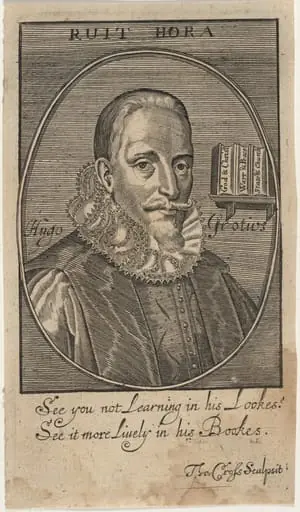
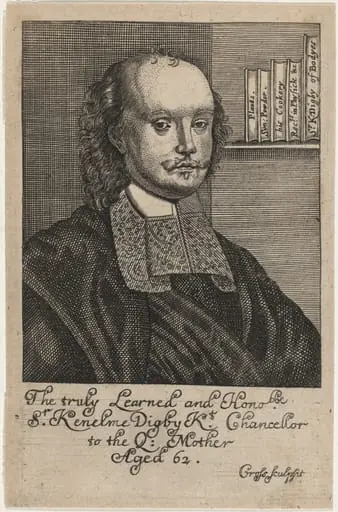
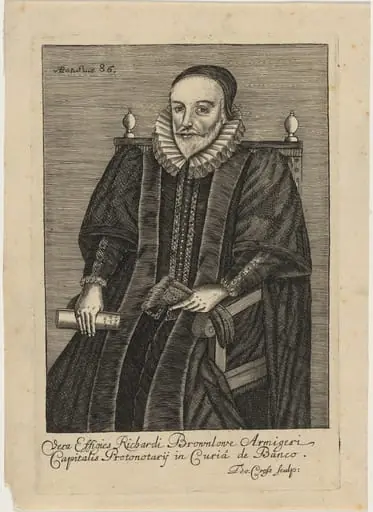
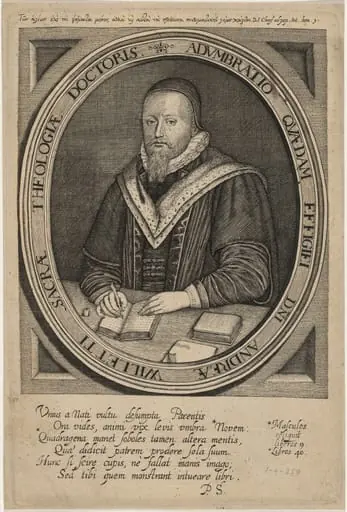
Thomas Wilson is an ink print by the Baroque artist Thomas Cross. It dates from 1655 and is held in the collection of the National Gallery of Art.
About this work
Overview
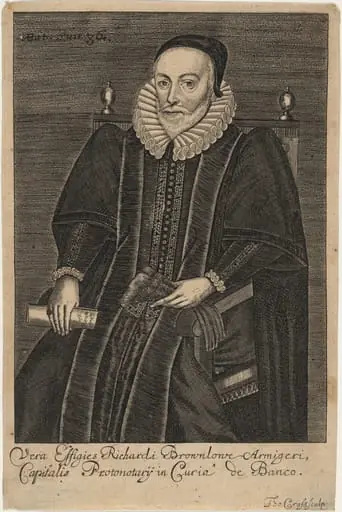
Below the image, an inscription extols the subject’s wisdom and abilities, though the individual’s name remains unidentified.
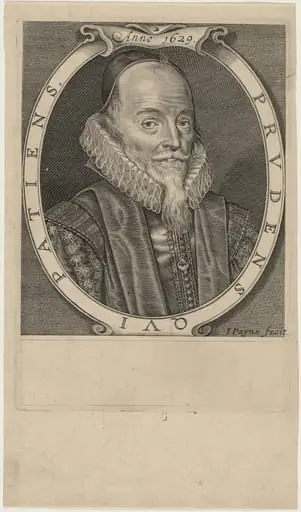
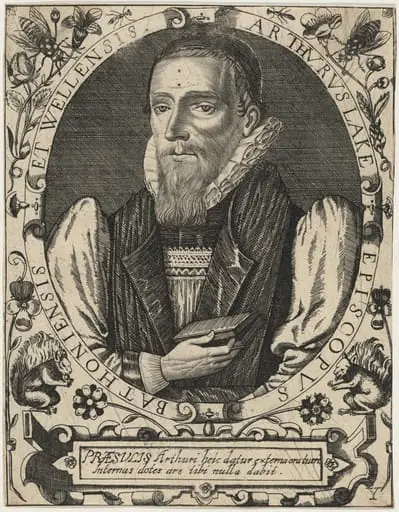
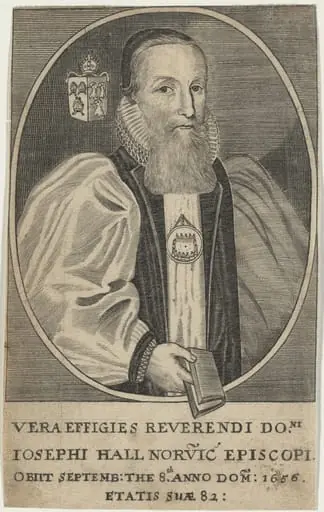
Thomas Cross’s 1655 engraving presents a solitary male figure rendered in stark black‑and‑white. The portrait occupies the entire composition, set against an unadorned backdrop that draws attention to the sitter’s solemn gaze, the dark ruffled collar, and a decorative chain suggesting status. Below the image, an inscription extols the subject’s wisdom and abilities, though the individual’s name remains unidentified.
Subject & Meaning
The figure’s grave expression and formal attire imply a person of authority or scholarly standing. The accompanying laudatory text reinforces an image of intellectual or professional accomplishment, positioning the sitter as a model of learned virtue. The anonymity of the subject invites viewers to consider the broader cultural esteem for wisdom rather than a specific biography.
Technique & Style
Cross employed fine cross‑hatching to build tonal variation, using intersecting lines to model the face, clothing, and chain with subtle gradations of shadow. This meticulous line work creates a sense of depth within the limited medium of engraving, while the plain background enhances the three‑dimensional illusion of the sitter’s features.
History & Provenance
Created in the mid‑seventeenth century, the print reflects the period’s demand for portrait engravings that could be reproduced and circulated among learned circles. Though the original plate’s ownership trail is not fully documented, the work survives in several institutional collections, attesting to its continued relevance as an example of early modern printmaking.
Artist & collection