Artwork
William Camden
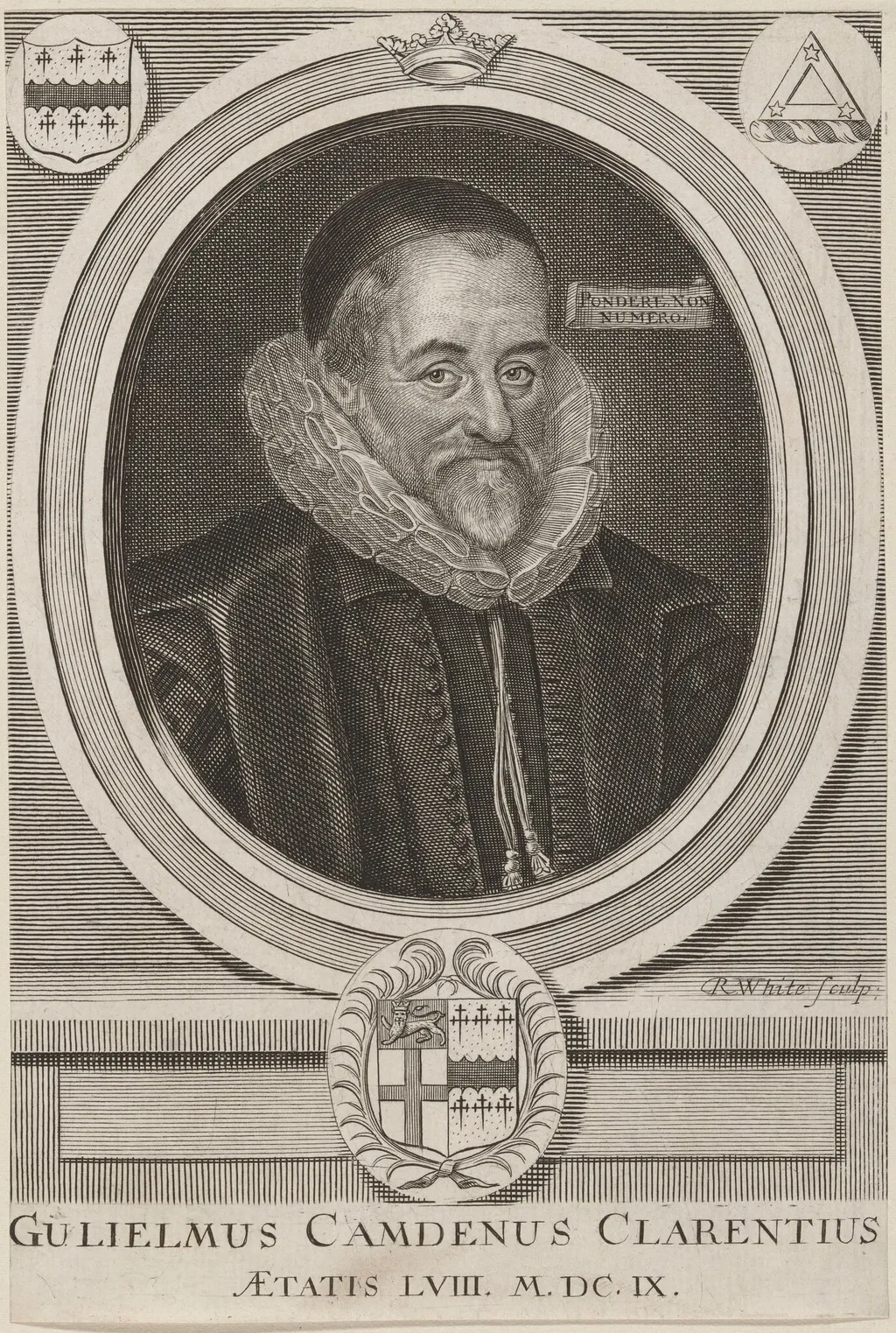
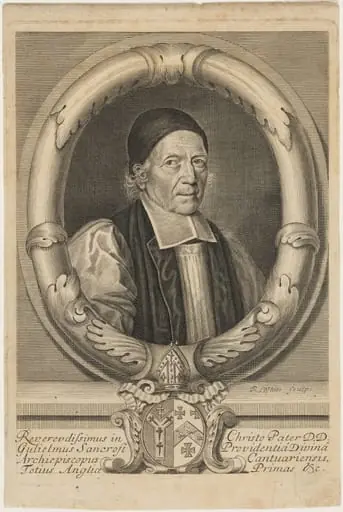
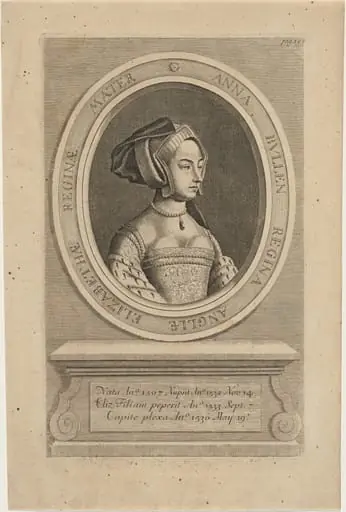
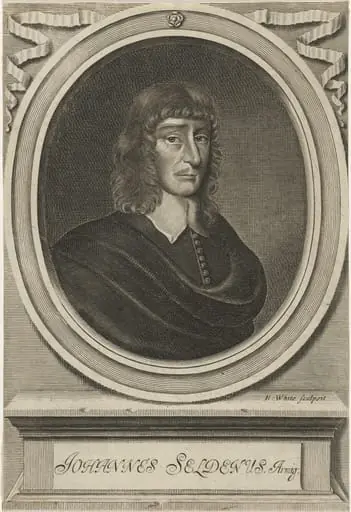
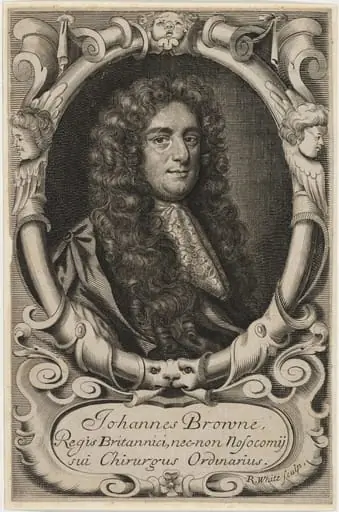
William Camden is an ink print by the Baroque artist Robert White. It dates from 1691 and is held in the collection of the National Gallery of Art.
About this work
Look up engraving to see how artists like this created detailed portraits with just ink and metal plates.
This is a black-and-white portrait of a serious-looking man with a white beard and ruffled collar. His face is framed by a round border with a patterned background. Above his head, there are two small crests, and below, a coat of arms with a cross sits under his name.
The text at the bottom reads *Gulielmus Camdenus Clarentius*, and the date is 1691. The artist used fine lines and shading to give the face depth, which is typical for this kind of print.
Look up engraving to see how artists like this created detailed portraits with just ink and metal plates.
Overview
This 1691 engraving by Robert White depicts the English historian William Camden, produced during White’s active years in London’s Bloomsbury Market. Executed in black ink on paper, the portrait follows the conventions of late 17th-century British printmaking, emphasizing precision and formal dignity. White, trained under David Loggan, was known for translating delicate pencil studies into finely incised prints, a skill evident in the controlled line work of this image.
Subject & Meaning
William Camden, a foundational figure in English antiquarianism, is portrayed with solemnity befitting his scholarly status. His white beard and high ruffled collar signify age and learned authority. The inclusion of heraldic elements—two crests above and a coat of arms below—reinforces his social standing and familial lineage. The Latin inscription, 'Gulielmus Camdenus Clarentius,' aligns with the humanist tradition of honoring scholars through classical nomenclature.
Technique & Style
White employed fine, parallel lines and cross-hatching to model the contours of Camden’s face, creating subtle gradations of light and shadow. The engraved plate, likely copper, allowed for intricate detail in the beard, collar, and background patterning. The circular frame and ornamental border reflect contemporary print formats designed for album collection or scholarly display, emphasizing the subject’s intellectual prestige through formal composition.
History & Provenance
The engraving was made in 1691, nearly a century after Camden’s death, as part of a broader revival of interest in early modern scholars. White, a leading portrait engraver of the period, often worked from existing likenesses or earlier drawings. This print likely derived from a lost portrait or manuscript image, serving to perpetuate Camden’s public image among antiquarians and collectors in Restoration-era London.
Context
In late 17th-century England, engraved portraits of historical figures were widely circulated among educated elites, functioning as both memorials and symbols of cultural continuity. Camden’s writings on British history remained influential, and his visual representation was frequently reproduced. White’s work fits within a tradition of scholarly portraiture that linked print culture with the preservation of national heritage.
Legacy
Robert White’s engraving of Camden became one of the most reproduced images of the historian, shaping later visual interpretations. Though not based on a contemporary likeness, it established a canonical appearance that endured in textbooks and historical collections. The print exemplifies how engraving served as a medium for transmitting intellectual legacy beyond the lifetime of its subject.
Artist & collection
Artist
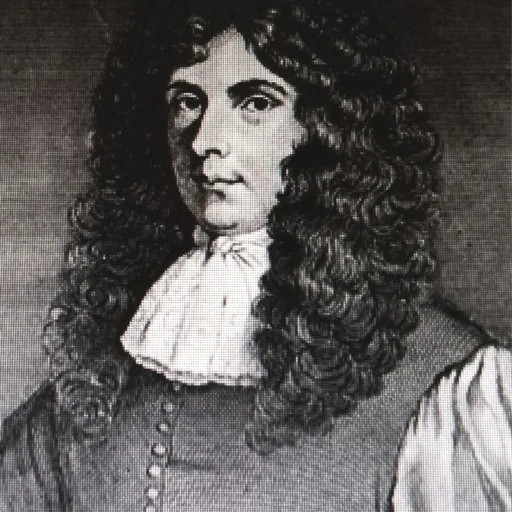
Robert White (1645 – 1703) was an English draughtsman and engraver. A Londoner, he was a pupil of David Loggan, and became a leading portrait engraver. White was celebrated for his original portraits, drawn in pencil on…