Artwork
Pasăre
Pasăre is an unspecified painting by Casia Csehi. It dates from 1950 and is held in the collection of the Gavrila Simion Eco-Museum Research Institute Tulcea.
About this work
Overview
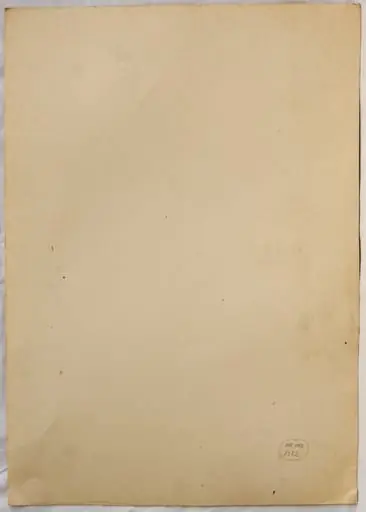
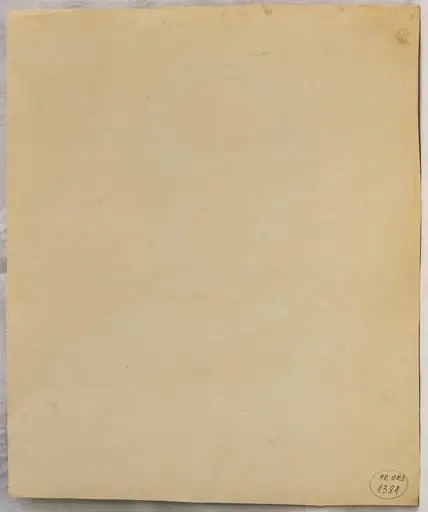
Pasăre, created circa 1950 by Casia Csehi, is a contemporary artwork housed at the Museum of Ethnography. At first glance, it appears as a blank, warm beige canvas with a smooth surface.
Subject & Meaning
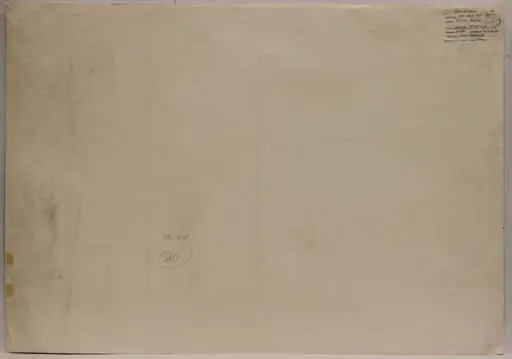
The work's emptiness is intentional, conveying a sense of incompleteness or tentative beginnings. Subtle, ghostly smudges suggest gentle, exploratory gestures, while handwritten notes and a stamp in the corners imply a paused creative process.
Technique & Style
The canvas features a uniformly smooth, warm beige tone. The faint smudges across its surface indicate light, possibly finger-applied, manipulations of the material. The overall effect is one of restrained, suggestive mark-making.
History & Provenance
Created circa 1950 by Casia Csehi, Pasăre is part of the collection at the Museum of Ethnography, where it is currently held.
Context
While Pasăre's blankness might evoke comparisons to later minimalist or conceptual art movements, its creation in the 1950s situates it within a post-war artistic landscape. The subtle smudges and corner markings differentiate it from more austere examples of empty canvas art.
Legacy
Pasăre's significance lies in its early exploration of the conceptual potential of minimal intervention and intentional emptiness in art, predating more widely recognized movements that would similarly challenge traditional notions of creativity and completion.
Artist & collection
Artist
Casia Csehi made prints and paintings in a mid-20th-century style that leaned toward bold shapes and quiet color.
Museum
Gavrila Simion Eco-Museum Research Institute Tulcea
Continue through works from the same source collection.