Artwork
宋崔白雙喜圖 軸
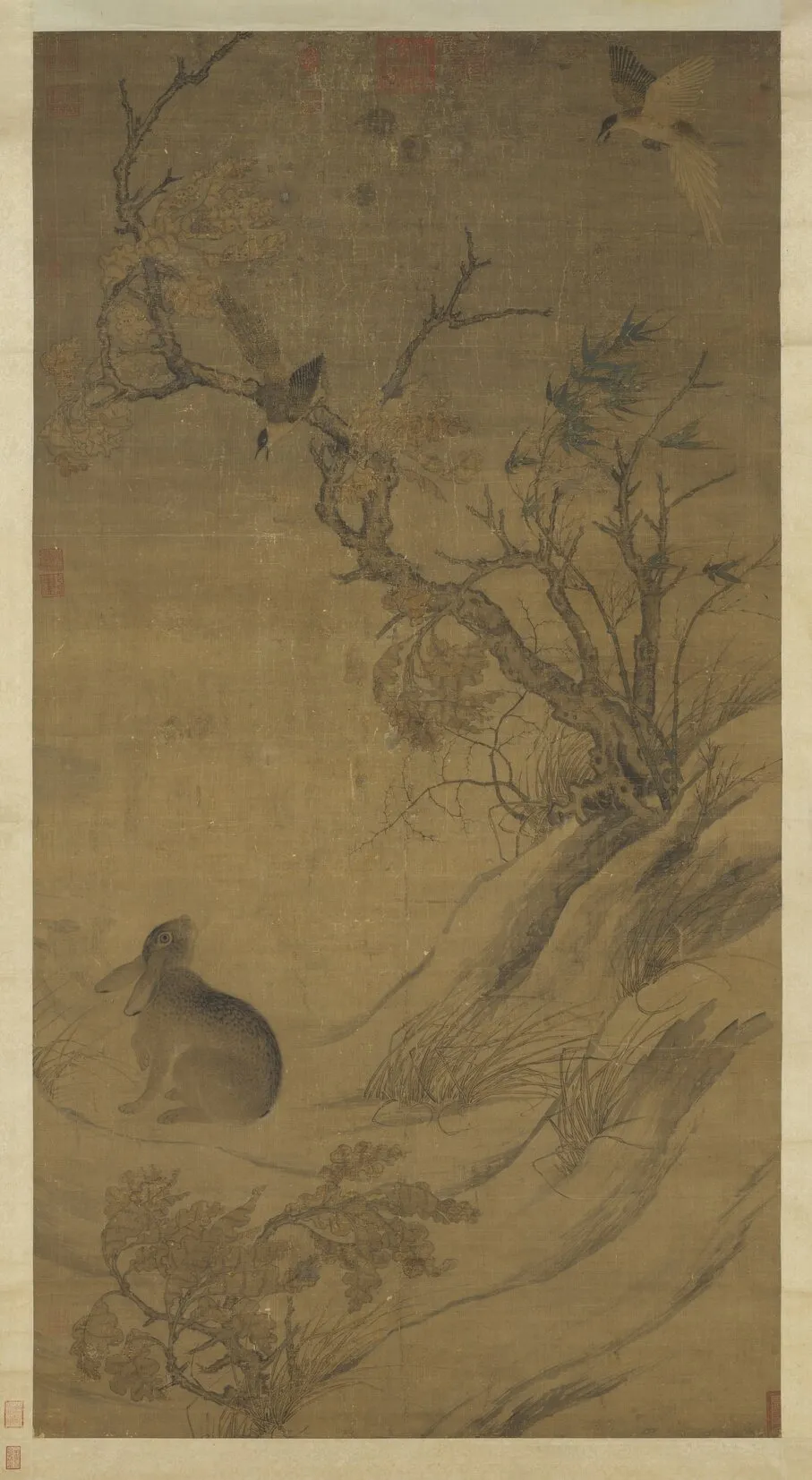
宋崔白雙喜圖 軸 is an unspecified painting by the Song dynasty landscape artist Cui Bai. It dates from 1061 and is held in the collection of the National Palace Museum.
About this work
Overview
Painted in 1061 by Cui Bai, a Northern Song artist from Anhui, this silk scroll captures a quiet moment between a rabbit and a magpie.
Painted in 1061 by Cui Bai, a Northern Song artist from Anhui, this silk scroll captures a quiet moment between a rabbit and a magpie. Executed during the height of the Song dynasty’s naturalistic painting tradition, the work reflects the court’s growing interest in observing nature with precision. Cui Bai, who joined the imperial painting academy in Kaifeng, brought a fresh realism to animal subjects, distinguishing his style from more stylized precedents.
Subject & Meaning
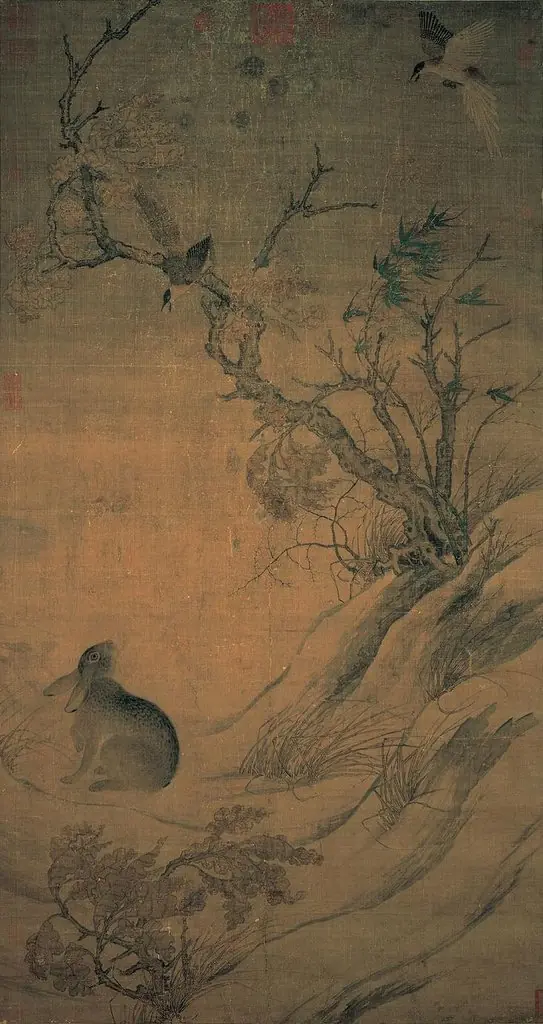
The scene depicts a rabbit frozen in alertness beneath a magpie in flight. The rabbit, perched on a weathered rock, gazes upward, while the bird, wings outstretched, appears mid-call. Though not overtly symbolic, the pairing evokes a fleeting encounter in the wild, suggesting harmony and tension within nature. The title 'Double Happiness' may allude to traditional auspicious pairings, yet the painting’s tone remains observational rather than allegorical.
Technique & Style
Cui Bai employed fine brushwork to render the rabbit’s fur with delicate, layered strokes, capturing texture without ornamentation. The magpie’s wings are defined by swift, confident lines that convey motion. The palette is restrained—earthy browns, grays, and muted greens—enhancing the scene’s quietude. The background fades softly into a hazy sky, unobtrusively uniting the figures with their environment through atmospheric perspective.
History & Provenance
Created during Cui Bai’s tenure at the imperial court in Kaifeng, the painting entered the imperial collection and survived dynastic transitions. It was later housed in the Qing court before being transferred to Taiwan following the mid-20th century political upheavals. Today, it resides in the National Palace Museum, where it remains one of the few surviving works attributed to the artist with documented provenance.
Context
In mid-11th century China, painting shifted from grand ceremonial themes toward intimate studies of the natural world. Cui Bai’s work emerged within this trend, influenced by Daoist and Confucian ideals of harmony with nature. Unlike earlier court artists who favored ornamental forms, he emphasized spontaneous observation, aligning with the broader literati movement’s appreciation for authenticity over decoration.
Legacy
Cui Bai’s *Double Happiness* set a precedent for later Song and Yuan painters who pursued naturalism in animal subjects. Its balance of detail and restraint became a model for depicting wildlife without anthropomorphism. Though few of his works survive, this piece endures as a benchmark for the Northern Song’s capacity to convey quiet, unembellished truth through painting.
Artist & collection
Artist
Cui Bai (Chinese: 崔白; pinyin: Cuī Bái; Wade–Giles: Ts'ui Po, also known as Cui Bo, style name Zixi (子西)) (fl.

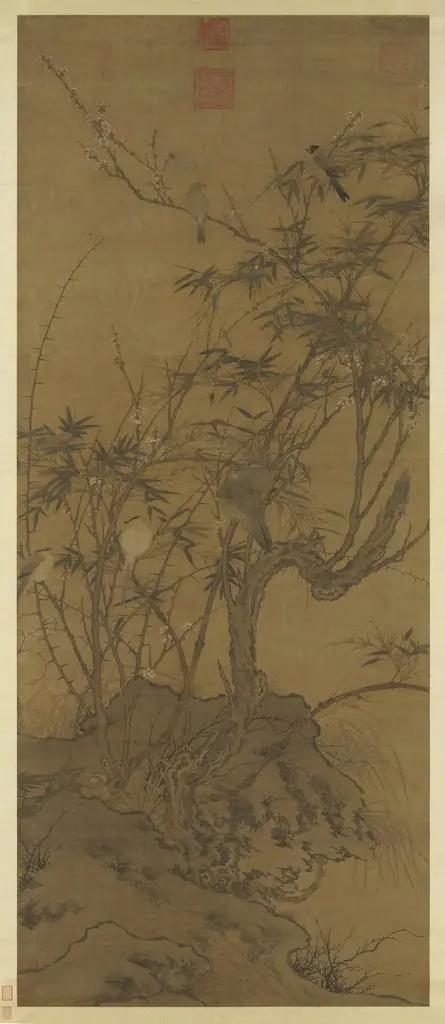 宋人梅竹聚禽圖 軸
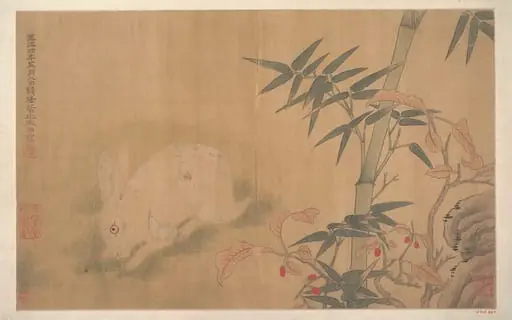 Untitled
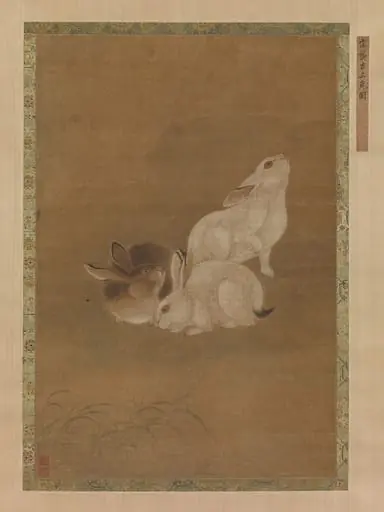 Untitled
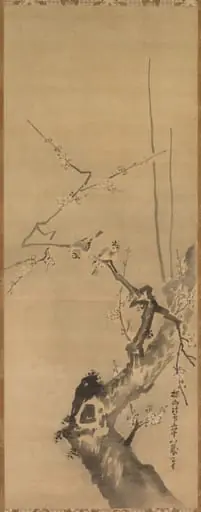 Sparrows on Blossoming Plum
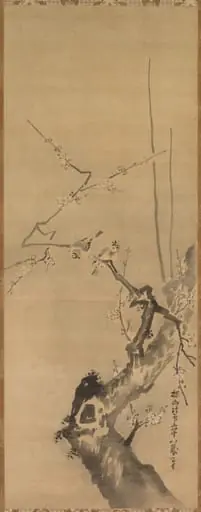 Sparrows on Blossoming Plum; A Sage with Tiger; Chinese Bird on Snow-Laden Branch
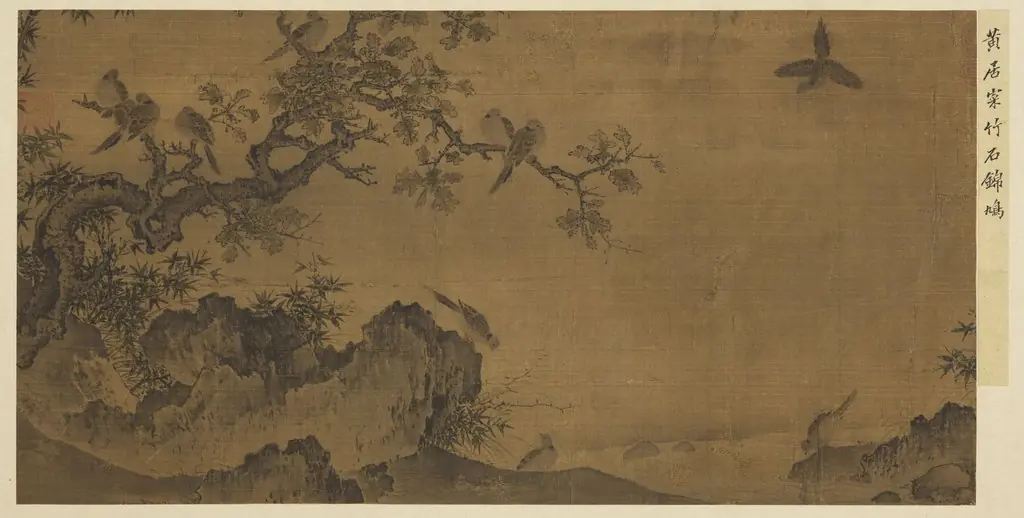 名繪集珍 冊 宋黃居寀竹石錦鳩
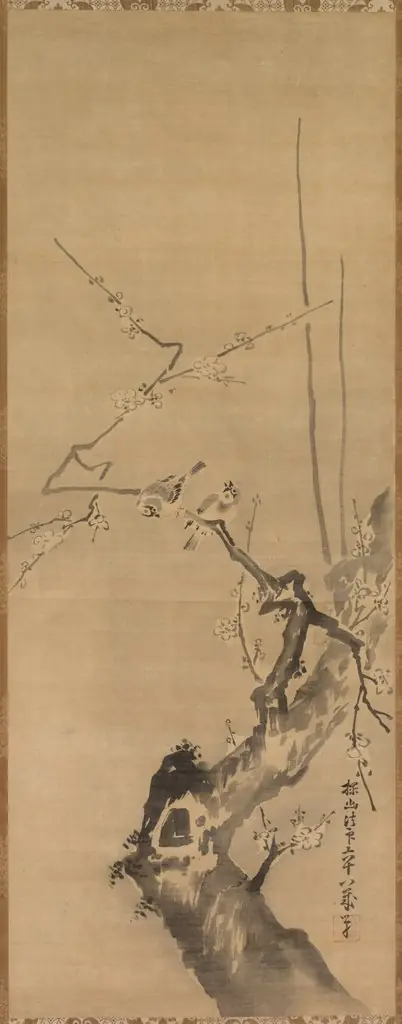 Sparrows on Blossoming Plum; A Sage with Tiger; Chinese Bird on Snow-Laden Branch
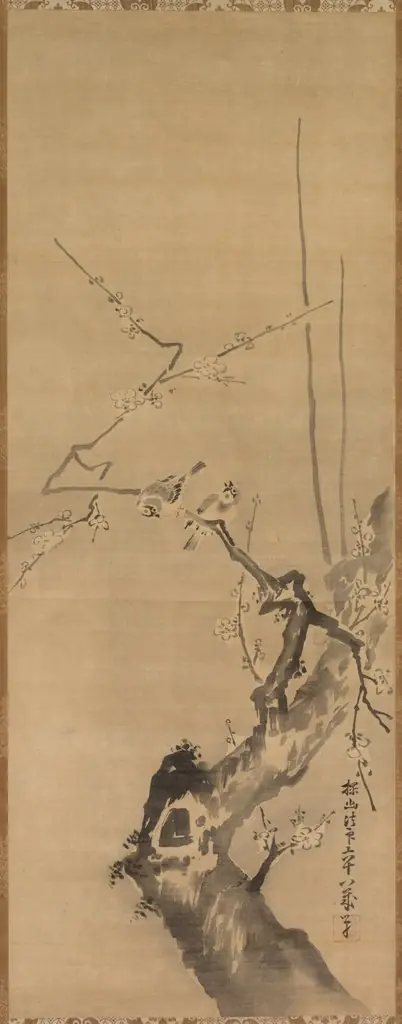 Sparrows on Blossoming Plum
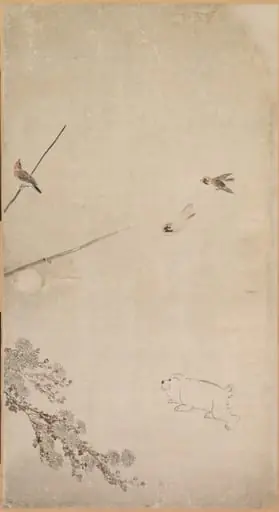 Puppies, Sparrows, and Chrysanthemums
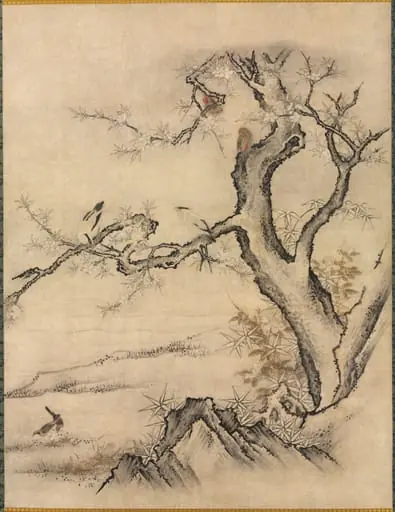 Flowers and Birds in a Spring Landscape
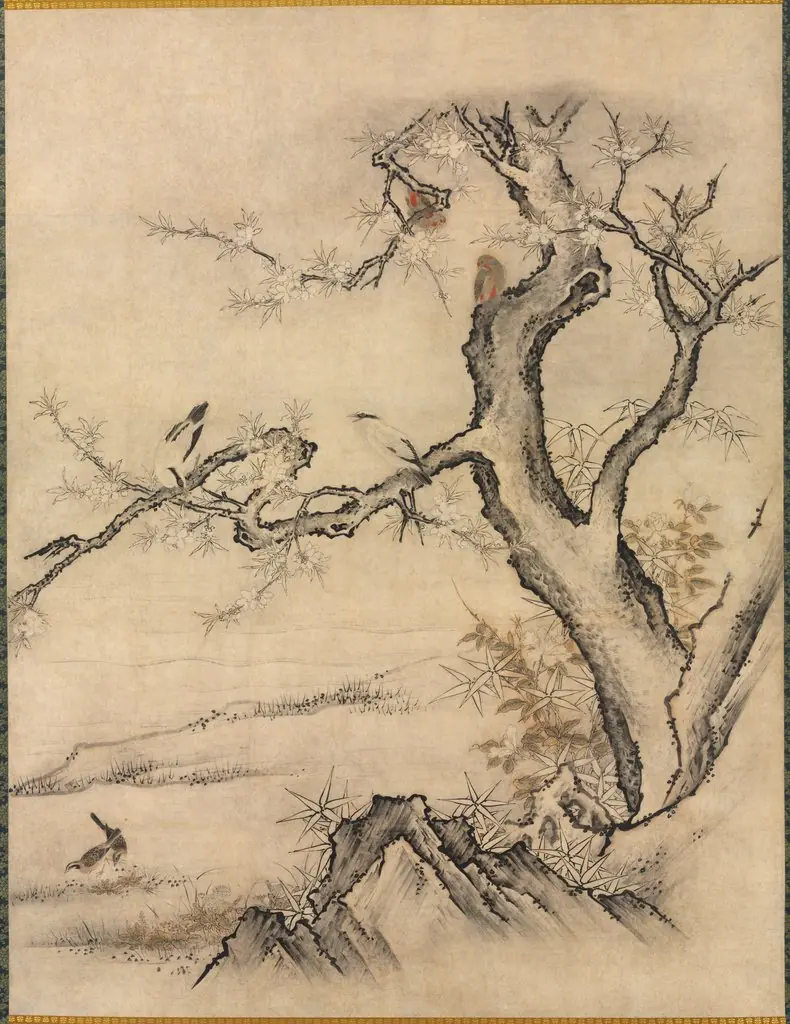 Flowers and Birds in a Spring Landscape