Artwork
U.S. Ship of the Line in a Gale
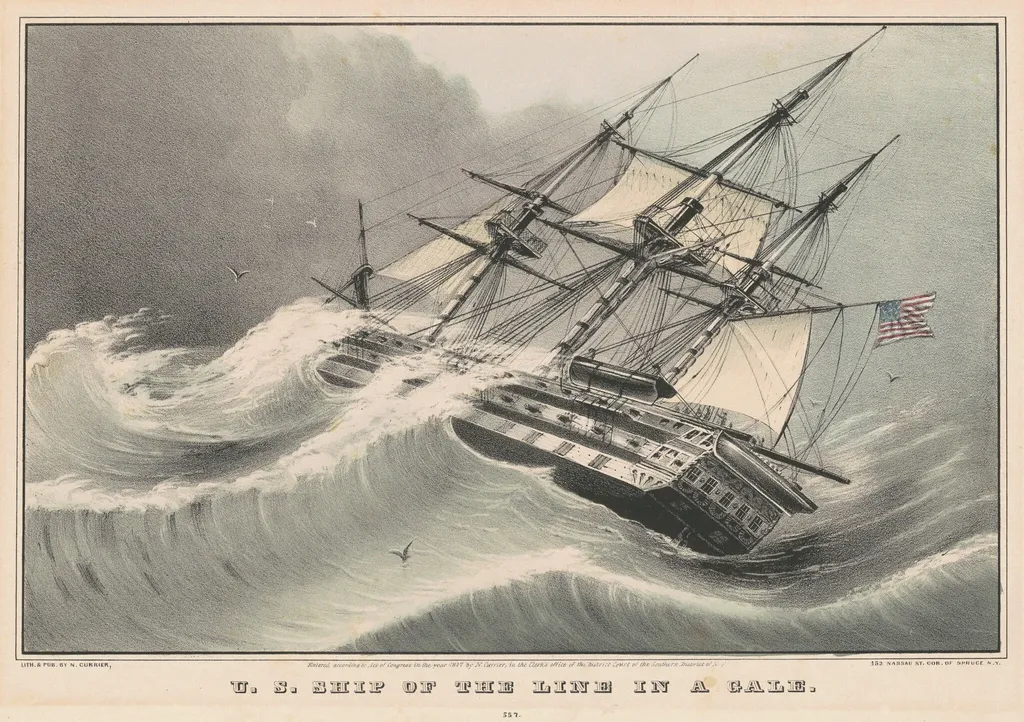
U.S. Ship of the Line in a Gale is an ink print by the Romanticist artist Nathaniel Currier. It dates from 1847 and is held in the collection of the National Gallery of Art.
About this work
Overview
Printed on wove paper, the image captures the vessel at a steep angle, overwhelmed by towering waves and turbulent winds.
Created in 1847 by Nathaniel Currier, this hand-colored lithograph depicts a U.S. ship-of-the-line battling a violent storm at sea. Printed on wove paper, the image captures the vessel at a steep angle, overwhelmed by towering waves and turbulent winds. The composition emphasizes the ship’s vulnerability against nature’s force, rendered with dramatic contrast and subtle color accents to highlight structural details against the chaotic backdrop.
Subject & Meaning
The vessel, identified as a U.S. Navy ship-of-the-line, represents American naval power amid peril. Its tilted posture and tangled sails suggest imminent danger, while the fluttering flag affirms national identity despite adversity. The scene conveys neither triumph nor defeat, but rather the relentless confrontation between human endeavor and elemental forces, reflecting 19th-century fascination with nature’s unpredictability and maritime risk.
Technique & Style
Currier employed lithography, a printmaking method allowing fine detail and mass reproduction. Hand coloring was applied selectively to accentuate the ship’s rigging, hull, and flag, distinguishing them from the monochrome storm. The use of white chalk for wave foam and dark washes for sky and sea heightens the sense of motion and depth, aligning with popular visual conventions of the era that favored emotional intensity over realism.
History & Provenance
Produced during Currier’s early career, this print was part of a series of maritime scenes issued by his firm, which specialized in affordable, widely distributed imagery. It was likely sold to the public as a decorative print, appealing to interest in naval affairs and dramatic natural events. No specific ship or incident is documented, suggesting it was conceived as a generalized representation rather than a record of a particular event.
Context
In the 1840s, American audiences were captivated by naval exploits and the sublime power of the sea, fueled by expanding maritime trade and military presence. Lithographs like this one bridged journalism and entertainment, offering the public accessible, emotionally charged depictions of distant events. Currier’s work contributed to a growing visual culture that celebrated national identity through scenes of endurance and peril.
Legacy
This print exemplifies the commercial print industry’s role in shaping public perception of maritime life in antebellum America. Though not created as fine art, its technical precision and emotional resonance influenced later illustrators and helped establish Currier’s reputation. It remains a representative artifact of 19th-century American visual culture, documenting how ordinary citizens engaged with themes of courage and nature’s dominance.
Artist & collection


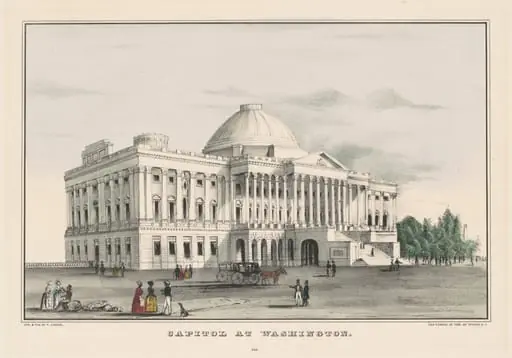 Capitol at Washington
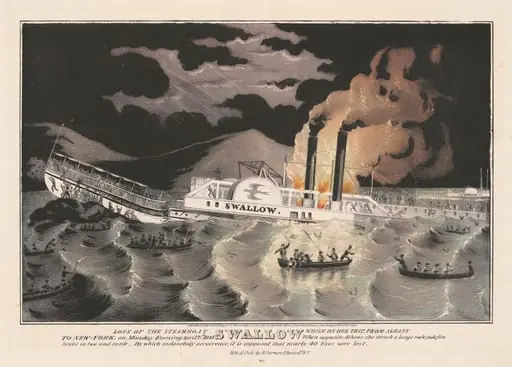 Loss of the Steamboat Swallow: While on Her Trip, from Albany to New-York, on Monday Evening April 7th 1845
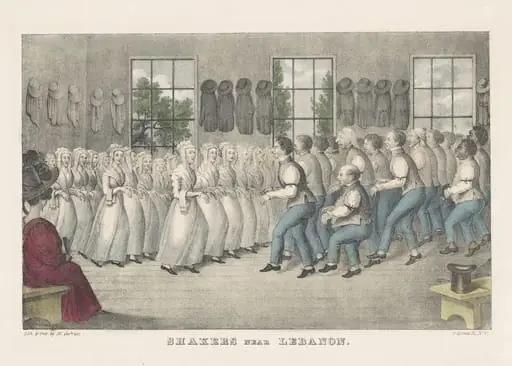 Shakers Near Lebanon
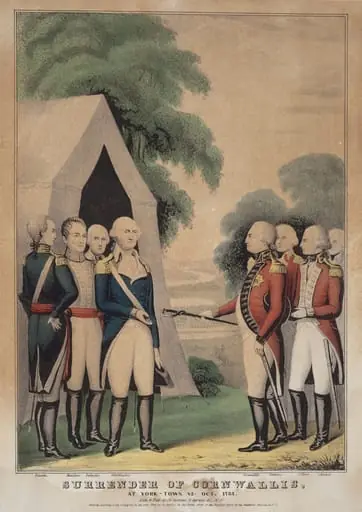 Surrender of Cornwallis: At York-Town Va. Oct. 1781
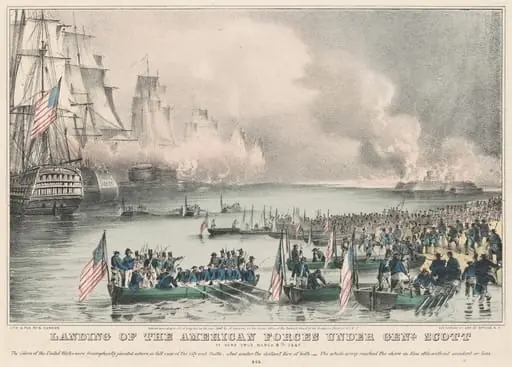 Landing of the American Forces under Genl. Scott: At Vera Cruz March 9th 1847
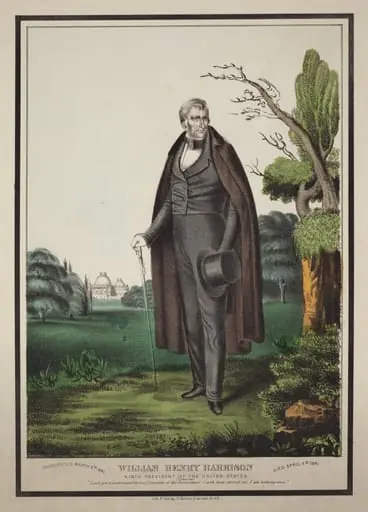 William Henry Harrison: Ninth President of the United States
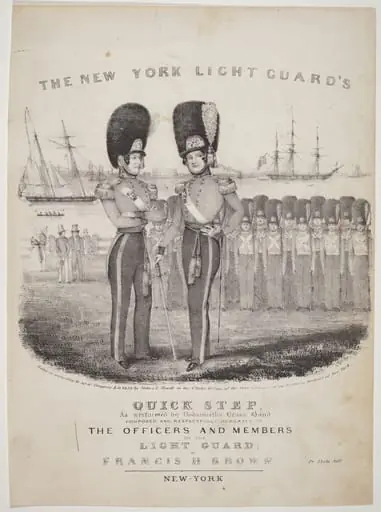 The New York Light Guard's Quick Step: As Performed by Dodworth's Brass Band. Composed and Respectfully Dedicated to the Officers and Members of the Light Guard; by Francis H. Brown
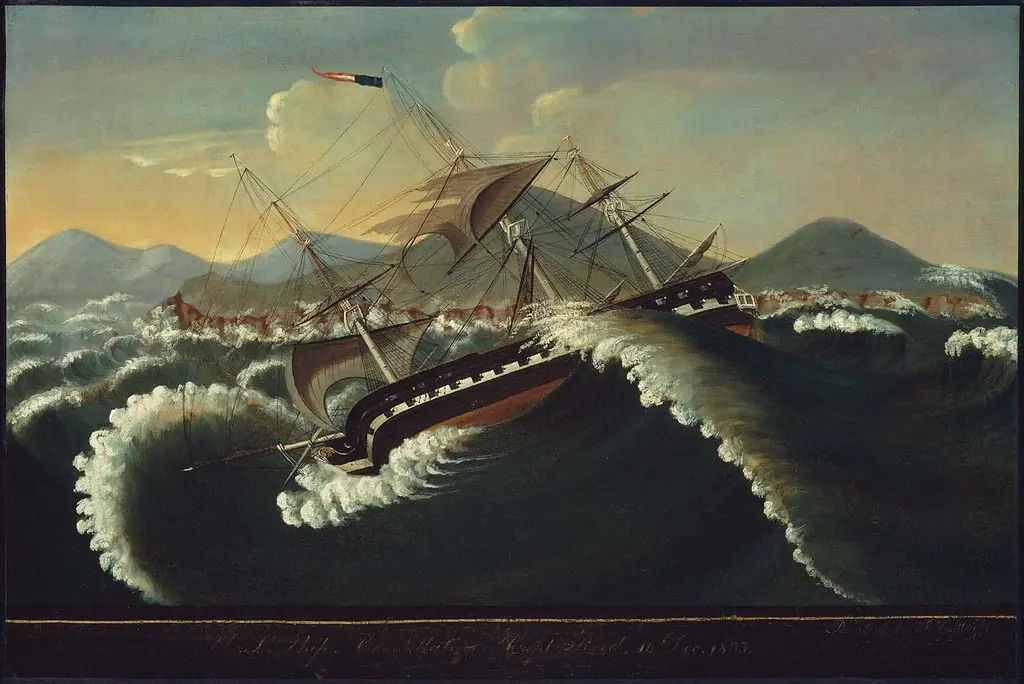 U.S. Ship "Constellation"
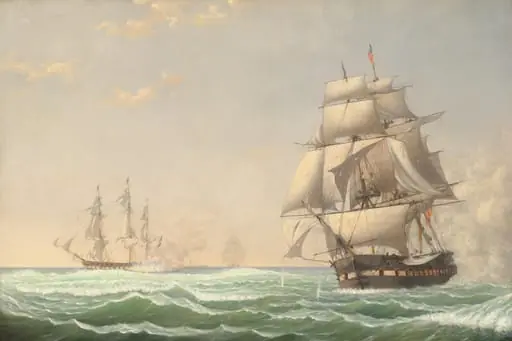 The United States Frigate "President" Engaging the British Squadron, 1815
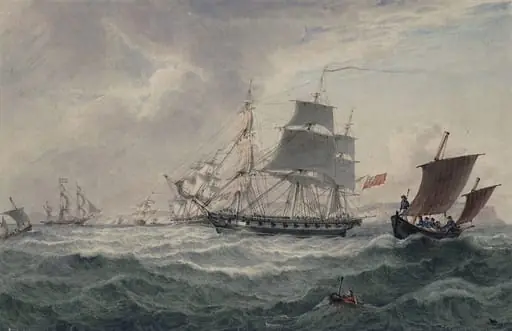 In the English Channel
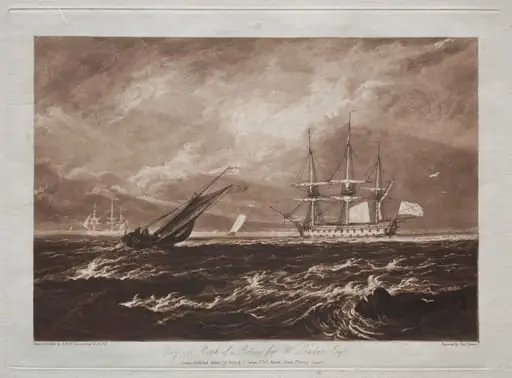 Liber Studiorum: The Leader Sea-piece
 U.S.S. WASP Boarding H.M Brig FROLIC
 To danske fregatter i en storm signalerer med hinanden
 South Sea Whale Fishing I
 Sailing Boats in a Tempest
 Liber Studiorum: Ships in a Breeze
 The Frigate