Artwork
Shakers Near Lebanon
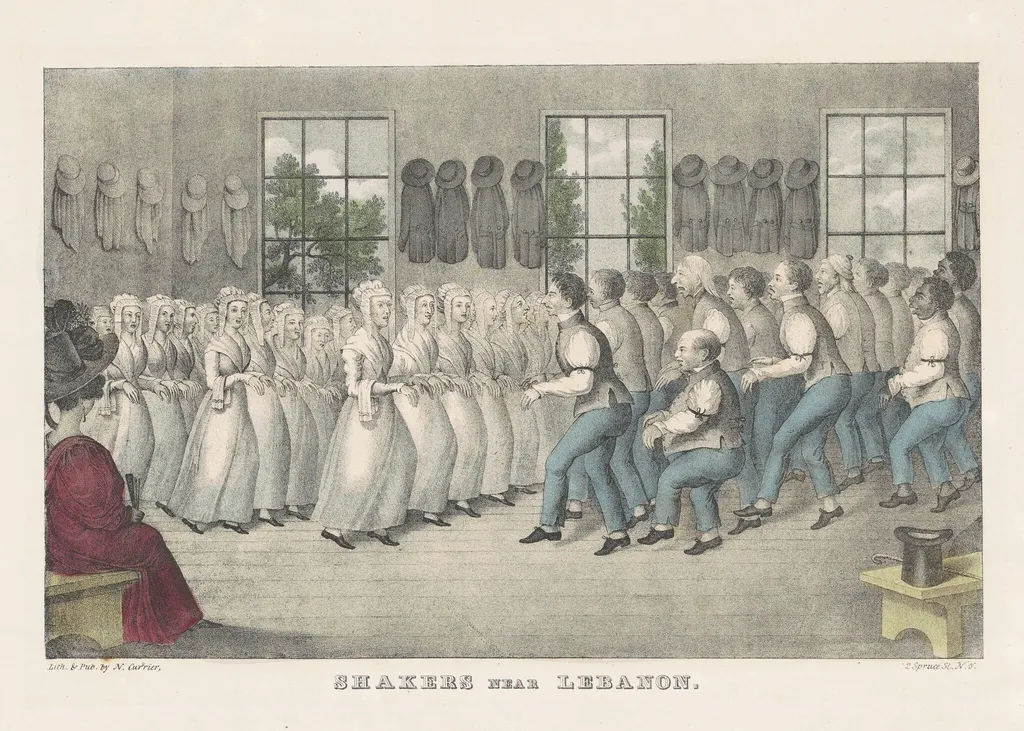
Shakers Near Lebanon is an ink print by the Romanticist artist Nathaniel Currier. It dates from 1848 and is held in the collection of the National Gallery of Art.
About this work
Overview
Nathaniel Currier’s lithograph Shakers Near Lebanon, dated around 1848, presents an interior scene of a Shaker community engaged in a collective dance.
Nathaniel Currier’s lithograph Shakers Near Lebanon, dated around 1848, presents an interior scene of a Shaker community engaged in a collective dance. Rendered on wove paper, the image combines lithographic printing with hand-applied color, giving the composition a subtle warmth. The work captures a moment of communal activity within a well‑lit, high‑ceilinged room, emphasizing both the simplicity of the participants’ dress and the orderly arrangement of the space.
Subject & Meaning
The print depicts a group of Shaker men and women dancing in two parallel lines, a practice associated with their religious gatherings. The participants wear modest, plain garments typical of the sect, and their focused expressions convey a blend of solemnity and shared joy. The scene reflects the Shakers’ values of community, discipline, and the integration of movement into worship.
Technique & Style
Currier employed lithography, a planographic printing method that allowed for fine line work and tonal variation, then added hand‑coloring to enhance depth and texture. The hand‑applied hues accentuate the natural light streaming through the large windows and give the figures a tactile presence. The overall style balances documentary clarity with a gentle, almost domestic intimacy.
History & Provenance
Created in the late 1840s, the lithograph was produced during a period when Currier’s firm was expanding its range beyond news‑related prints to depict American social and religious life. While specific ownership records are limited, the work has appeared in several collections of 19th‑century American prints, illustrating contemporary interest in the Shaker movement.
Context
The image emerges from a broader 19th‑century fascination with utopian and religious communities in the United States. Shaker settlements, such as the one near Lebanon, New Hampshire, were noted for their celibate, communal lifestyle and distinctive worship practices, including rhythmic dancing. Currier’s depiction offers a visual record of these practices at a time when photography was still nascent.
Legacy
Shakers Near Lebanon remains a valuable visual document for scholars studying American religious history and early printmaking. Its combination of lithographic precision and hand coloring exemplifies mid‑century print techniques, while its subject matter contributes to the visual archive of Shaker culture, informing both historical research and museum exhibitions.
Artist & collection


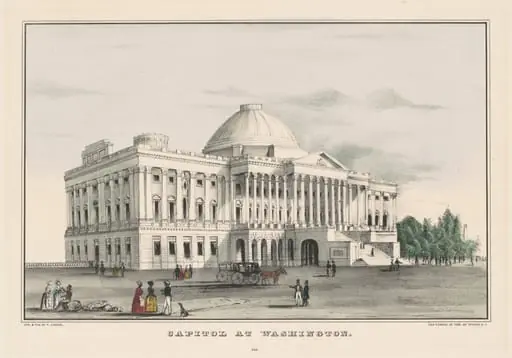 Capitol at Washington
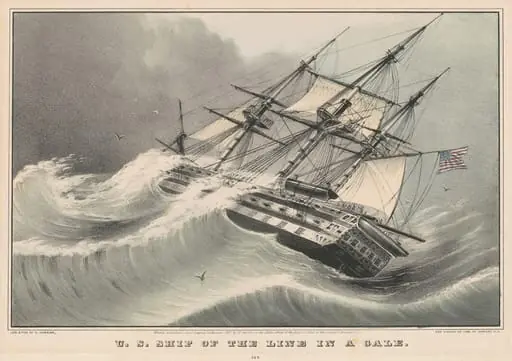 U.S. Ship of the Line in a Gale
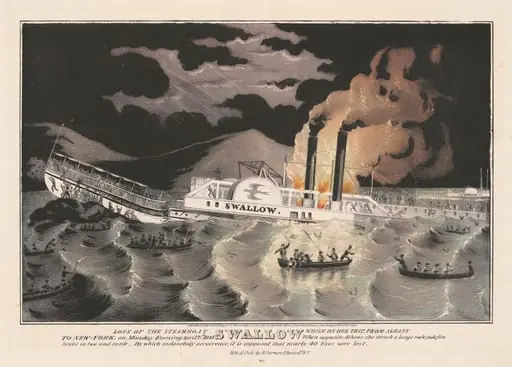 Loss of the Steamboat Swallow: While on Her Trip, from Albany to New-York, on Monday Evening April 7th 1845
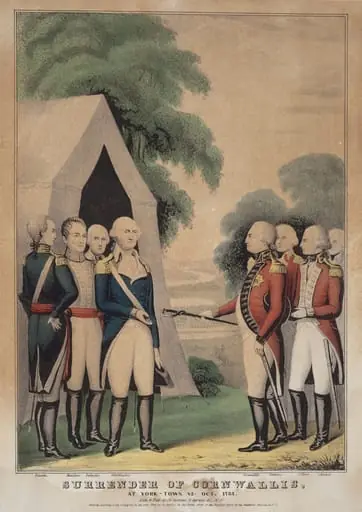 Surrender of Cornwallis: At York-Town Va. Oct. 1781
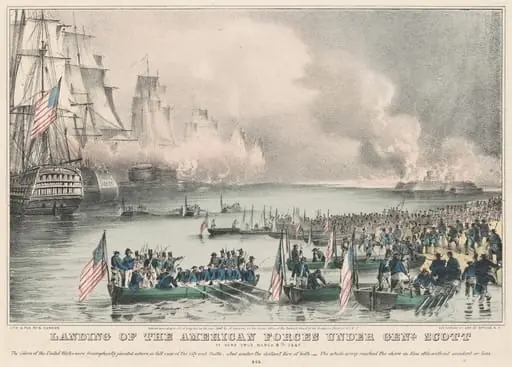 Landing of the American Forces under Genl. Scott: At Vera Cruz March 9th 1847
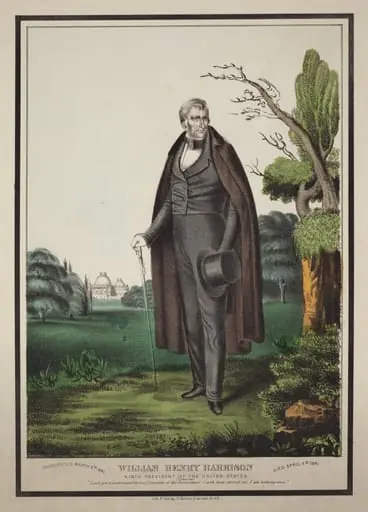 William Henry Harrison: Ninth President of the United States
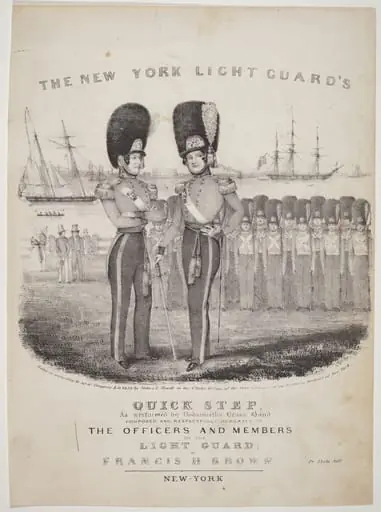 The New York Light Guard's Quick Step: As Performed by Dodworth's Brass Band. Composed and Respectfully Dedicated to the Officers and Members of the Light Guard; by Francis H. Brown
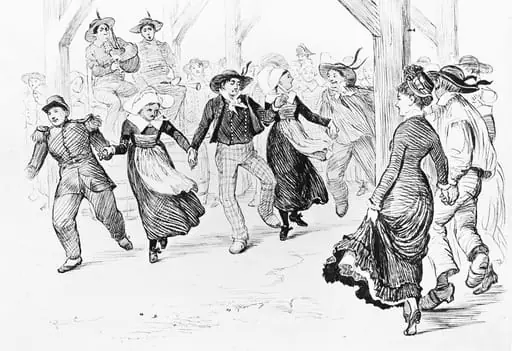 Breton Folk
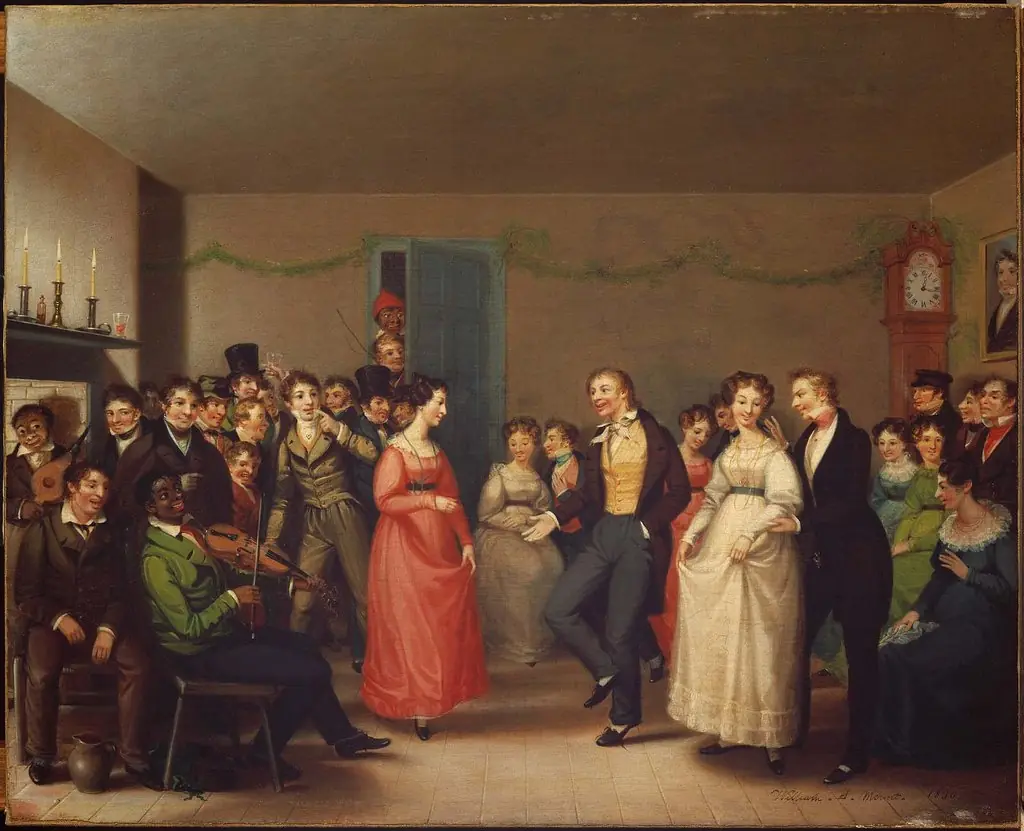 Rustic Dance After a Sleigh Ride
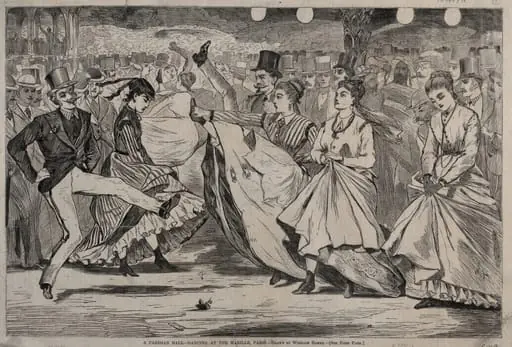 A Parisian Ball - Dancing at the Mabille, Paris
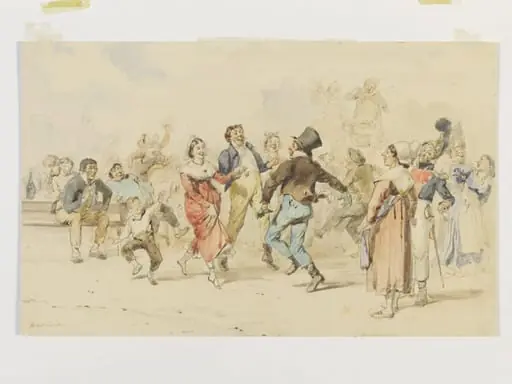 Untitled
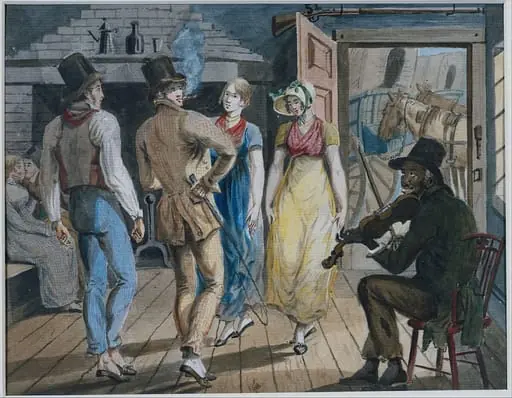 Merrymaking at a Wayside Inn
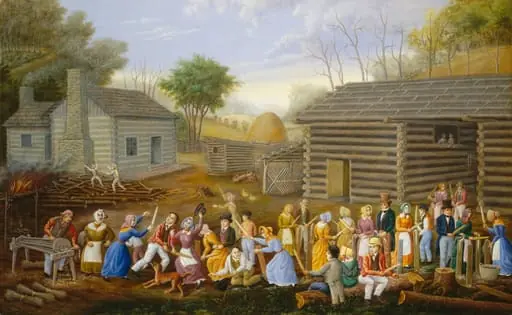 Flax Scutching Bee
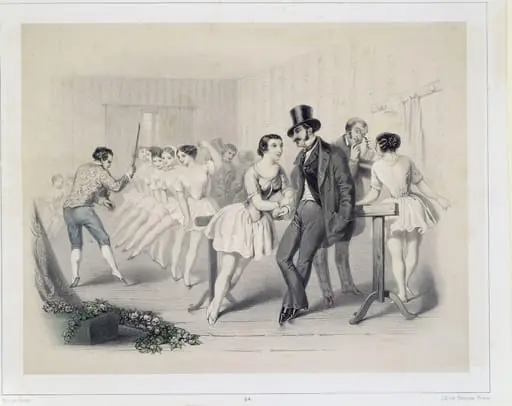 Print Collection
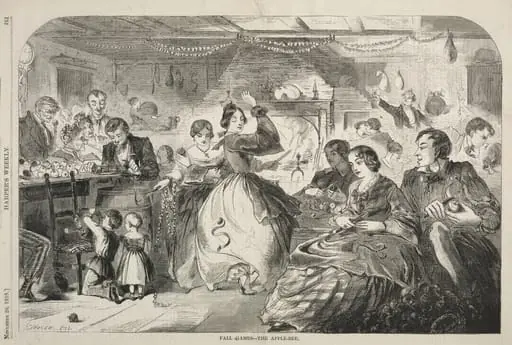 Fall Games - The Apple Bee
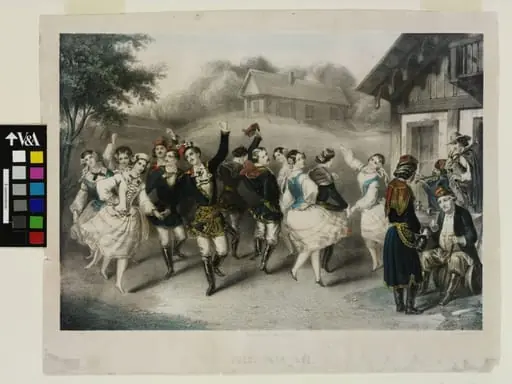 Polnischer Tanz
![Dance of Peasants [possibly in Belgrade near Constantinople], by Luigi Mayer](https://artifactworldgallery.com/img/luigi-mayer--dance-of-peasants-possibly-in-belgrade-near-constantinople--e0530a0b87d5c4c1-w320.webp) Dance of Peasants [possibly in Belgrade near Constantinople]
Dance of Peasants [possibly in Belgrade near Constantinople]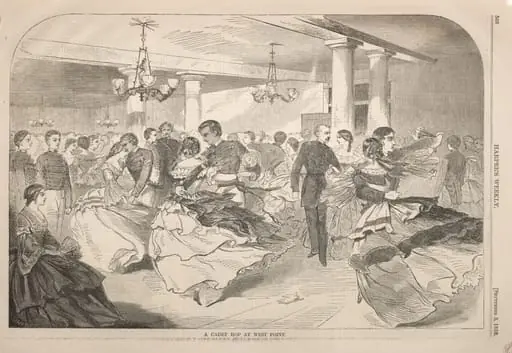 A Cadet Hop at West Point
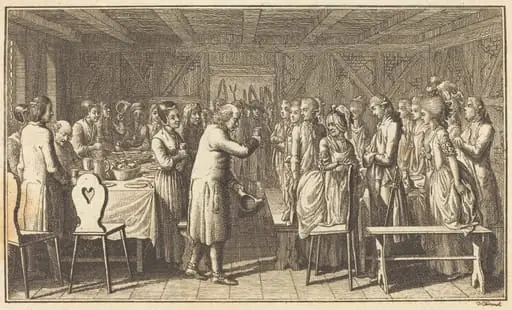 A Welcome Guest