Artwork
South Sea Whale Fishing I
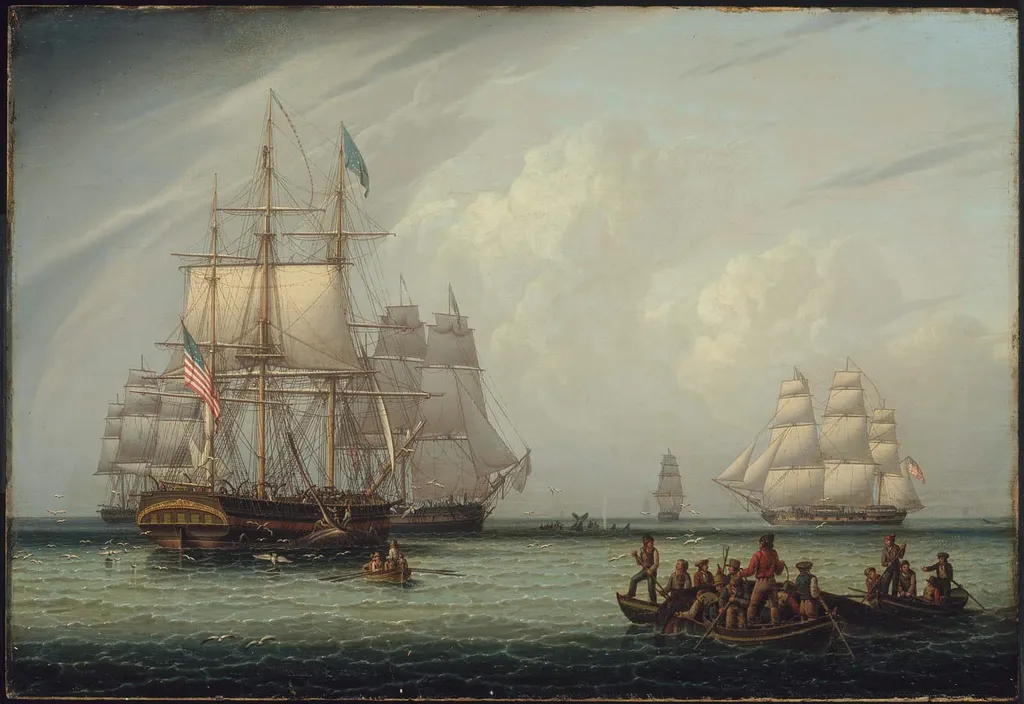
South Sea Whale Fishing I is an oil painting by Robert Salmon. It dates from 1831 and is held in the collection of the Museum of Fine Arts Boston.
About this work
Overview
South Sea Whale Fishing I is an 1831 oil painting by Robert Salmon, a prominent maritime artist with a prolific oeuvre of nearly 1,000 works, almost exclusively depicting maritime scenes. The painting is housed in the Museum of Fine Arts, Boston.
Subject & Meaning
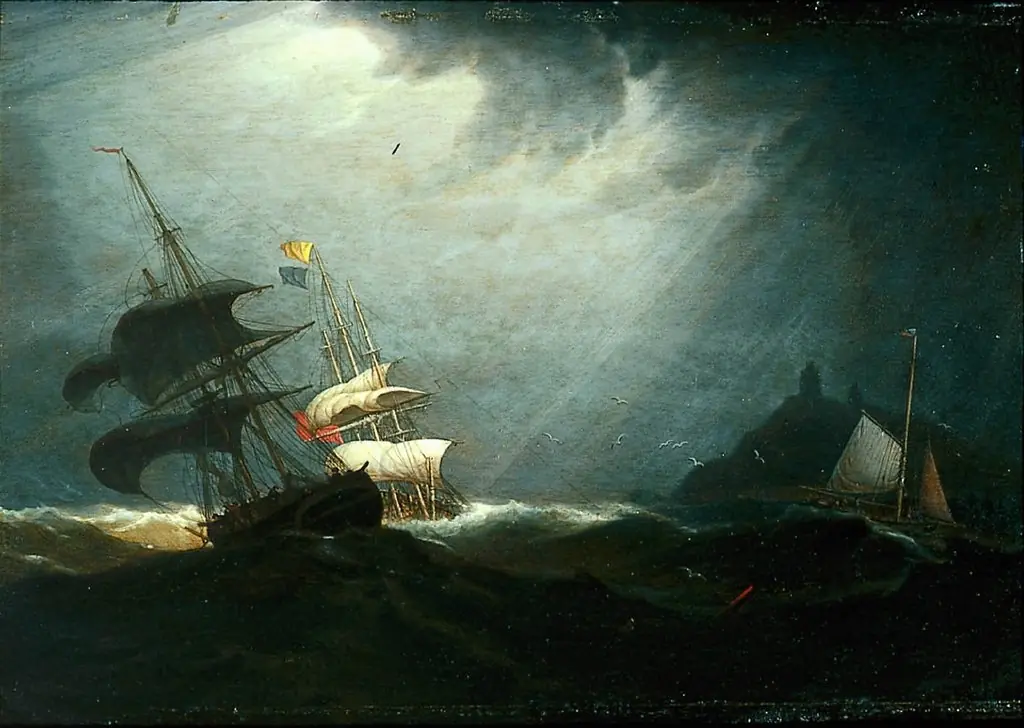
The painting captures a dynamic moment in a South Sea whale fishing scene, centered around a large ship in motion, accompanied by a smaller boat with figures on board, conveying the energy and drama of the maritime activity.
Technique & Style
Executed in a realistic style, the work showcases Salmon's attention to detail in rendering ships and sea. A muted color palette dominated by blues and grays, along with the use of chiaroscuro, enhances the sense of dynamic movement and high drama.
History & Provenance
Created in 1831, the painting is part of Robert Salmon's extensive maritime-themed body of work. It is currently part of the collection at the Museum of Fine Arts, Boston.
Context
As a work by an artist often associated with the American Luminist movement, *South Sea Whale Fishing I* reflects the era's fascination with light, sea, and the American maritime experience, despite Salmon's transatlantic career spanning England and America.
Legacy
While specific legacy details of *South Sea Whale Fishing I* are not highlighted, as part of Robert Salmon's corpus, it contributes to his reputation as a seminal figure in American maritime art, often termed the 'Father of American Luminism'.
Artist & collection

Artist
Robert Salmon (1775 – c. 1845) was a maritime artist, active in both England and America. Salmon completed nearly 1,000 paintings, all save one of maritime scenes or seascapes. He is widely considered the Father of American Luminism.

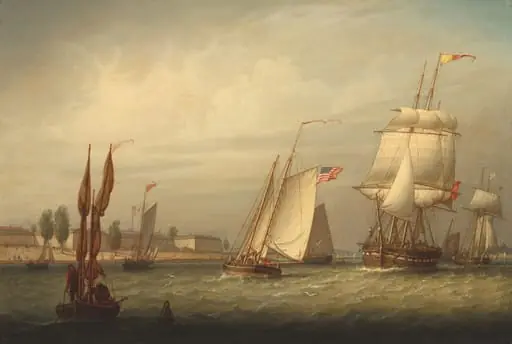
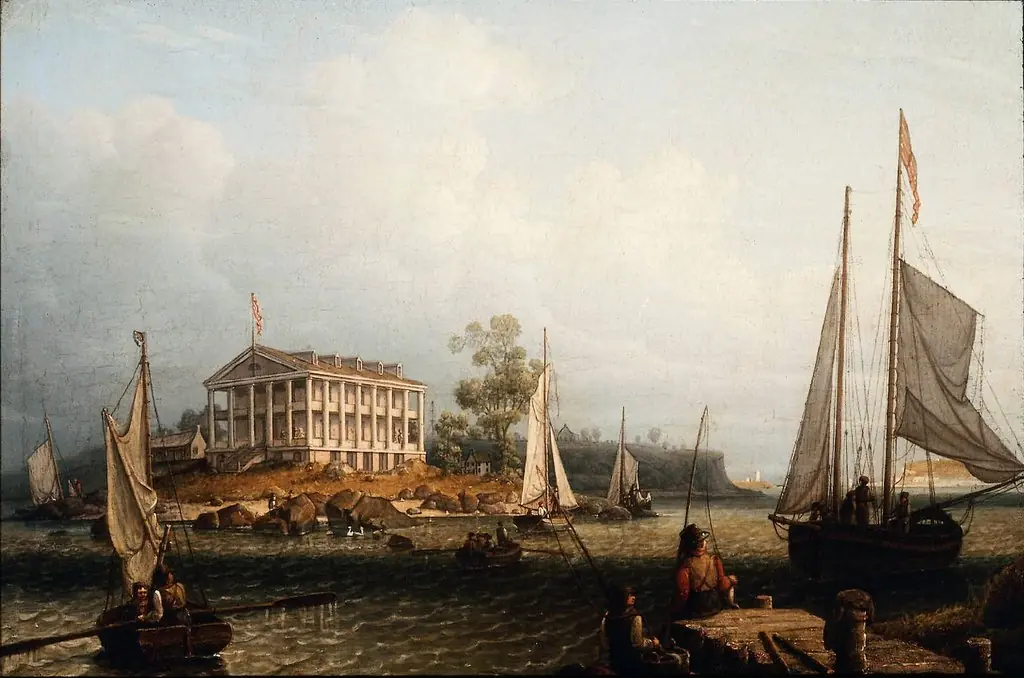
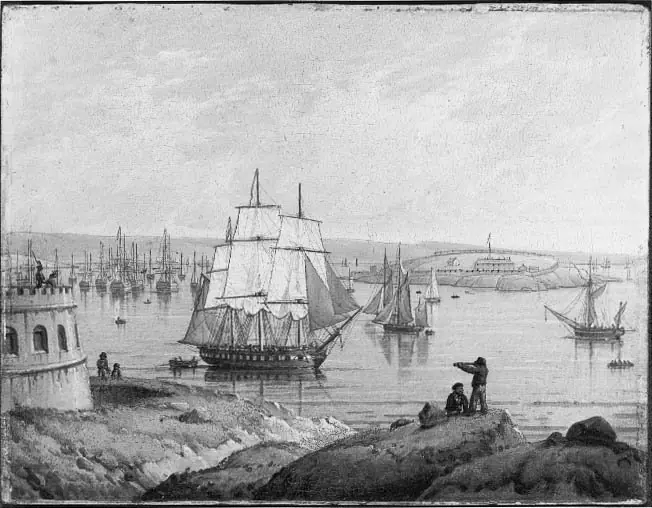
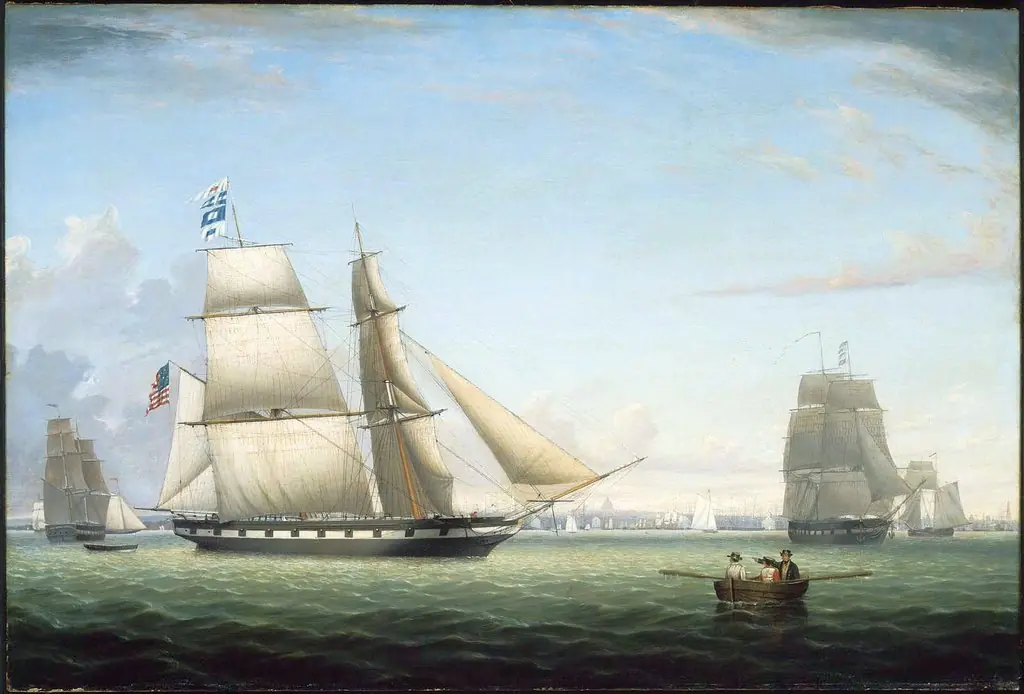 Brig "Antelope" in Boston Harbor
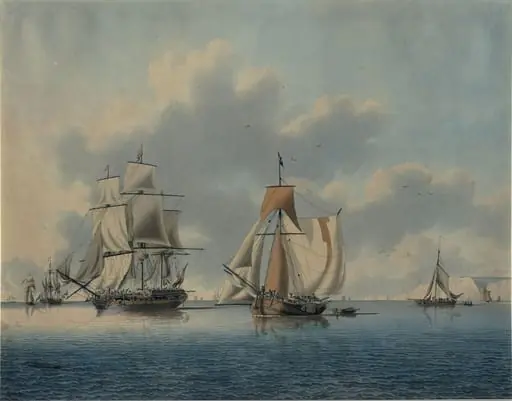 A frigate and Dutch fishing boats off the Isle of Wight
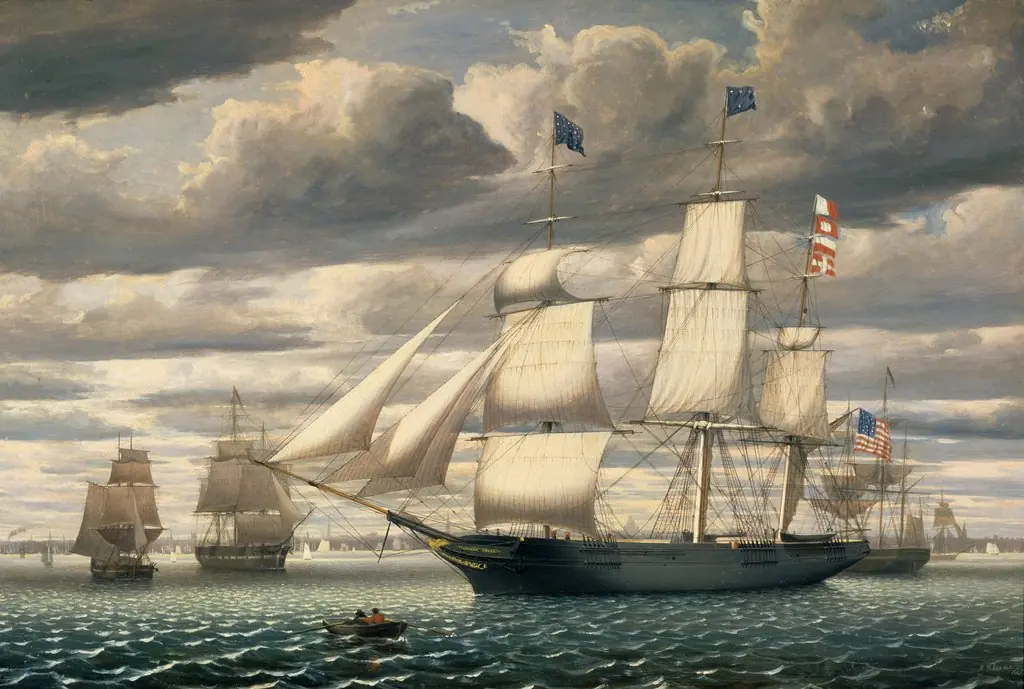 Ship Southern Cross in Boston Harbor, 1851
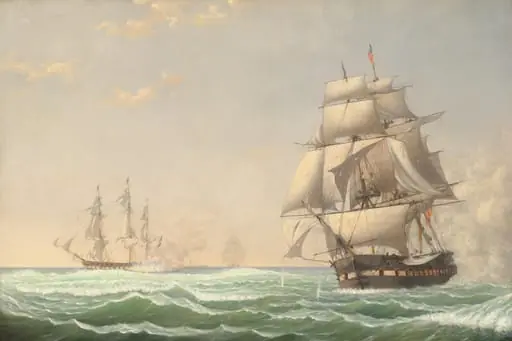 The United States Frigate "President" Engaging the British Squadron, 1815
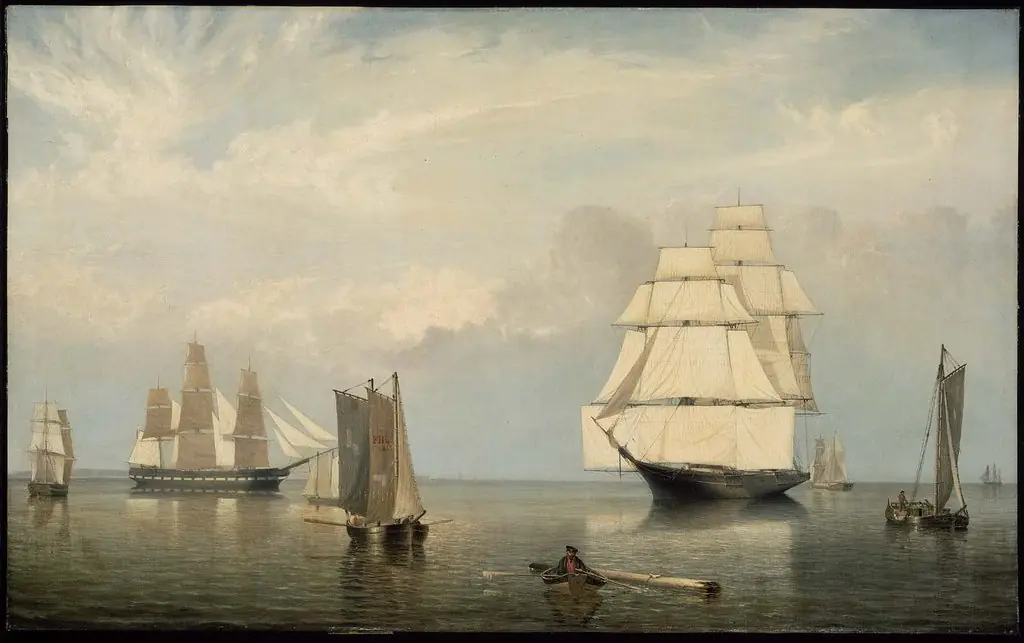 Salem Harbor
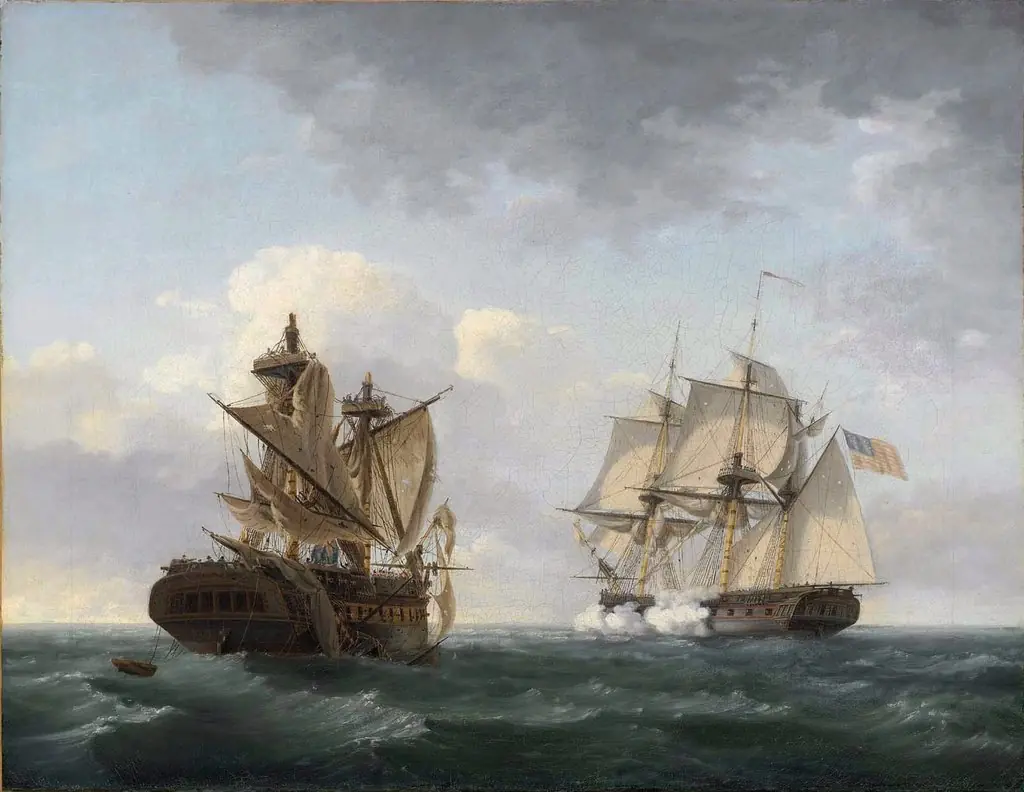 Engagement Between the "United States" and the "Macedonian"
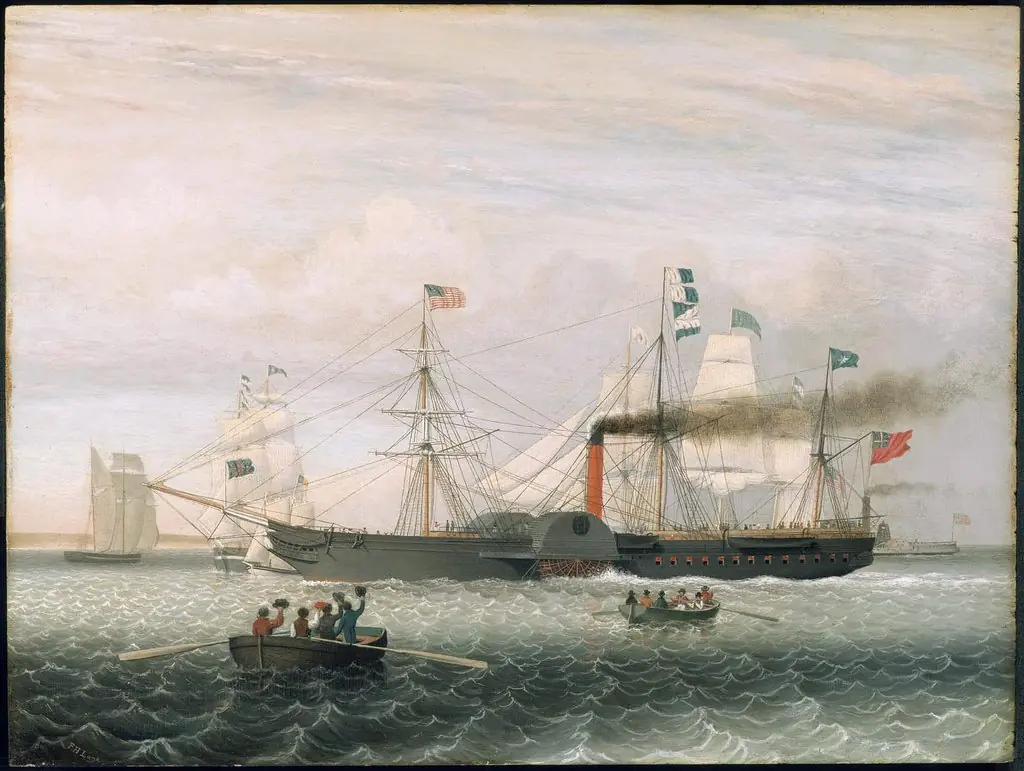 The Britannia Entering Boston Harbor
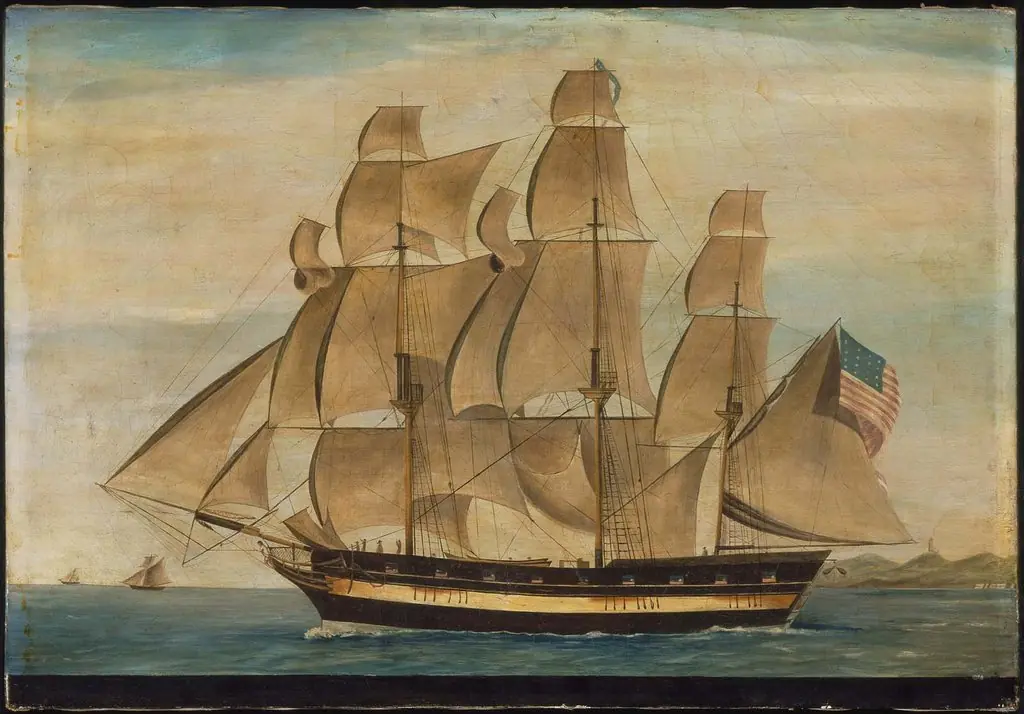 Early American Privateer "Avon"
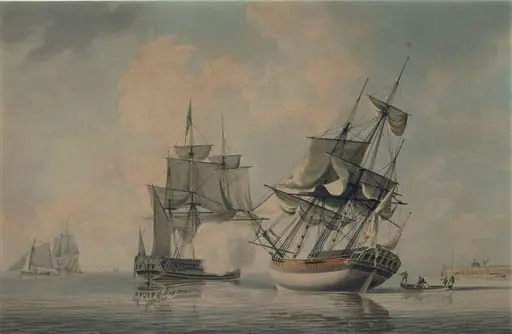 Seapiece with Shipping
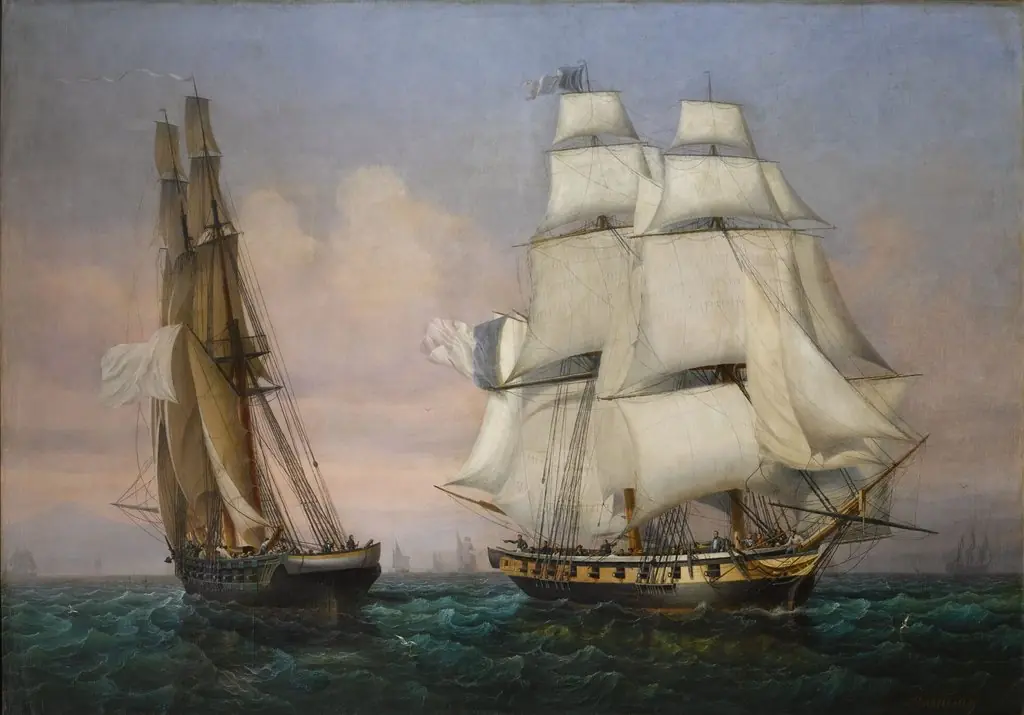 Return of Napoleon from Elba
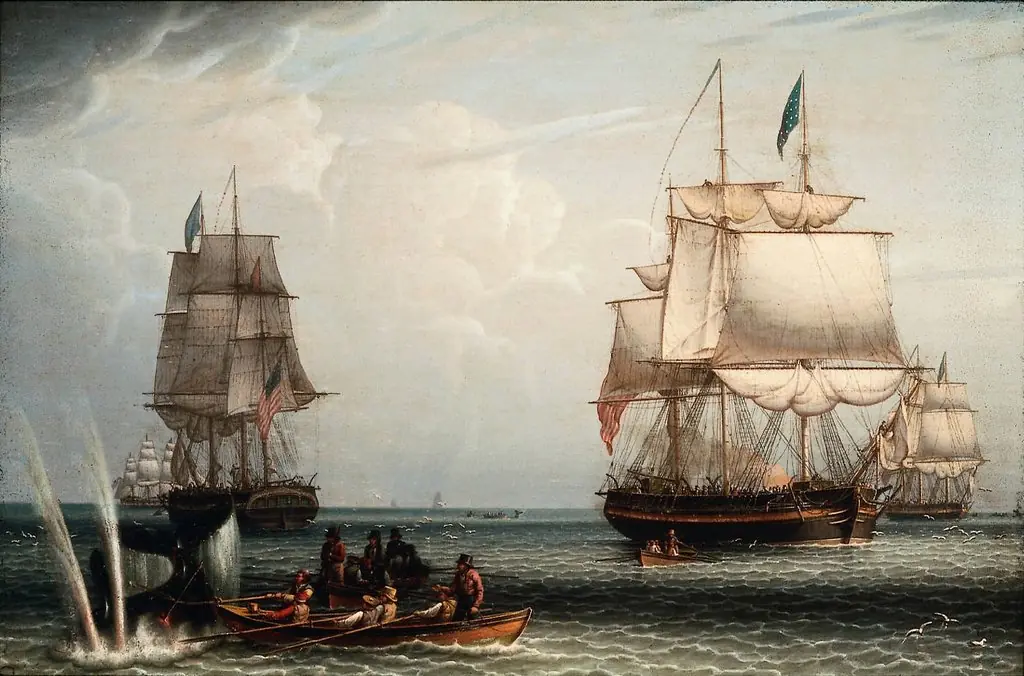 South Sea Whale Fishing II