Artwork
The Desperate Man
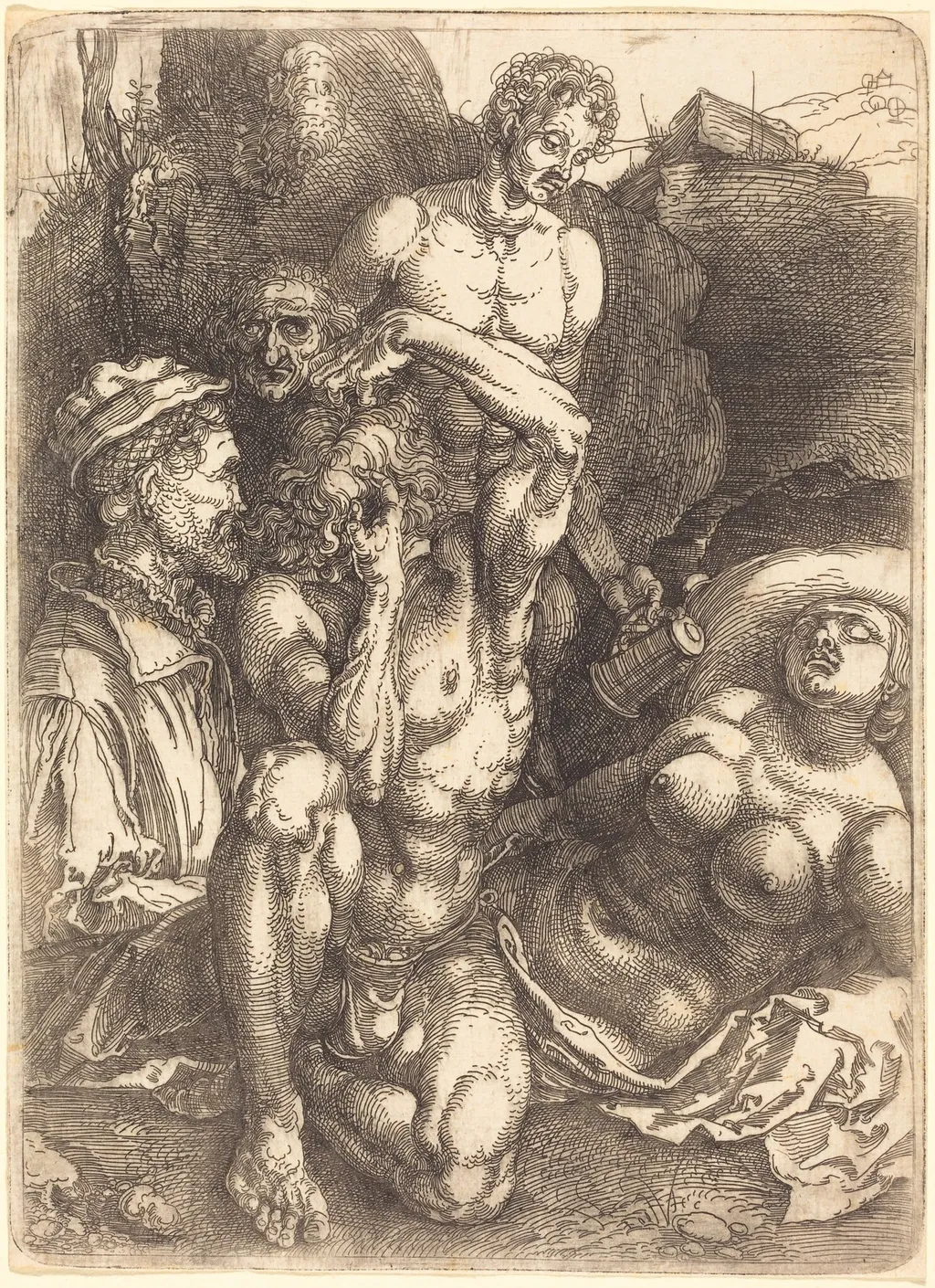
The Desperate Man is an ink print by the Northern Renaissance artist Albrecht Dürer. It dates from 1514 and is held in the collection of the Metropolitan Museum of Art.
About this work
Overview
Created around 1514, The Desperate Man is a small etching by Albrecht Dürer, executed in iron on laid paper. Unlike his larger, more elaborate works, this piece focuses solely on a single human face, rendered with intense emotional clarity. Its simplicity and intimate scale distinguish it within Dürer’s printmaking output, reflecting a shift toward psychological depth over narrative complexity.
Subject & Meaning
The image portrays a man with wide, upward-gazing eyes and furrowed brows, conveying a sense of inner turmoil.
The image portrays a man with wide, upward-gazing eyes and furrowed brows, conveying a sense of inner turmoil. No religious symbols or contextual elements are present, leaving the emotion unanchored to a specific story. This abstraction invites interpretation as a universal expression of anguish, possibly reflecting Dürer’s own contemplative state during a period of personal and spiritual questioning.
Technique & Style
Dürer employed fine, controlled lines in etching to model the face with remarkable subtlety, using hatching and cross-hatching to suggest volume and shadow. Despite the medium’s limitations, he achieved a lifelike texture in skin and hair, demonstrating mastery over the etching needle. The composition’s minimalism heightens the impact of each line, turning technical precision into emotional resonance.
History & Provenance
The print emerged during Dürer’s mature period, when he was refining his print techniques and exploring individual expression. It was likely produced for private circulation rather than public sale, as few impressions survive. Its early ownership is undocumented, but it entered major collections in the 19th century, recognized for its psychological intensity and technical economy.
Context
In early 16th-century Germany, artists were increasingly turning to printmaking to explore personal and spiritual themes beyond traditional religious iconography. Dürer’s engagement with human emotion in this work aligns with broader intellectual currents of the time, including humanist thought and the growing interest in individual inner life as a subject worthy of artistic attention.
Legacy
The Desperate Man influenced later artists seeking to convey psychological states through minimal means. Its focus on the face as a vessel for emotion prefigured modern portraiture’s emphasis on inner experience. Though not widely reproduced in its time, it remains a touchstone in studies of early modern printmaking and the evolution of expressive line.
Own this work as a print
Artist & collection
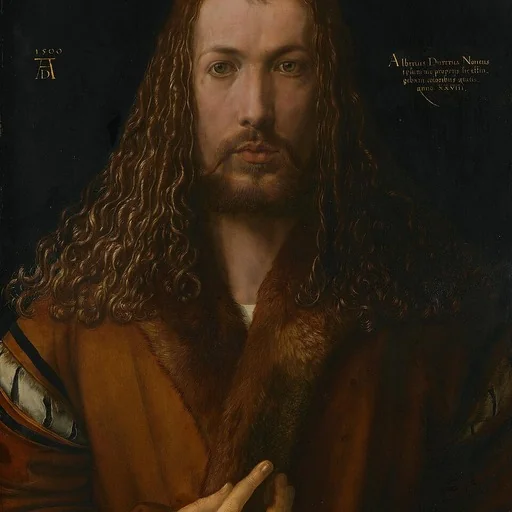
Artist
Albrecht Dürer spent his life in Nuremberg, a busy German city where artists traded prints like currency.

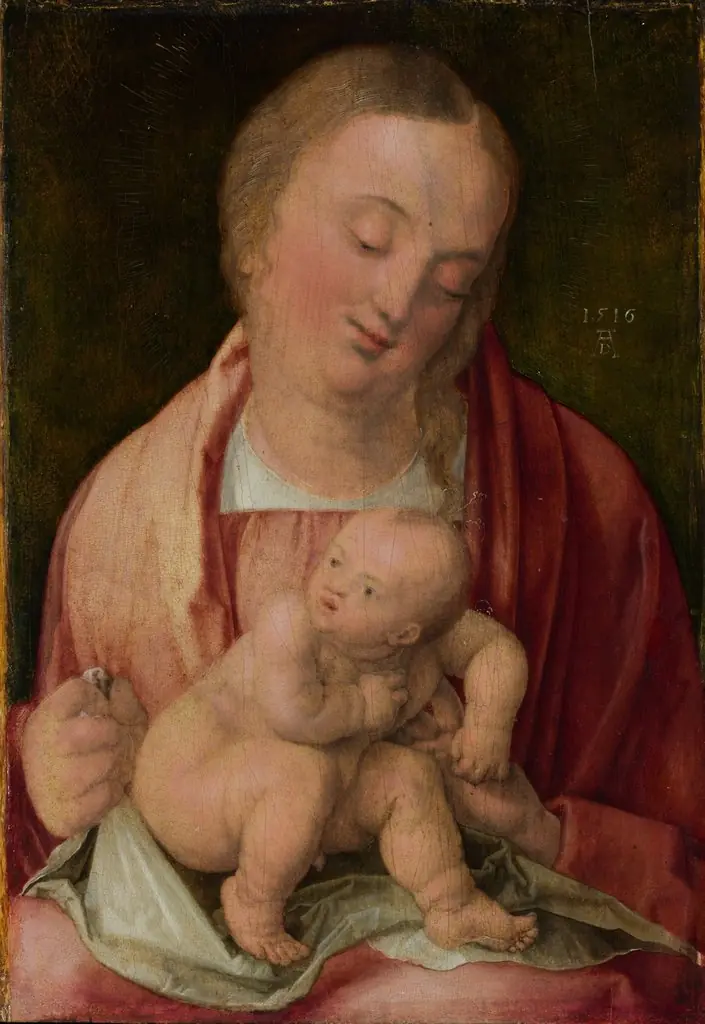
![Madonna and Child [obverse], by Albrecht Dürer](https://artifactworldgallery.com/img/albrecht-durer--madonna-and-child-obverse--d7b8ebf05d22ebe5-w320.webp)
![Lot and His Daughters [reverse], by Albrecht Dürer](https://artifactworldgallery.com/img/albrecht-durer--lot-and-his-daughters-reverse--b4ebf9b282faa17a-w320.webp)
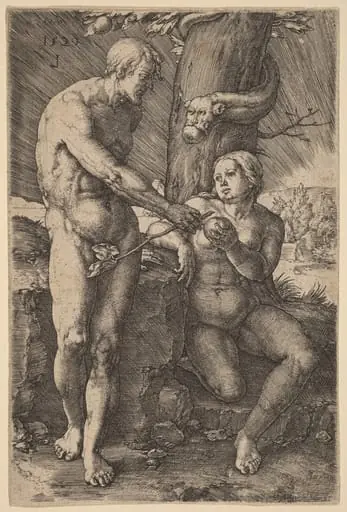 The Fall of Man
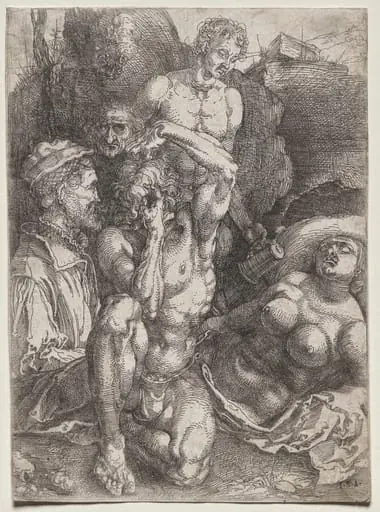 Group of Five Figures
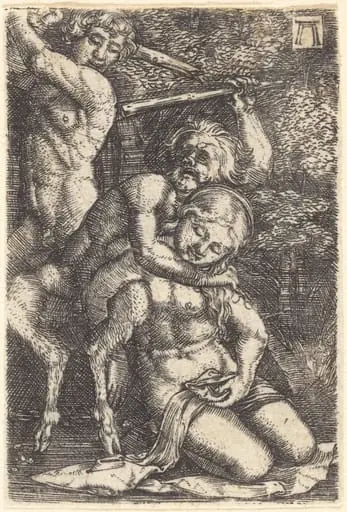 Two Satyrs Fighting about a Nymph
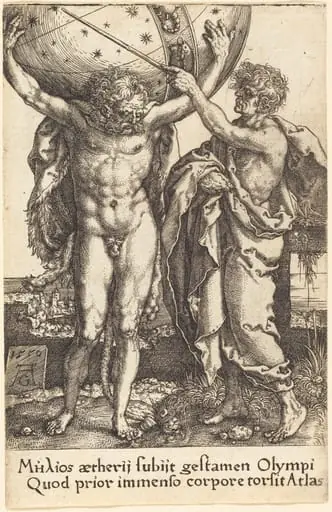 Hercules and Atlas
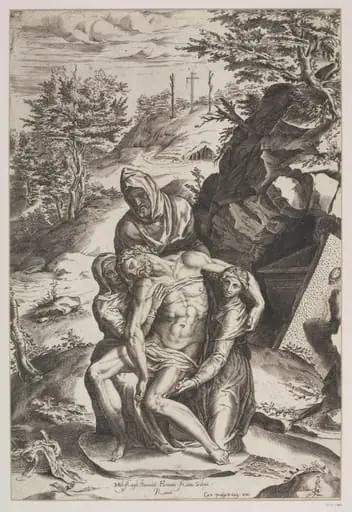 Untitled
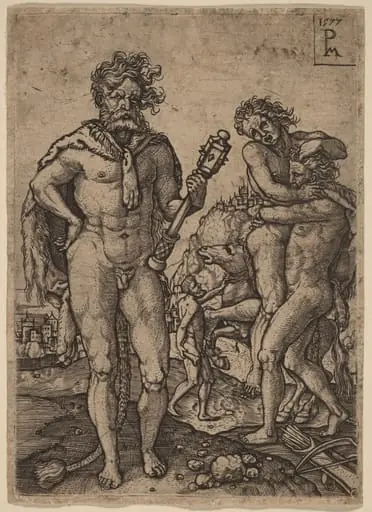 Hercules and Antaeus
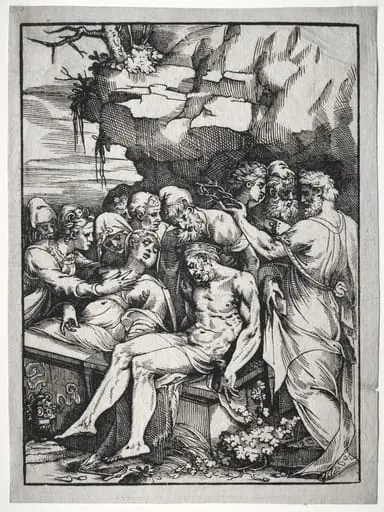 The Entombment
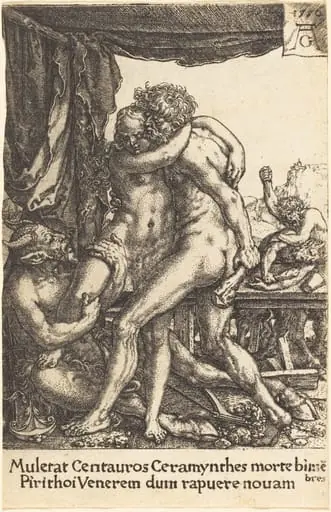 Hercules Preventing the Centaurs from the Rape of Hippodamia
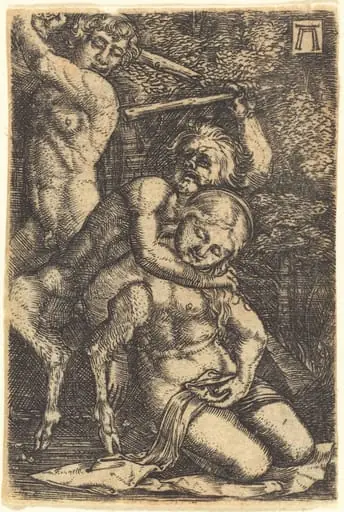 Two Satyrs Fighting about a Nymph
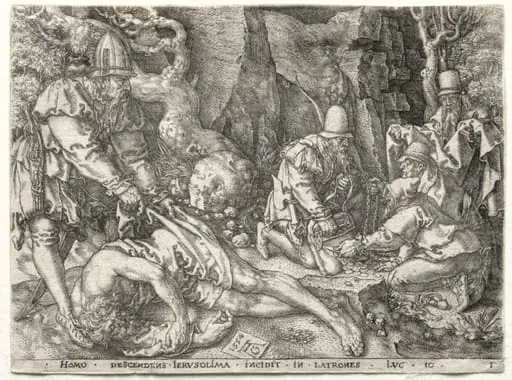 The Parable of the Good Samaritan: The Robbers Attacking the Travelers
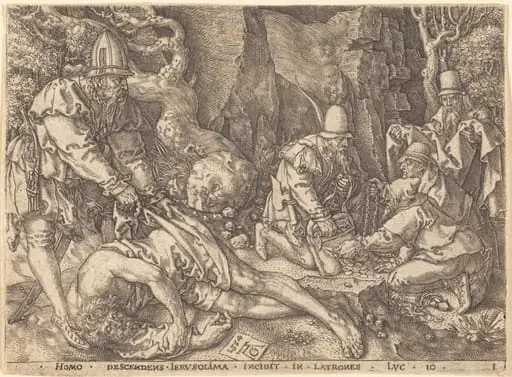 Traveler among Thieves
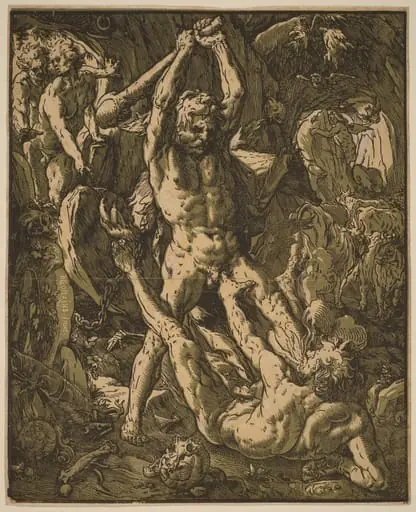 Hercules Killing Cacus