Artwork
The First Knot (with a heart-shaped shield)
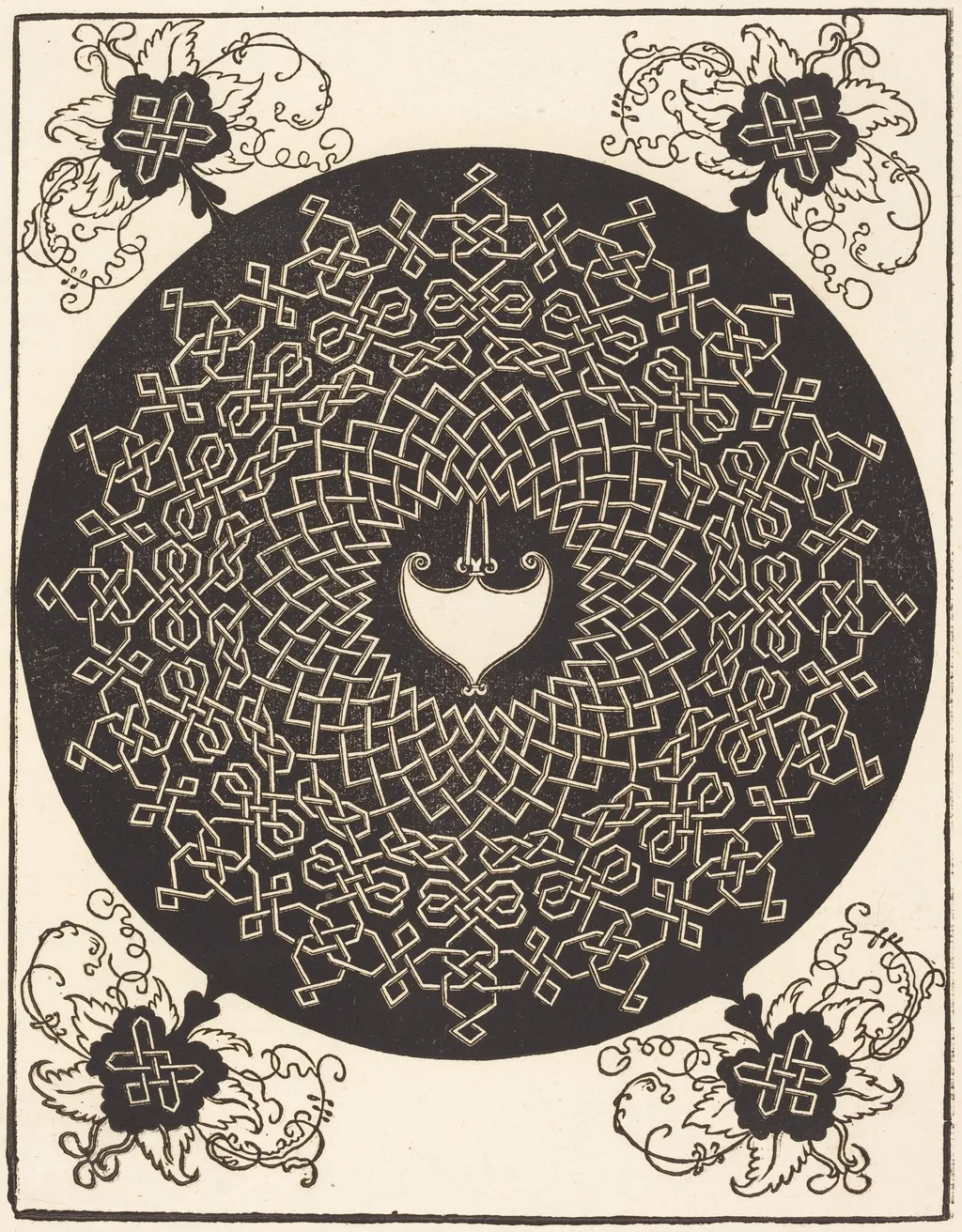
The First Knot (with a heart-shaped shield) is an ink print by the Northern Renaissance artist Albrecht Dürer. It dates from 1506 and is held in the collection of the British Museum.
About this work
Overview
Albrecht Dürer’s woodcut known as The First Knot (with a heart‑shaped shield) dates from around 1506. The print consists of a black circular field densely filled with a repetitive geometric motif of tiny star‑like and diamond shapes, framed by four ornamental corner panels that feature scrolling vines and modest cross symbols.
Subject & Meaning
At the centre of the composition a heart‑shaped escutcheon contains a simple knot formed by two interlaced loops. The juxtaposition of the knot—a symbol of unity or binding—with the decorative background reflects the Renaissance interest in harmonious design and the intellectual play of visual puzzles.
Technique & Style
Executed as a woodcut, the image was carved in relief on a wooden block, allowing the intricate pattern and the crisp outlines of the central shield to be reproduced in a single impression. Dürer’s precise line work and balanced distribution of motifs demonstrate his mastery of printmaking and his engagement with ornamental geometry.
Context
The design belongs to a broader tradition of decorative prints circulating in early sixteenth‑century Europe, where artists employed repetitive geometric patterns to explore concepts of order and proportion. Such motifs were often used in book illustrations, ornamental borders, and teaching materials for craftsmen.
Artist & collection
Artist
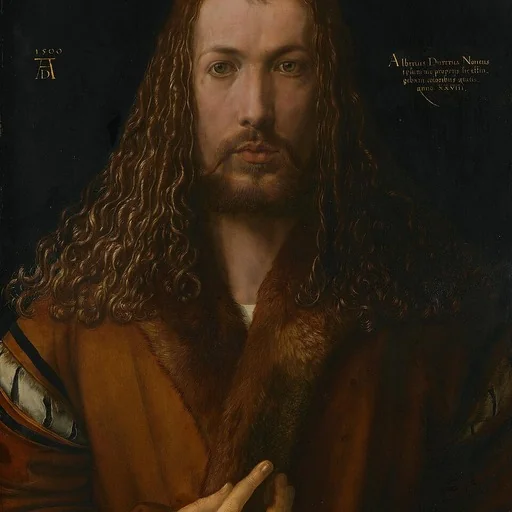
Albrecht Dürer spent his life in Nuremberg, a busy German city where artists traded prints like currency.

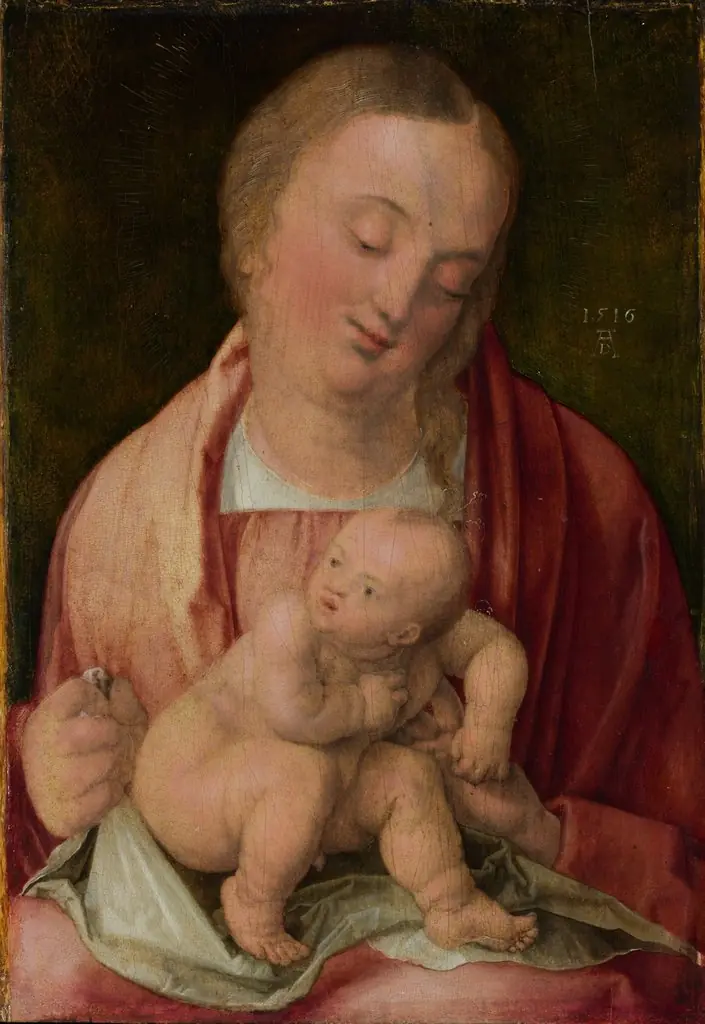
![Madonna and Child [obverse], by Albrecht Dürer](https://artifactworldgallery.com/img/albrecht-durer--madonna-and-child-obverse--d7b8ebf05d22ebe5-w320.webp)
![Lot and His Daughters [reverse], by Albrecht Dürer](https://artifactworldgallery.com/img/albrecht-durer--lot-and-his-daughters-reverse--b4ebf9b282faa17a-w320.webp)
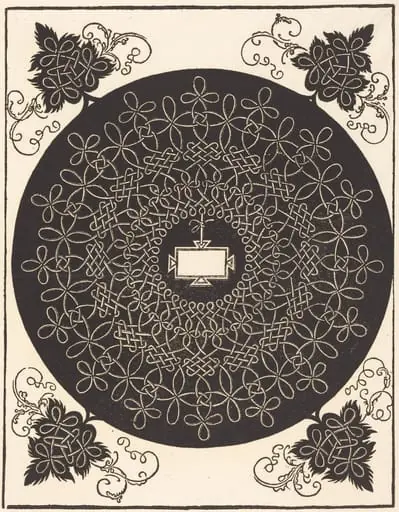 The Second Knot (with an oblong tablet)
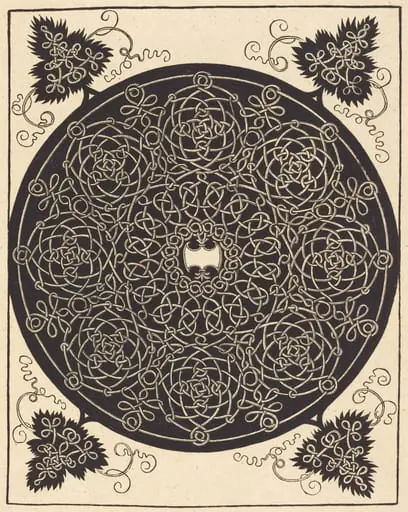 The Fifth Knot (with a six-pointed white shield)
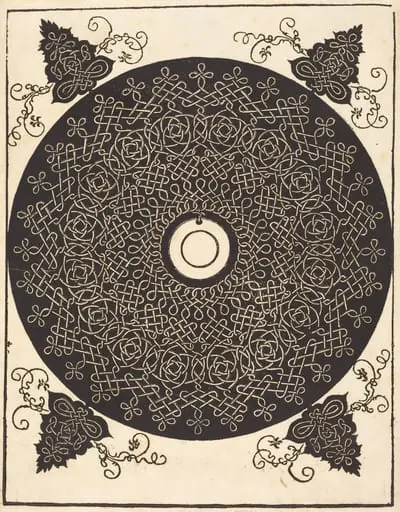 The Third Knot (with a black circle on a white medallion)
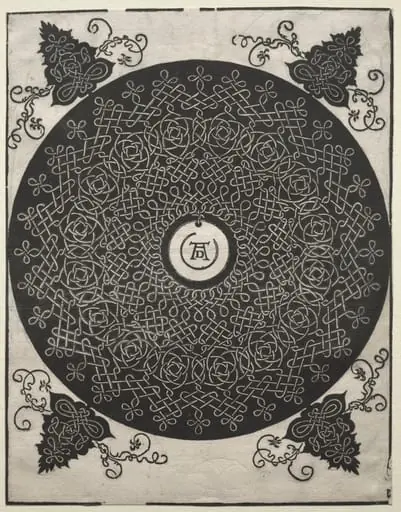 Third Knot
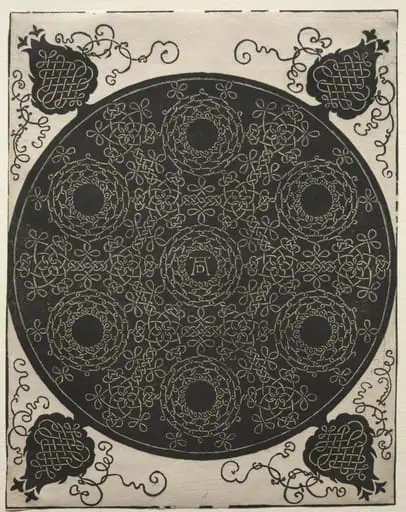 Fourth Knot
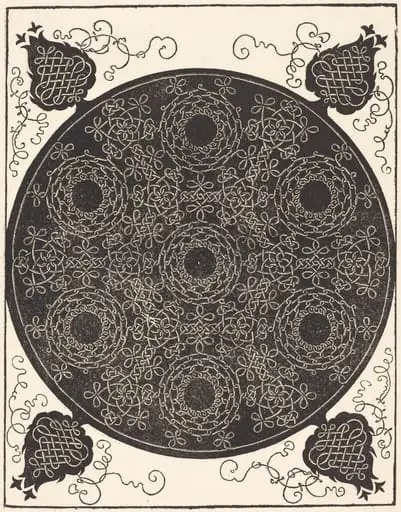 The Fourth Knot (combining seven circular groups of knots with black centers)
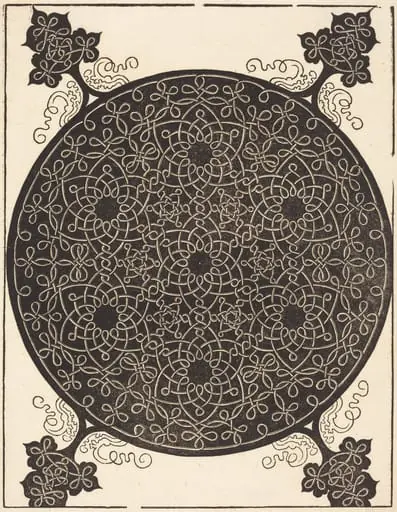 The Sixth Knot (combining seven small systems of knots with black centers)
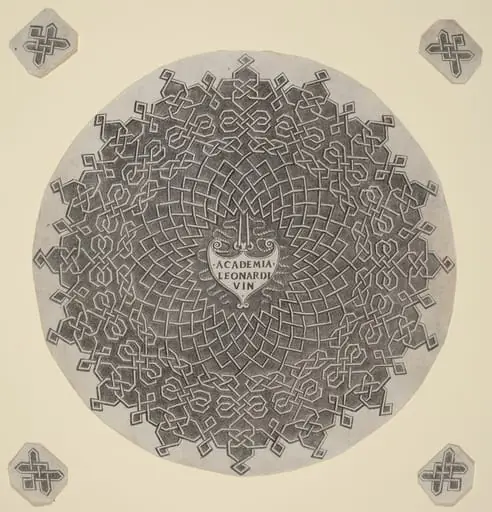 First Knot