Artwork
The Third Knot (with a black circle on a white medallion)
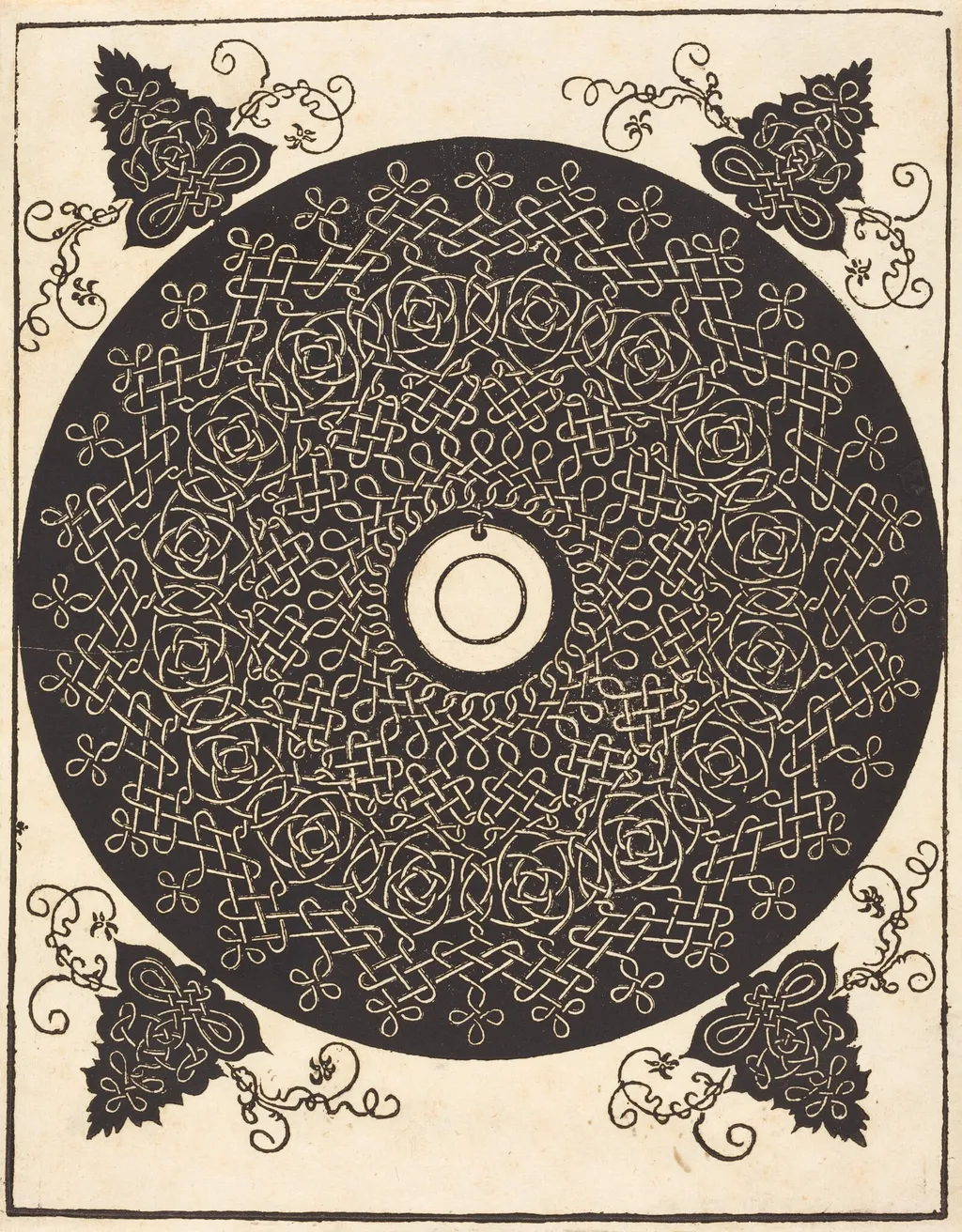
The Third Knot (with a black circle on a white medallion) is an ink print by the Northern Renaissance artist Albrecht Dürer. It dates from 1506 and is held in the collection of the National Gallery of Art.
About this work
Overview
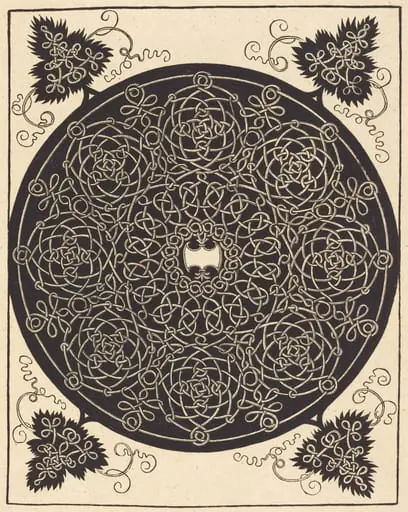
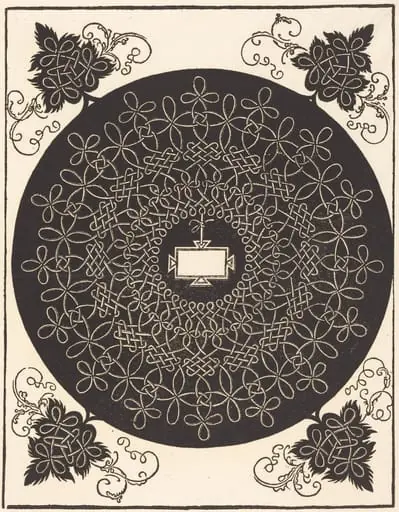
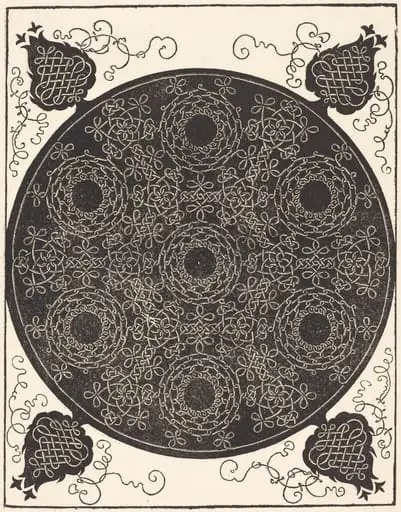
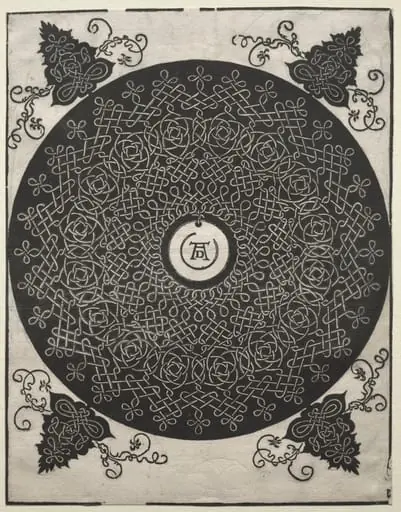
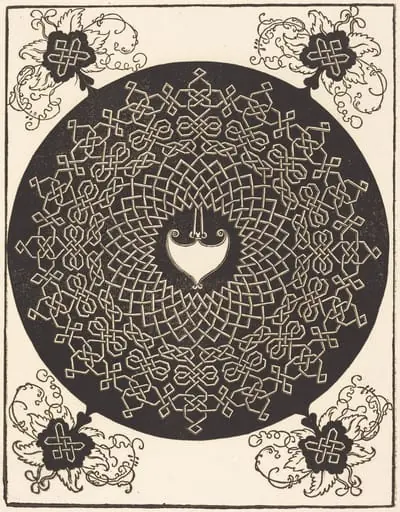
Created around 1506, this woodcut by Albrecht Dürer features a central black circular form with a white circular void at its core.
Created around 1506, this woodcut by Albrecht Dürer features a central black circular form with a white circular void at its core. The design is composed of fine, interwoven lines that generate a dense, knot-like structure. Surrounding the central motif is a delicate border of stylized foliage, enhancing the sense of intricate craftsmanship. The print relies on contrast and precision rather than color, characteristic of Dürer’s approach to relief printing.
Subject & Meaning
The central knot, enclosed within a medallion, suggests themes of continuity, complexity, or spiritual entanglement. While no explicit narrative is present, the form evokes medieval and Renaissance symbols of eternity and interconnectedness. The white center may imply a void or transcendence, contrasting with the dense, woven periphery. The ambiguity invites contemplation rather than literal interpretation.
Technique & Style
Executed as a woodcut, the image was carved into a wooden block, with raised areas inked and pressed onto paper. Dürer’s precision in carving thin, flowing lines demonstrates mastery of the medium. The composition balances complexity with clarity, using only black ink on white paper to achieve depth and rhythm. The style reflects Northern Renaissance attention to detail and structural harmony.
History & Provenance
The work dates to Dürer’s mature period, following his travels to Italy and exposure to classical motifs. It likely originated as part of a series of small, decorative prints intended for collectors. No definitive early ownership records survive, but similar woodcuts from this time were circulated among humanist circles in Nuremberg and beyond, valued for their technical refinement.
Context
In early 16th-century Germany, woodcuts served both religious and secular purposes, often used in books or as standalone images. Dürer elevated the medium through technical innovation and intellectual depth. This piece aligns with contemporary interest in geometric symbolism and ornamental design, reflecting broader Renaissance fascination with order, mathematics, and hidden meaning in form.
Legacy
The print exemplifies how Dürer transformed woodcut from a reproductive craft into a vehicle for artistic expression. Its intricate design influenced later engravers and designers interested in pattern and symbolism. Though not widely reproduced in his lifetime, it remains a quiet testament to his ability to convey complexity through minimal means, shaping perceptions of printmaking’s potential.
Artist & collection
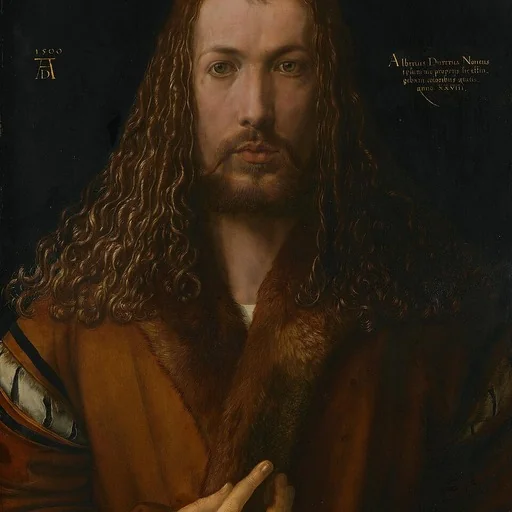
Artist
Albrecht Dürer spent his life in Nuremberg, a busy German city where artists traded prints like currency.

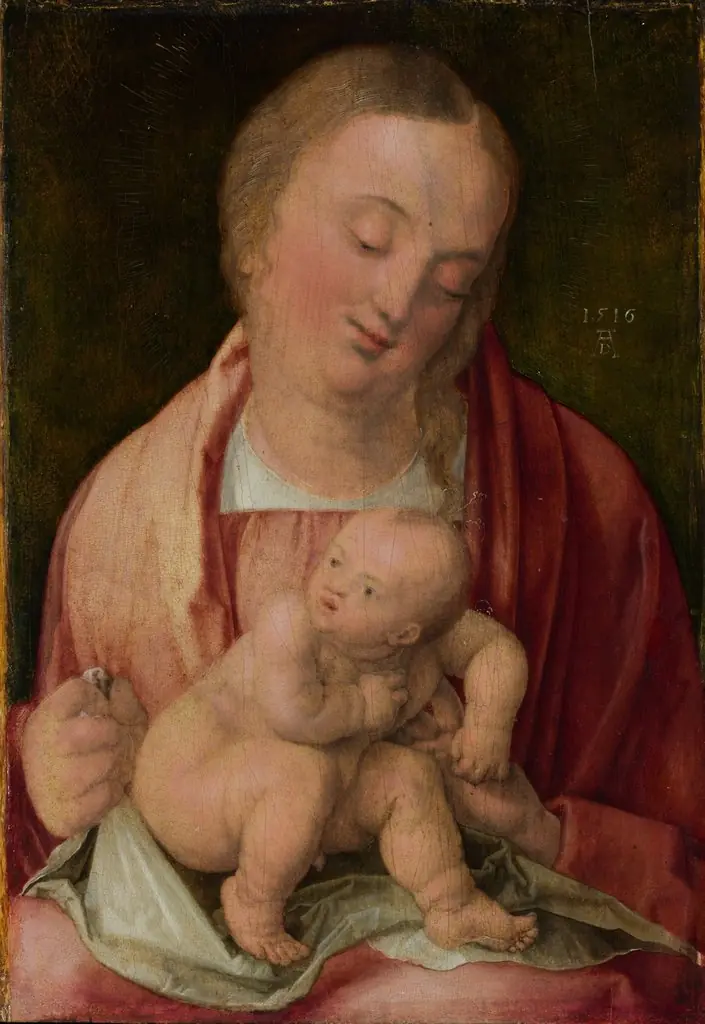
![Madonna and Child [obverse], by Albrecht Dürer](https://artifactworldgallery.com/img/albrecht-durer--madonna-and-child-obverse--d7b8ebf05d22ebe5-w320.webp)
![Lot and His Daughters [reverse], by Albrecht Dürer](https://artifactworldgallery.com/img/albrecht-durer--lot-and-his-daughters-reverse--b4ebf9b282faa17a-w320.webp)