Artwork
The Little Courier
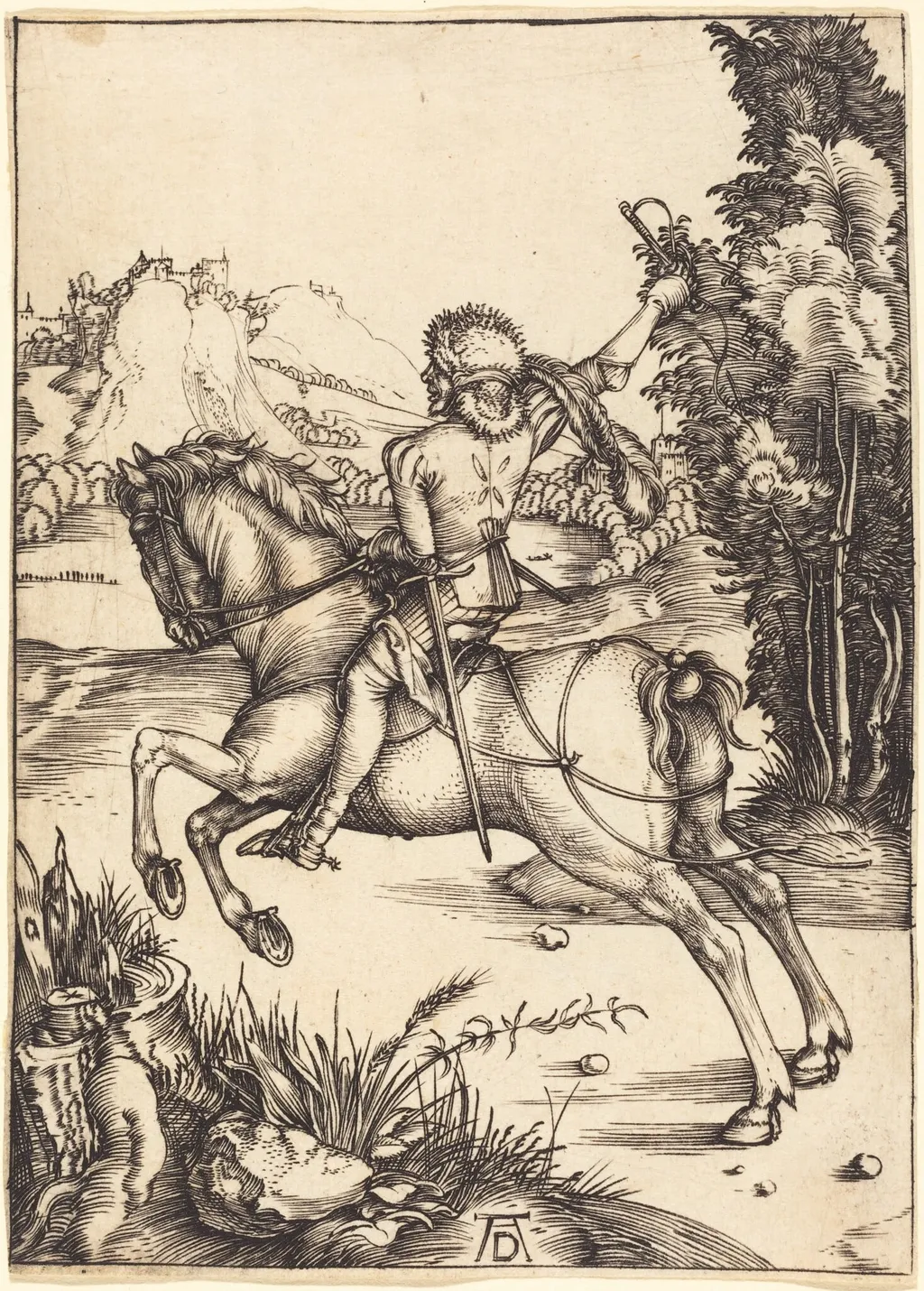
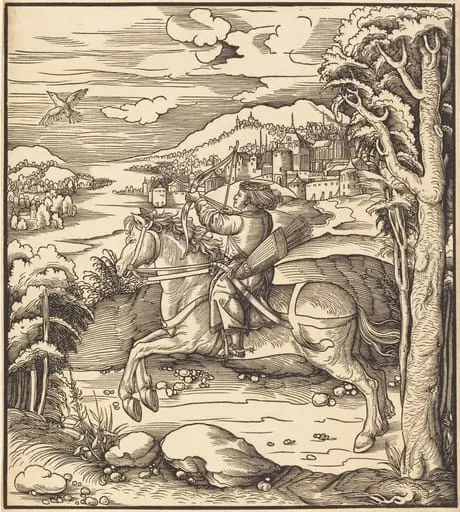
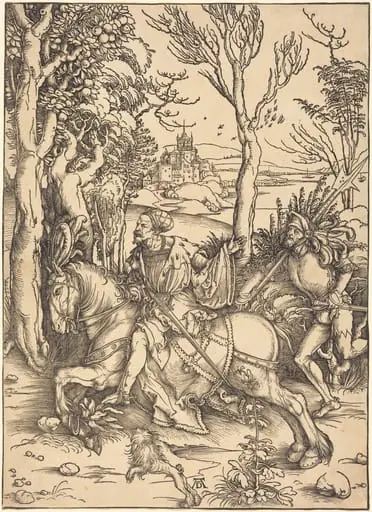
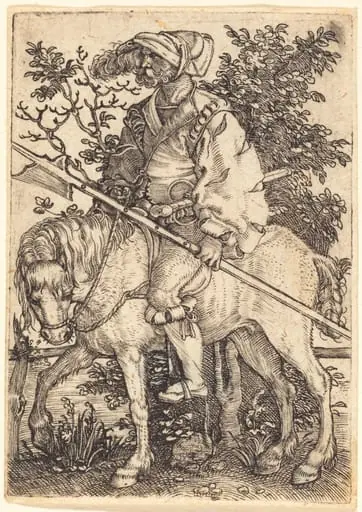
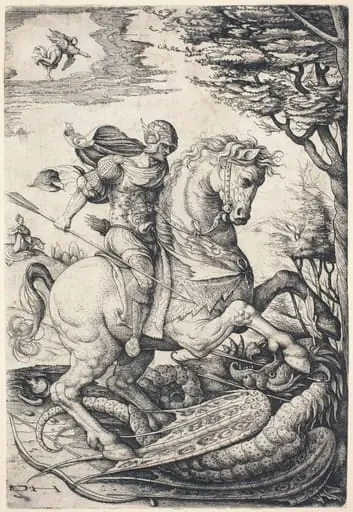
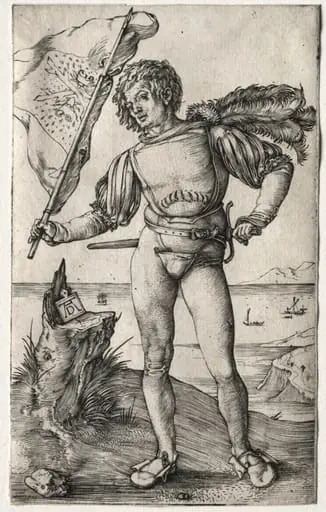
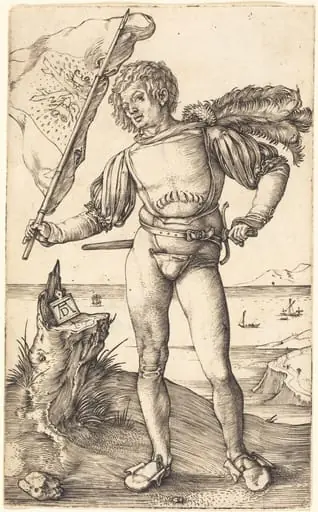
The Little Courier is an ink print by the Northern Renaissance artist Albrecht Dürer. It dates from 1496 and is held in the collection of the National Gallery of Art.
About this work
Overview
Albrecht Dürer’s engraving The Little Courier, dated around 1496, is a black‑and‑white print executed on laid paper. The image is part of the National Gallery of Art’s collection in Washington, D.C. It presents a dramatic, narrative scene rendered entirely with line and tone, typical of Dürer’s early print work.
Subject & Meaning
The composition depicts a rider clinging to a rearing horse as they charge through a storm‑laden landscape. In the distance a town is ablaze, and a faint, spectral figure hovers above the turmoil. The title suggests the rider functions as a messenger, conveying urgency amid disaster, a theme often explored in late‑medieval visual storytelling.
Technique & Style
Dürer employed a burin to incise fine, intersecting lines that model the horse’s musculature and the rider’s garments, creating a convincing sense of volume. The use of cross‑hatching and stippling produces varied tonal values, allowing the artist to suggest texture, atmosphere, and depth within the constraints of a single‑color medium.
History & Provenance
Created near the end of Dürer’s apprenticeship, The Little Courier is among his early engravings that demonstrate his mastery of the medium. The print entered the National Gallery of Art’s holdings in the 20th century, where it remains on display as an example of Northern Renaissance printmaking and Dürer’s developing narrative skill.
Artist & collection
Artist
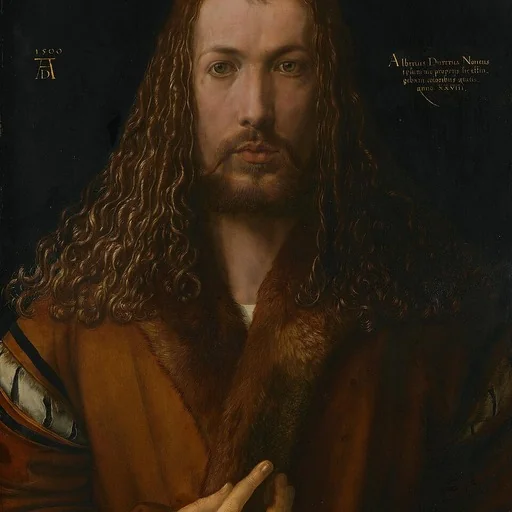
Albrecht Dürer spent his life in Nuremberg, a busy German city where artists traded prints like currency.

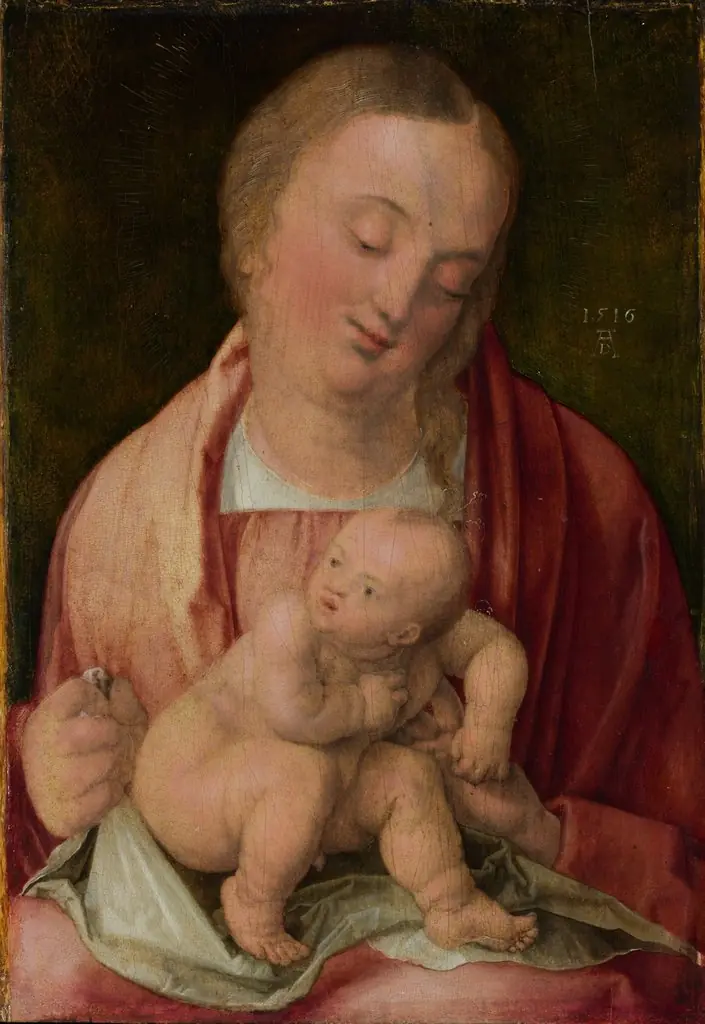
![Madonna and Child [obverse], by Albrecht Dürer](https://artifactworldgallery.com/img/albrecht-durer--madonna-and-child-obverse--d7b8ebf05d22ebe5-w320.webp)
![Lot and His Daughters [reverse], by Albrecht Dürer](https://artifactworldgallery.com/img/albrecht-durer--lot-and-his-daughters-reverse--b4ebf9b282faa17a-w320.webp)