Artwork
Sixth Knot
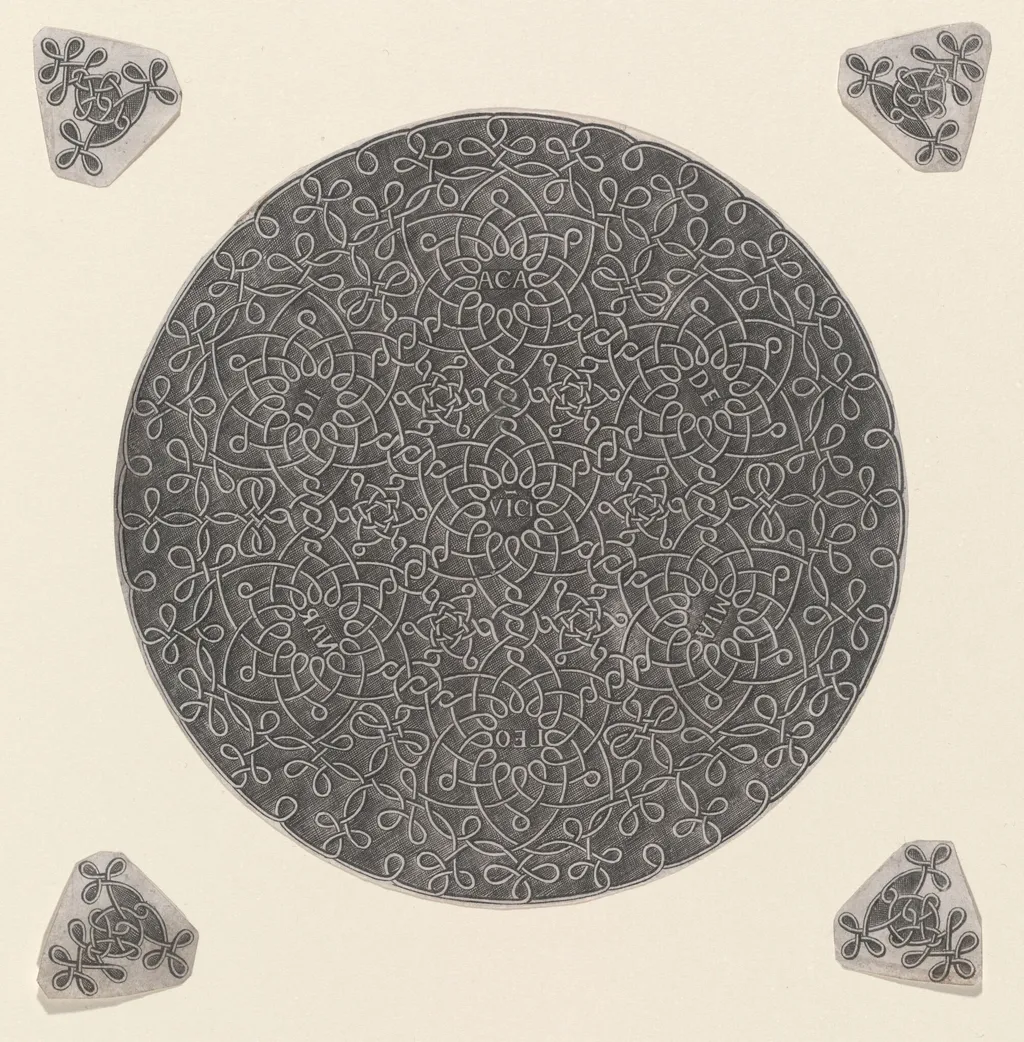
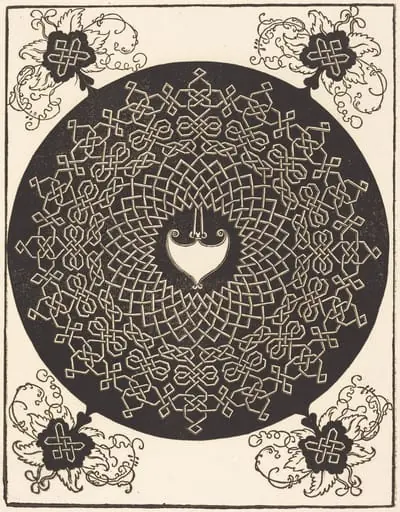
Sixth Knot is an ink print by the Renaissance artist Italian 15th Century. It dates from 1495 and is held in the collection of the National Gallery of Art.
About this work
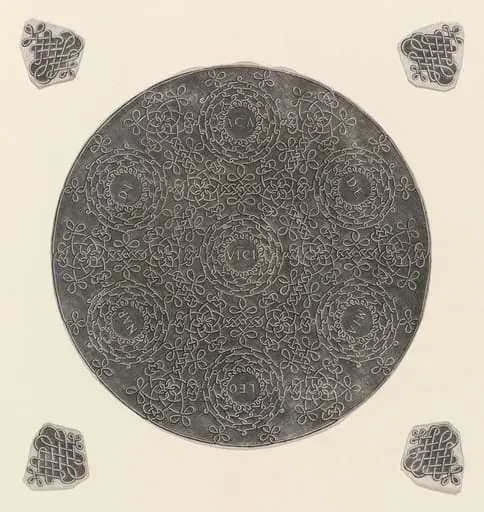
The engraving is surrounded by five small triangular pieces of paper, each with a similar design to the main circle.
The image shows a circular engraving with an intricate design of interconnected lines and shapes. The lines are thin and curved, forming a complex pattern that fills the entire circle. The background of the engraving is a light gray color, while the lines are a darker gray.
In the center of the circle, there is a small inscription that reads "VICO" and "MIA". The text is written in a flowing script and is difficult to read due to its small size.
The engraving is surrounded by five small triangular pieces of paper, each with a similar design to the main circle. The overall effect of the image is one of intricate detail and precision. To learn more about the artist behind this work, look up Italian 15th Century.
Overview
Sixth Knot is a circular engraving executed on laid paper, composed of a densely woven network of thin, curving lines that fill the entire disc. The design is rendered in dark gray against a lighter gray ground, creating a subtle tonal contrast. Five small triangular fragments, each bearing a miniature version of the central pattern, extend from the main circle, giving the work a fragmented, modular appearance.
Subject & Meaning
The central motif consists of interlaced geometric forms that suggest a knot or woven structure, a visual exploration of continuity and interconnection. Within the core of the design, the faint script "VICO" and "MIA" appears in a delicate hand, hinting at a possible dedication, signature, or cryptic reference, though its precise significance remains unclear.
Technique & Style
The piece was produced by cutting the five knot segments from a single sheet of laid paper and trimming the image to its final shape, indicating a meticulous hand‑cutting process combined with traditional engraving. The fine line work reflects a high level of precision typical of early modern printmaking, while the use of laid paper provides a textured surface that subtly influences the visual depth of the engraving.
History & Provenance
Specific details about the creator, date of execution, and ownership history of Sixth Knot are not documented in the available sources. The presence of the inscriptions "VICO" and "MIA" may offer clues for future research into the work's origin and previous collectors.
Context
The work belongs to a broader tradition of decorative knot and interlaced pattern designs that circulated in European print culture, often used as ornamental borders or as studies in linear complexity. Its modular construction and emphasis on geometric abstraction align it with the exploratory aesthetics of pattern books and mathematical illustrations of the period.
Artist & collection

Artist
This anonymous Italian engraver from the 1490s carved images that could be peeled apart like paper dolls—each knot in the "First Knot" print was cut from a single sheet so you could lift the loops right off the page.

![The Destruction of the Egyptian Idols [verso], by Italian 15th Century](https://artifactworldgallery.com/img/italian-15th-century--the-destruction-of-the-egyptian-idols-verso--646d3c2b8098cfee-w320.webp)
![The Flight into Egypt [recto], by Italian 15th Century](https://artifactworldgallery.com/img/italian-15th-century--the-flight-into-egypt-recto--8f4d5275d7f90f98-w320.webp)
 Fourth Knot
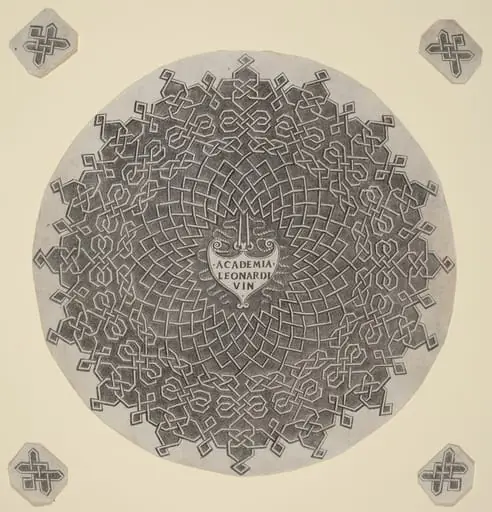 First Knot
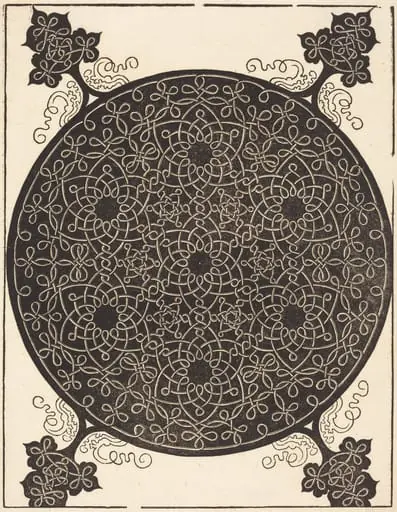 The Sixth Knot (combining seven small systems of knots with black centers)
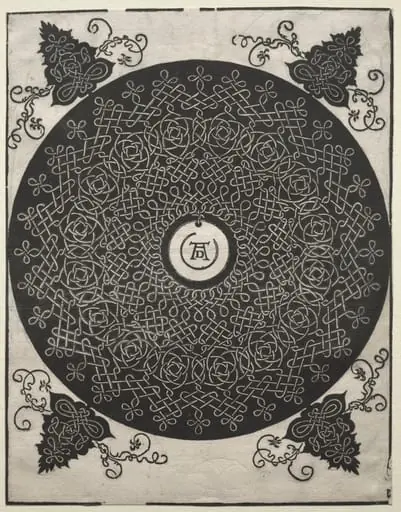 Third Knot
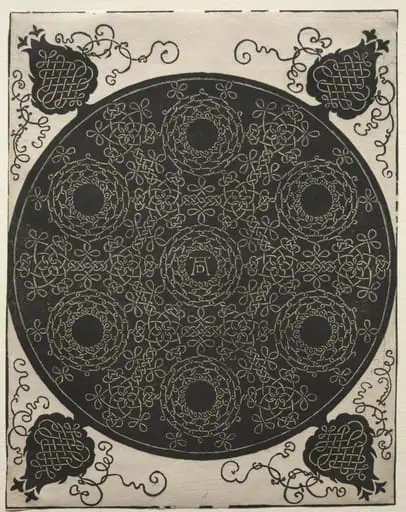 Fourth Knot
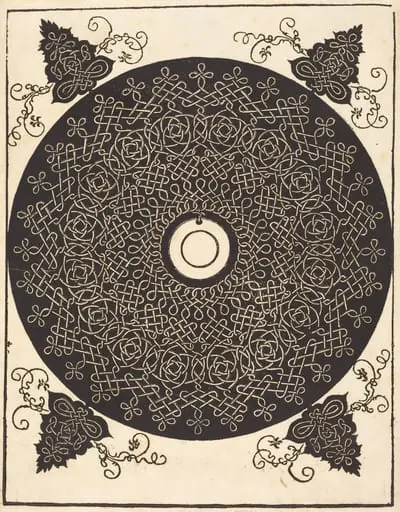 The Third Knot (with a black circle on a white medallion)
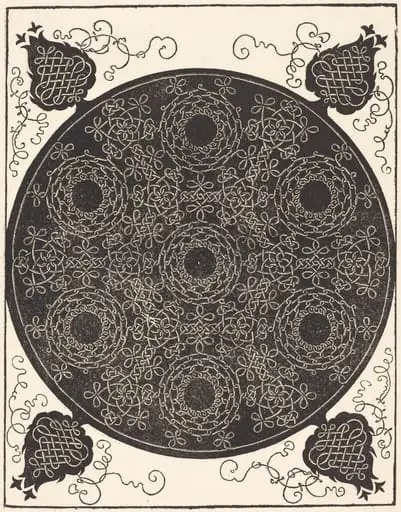 The Fourth Knot (combining seven circular groups of knots with black centers)
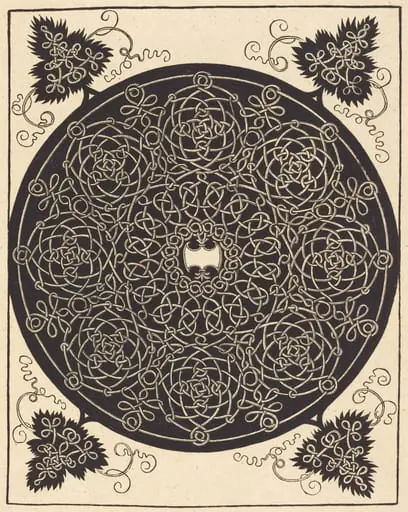 The Fifth Knot (with a six-pointed white shield)
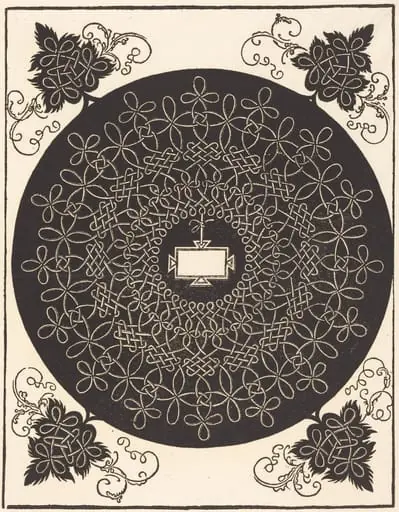 The Second Knot (with an oblong tablet)
 The First Knot (with a heart-shaped shield)