Artwork
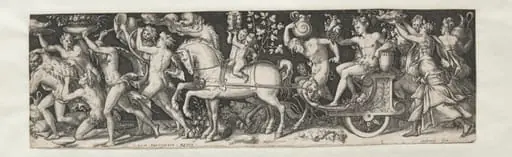
The Triumphal Chariot of Maximilian I (The Great Triumphal Car) [plate 5 of 8]
![The Triumphal Chariot of Maximilian I (The Great Triumphal Car) [plate 5 of 8], by Albrecht Dürer, ink, 1523](https://artifactworldgallery.com/img/albrecht-durer--the-triumphal-chariot-of-maximilian-i-the-great-triumphal-ca--9e04416abdc764bf-w1024.webp)
The Triumphal Chariot of Maximilian I (The Great Triumphal Car) [plate 5 of 8] is an ink print by the Northern Renaissance artist Albrecht Dürer. It dates from 1523 and is held in the collection of the National Gallery of Art. Created in 1523, this woodcut is the fifth of eight plates in a monumental series commissioned by Emperor Maximilian I.
About this work
Albrecht Dürer’s 1513 woodcut shows a massive, carved chariot rolling past rows of foot soldiers.
Albrecht Dürer’s 1513 woodcut shows a massive, carved chariot rolling past rows of foot soldiers. The wheels are bigger than the houses. Tiny knights perch on the roof like toy soldiers.
Dürer designed this for Emperor Maximilian I’s fake victory parade. He never carved it himself—specialists cut the wood from his exact drawings. The print was so big it took eight separate sheets glued together.
Look for Dürer’s monogram in the bottom border.
Overview
Created in 1523, this woodcut is the fifth of eight plates in a monumental series commissioned by Emperor Maximilian I. Designed by Albrecht Dürer, the work was produced by skilled craftsmen who translated his detailed drawings into carved woodblocks. The final print, assembled from eight joined sheets, measures over two meters in length, reflecting the scale of its imperial ambition.
Subject & Meaning
The image portrays an elaborate, fantastical chariot meant to symbolize Maximilian’s authority and legacy. It is not a real vehicle but a ceremonial construct, adorned with heraldic motifs and attended by miniature figures of soldiers and courtiers. The chariot’s exaggerated proportions and ornate design serve as a visual metaphor for imperial power, not a literal representation of any historical event.
Technique & Style
Dürer employed fine, precise lines to render intricate details across the entire composition, from the chariot’s architectural elements to the tiny figures lining its path. The woodcut technique allowed for sharp contrasts and dense patterning, characteristic of his draftsmanship. Though he did not carve the blocks himself, his drawings dictated every contour, ensuring artistic control over the final output.
History & Provenance
Commissioned by Maximilian I as part of a larger propaganda project, the series was intended to immortalize his reign through printed imagery. Production began years before his death in 1519, and the plates were published posthumously in 1523. The prints were distributed to nobility and institutions, reinforcing imperial prestige through accessible, reproducible art.
Context
This work emerged during a period when printmaking was becoming a tool for political messaging across Europe. Dürer’s collaboration with imperial patrons reflected the growing intersection of art, power, and technology. The Triumphal Car was part of a broader effort to construct a visual mythology around Maximilian’s rule, blending historical reference with allegorical grandeur.
Legacy
The series established a new standard for large-scale printed imagery in Northern Europe. Its technical ambition and narrative scope influenced later propagandistic prints and illustrated histories. Dürer’s monogram, discreetly placed in the border, became a mark of authorship in an era when workshop production often obscured individual contribution.
Artist & collection
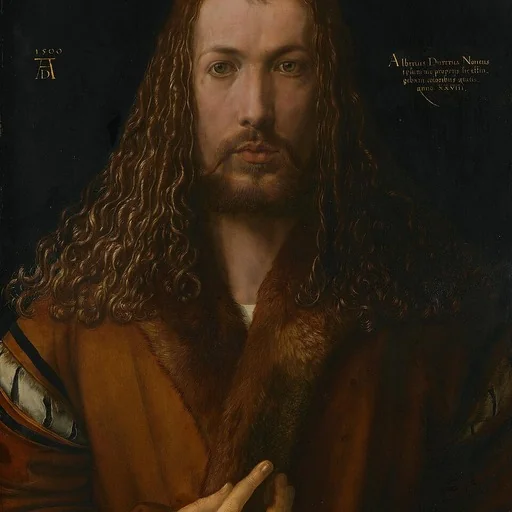
Artist
Albrecht Dürer spent his life in Nuremberg, a busy German city where artists traded prints like currency.

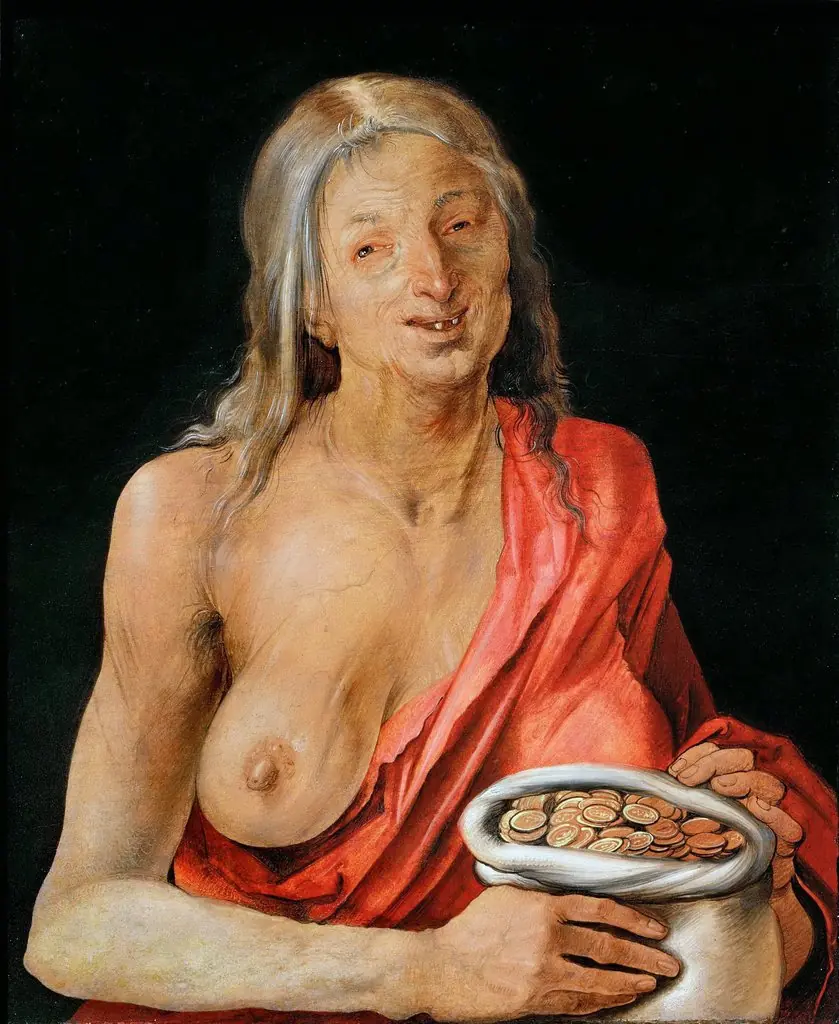
![Madonna and Child [obverse], by Albrecht Dürer](https://artifactworldgallery.com/img/albrecht-durer--madonna-and-child-obverse--d7b8ebf05d22ebe5-w320.webp)
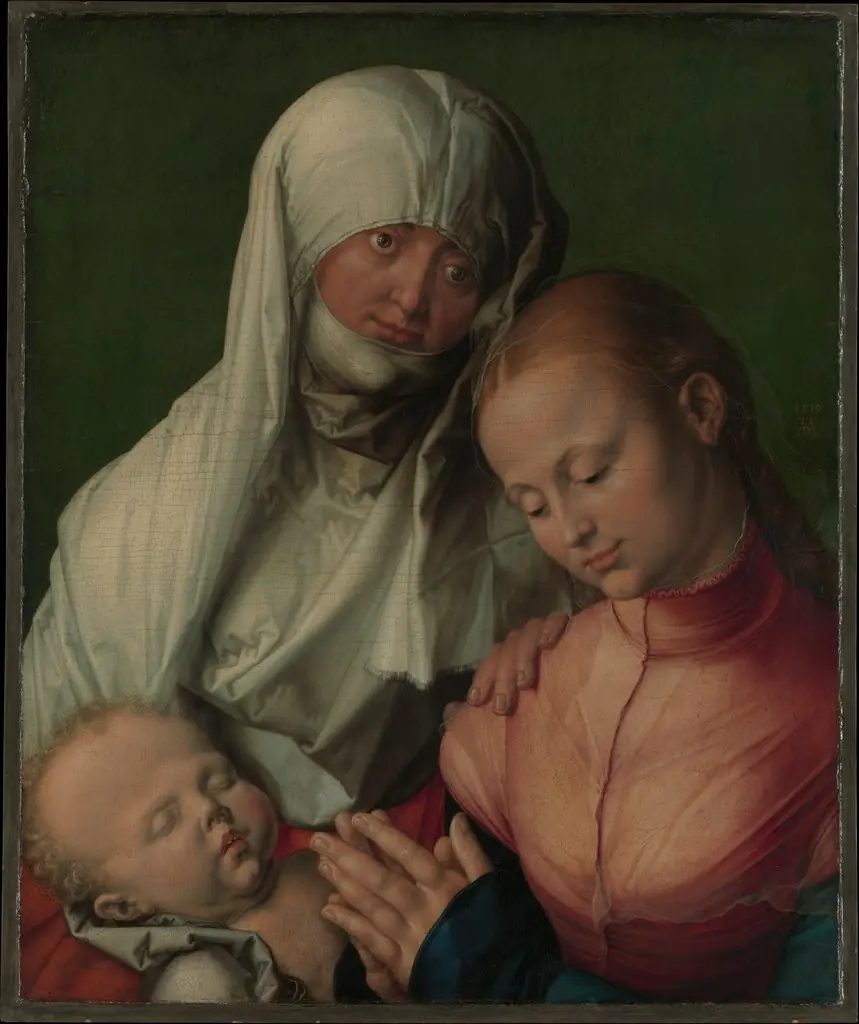
![Lot and His Daughters [reverse], by Albrecht Dürer](https://artifactworldgallery.com/img/albrecht-durer--lot-and-his-daughters-reverse--b4ebf9b282faa17a-w320.webp)
![The Triumphal Chariot of Maximilian I (The Great Triumphal Car) [plate 8 of 8], by Albrecht Dürer](https://artifactworldgallery.com/img/albrecht-durer--the-triumphal-chariot-of-maximilian-i-the-great-triumphal-ca--11b447e67d8ede54-w320.webp) The Triumphal Chariot of Maximilian I (The Great Triumphal Car) [plate 8 of 8]
The Triumphal Chariot of Maximilian I (The Great Triumphal Car) [plate 8 of 8]![The Triumphal Chariot of Maximilian I (The Great Triumphal Car) [plate 6 of 8], by Albrecht Dürer](https://artifactworldgallery.com/img/albrecht-durer--the-triumphal-chariot-of-maximilian-i-the-great-triumphal-ca--8007a16762e7f7f8-w320.webp) The Triumphal Chariot of Maximilian I (The Great Triumphal Car) [plate 6 of 8]
The Triumphal Chariot of Maximilian I (The Great Triumphal Car) [plate 6 of 8]![The Triumphal Chariot of Maximilian I (The Great Triumphal Car) [plate 4 of 8], by Albrecht Dürer](https://artifactworldgallery.com/img/albrecht-durer--the-triumphal-chariot-of-maximilian-i-the-great-triumphal-ca--c3101b959fdb629d-w320.webp) The Triumphal Chariot of Maximilian I (The Great Triumphal Car) [plate 4 of 8]
The Triumphal Chariot of Maximilian I (The Great Triumphal Car) [plate 4 of 8]![The Triumphal Chariot of Maximilian I (The Great Triumphal Car) [plate 1 of 8], by Albrecht Dürer](https://artifactworldgallery.com/img/albrecht-durer--the-triumphal-chariot-of-maximilian-i-the-great-triumphal-ca--4840429519ebb12d-w320.webp) The Triumphal Chariot of Maximilian I (The Great Triumphal Car) [plate 1 of 8]
The Triumphal Chariot of Maximilian I (The Great Triumphal Car) [plate 1 of 8]![The Triumphal Chariot of Maximilian I (The Great Triumphal Car) [plate 7 of 8], by Albrecht Dürer](https://artifactworldgallery.com/img/albrecht-durer--the-triumphal-chariot-of-maximilian-i-the-great-triumphal-ca--ca892ffdfd4d048f-w320.webp) The Triumphal Chariot of Maximilian I (The Great Triumphal Car) [plate 7 of 8]
The Triumphal Chariot of Maximilian I (The Great Triumphal Car) [plate 7 of 8]![The Triumphal Chariot of Maximilian I (The Great Triumphal Car) [plate 3 of 8], by Albrecht Dürer](https://artifactworldgallery.com/img/albrecht-durer--the-triumphal-chariot-of-maximilian-i-the-great-triumphal-ca--2a87fc011039500b-w320.webp) The Triumphal Chariot of Maximilian I (The Great Triumphal Car) [plate 3 of 8]
The Triumphal Chariot of Maximilian I (The Great Triumphal Car) [plate 3 of 8]![The Triumphal Chariot of Maximilian I (The Great Triumphal Car) [plate 2 of 8], by Albrecht Dürer](https://artifactworldgallery.com/img/albrecht-durer--the-triumphal-chariot-of-maximilian-i-the-great-triumphal-ca--7466f3f42f71a1a4-w320.webp) The Triumphal Chariot of Maximilian I (The Great Triumphal Car) [plate 2 of 8]
The Triumphal Chariot of Maximilian I (The Great Triumphal Car) [plate 2 of 8]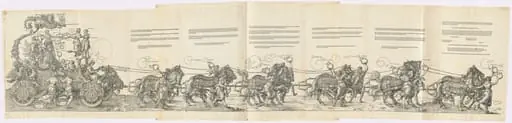 The Triumphal Chariot of Maximilian I (The Great Triumphal Car)
 Combats and Triumphs No. 5: The Triumph of Bacchus