Artwork
Portret de bărbat
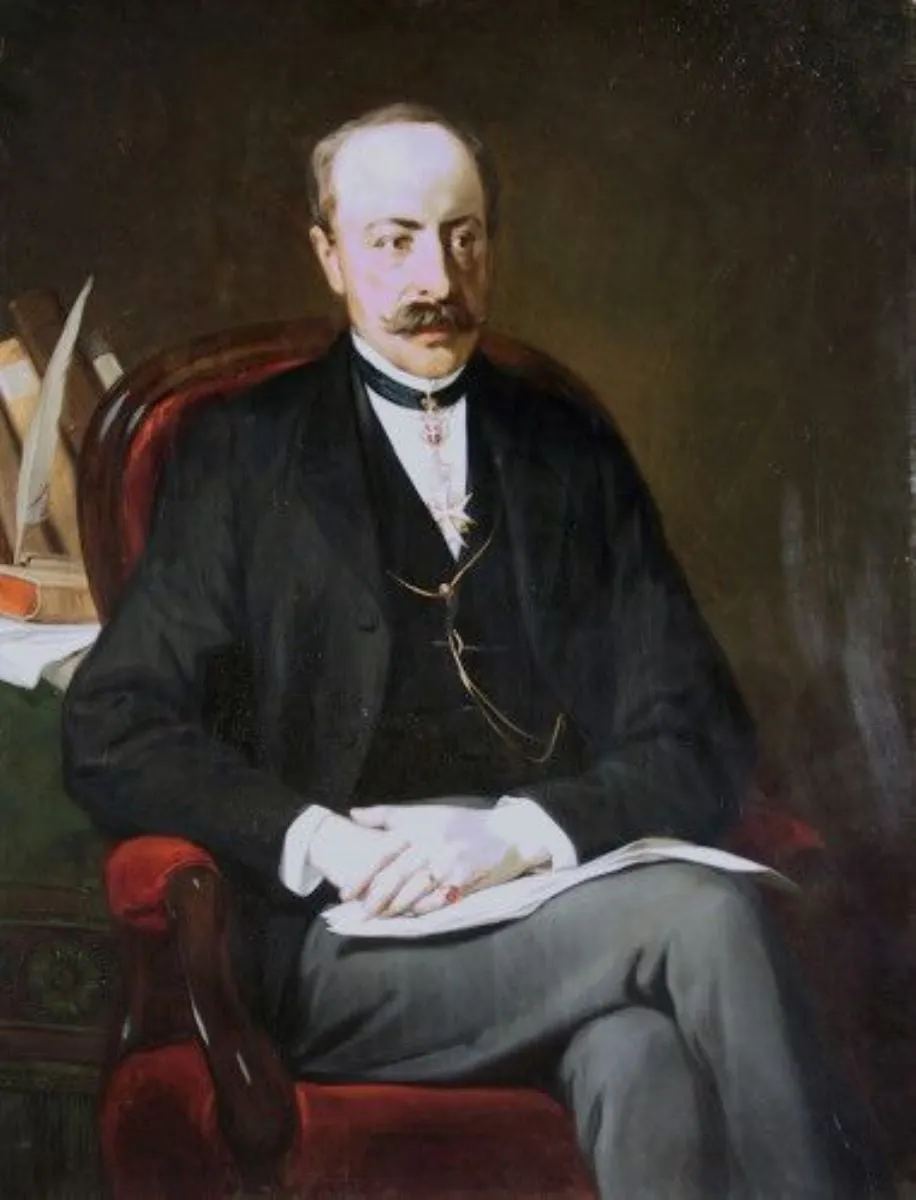
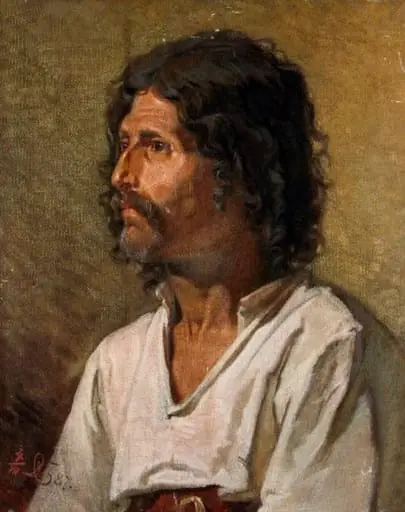
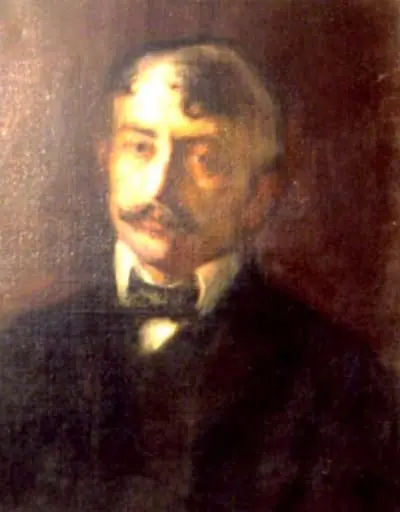
Portret de bărbat is an unspecified painting by Carl Dörschlag. It dates from 1882 and is held in the collection of the Brukenthal National Museum.
About this work
Overview
The composition emphasizes the subject’s presence through controlled lighting and restrained detail, focusing attention on his posture and facial expression.
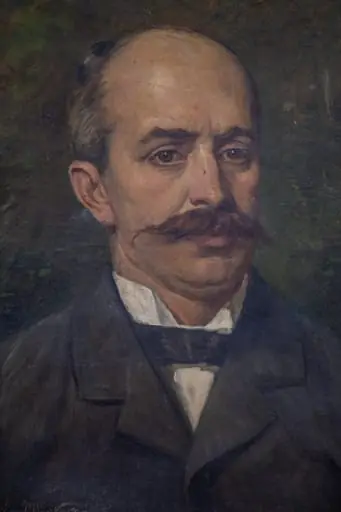
Portret de bărbat is a portrait painted around 1882 by Carl Dörschlag. It depicts a seated man in a dark suit, positioned before a deep, muted background. The composition emphasizes the subject’s presence through controlled lighting and restrained detail, focusing attention on his posture and facial expression. The painting’s quiet intensity reflects 19th-century conventions of bourgeois portraiture.
Subject & Meaning
The man, dressed formally in a dark suit, holds a white cloth in one hand and wears a star-shaped pin on his lapel, suggesting possible civic or military affiliation. His expression is composed, neither overtly emotive nor detached. The cloth may imply ritual, cleanliness, or a gesture of restraint. The absence of context or setting invites interpretation centered on personal dignity rather than social status.
Technique & Style
Dörschlag employs subtle chiaroscuro to model the figure’s form, with soft gradations of light falling across the face, hands, and suit. The dark background enhances the three-dimensionality of the subject, while the texture of fabric and skin is rendered with delicate brushwork. A faint, ambiguous shape in the upper left corner introduces a note of mystery without disrupting the portrait’s solemn tone.
History & Provenance
The painting’s early history is undocumented, and its ownership prior to modern institutional records remains unclear. It has been attributed to Carl Dörschlag based on stylistic analysis and dated to approximately 1882. No exhibition history or contemporary references to the work have surfaced, suggesting it may have remained in private hands for much of its existence.
Context
Created during a period when academic portraiture dominated European art, the work aligns with traditions of psychological realism favored in Central and Eastern Europe. Unlike grand historical or allegorical scenes, this portrait reflects a quieter, more intimate mode of representation—concerned with individual presence rather than public narrative.
Legacy
Though not widely exhibited or reproduced, Portret de bărbat contributes to the understudied body of work by Carl Dörschlag, offering insight into regional portraiture practices of the late 19th century. Its restrained technique and ambiguous symbolism make it a quiet example of how personal identity was visually negotiated outside the mainstream art centers of the time.
Artist & collection

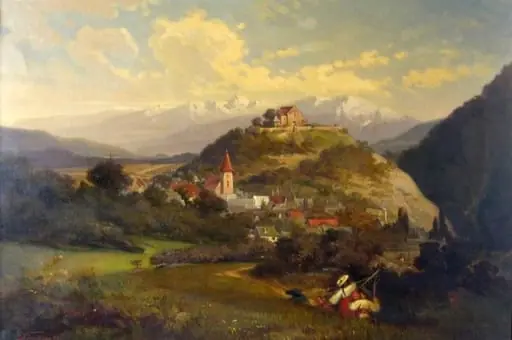
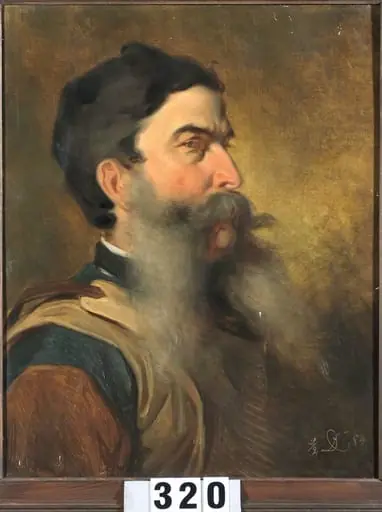
 Portret de bărbat
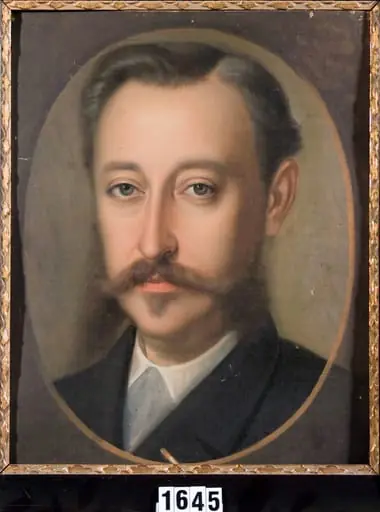 Portret de bărbat
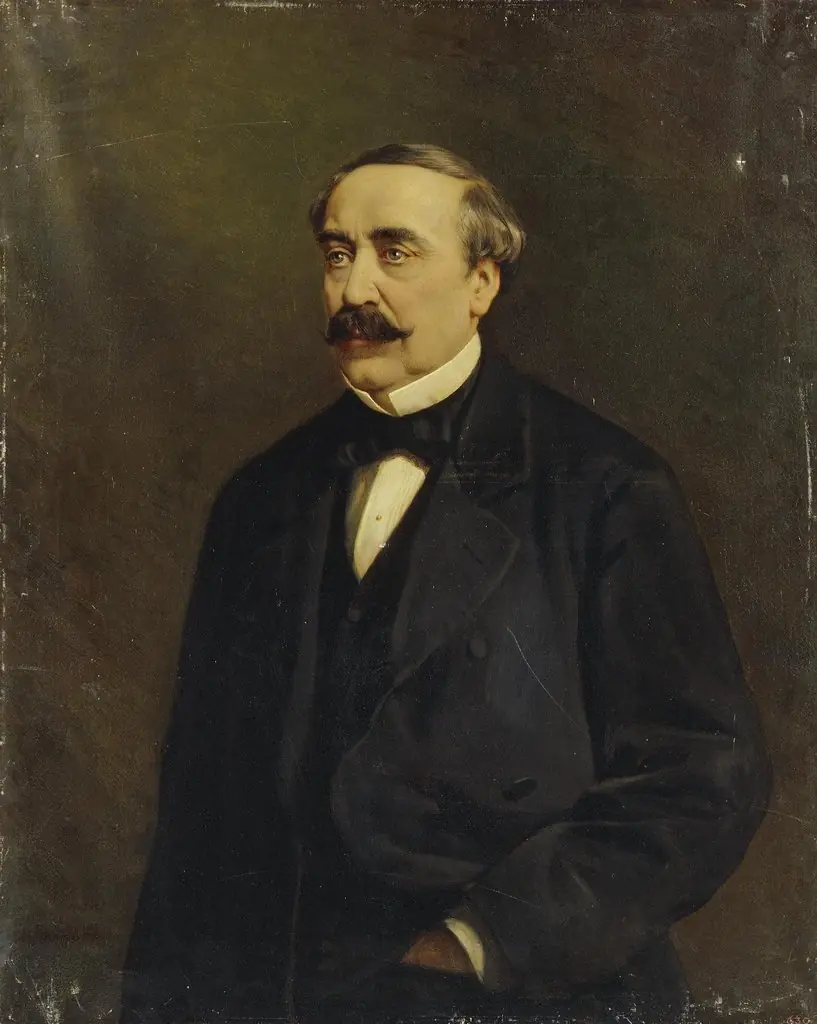 Portrait of the Mining Engineer Nikolay Teplov
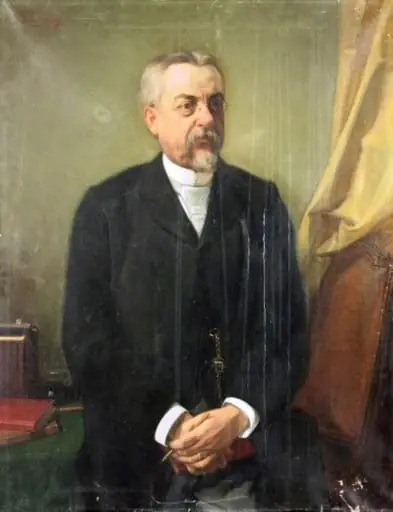 Dr. W. Brukner
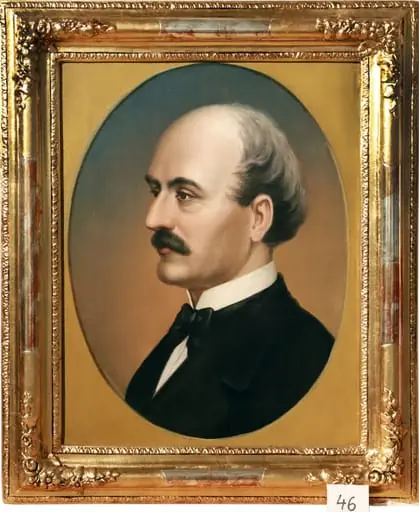 Vasile Alecsandri
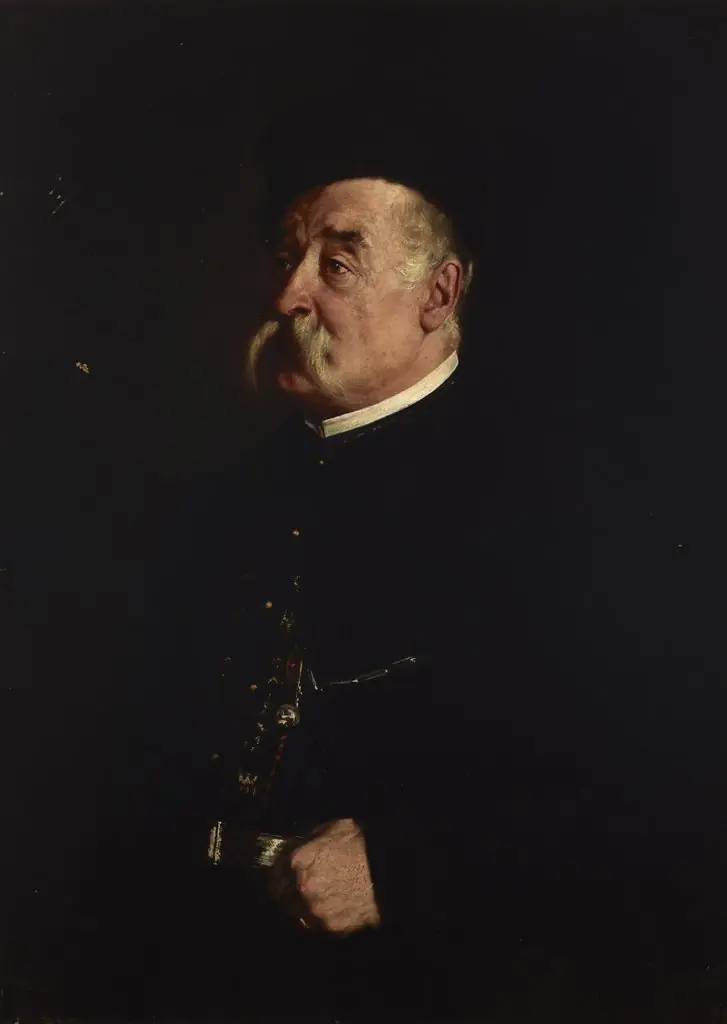 Portrait of Adam Wyleżyński
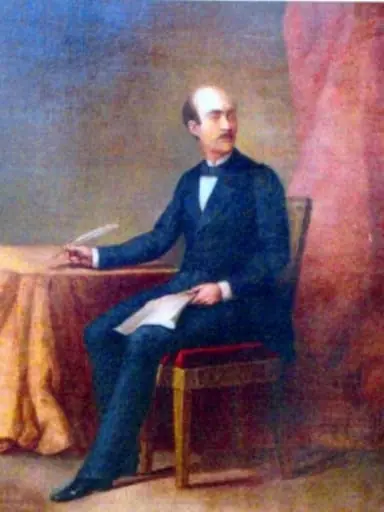 Vasile Alexandri
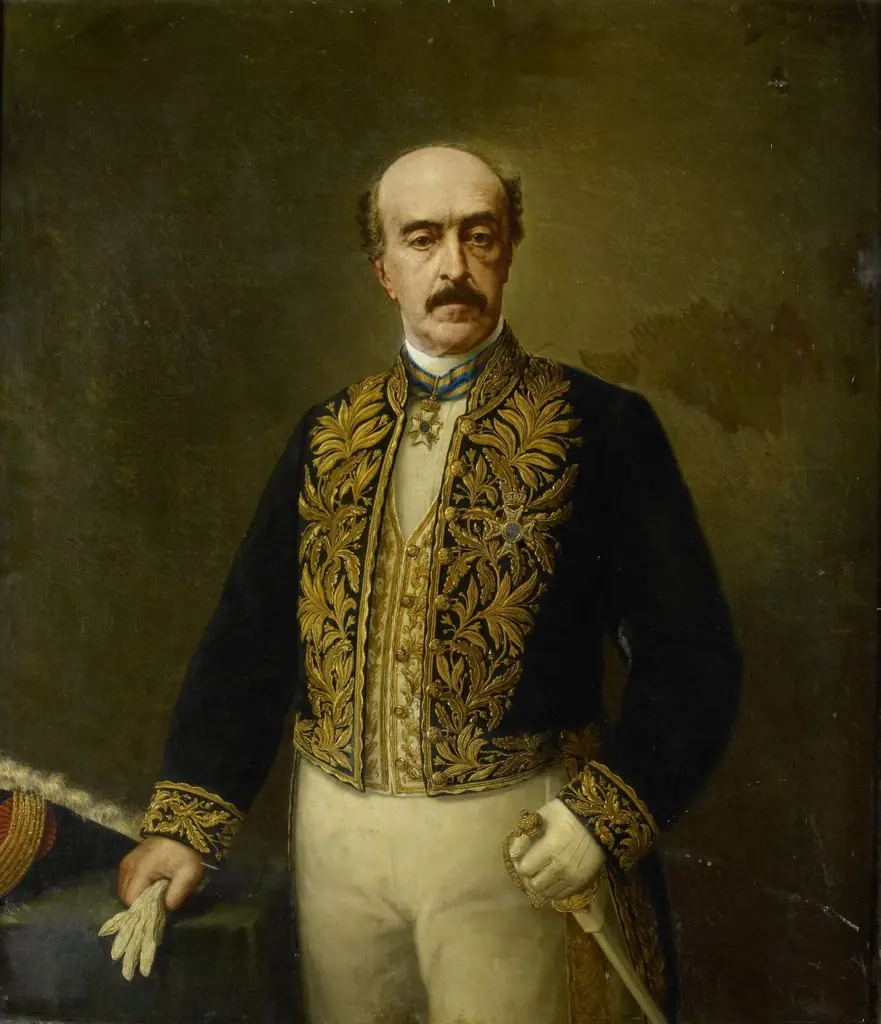 Otto van Rees (1823-92). Gouverneur-generaal (1884-88)
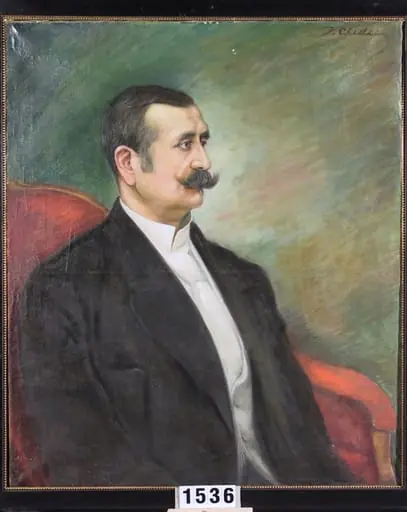 A. Bârseanu
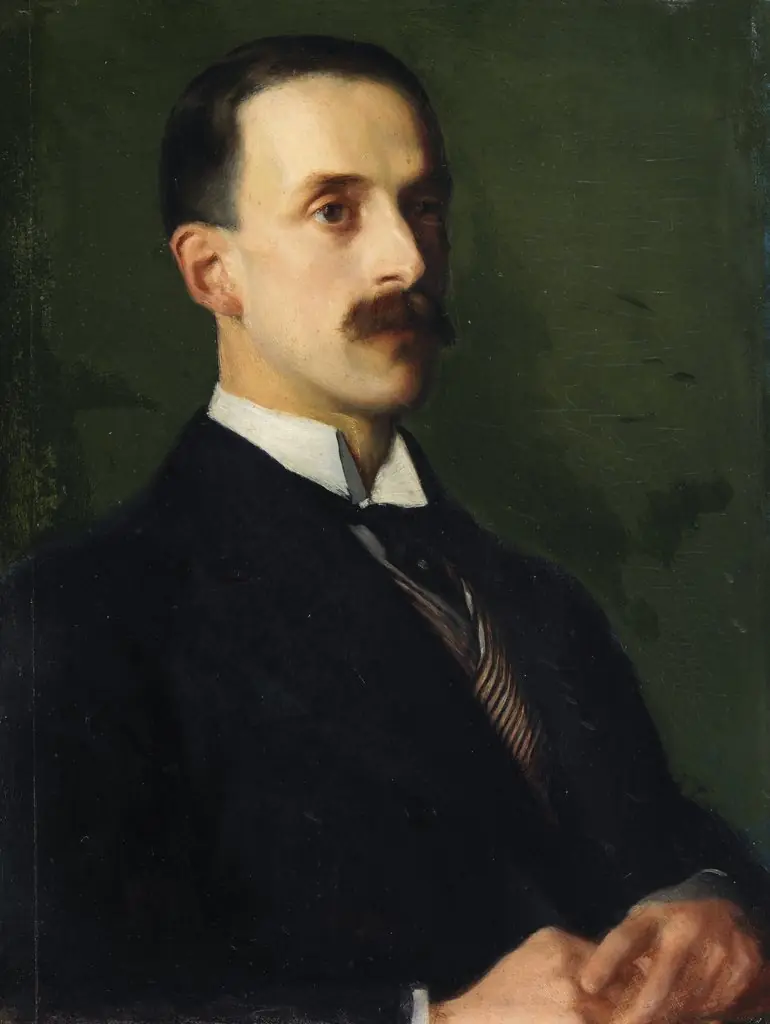 Portrait of Sir Hugh Lane (1865-1915), Director of the National Gallery of Ireland 1914-1915
 Janos Thorma
 Portrait of Count de Chauveau