Artwork
Portret de bărbat
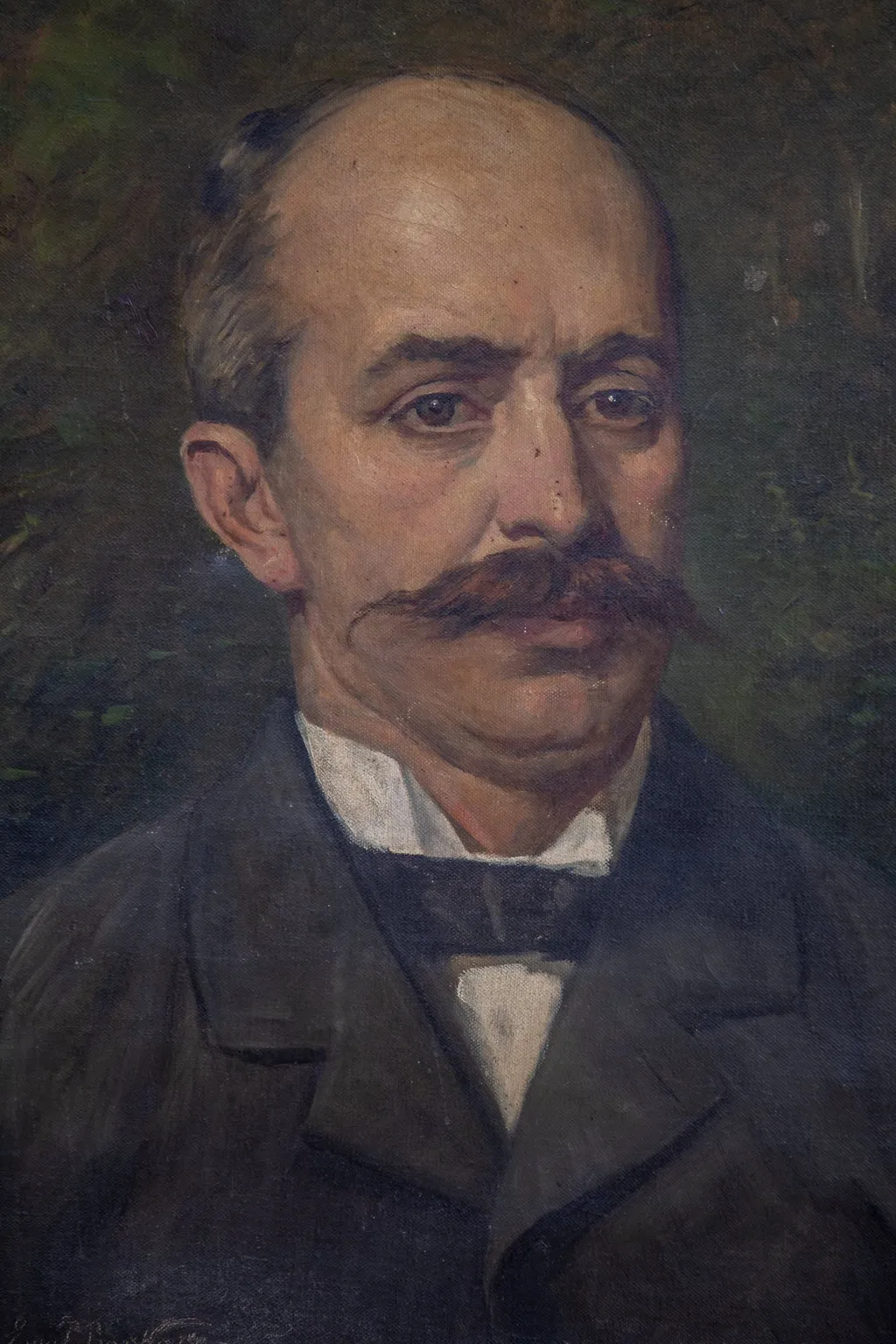
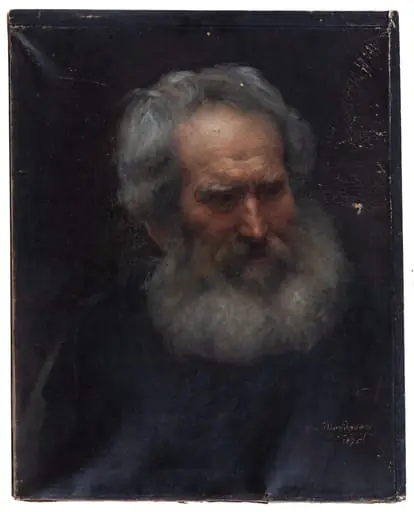
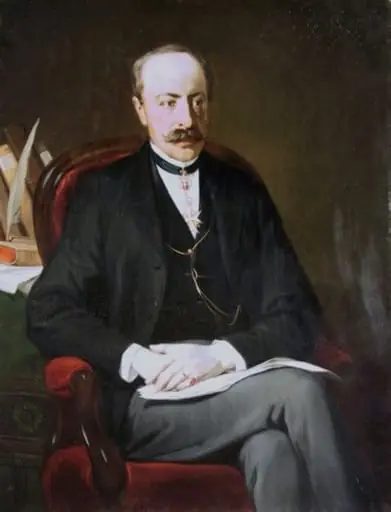
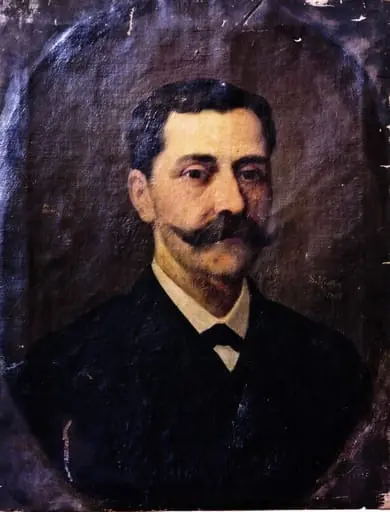
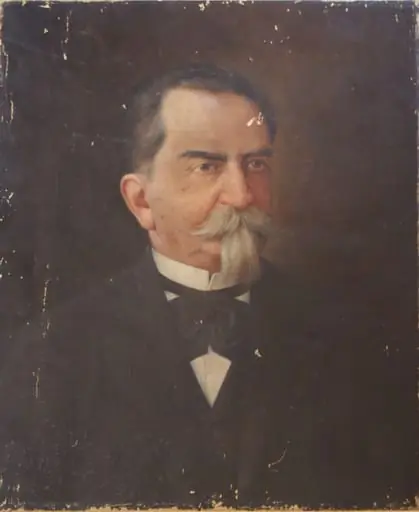
Portret de bărbat is a print by Bardasare P. Emanoil. It dates from 1892 and is held in the collection of the Moldova National Museum Complex. Painted around 1892 by Bardasare P.
About this work
Overview
Emanoil, this portrait presents a close-up view of an adult man, rendered with deliberate focus on facial expression and texture.
Painted around 1892 by Bardasare P. Emanoil, this portrait presents a close-up view of an adult man, rendered with deliberate focus on facial expression and texture. The composition eliminates extraneous detail, centering the viewer’s attention on the subject’s features. The dark, indistinct background enhances the immediacy of the figure, a common approach in late 19th-century portraiture seeking psychological presence over narrative context.
Subject & Meaning
The man depicted wears a formal dark suit with a white collar and bow tie, suggesting middle- or upper-class status. His bald head and full mustache convey a sense of maturity and gravitas. The serious, unsmiling expression invites contemplation rather than familiarity. There is no indication of occupation or identity, leaving the portrait open to interpretation as a study of character rather than a commemorative image.
Technique & Style
Emanoil employs thick, visible brushwork, particularly along the mustache and the edges of the suit, adding tactile depth. Strong directional lighting casts pronounced shadows across the face, emphasizing bone structure and texture. This use of chiaroscuro heightens the three-dimensionality of the subject and draws attention to the interplay of light and darkness, a technique rooted in Renaissance traditions but adapted here with a more immediate, almost impressionistic hand.
History & Provenance
The painting’s early ownership history is undocumented, and it has not been widely exhibited in major institutions. It remains within private collections, with no public record of exhibition prior to the late 20th century. Its survival suggests it was valued by its original patrons, though its limited public exposure has kept it outside mainstream art historical discourse.
Context
Created in the late 19th century, the portrait reflects a period when academic realism still dominated Eastern European portraiture, even as impressionism gained ground elsewhere. Emanoil’s work aligns with regional trends that prioritized dignified representation and technical precision. The absence of symbolic objects or settings indicates a shift toward psychological portraiture, focusing on the individual rather than social status markers.
Legacy
Though not widely reproduced or studied, the portrait stands as a representative example of Romanian academic portraiture from the fin de siècle. Its restrained composition and emphasis on facial expression reflect a broader European tendency to explore inner life through visual means. Emanoil’s approach, while not revolutionary, contributes to a quieter, more personal strand of 19th-century realism.
Own this work as a print
Artist & collection
Artist
Bardasare P. Emanoil painted rural scenes and portraits in late 19th-century Romania. His brush traced village life in works like Burdujenii cu Suceava și Munții Bucovinei and Hora de la Țuțora, while his etchings…