Artwork
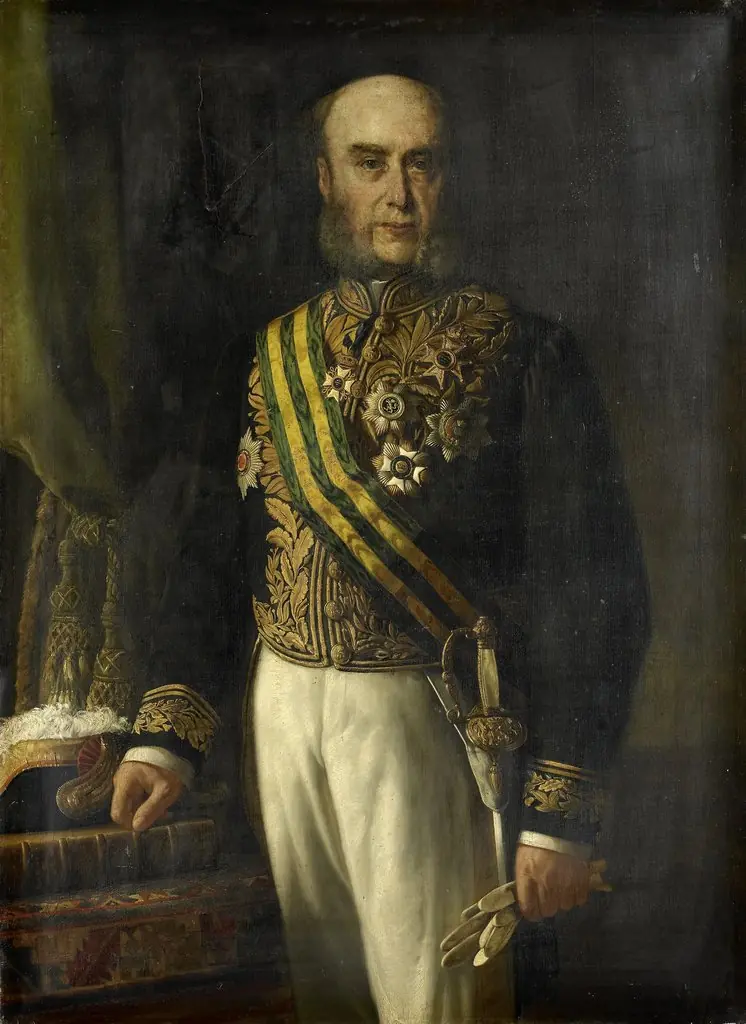
Otto van Rees (1823-92). Gouverneur-generaal (1884-88)
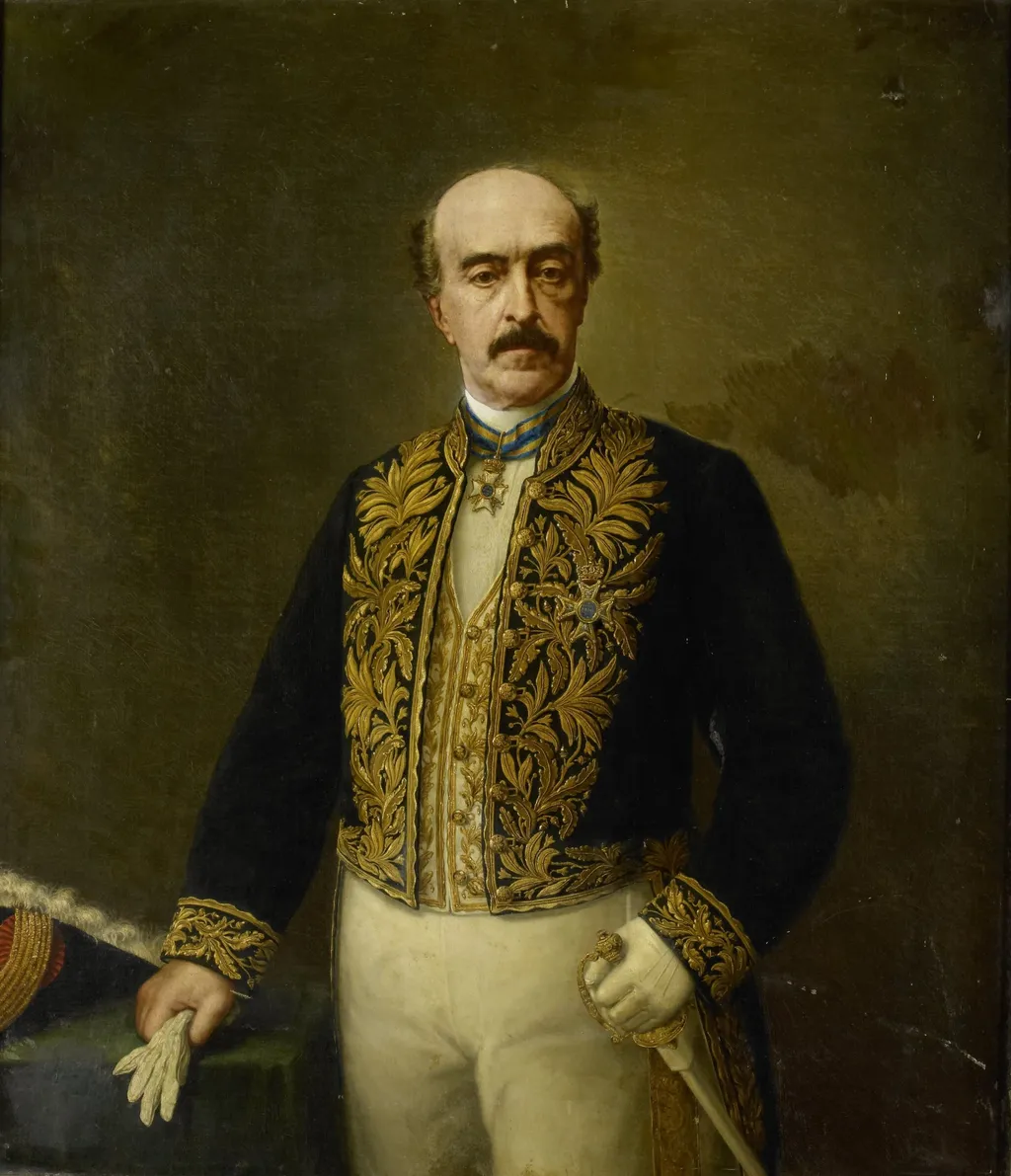
Otto van Rees (1823-92). Gouverneur-generaal (1884-88) is an oil painting. It dates from 1892 and is held in the collection of the Rijksmuseum. The oil painting portrays a formally dressed figure in an elaborate uniform, set against a dark backdrop.
About this work
The painting depicts a man in a formal, ornate uniform, standing in front of a dark background.
The painting depicts a man in a formal, ornate uniform, standing in front of a dark background. He is wearing a black jacket with gold embroidery and a white shirt with a high collar. His right hand rests on a table, while his left hand holds a sword.
The man's expression is serious, and his posture conveys a sense of confidence and authority. The uniform and sword suggest that he holds a position of power or importance.
This portrait is reminiscent of the work of the artist who painted Otto van Rees (1823-92). Gouverneur-generaal (1884-88).
Overview
The oil painting portrays a formally dressed figure in an elaborate uniform, set against a dark backdrop. He wears a black jacket adorned with gold embroidery, a high‑collared white shirt, and holds a sword in his left hand while his right hand rests on a table. The composition emphasizes his solemn expression and upright stance, suggesting authority.
Subject & Meaning
The sitter appears to be a high‑ranking official, indicated by the ornate military‑style attire and the presence of a sword, symbols of command and governance. His serious gaze and confident posture convey a sense of responsibility and power, typical of portraiture intended to affirm the individual’s status.
Technique & Style
Executed in oil, the work employs a limited palette of dark tones contrasted with the bright white of the shirt and the gleaming gold of the embroidery. The brushwork is precise in rendering the uniform’s details, while the background remains muted, focusing attention on the figure’s face and regalia.
History & Provenance
Created between 1884 and 1888, the painting belongs to the later period of the artist’s career. It reflects the conventions of official portraiture prevalent in the late nineteenth century, when such images were often commissioned to commemorate governmental or colonial appointments.
Context
During the 1880s, portraits of colonial governors and high officials were common in European art, serving both documentary and propagandistic purposes. The work aligns with this tradition, presenting the subject as a dignified representative of imperial authority.
Artist & collection

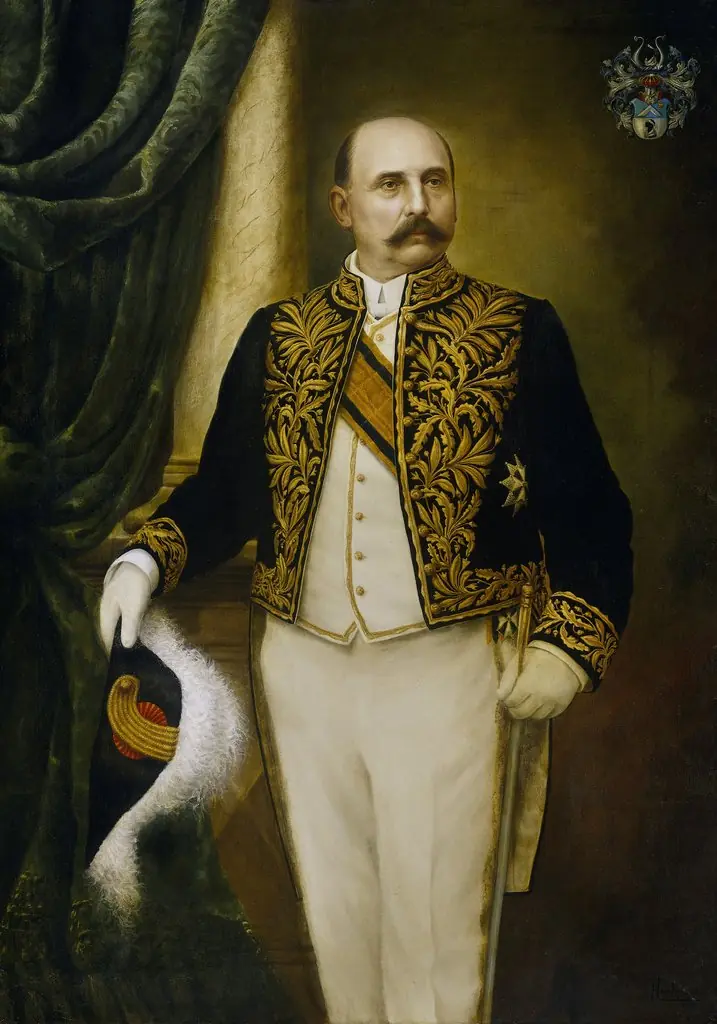 Johannes Benedictus van Heutsz (1851-1924). Gouverneur-generaal (1904-09)
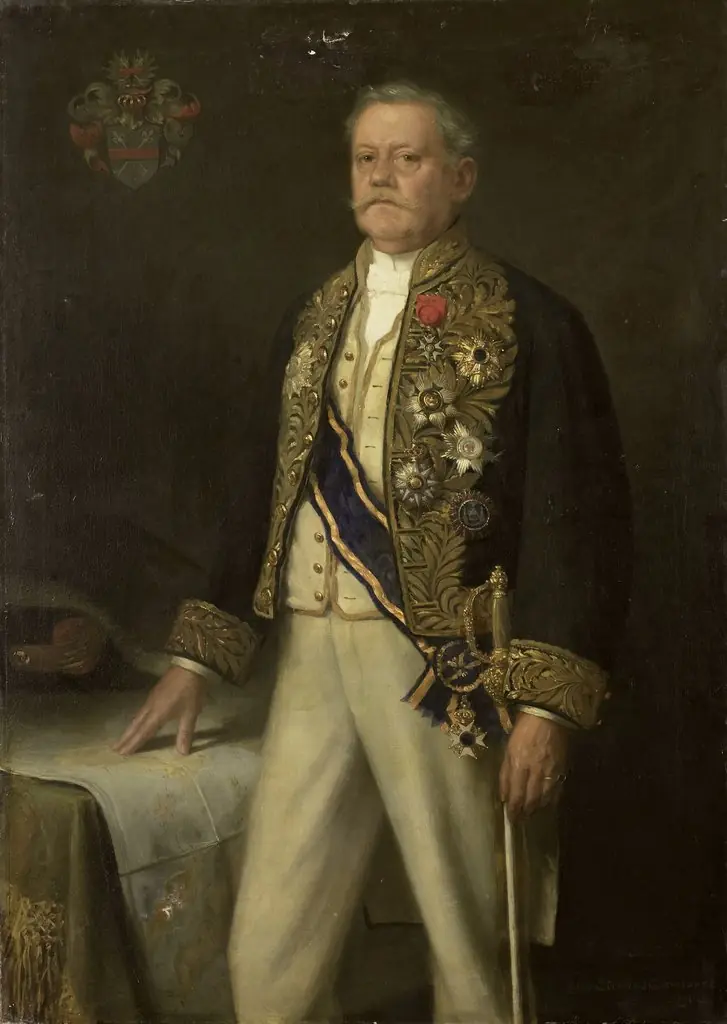 Carel Herman Aart van der Wijck (1840-1914). Gouverneur-generaal (1893-99)
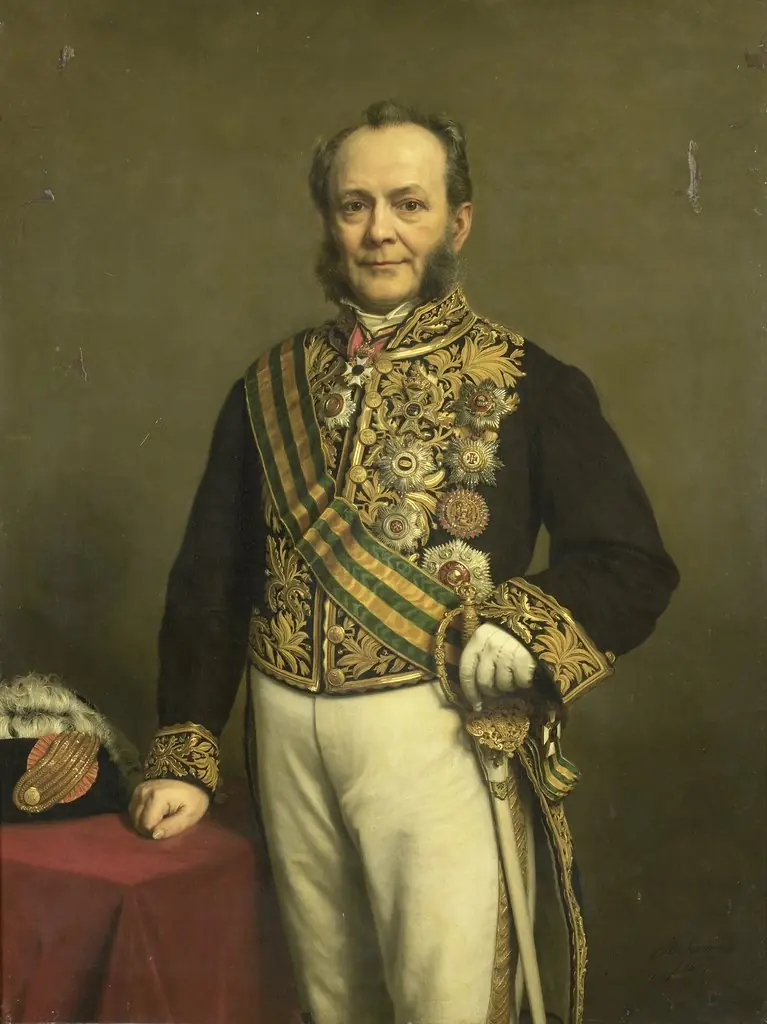 Pieter Mijer (1812-81). Gouverneur-generaal (1866-71)
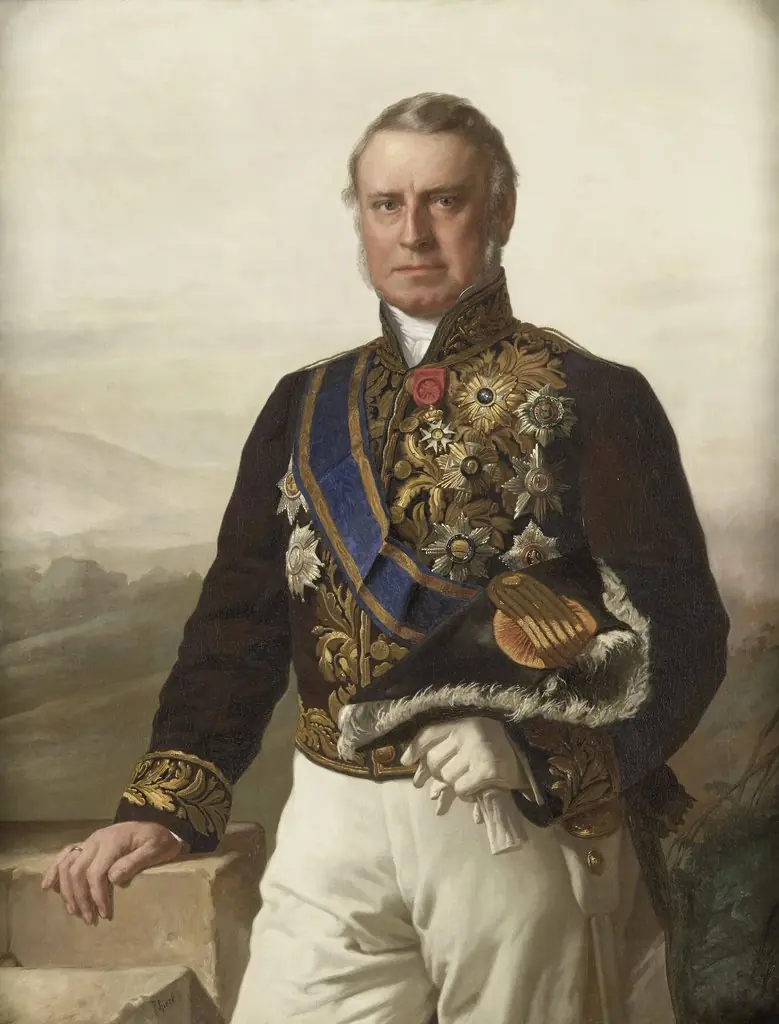 Charles Ferdinand Pahud (1803-73). Gouverneur-generaal (1855-61)
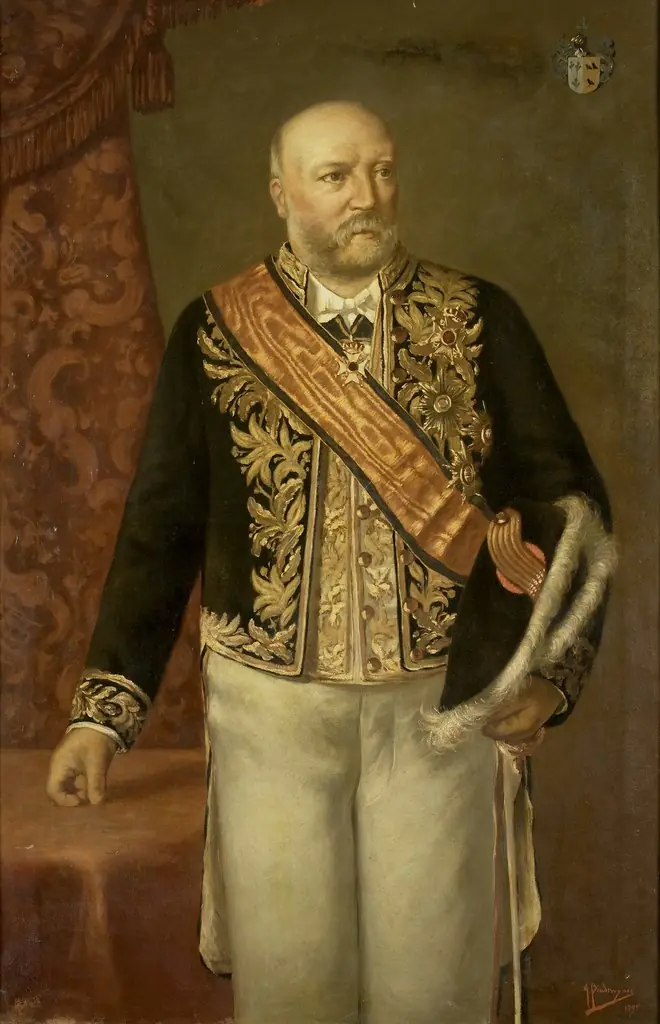 Cornelis Pijnacker Hordijk (1847-1908). Gouverneur-generaal (1888-93)