Artwork
Portret de bărbat cu barbă
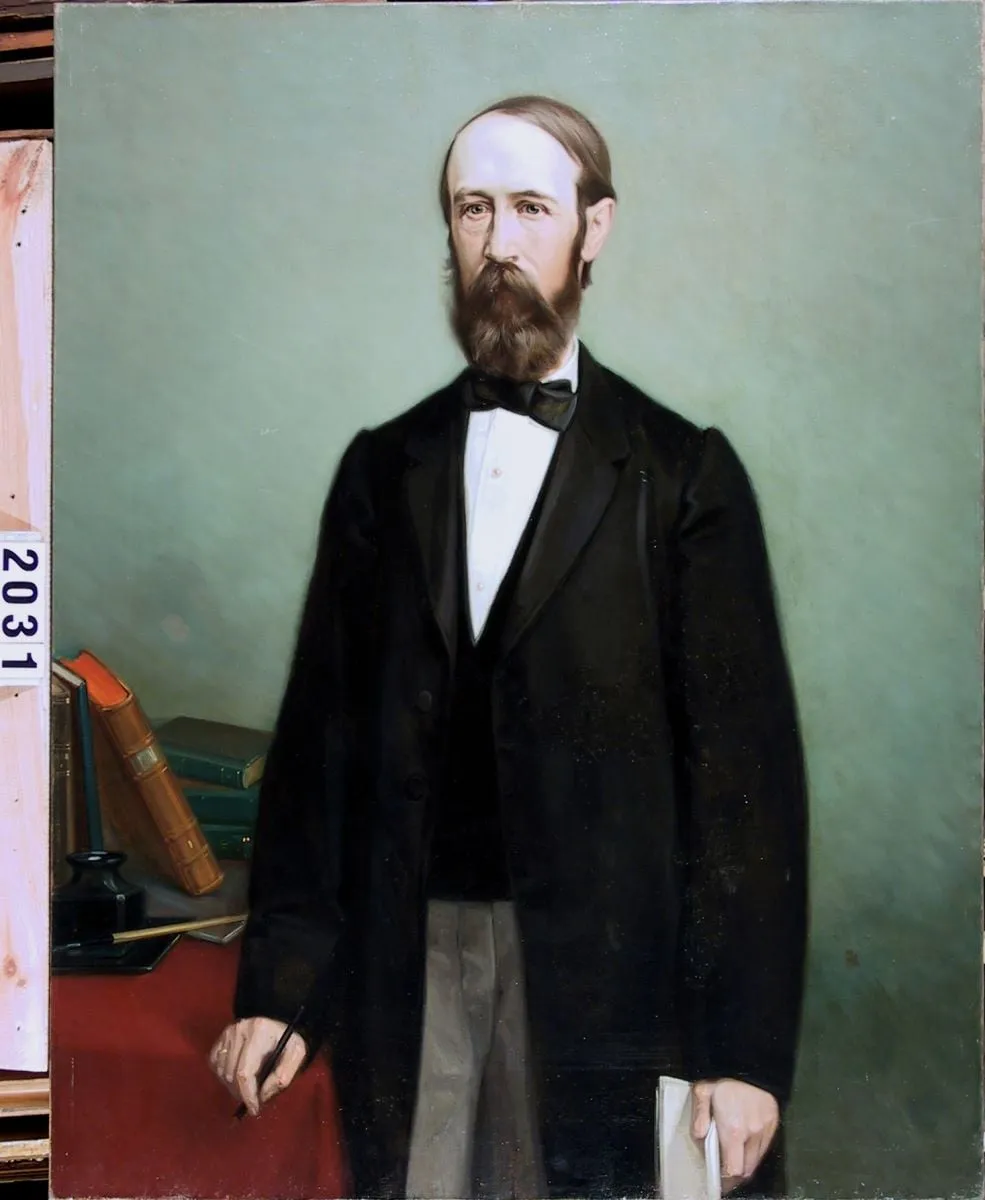
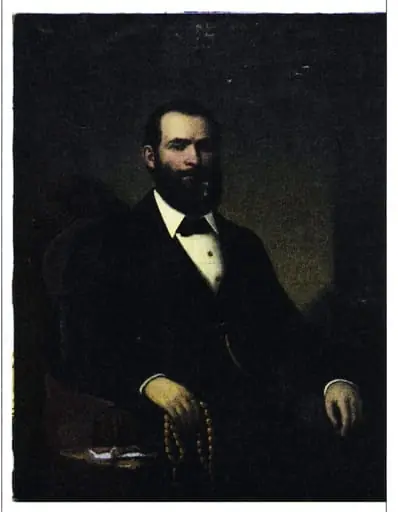
Portret de bărbat cu barbă is a print by the Academic Art artist Carl Dörschlag. It dates from 1882 and is held in the collection of the Brukenthal National Museum.
About this work
Overview
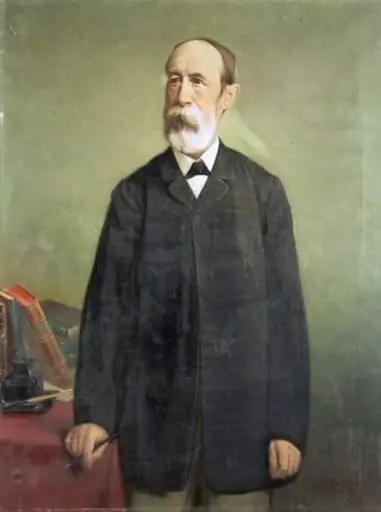
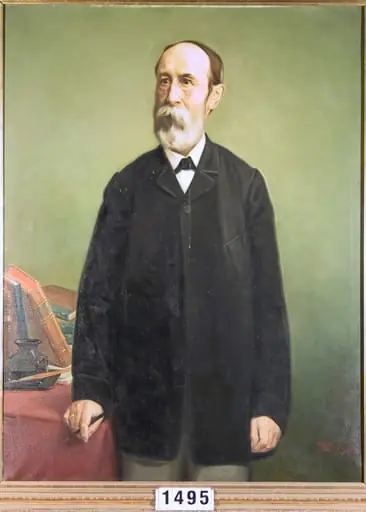
Painted around 1882 by Carl Dörschlag, this portrait presents a seated man with a full beard, dressed in formal dark attire.
Painted around 1882 by Carl Dörschlag, this portrait presents a seated man with a full beard, dressed in formal dark attire. The composition is restrained, focusing on the subject’s posture and expression against a muted background. A red table to the left holds books and an inkwell, reinforcing a scholarly context. The work reflects 19th-century portraiture conventions, emphasizing dignity and quiet contemplation.
Subject & Meaning
The man’s attire—a black jacket, white shirt, and black bow tie—suggests professional or intellectual status. The presence of books and an inkwell implies engagement with writing or study. His direct gaze and still posture convey introspection rather than performative formality. The portrait does not aim to glorify but to capture a moment of quiet authority, typical of bourgeois portraiture in late 19th-century Europe.
Technique & Style
Dörschlag employs a muted palette dominated by dark tones, contrasted subtly with the light green wall and red table. Brushwork is precise but not overly refined, favoring clarity over flourish. Light falls evenly across the figure, modeling form without dramatic chiaroscuro. The background remains deliberately plain, directing attention to the subject’s face and hands, where detail is most concentrated.
History & Provenance
The painting’s early ownership is undocumented, and no public exhibition history is widely recorded. It remains in private hands, with no known institutional acquisition. Dörschlag’s limited surviving oeuvre suggests this portrait may be one of few surviving examples of his figural work, making it a rare reference point for understanding his artistic practice.
Context
Created in the early 1880s, the portrait aligns with European trends in academic portraiture that valued realism and moral seriousness. Unlike flamboyant salon paintings, this work reflects a quieter, more intimate mode favored by middle-class patrons. The inclusion of scholarly objects signals cultural aspirations common among urban professionals during this period of rising literacy and intellectualism.
Legacy
Carl Dörschlag’s body of work is sparse and largely unexamined in scholarly literature. This portrait, though unassuming, offers insight into a regional artistic tradition that prioritized restraint over spectacle. Its survival provides a tangible link to lesser-known 19th-century portraitists whose contributions remain underrepresented in broader art historical narratives.
Artist & collection




 Portret de bărbat
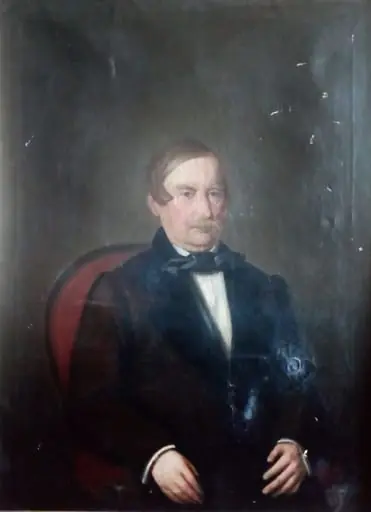 Portret de bărbat
 Dr. jur. J. Bedeus von Scharberg
 Dr. jur. Josef Bedeus von Scharberg
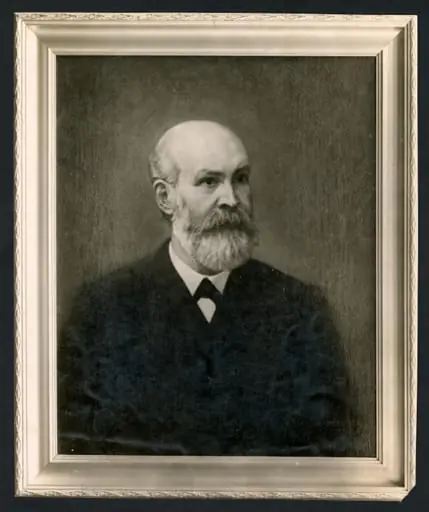 Dziatzko, Karl
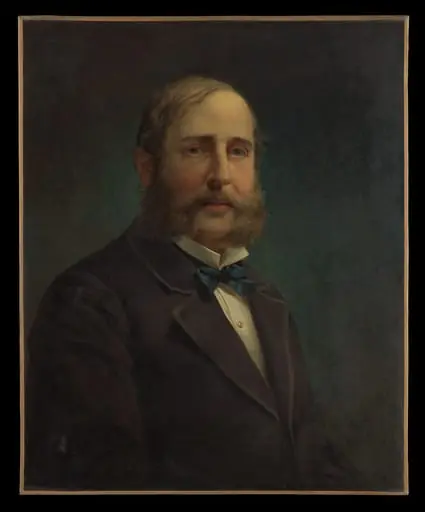 Self-portrait
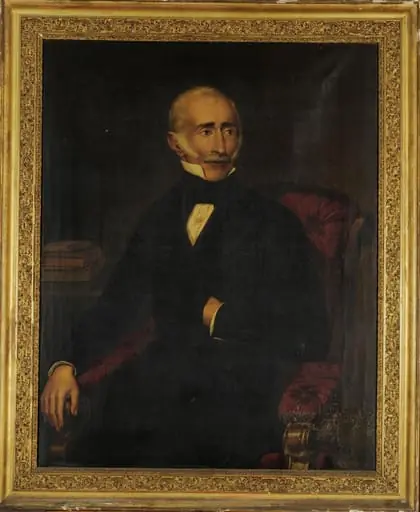 Προσωπογραφία του Ανδρέα Λουριώτη
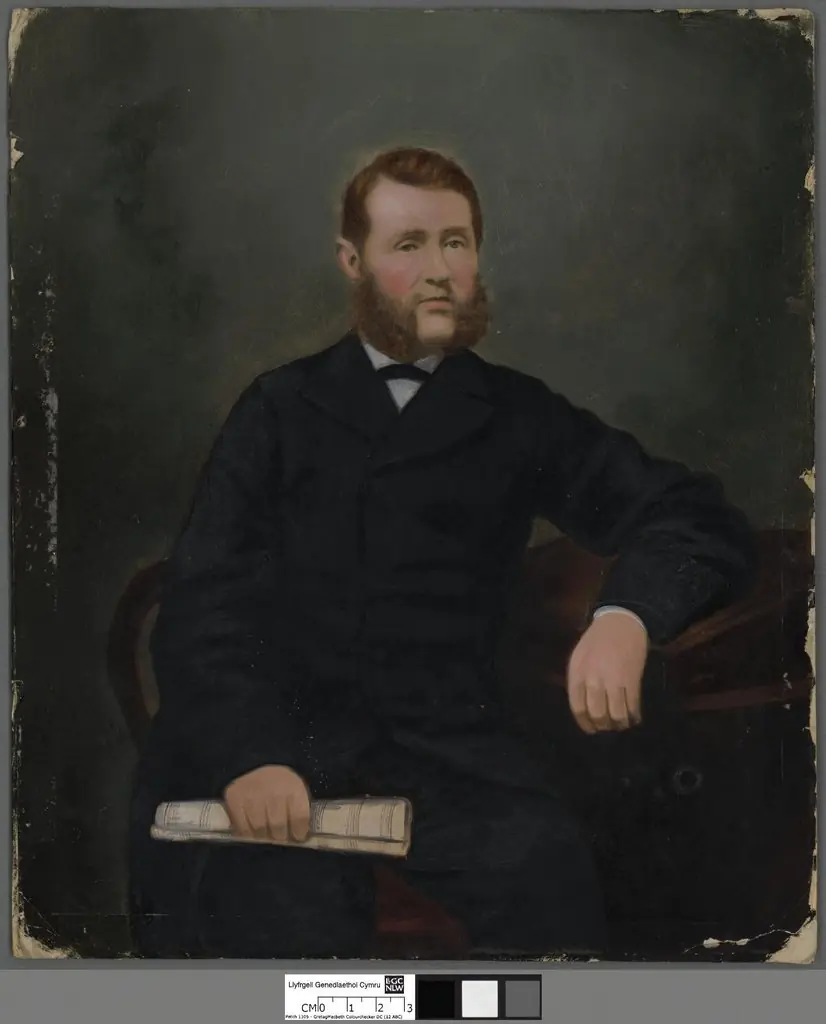 Robert Stephen (Moelwynfab)
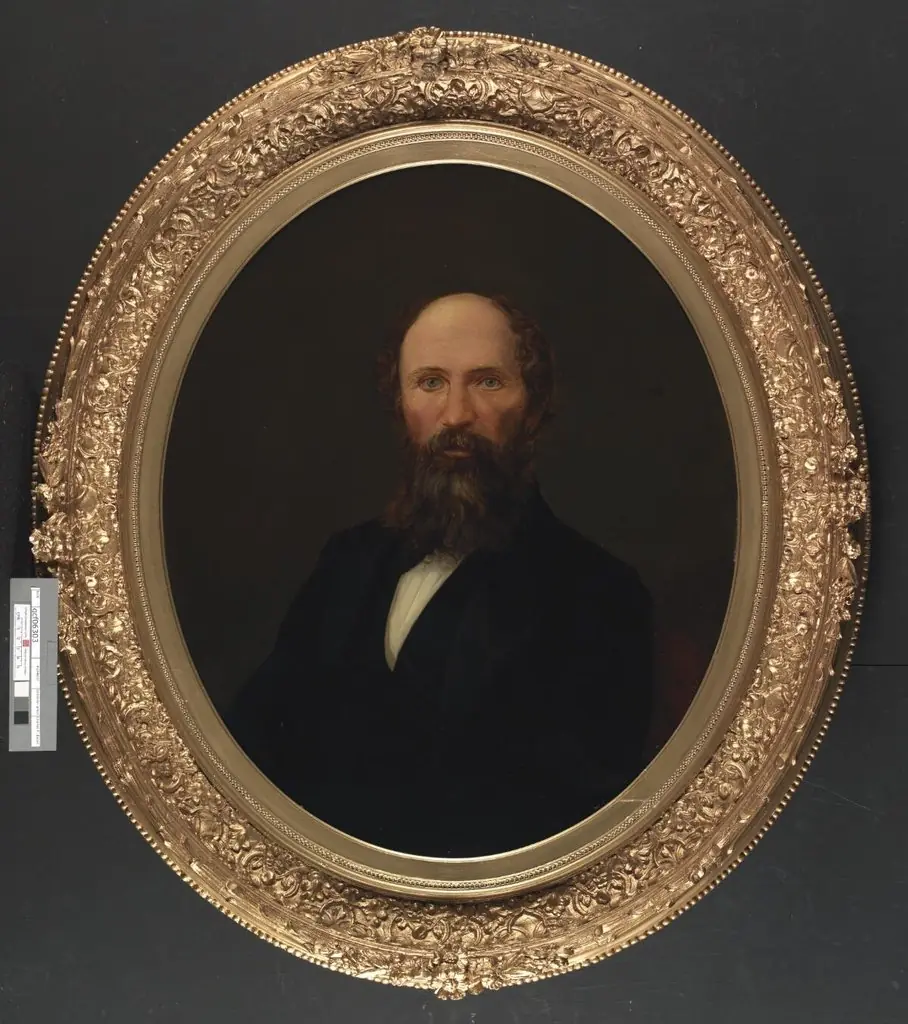 Charles F. Bayer
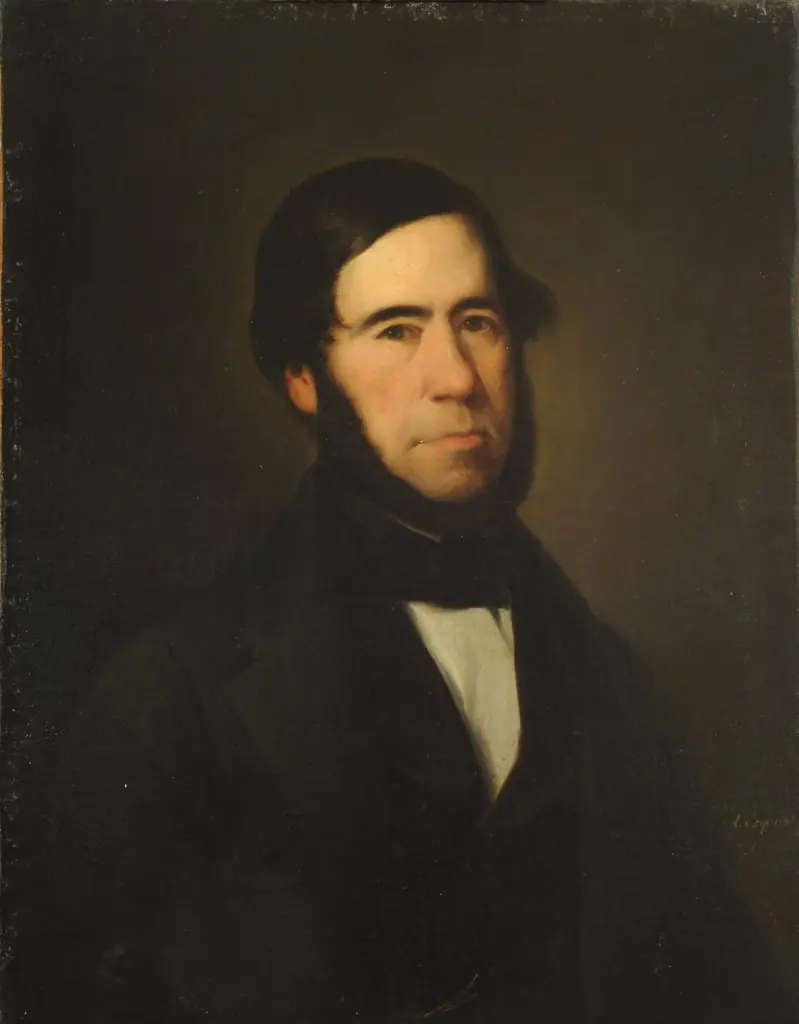 Portrait of Don Manuel José de Guerrico
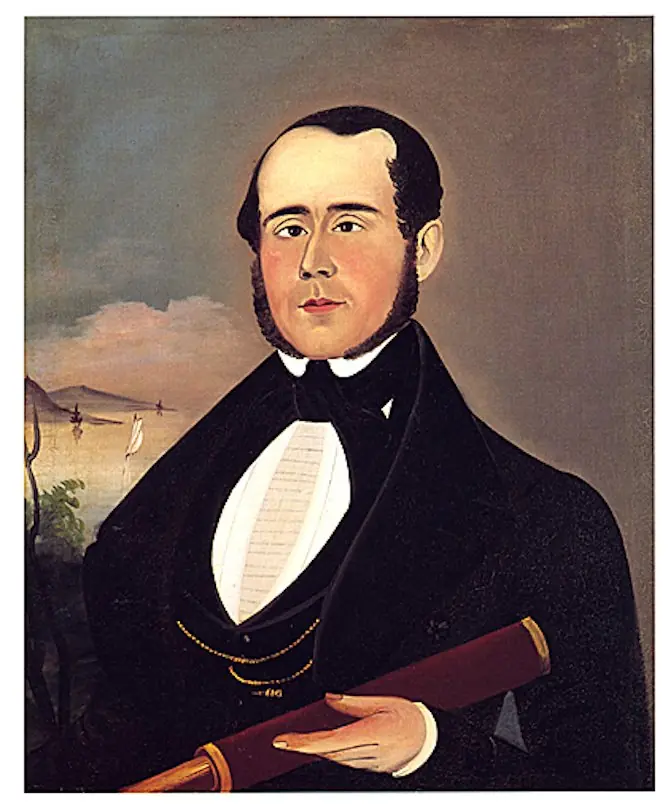 Portrait of Captain William B. Aiken
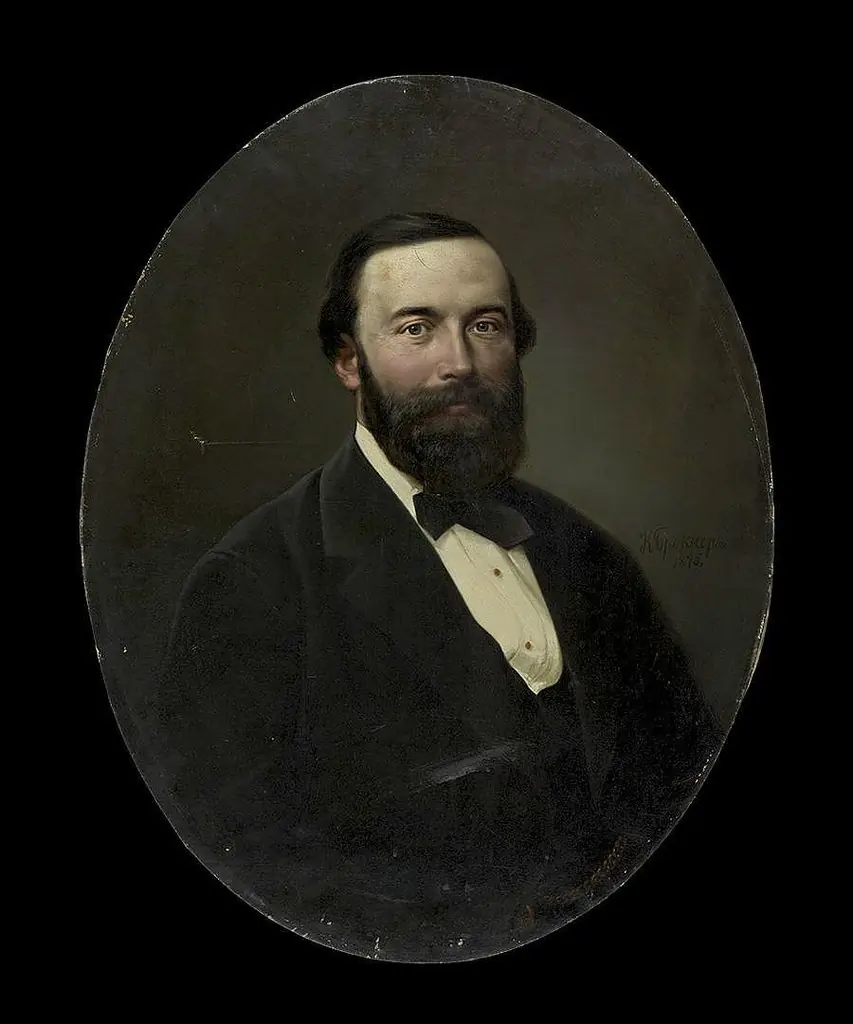 Portrait of a Merchant