Artwork
Charles F. Bayer
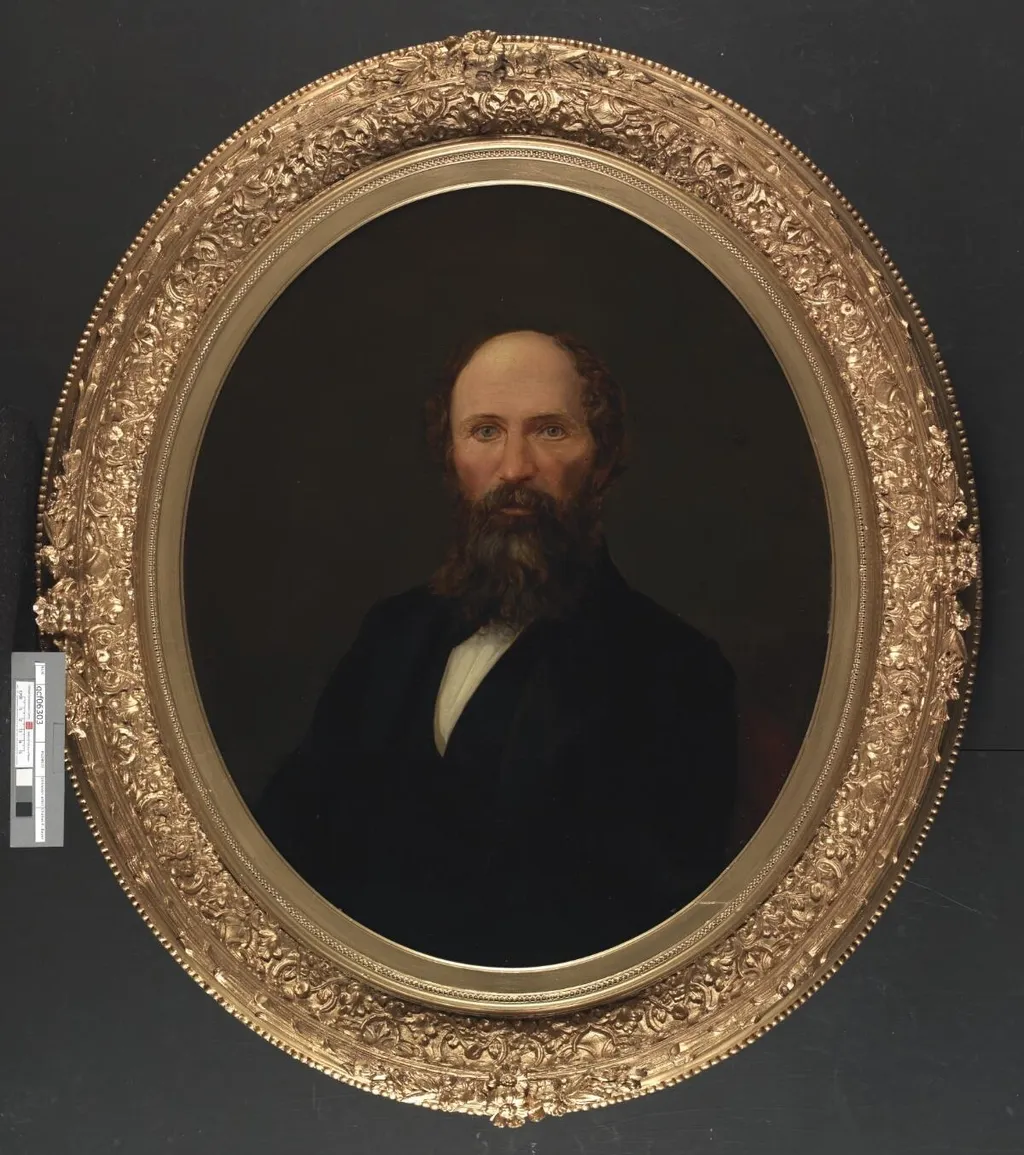
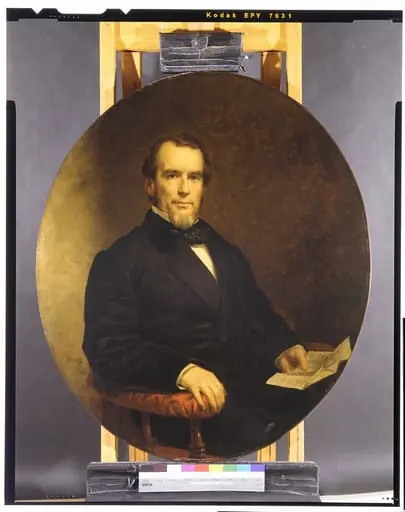
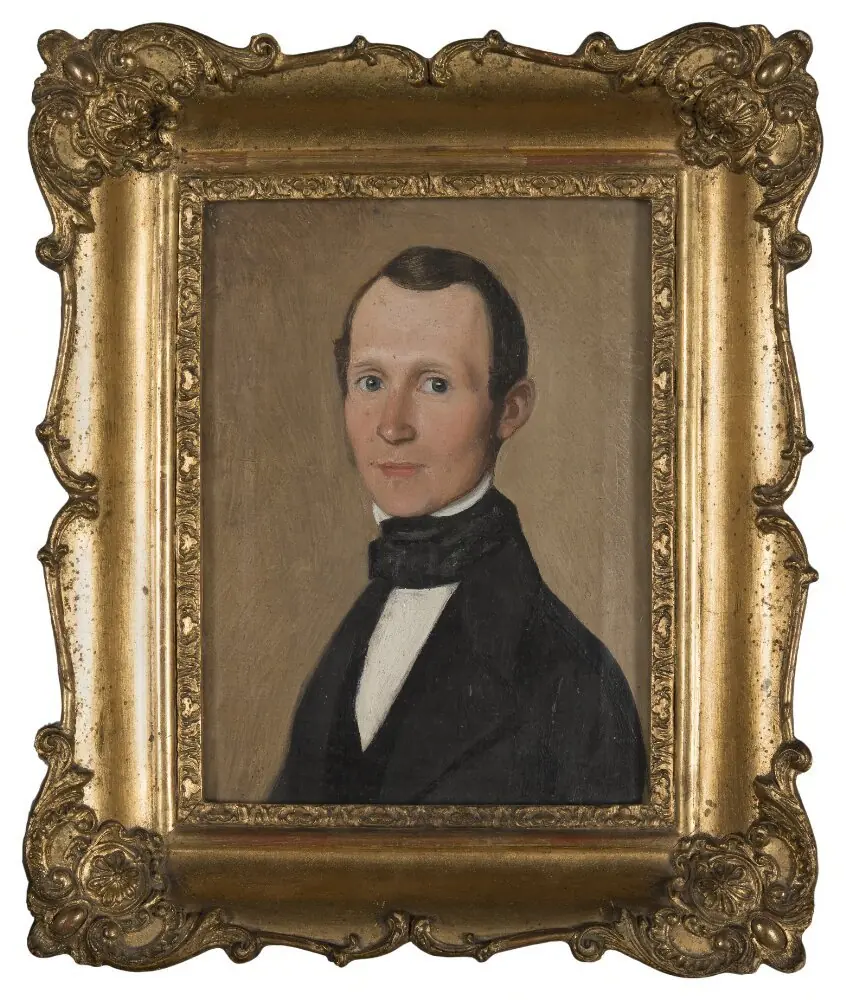
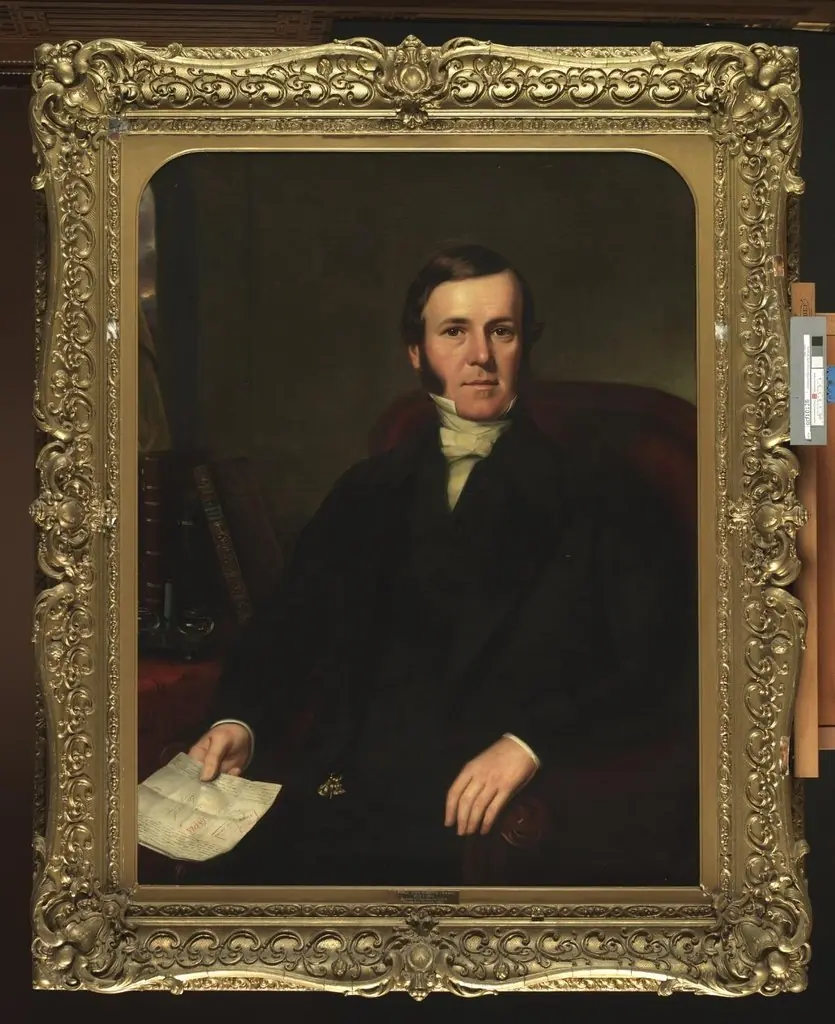
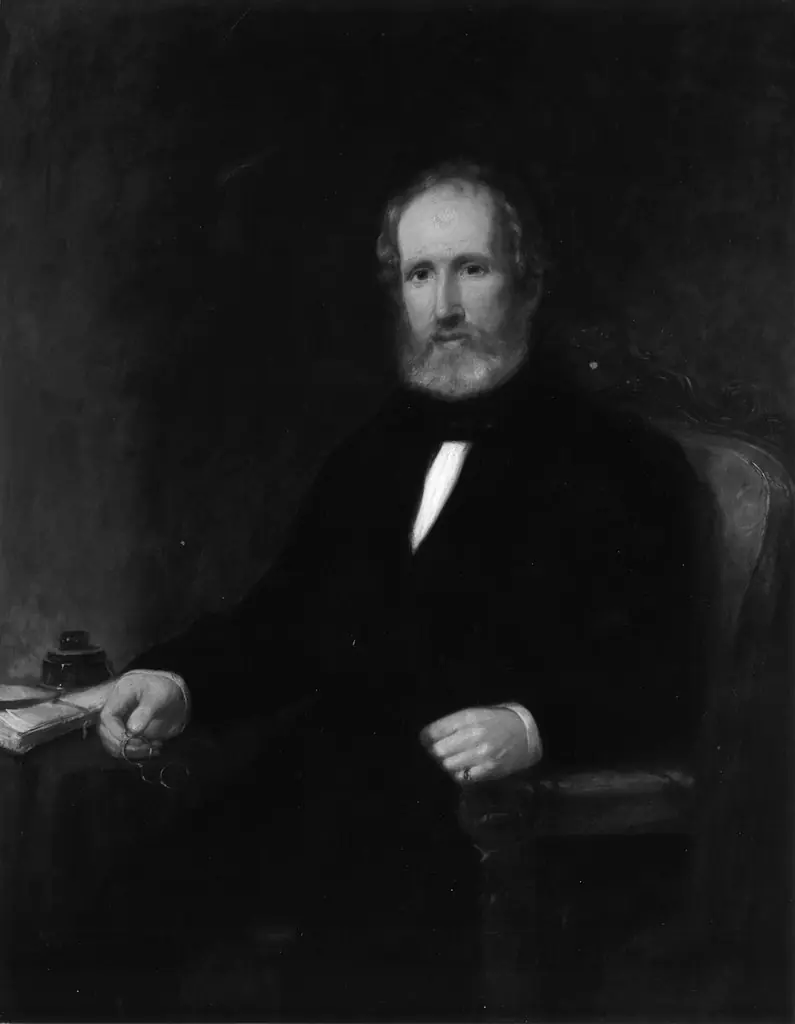
Charles F. Bayer is an oil painting by Unknown. It dates from 1870 and is held in the collection of the National Library of Wales. Charles F.
About this work
Overview
The composition emphasizes presence over narrative, directing attention to the sitter’s demeanor and the play of light on his features.
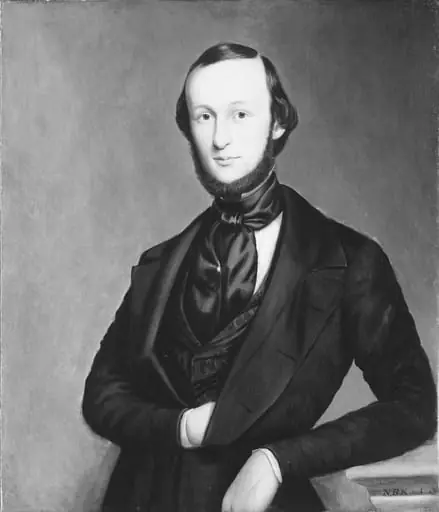
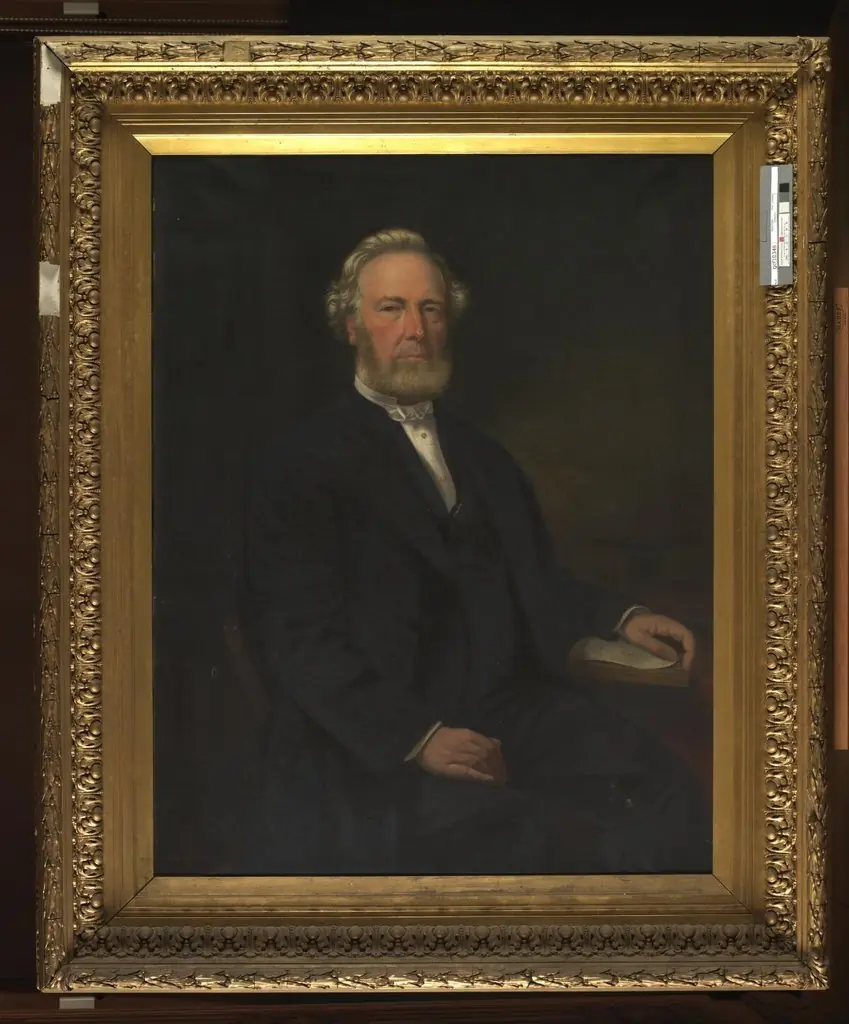
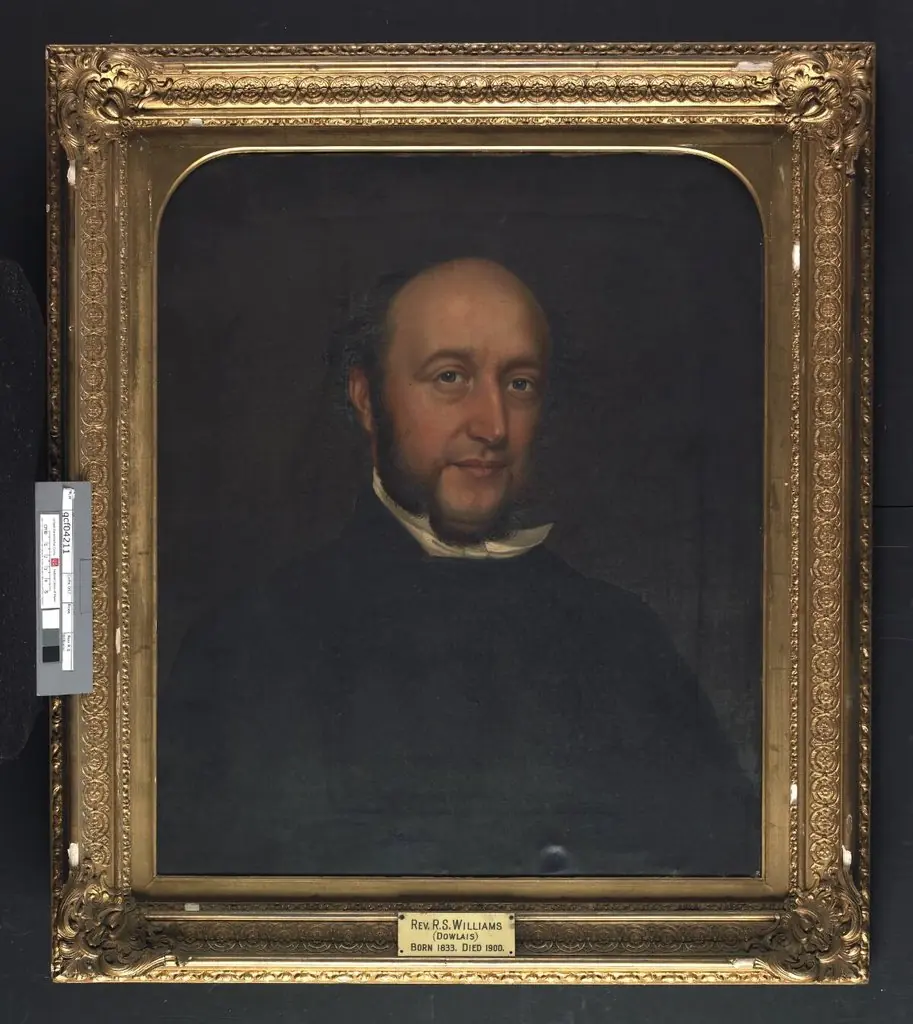
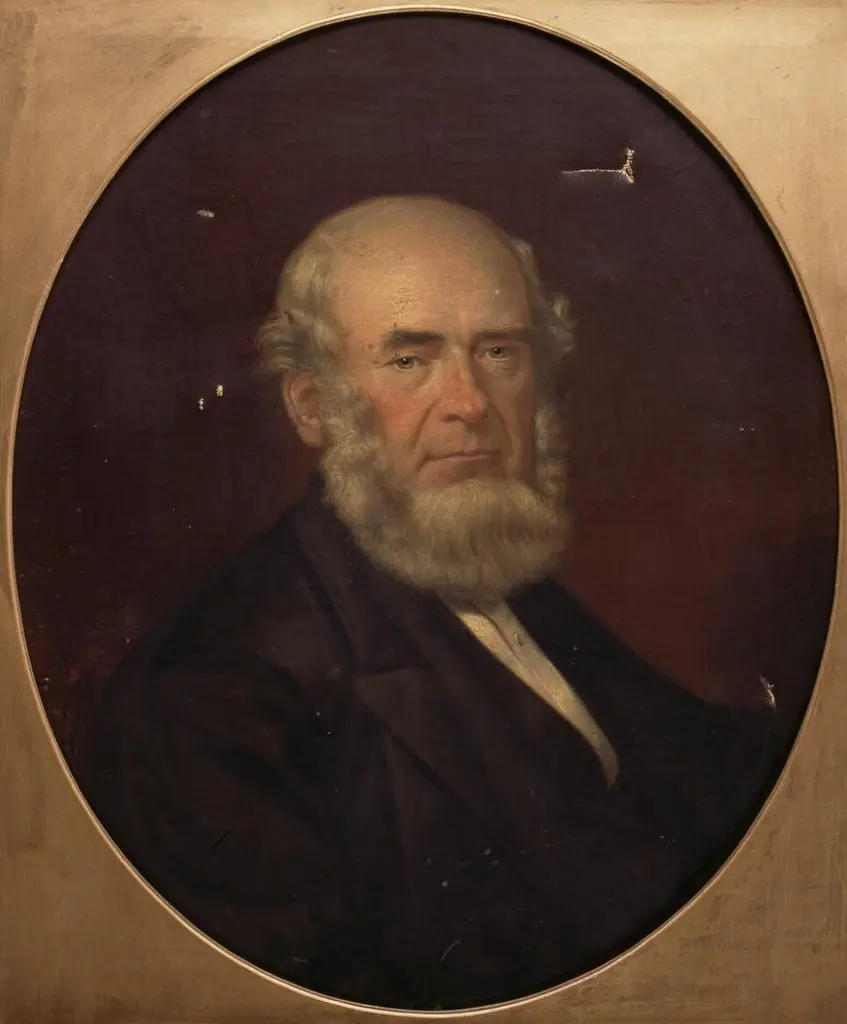
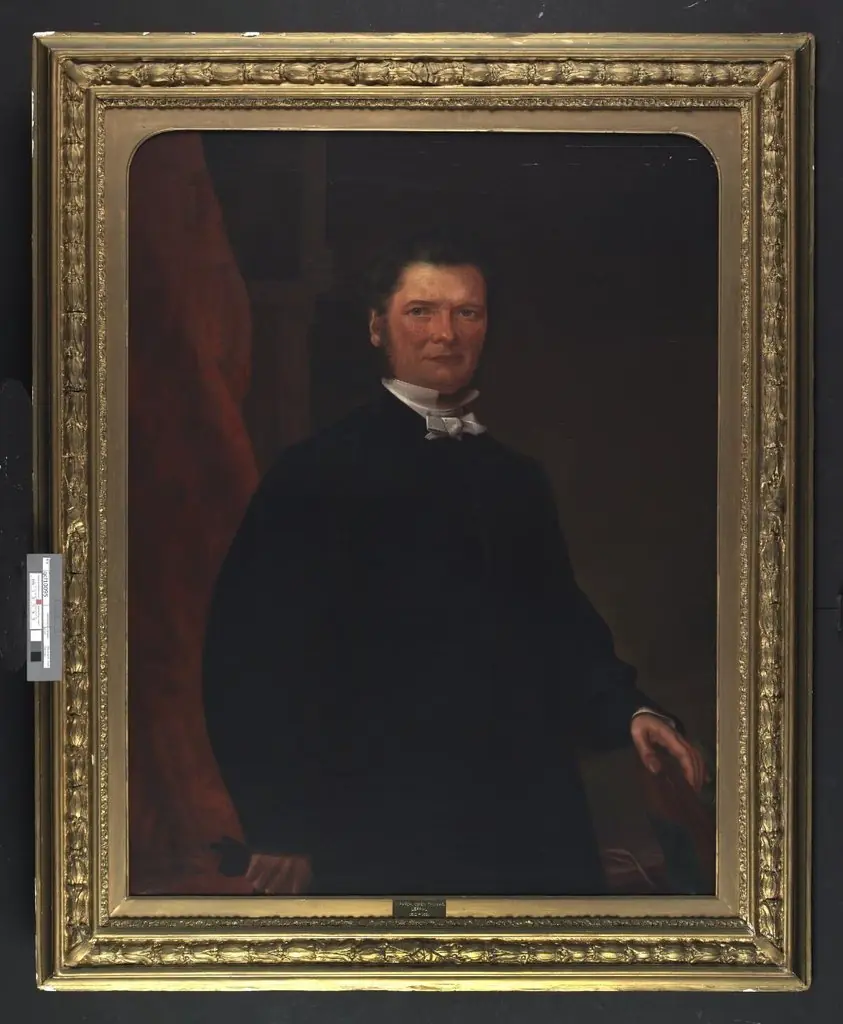
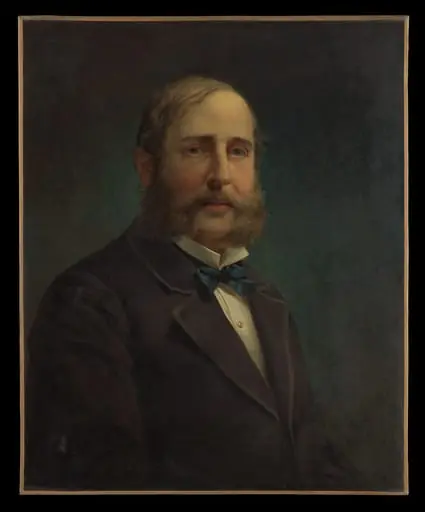
Charles F. Bayer is an oil painting depicting a middle-aged man in formal attire. The subject is rendered with a focus on facial detail and posture, set against a deep, unmodulated background. The figure is framed in an ornate gold border, typical of 19th-century portraiture. The composition emphasizes presence over narrative, directing attention to the sitter’s demeanor and the play of light on his features.
Subject & Meaning
The man portrayed has a full beard and brown hair, dressed in a black jacket over a white shirt, suggesting professional or civic status. His direct gaze and solemn expression convey gravity, possibly reflecting personal dignity or societal role. No identifying symbols or context are present, leaving interpretation open, yet the intensity of his gaze implies an engagement with the viewer beyond mere representation.
Technique & Style
The painting employs chiaroscuro to model the face and clothing, using strong contrasts between light and shadow to create volume. The dark background isolates the figure, enhancing three-dimensionality. Brushwork is controlled and precise, particularly in the rendering of facial texture and fabric folds. The technique avoids decorative flourish, favoring a restrained realism grounded in observation rather than idealization.
History & Provenance
The painting’s origin and early ownership are undocumented in available records. It bears no signature or date, and no exhibition history is known. The ornate frame suggests it was commissioned or acquired by someone of means, likely in the late 1800s. Its current location and acquisition path remain unclear, limiting contextual understanding of its creation or purpose.
Context
Created during a period when formal portraiture remained a staple of middle- and upper-class identity, the work aligns with conventions of American and European studio painting. Artists of the time often used dark backgrounds and direct gaze to convey character and authority. While not part of a known artistic movement, it reflects the persistence of traditional techniques amid emerging modernist trends.
Legacy
The painting has not been widely exhibited or studied, and no critical literature addresses it specifically. Its significance lies in its embodiment of a common 19th-century portrait type—unadorned, introspective, and technically competent. It survives as a quiet example of private commissioning practices, preserving the likeness of an individual otherwise absent from historical records.
Artist & collection

 Domestic Scene
 Giacomo and Cardinal Marco, investing Andrea, Abbot of San Zeno, with his Benefice
 The Nymph of Fontainebleau
 Portrait of a Woman
 Madonna and Child with Saints in the Enclosed Garden
 Venus and Minerva
 Family Group of Four on Sofa
 Wall painting from Room H of the Villa of P. Fannius Synistor at Boscoreale