Artwork
Deák Ferenc
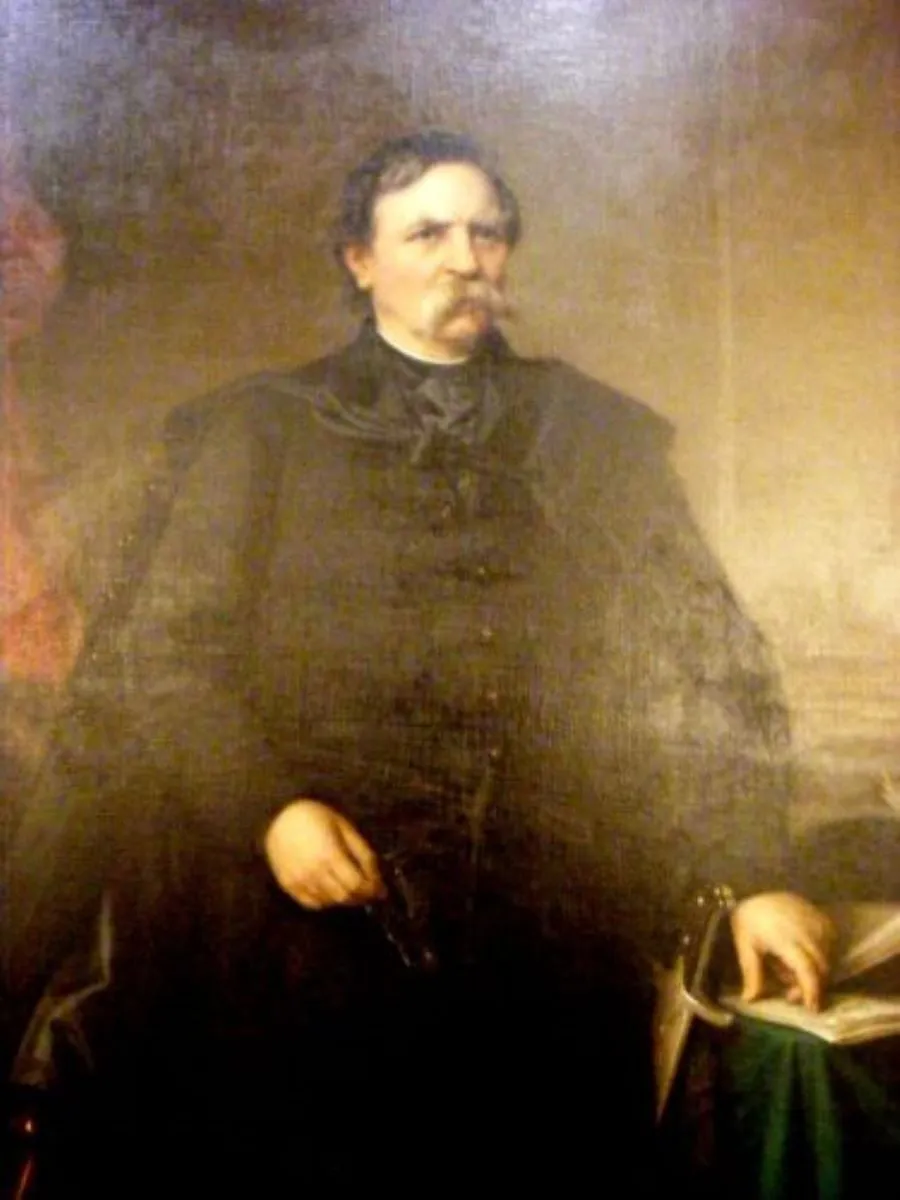
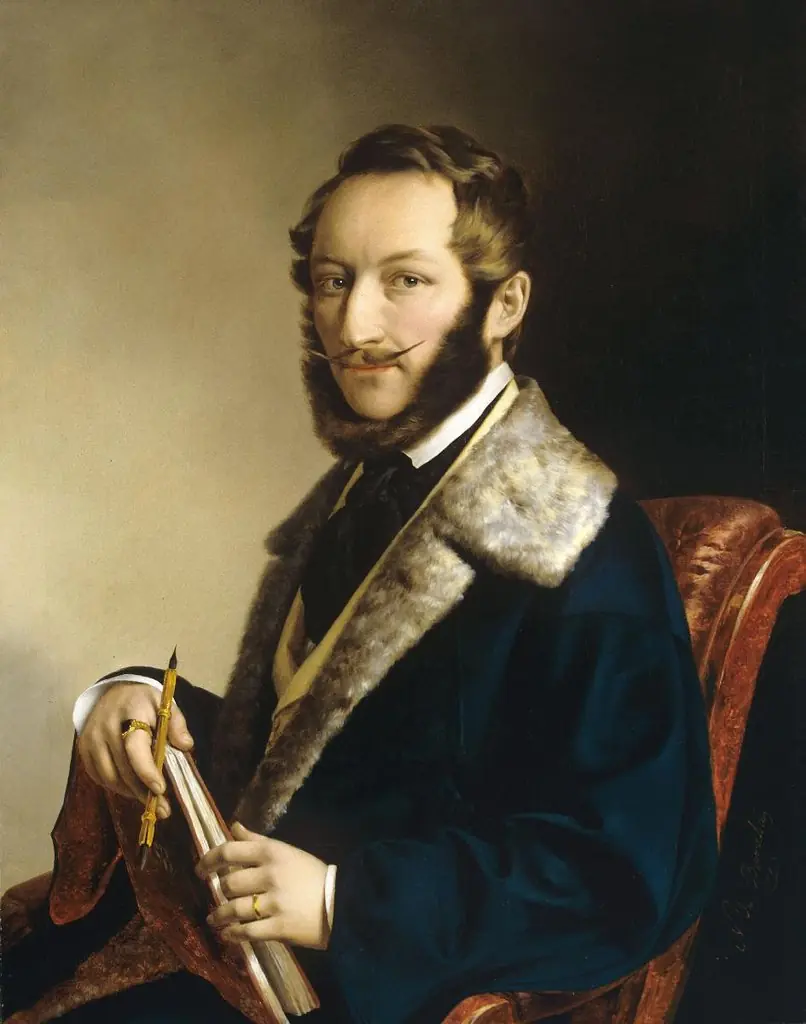
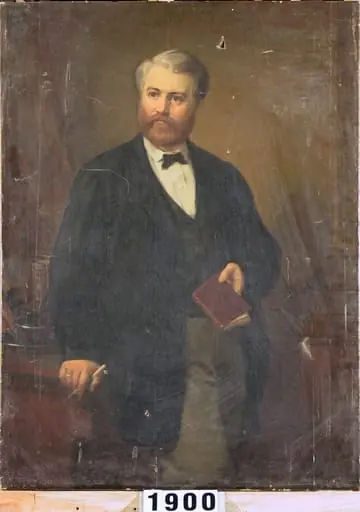
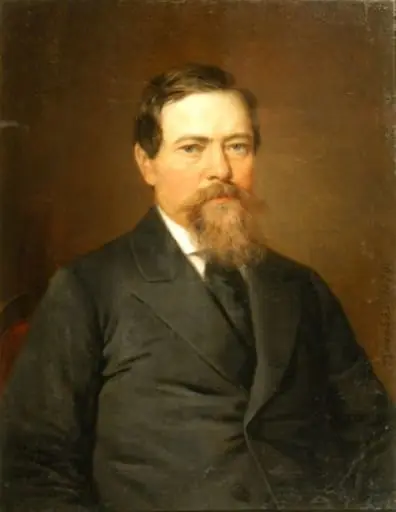
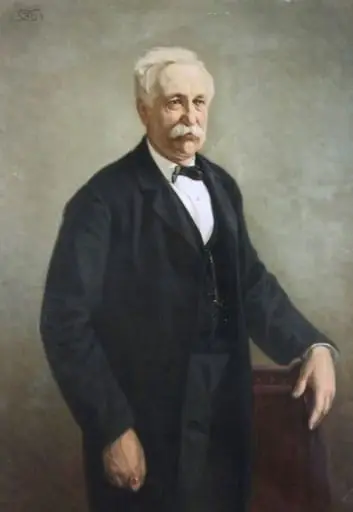
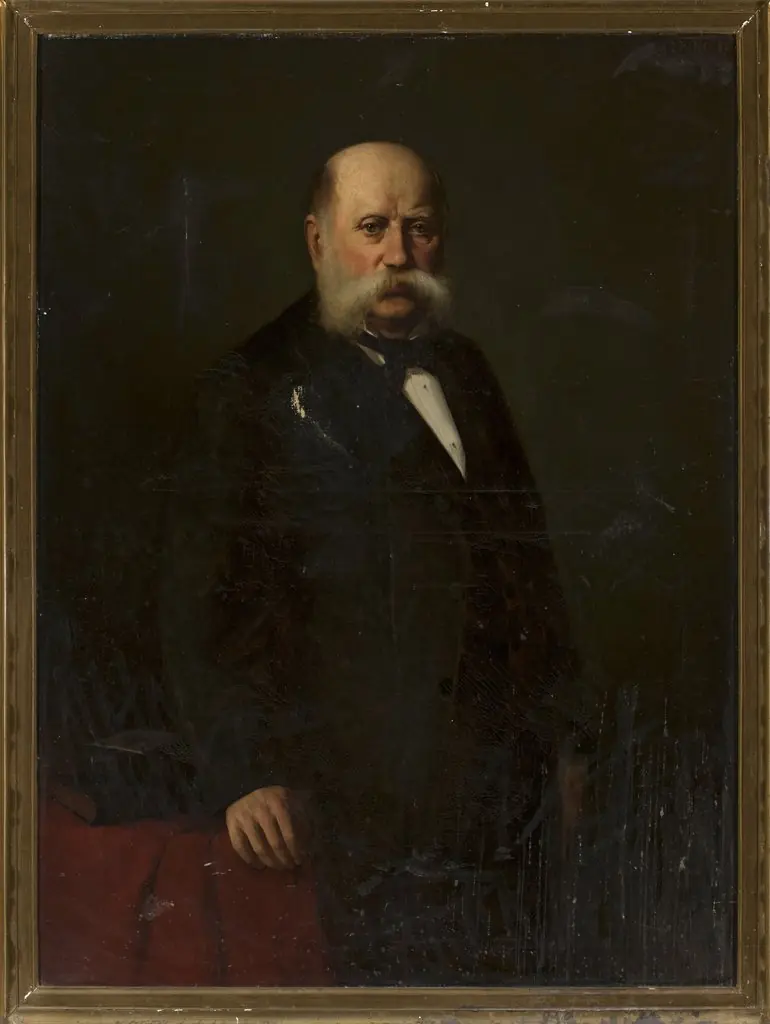
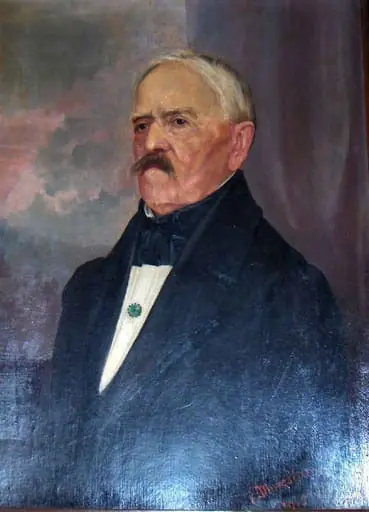
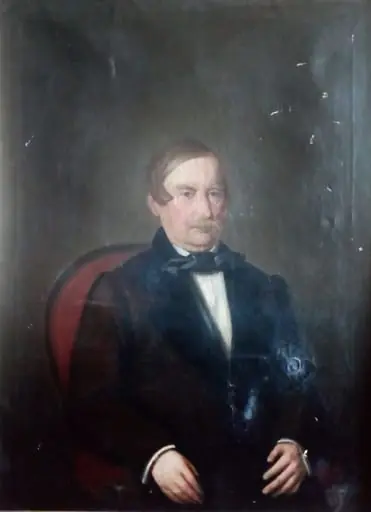
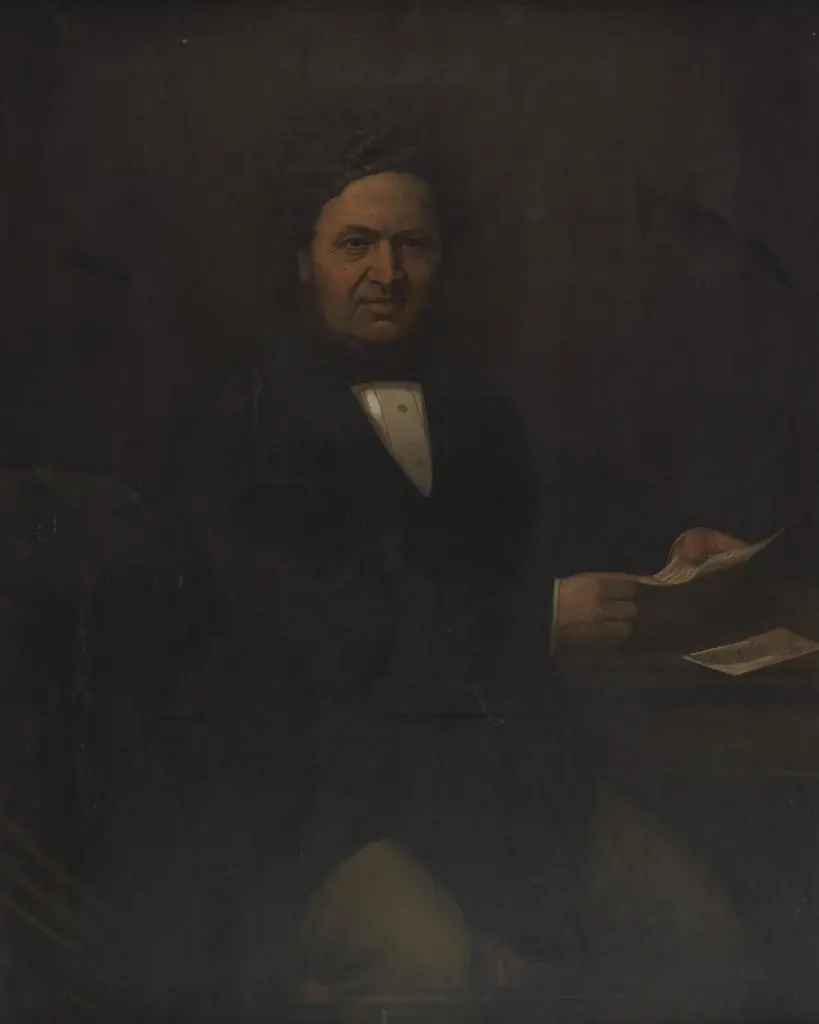
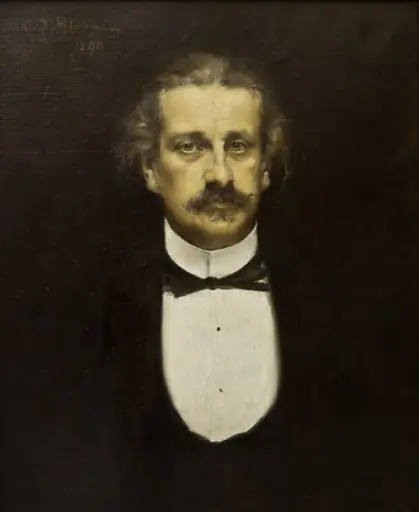
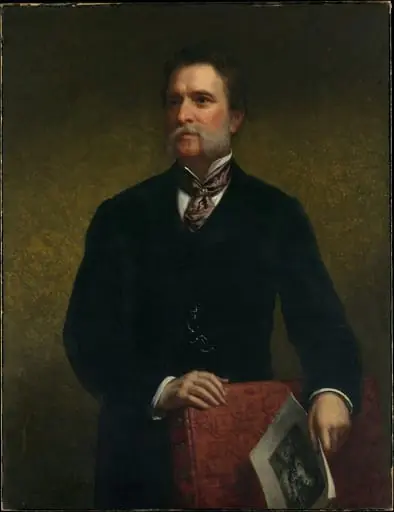
Deák Ferenc is an unspecified painting by the Biedermeier artist Miklós Barabás. It dates from 1876 and is held in the collection of the Székely National Museum.
About this work
Overview
Painted in 1876 by Miklós Barabás, this portrait depicts Ferenc Deák, a key political figure in 19th-century Hungary.
Painted in 1876 by Miklós Barabás, this portrait depicts Ferenc Deák, a key political figure in 19th-century Hungary. Barabás, known for his precise yet sensitive portrayals of public figures, rendered Deák with a quiet intensity. The work belongs to the Museum of Ethnography’s collection and reflects the transition from idealized portraiture toward a more grounded, observational style common in the later decades of the century.
Subject & Meaning
Ferenc Deák was a statesman instrumental in negotiating the Austro-Hungarian Compromise of 1867, which established dual monarchy. The portrait captures him in formal attire, suggesting his public role, while his restrained gesture—hand resting on the chest and holding a folded document—conveys thoughtfulness and solemn duty. The absence of symbolic props or elaborate settings emphasizes his identity as a man of principle rather than spectacle.
Technique & Style
Barabás employed loose, fluid brushwork to suggest texture and form without rigid definition. The background is muted and indistinct, directing attention to Deák’s face and posture. Light falls softly across his features, modeling volume through subtle tonal shifts rather than sharp outlines. This approach aligns with Realist tendencies of the era, favoring naturalism over theatricality in depicting the human figure.
History & Provenance
Completed in 1876, the portrait was created during the final years of Barabás’s career, after his most prominent commissions for royalty and cultural elites. It entered the Museum of Ethnography’s holdings as part of a broader effort to preserve visual records of national figures. The painting’s preservation reflects its significance as a document of Hungary’s political identity during a period of institutional transformation.
Context
In the decades following the 1848 revolutions, Hungarian society sought to define its cultural and political autonomy within the Habsburg Empire. Portraits like this one served as visual anchors for national memory, portraying leaders who embodied compromise and civic responsibility. Barabás’s style, though rooted in academic tradition, adapted to a growing public appetite for authentic, unembellished representation.
Legacy
Barabás’s portrait of Deák remains a reference point in Hungarian visual culture for its restrained dignity and technical restraint. It exemplifies how portraiture evolved from ceremonial display to psychological presence. While not widely exhibited outside Hungary, it continues to inform historical understanding of how national identity was visually constructed in the late 19th century.
Artist & collection
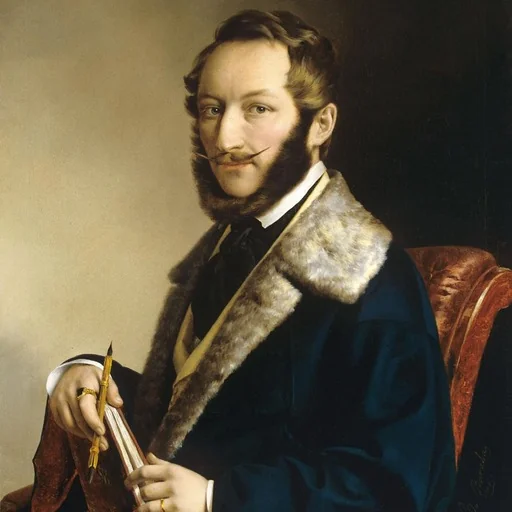
Artist
Miklós Barabás (10 February 1810, in Márkosfalva (rom. Mărcușa), Háromszék County, Hungary – 12 February 1898, in Budapest, Hungary) was a Hungarian painter. He is mostly known for his portrait paintings, including a…