Artwork
José Alves de Cerqueira César
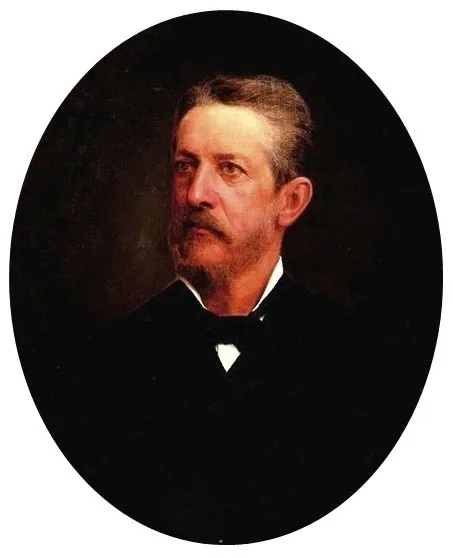
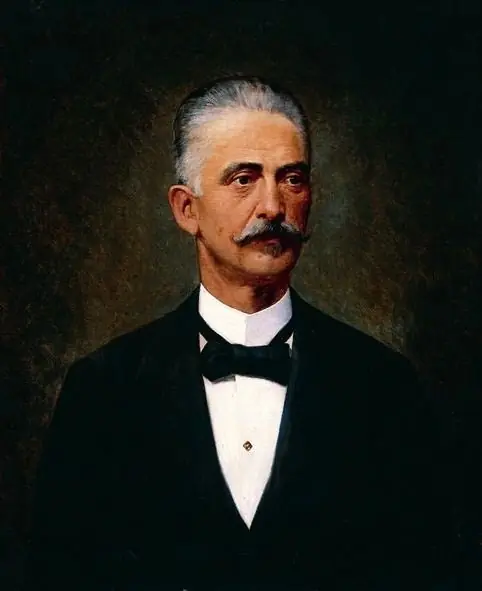
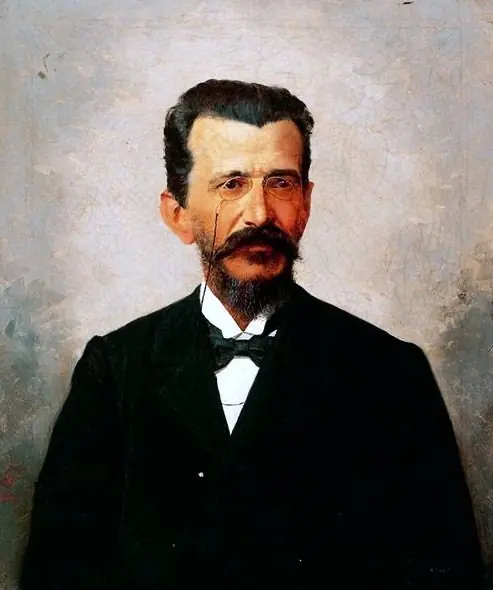
José Alves de Cerqueira César is an oil painting by the Impressionist artist José Ferraz de Almeida Júnior. It dates from 1896 and is held in the collection of the Pinacoteca de São Paulo.
About this work
Overview
Painted in 1896 by José Ferraz de Almeida Júnior, this oil portrait depicts José Alves de Cerqueira César, a Brazilian political figure.
Painted in 1896 by José Ferraz de Almeida Júnior, this oil portrait depicts José Alves de Cerqueira César, a Brazilian political figure. The work belongs to the Pinacoteca do Estado de São Paulo’s collection and reflects the artist’s engagement with European realist traditions, adapted to Brazilian subjects. Though executed with attention to light and texture, it avoids the loose brushwork typical of Impressionism, instead emphasizing structural clarity and psychological presence.
Subject & Meaning
The sitter, José Alves de Cerqueira César, was a prominent statesman and former governor of São Paulo. The portrait presents him in formal attire, conveying dignity and authority without overt symbolism. His gaze, directed away from the viewer, suggests introspection or detachment, aligning with the era’s preference for restrained, dignified representation. The painting functions as a civic portrait, affirming social standing through composed demeanor and meticulous detail.
Technique & Style
Almeida Júnior employed oil paint to achieve subtle gradations of tone and texture, particularly in the rendering of the sitter’s face and fabric. The background remains dark and unobtrusive, focusing attention on the figure. While the brushwork shows sensitivity to light and shadow, it remains controlled and precise, reflecting a realist approach influenced by Courbet rather than the fragmented strokes of Impressionism. The result is a lifelike presence grounded in observation.
History & Provenance
The portrait was completed in 1896, during a period when Almeida Júnior was deeply involved in documenting Brazil’s social and political elite. It entered the Pinacoteca do Estado de São Paulo’s collection shortly after its creation, likely through direct acquisition or donation. The painting has remained in public custody since, serving as a key example of late 19th-century Brazilian portraiture and the institutionalization of national art.
Context
In the 1890s, Brazil was transitioning from empire to republic, and visual culture increasingly emphasized civic identity. Artists like Almeida Júnior moved away from romanticized historical themes toward depictions of contemporary figures. This portrait reflects that shift, positioning the sitter not as a mythic hero but as a tangible, modern leader. The work aligns with broader efforts to define a national artistic language rooted in realism and social observation.
Legacy
Almeida Júnior’s portrait of Cerqueira César stands as a representative example of Brazilian realism’s maturity. It influenced later generations of artists who sought to portray national figures with psychological depth and technical rigor. The painting remains a reference point in discussions of 19th-century Brazilian art, illustrating how European techniques were localized to express emerging civic ideals without romantic embellishment.
Artist & collection
Artist
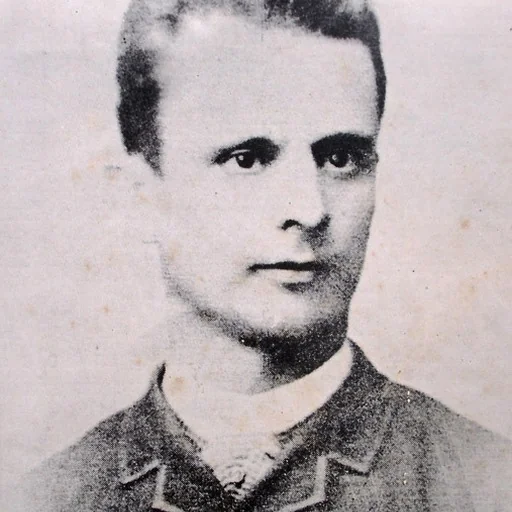
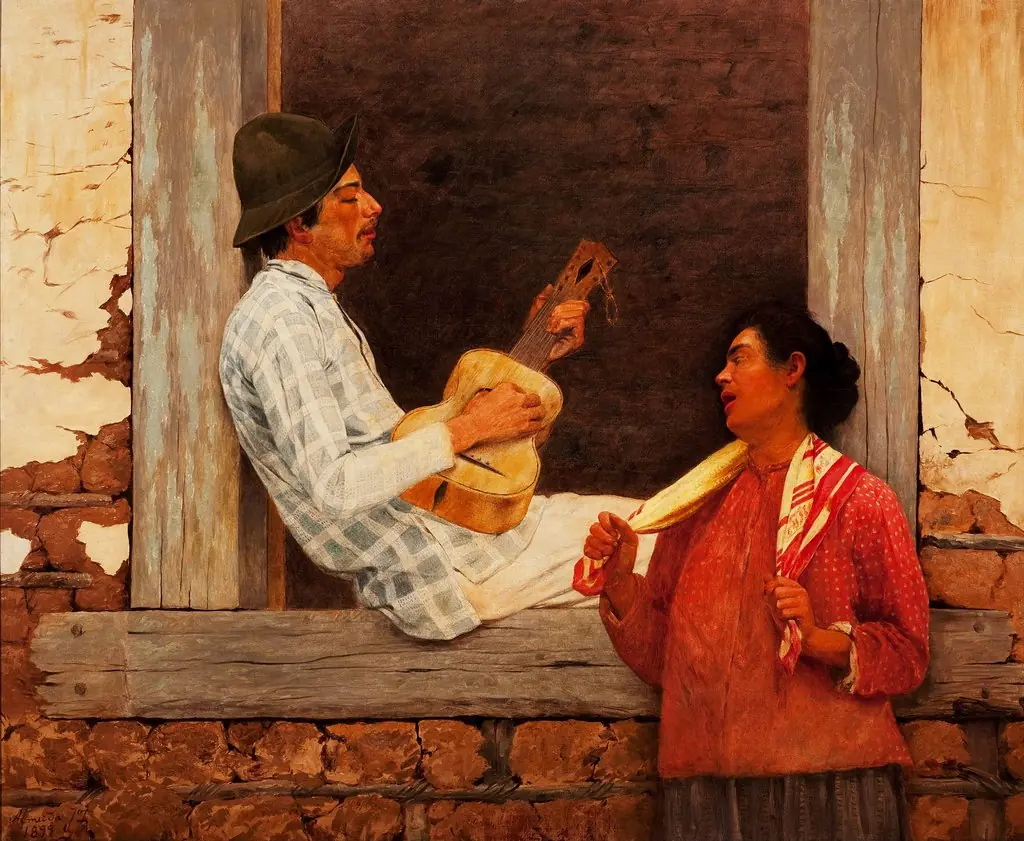
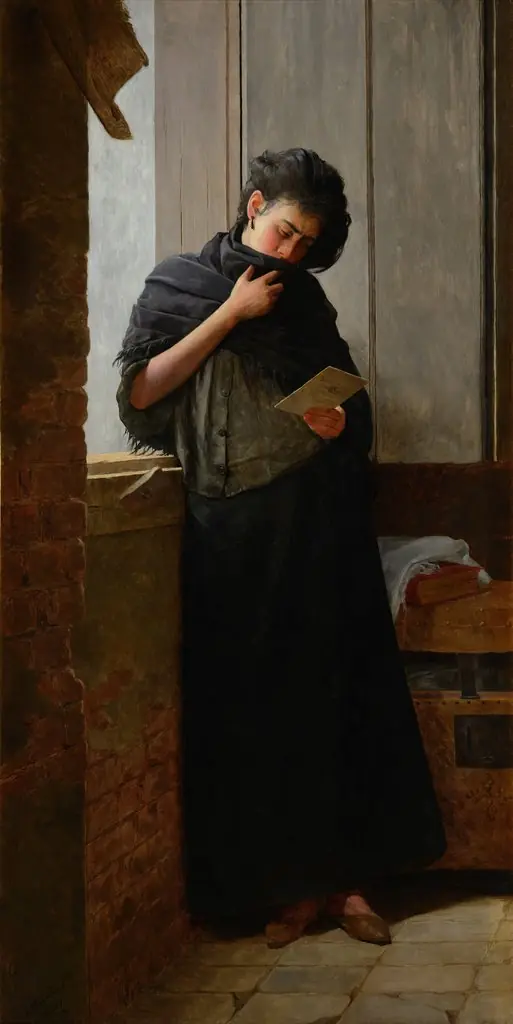
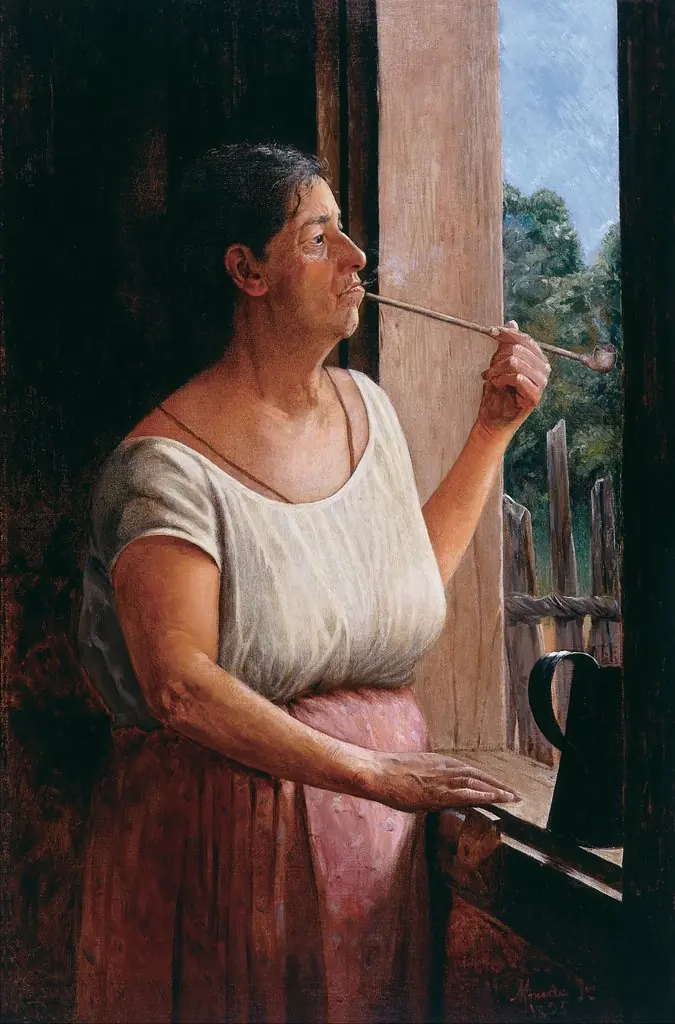
José Ferraz de Almeida Júnior (8 May 1850 – 13 November 1899) was a Brazilian artist and designer; one of the first there to paint in the Realistic tradition of Gustave Courbet and Jean-François Millet.


 Pedro Gonçalves Dente
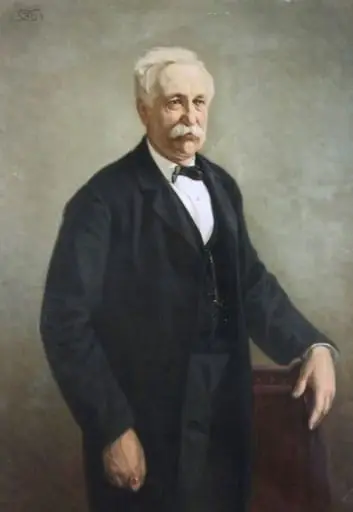 Samuel Traugott Binder
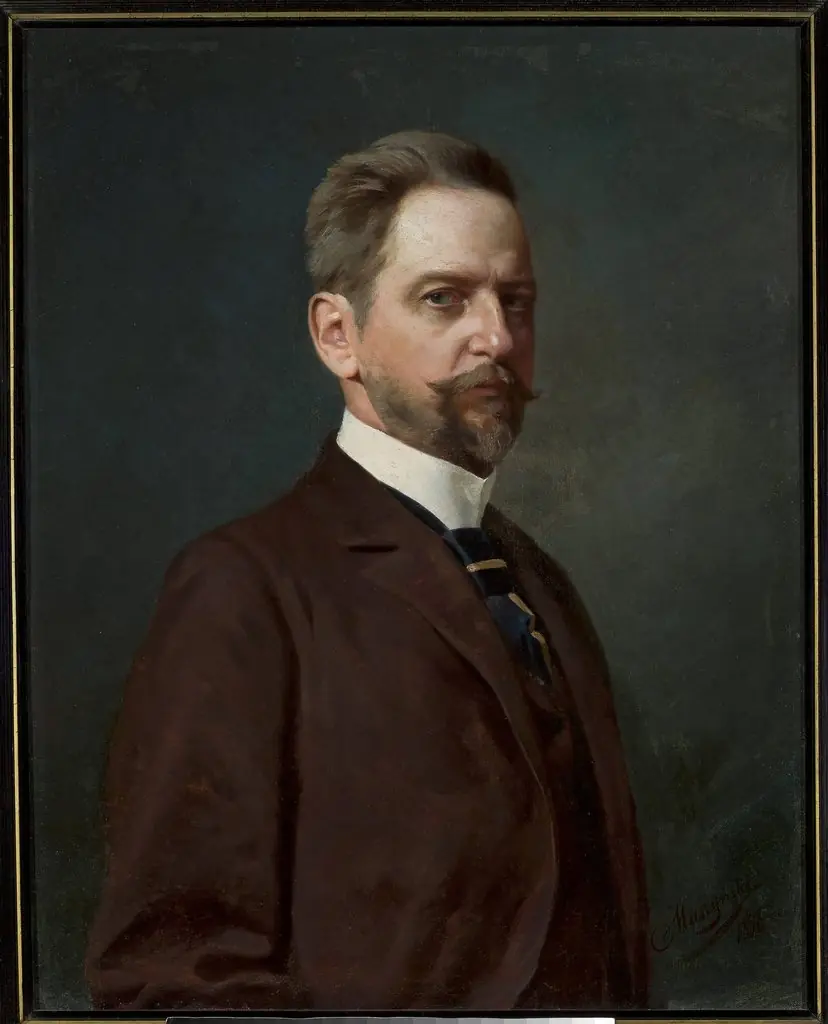 Self-portrait
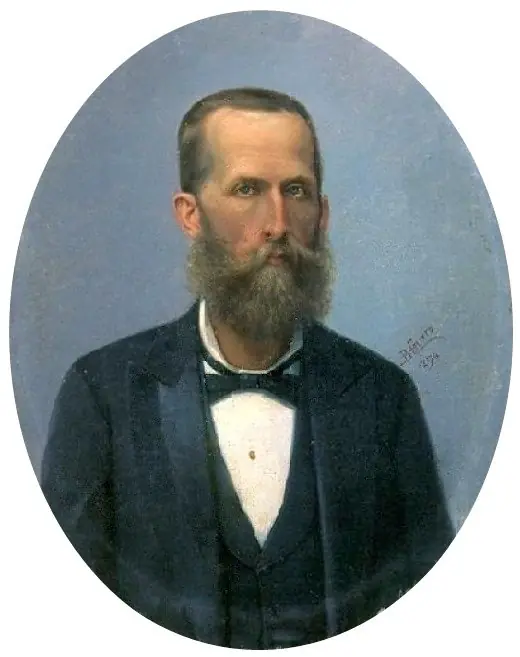 Portrait of Francisco Mariano Corrêa de Moraes
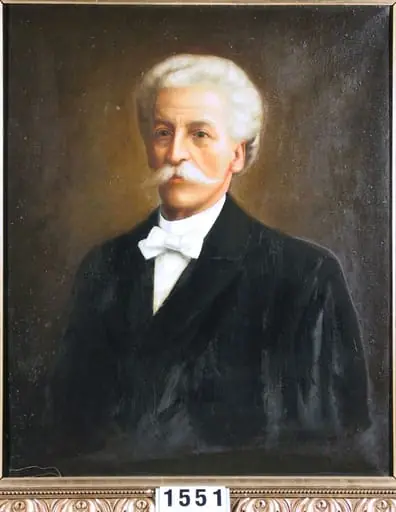 Iosif Șterca Șuluțiu
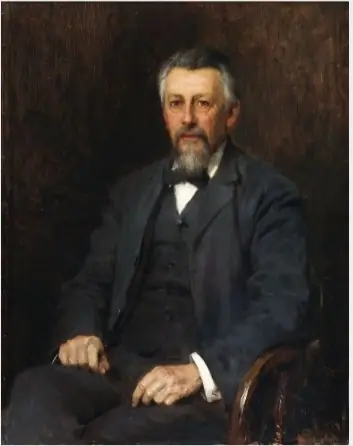 Portrait of Edward Dowden (1843-1913), Poet and Scholar
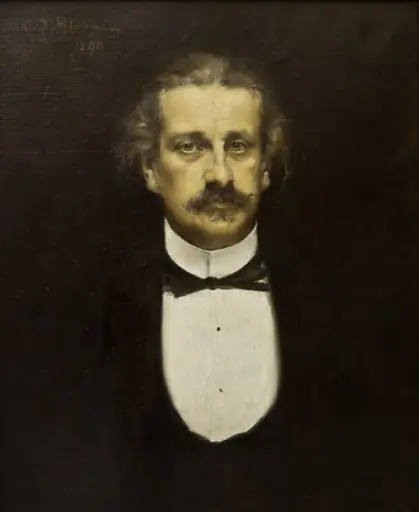 Portretul scriitorului Alexandru Odobescu
 Portretul lui Drotleff
 Self-portrait
 Portrait of Mr. Sívori
 Portrait of Dr Feliks Sommer
 João Alves Rubião Junior