Artwork
Portret van Auguste Waets
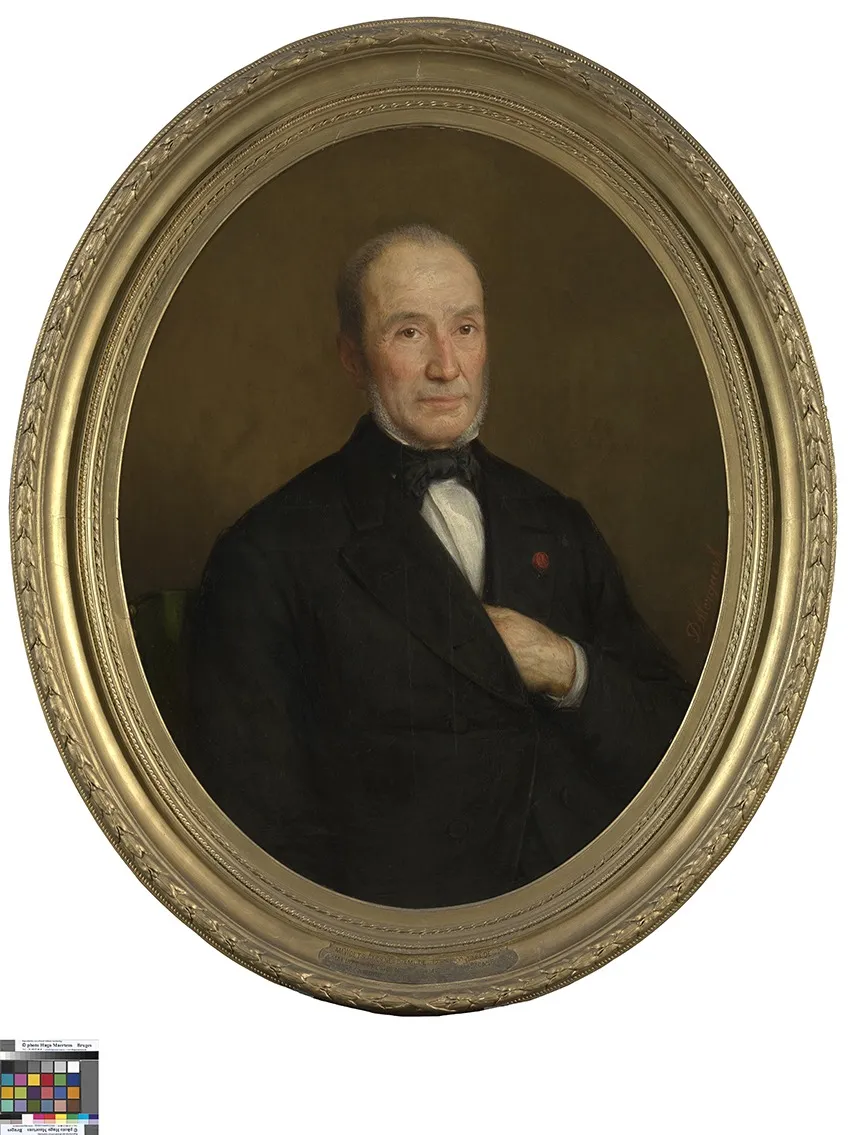
Portret van Auguste Waets is an oil painting by Désiré Mergaert. It dates from 1829 and is held in the collection of the Groeningemuseum.
About this work
If you're interested in learning more about the artist's technique, you might want to explore the use of chiaroscuro in art.
This painting depicts a man in a black suit with a white shirt and black bow tie, his right hand tucked into his jacket. The man's face is pale, with dark hair and a mustache. He stands in front of a brown wall, and the painting is framed in gold.
The man's attire and the style of the painting suggest it may be from the 19th century. The artist's use of dark colors and shading creates a sense of depth and dimensionality.
If you're interested in learning more about the artist's technique, you might want to explore the use of chiaroscuro in art.
Overview
Désiré Mergaert’s oil portrait, executed in 1829, presents a solitary male figure dressed in a formal black suit with a white shirt and a black bow tie. The sitter’s right hand is concealed within his jacket, and he stands before a muted brown wall. The work is part of the collection of the Groeningemuseum.
Subject & Meaning
The portrait captures a gentleman of the early nineteenth century, his pale complexion and neatly trimmed mustache suggesting a respectable social standing. The restrained pose and subdued expression convey a sense of decorum typical of portraiture intended to record personal identity rather than narrative drama.
Technique & Style
Mergaert employs a limited palette of dark tones, allowing the contrast between the black attire and the lighter skin to model the figure’s volume. Subtle chiaroscuro creates depth, while the smooth brushwork renders the fabric’s texture and the background’s plainness without ornamental distraction.
History & Provenance
Created in 1829, the painting entered the holdings of the Groeningemuseum, where it remains on display. Its acquisition reflects the museum’s focus on regional 19th‑century art, preserving Mergaert’s contribution to Belgian portraiture.
Context
The work belongs to a period when portraiture served both as personal commemoration and as a marker of social status. The formal dress and compositional restraint align with contemporary conventions in European art, where the sitter’s attire often signaled professional or bourgeois identity.
Artist & collection

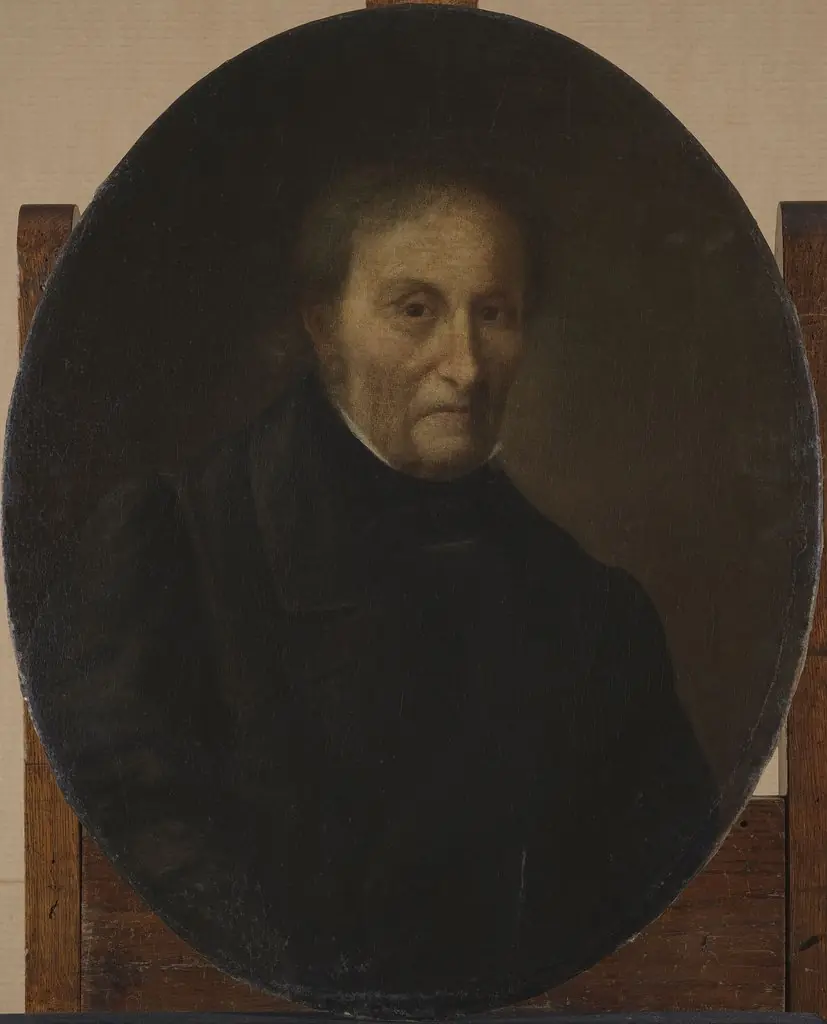 Portrait of Wiktor Grajewski, the last border judge in Samogitia
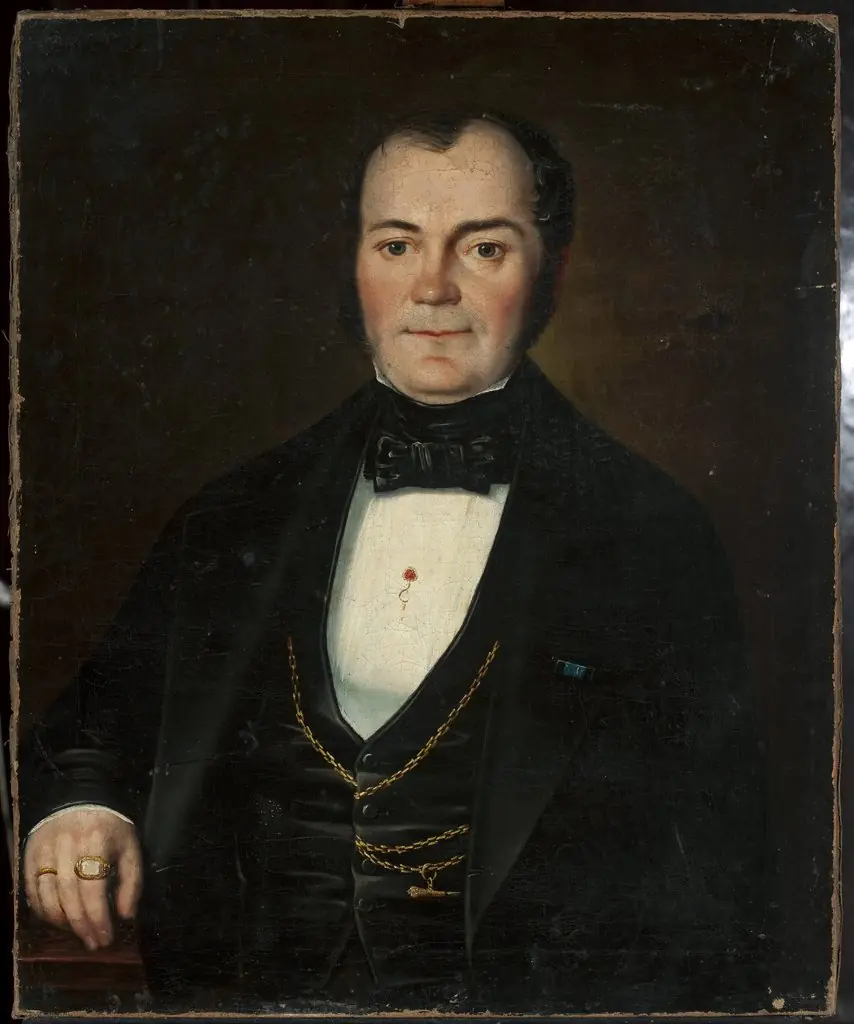 Portrait of a man
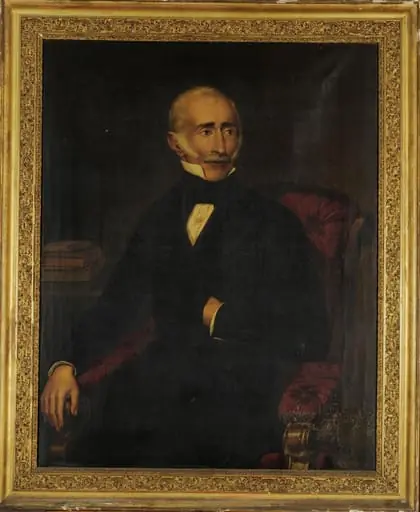 Προσωπογραφία του Ανδρέα Λουριώτη
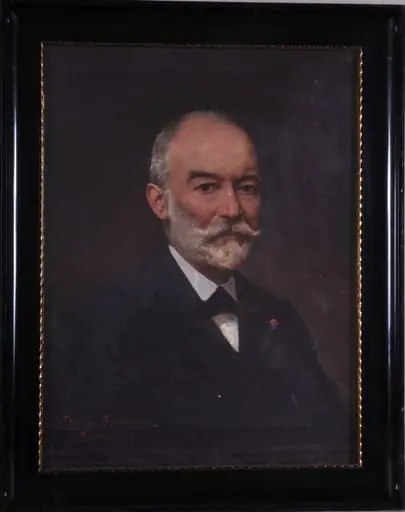 Dimitrie Alexandru Sturdza-Miclăușanu
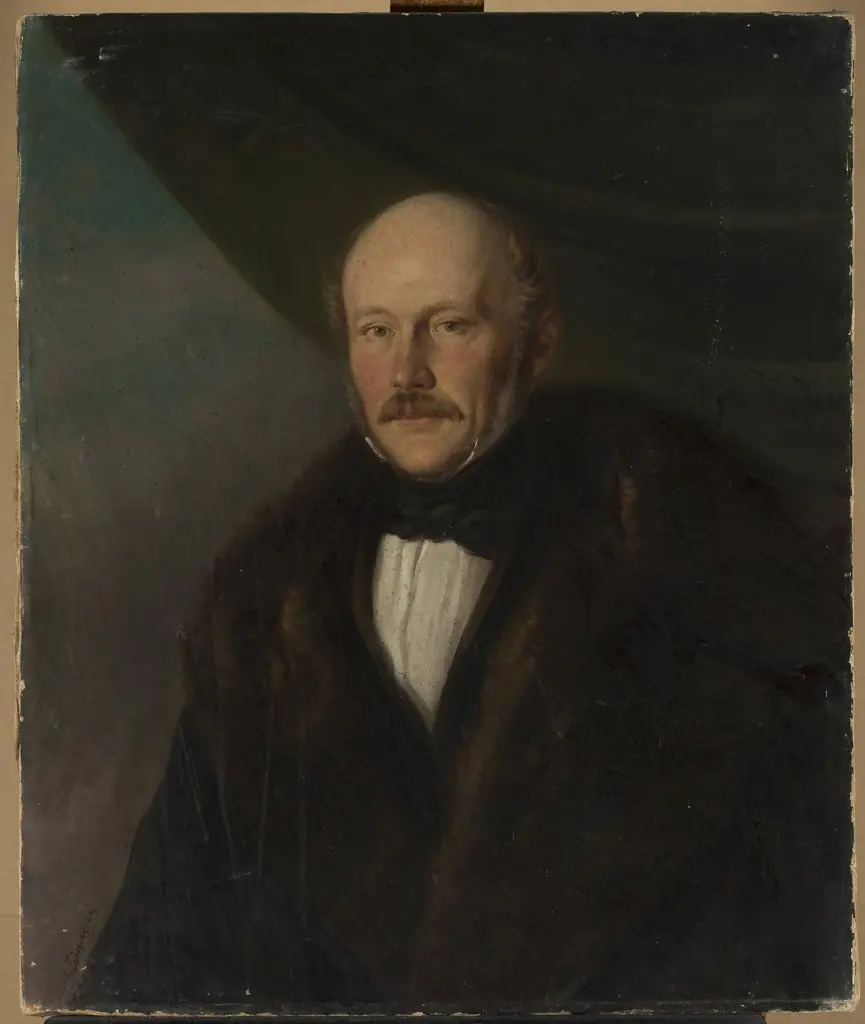 Portrait of Edward Szydłowski
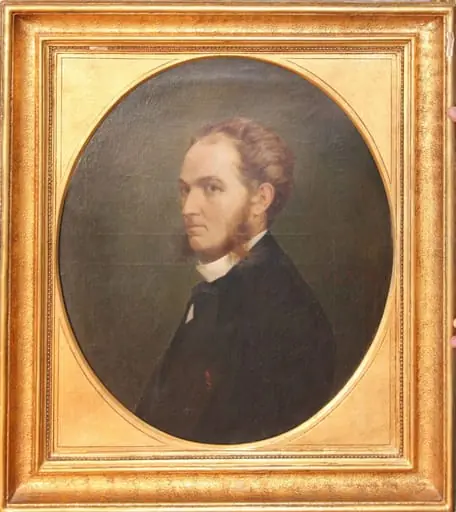 Portret Carol Davila
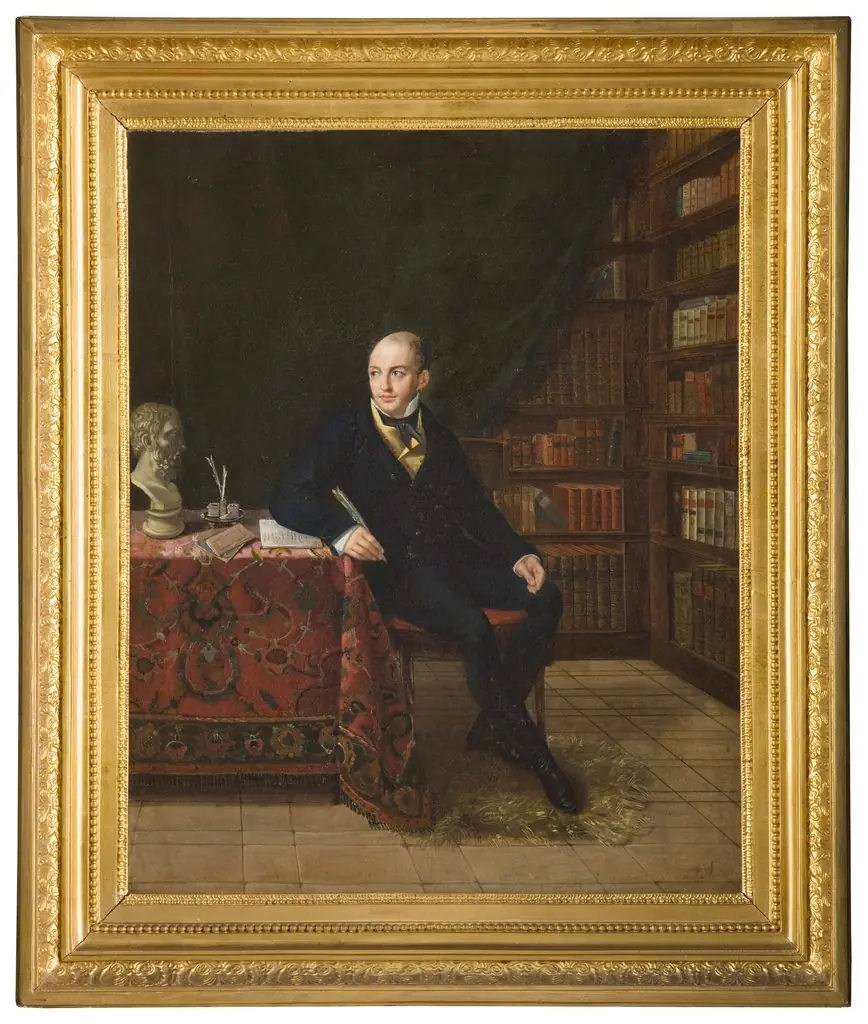 Portrait of Louis de Potter (1786-1859)
 The Painter Jacob Jacobs
 Portrait of a man with grey side-whiskers
 Ebenezer Cooper, Llangollen