Artwork
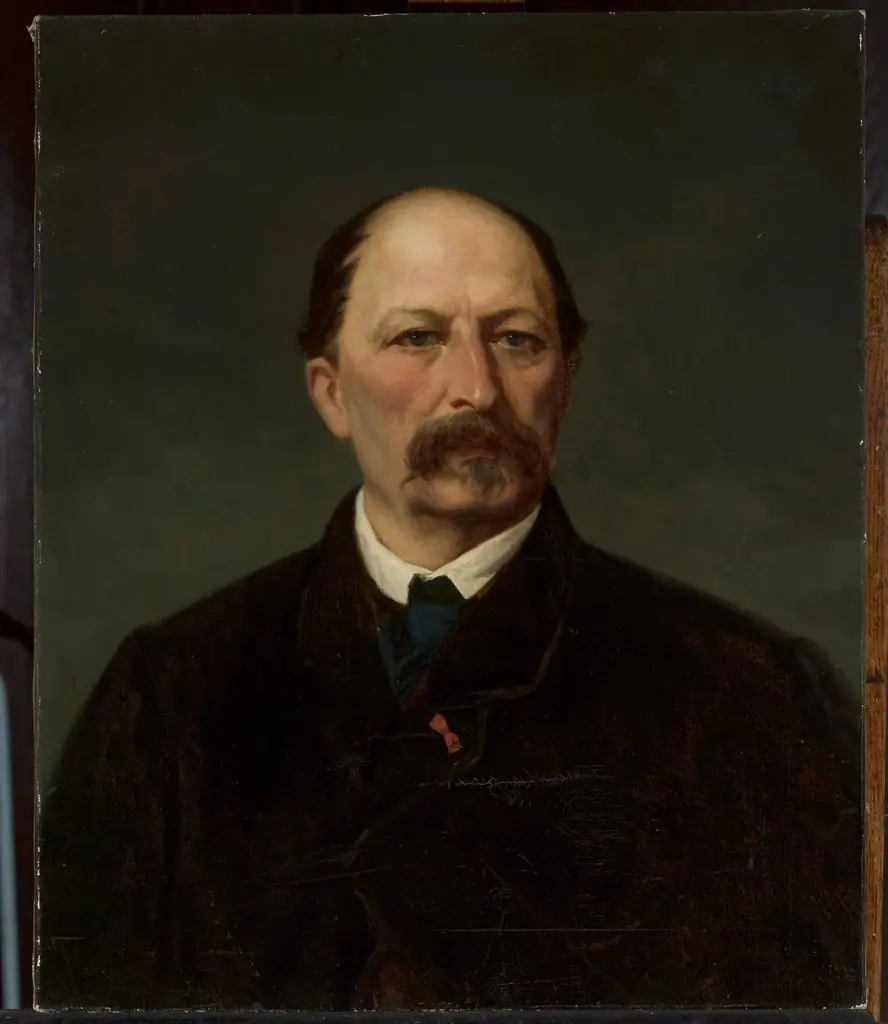
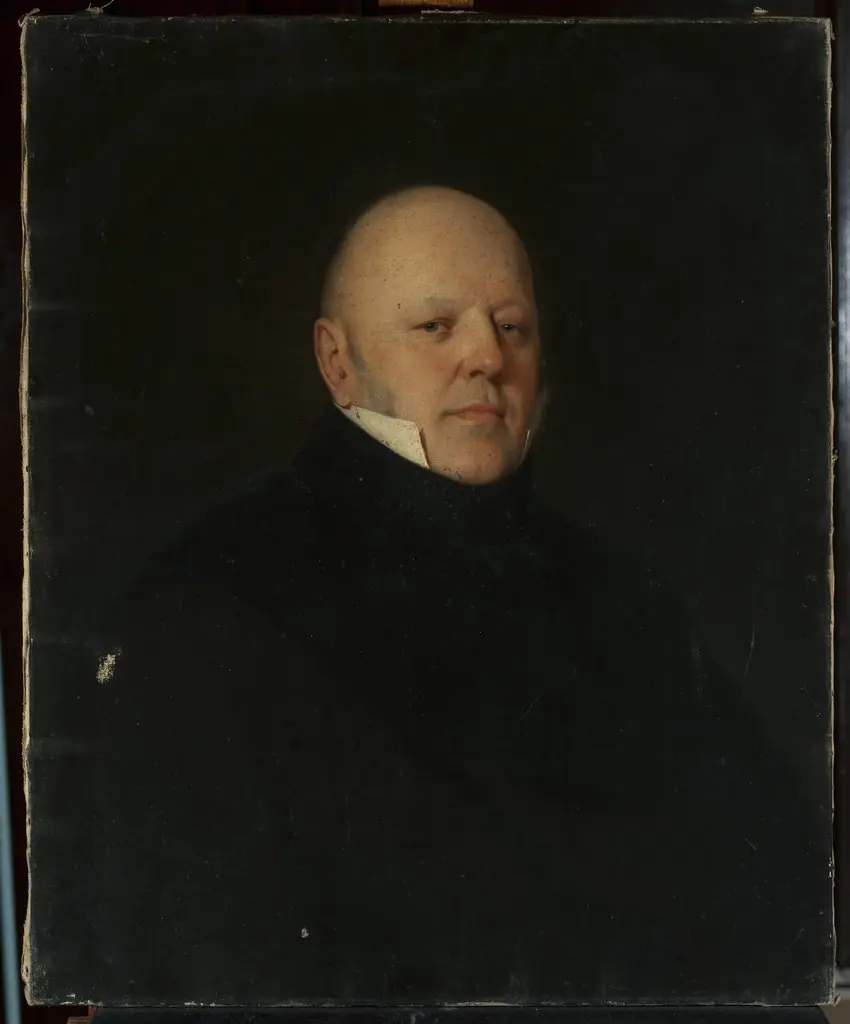
Portrait of Edward Szydłowski
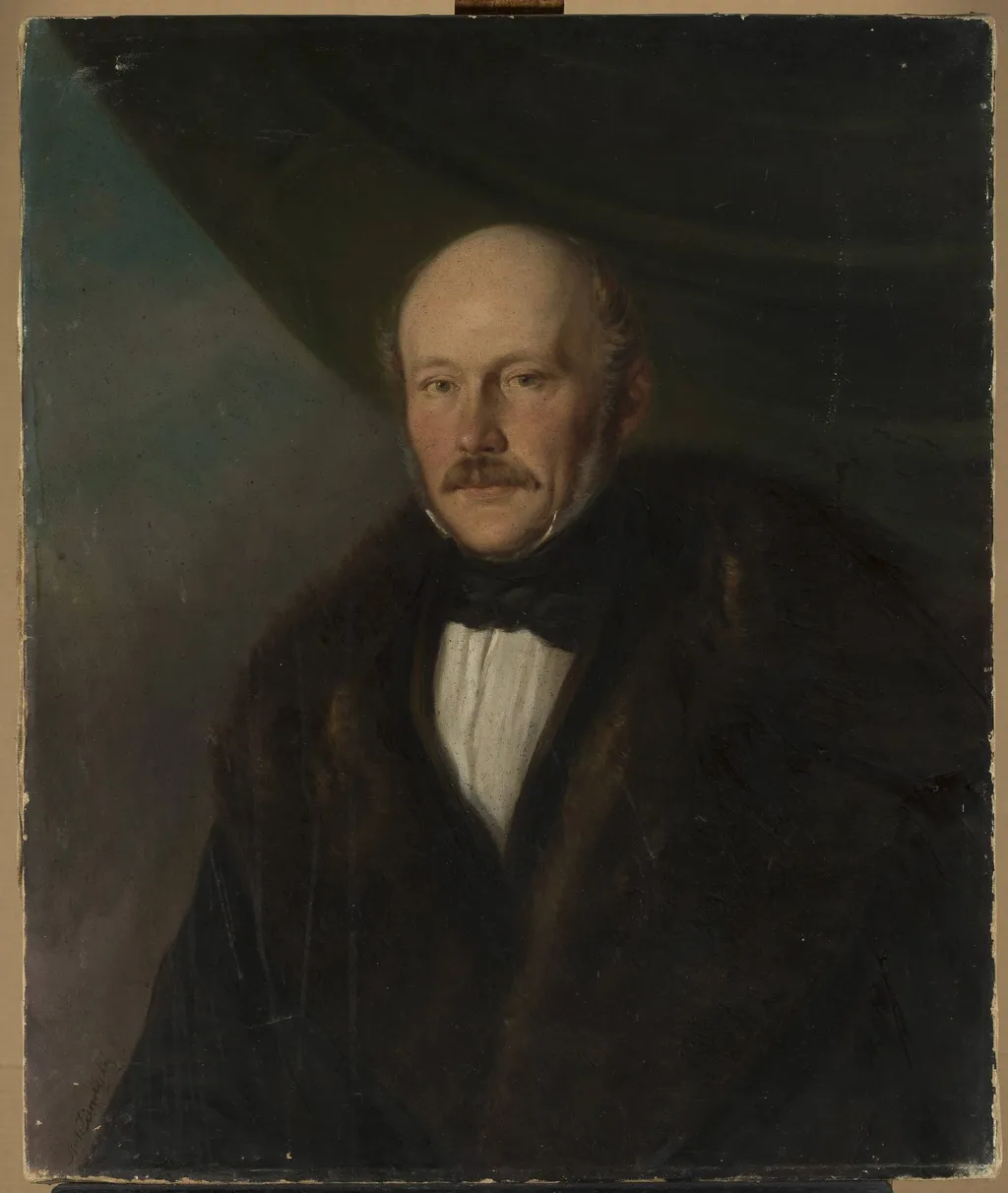
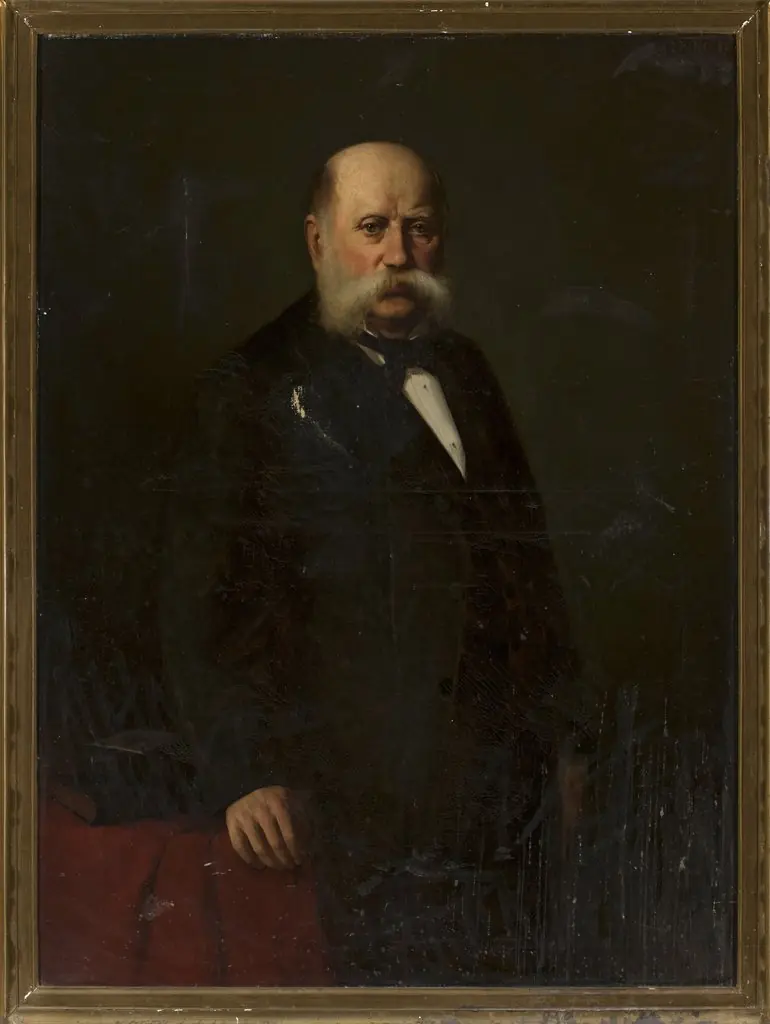
Portrait of Edward Szydłowski is an oil painting by Antoni Ziemięcki. It is held in the collection of the National Museum in Warsaw.
About this work
Overview
Portrait of Edward Szydłowski is an oil painting by Polish artist Antoni Ziemięcki, created in the 19th century.
Portrait of Edward Szydłowski is an oil painting by Polish artist Antoni Ziemięcki, created in the 19th century. It portrays a man of modest social standing, rendered with quiet formality. The work is part of the collection at the National Museum in Warsaw, where it serves as an example of domestic portraiture from the period, reflecting the era’s emphasis on individual dignity through restrained composition.
Subject & Meaning
The subject, Edward Szydłowski, is depicted with a receding hairline and dressed in a dark coat over a white shirt, suggesting a man of professional or bourgeois status. His expression is calm and direct, avoiding theatricality. The absence of symbolic objects or elaborate settings shifts focus to the individual’s presence, emphasizing personal identity over social display, typical of mid-19th-century Polish portraiture.
Technique & Style
Ziemięcki employs chiaroscuro to model the face and torso, creating subtle volume against a dark, gradated background. The brushwork is controlled, with soft transitions between light and shadow, avoiding sharp outlines. The texture of fabric is suggested rather than meticulously detailed, prioritizing atmospheric cohesion over ornamental precision. This restrained approach reflects academic training tempered by personal observation.
History & Provenance
The painting entered the National Museum in Warsaw’s collection in the late 19th or early 20th century, likely through acquisition or donation. Its provenance before that is undocumented, but its subject’s name suggests a connection to Polish intellectual or civic circles. The work remained relatively obscure outside institutional circles, preserved more as a regional example than a celebrated portrait.
Context
Created during a period of Polish partitions, the portrait reflects a cultural effort to affirm individual identity amid political fragmentation. While grand historical or aristocratic portraits dominated public spaces, intimate likenesses like this one circulated among families and local institutions, preserving a sense of personal and national continuity through quiet, unadorned representation.
Legacy
Though not widely exhibited beyond Poland, the portrait contributes to understanding the breadth of 19th-century Polish painting beyond monumental works. It exemplifies how artists like Ziemięcki captured ordinary subjects with dignity, offering insight into the visual culture of the middle class during a time when national expression was often constrained by external rule.
Artist & collection
Artist
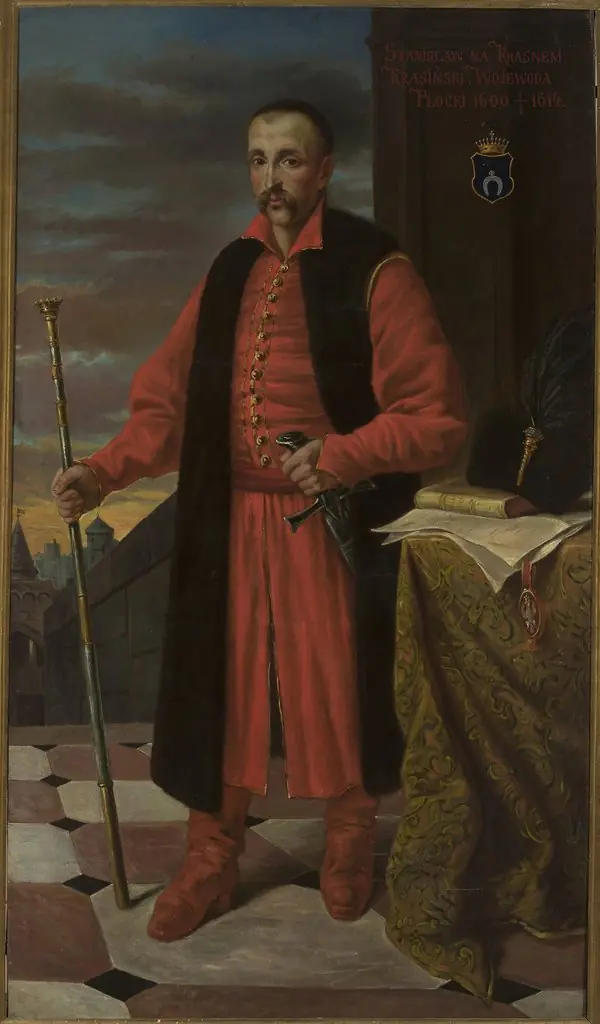
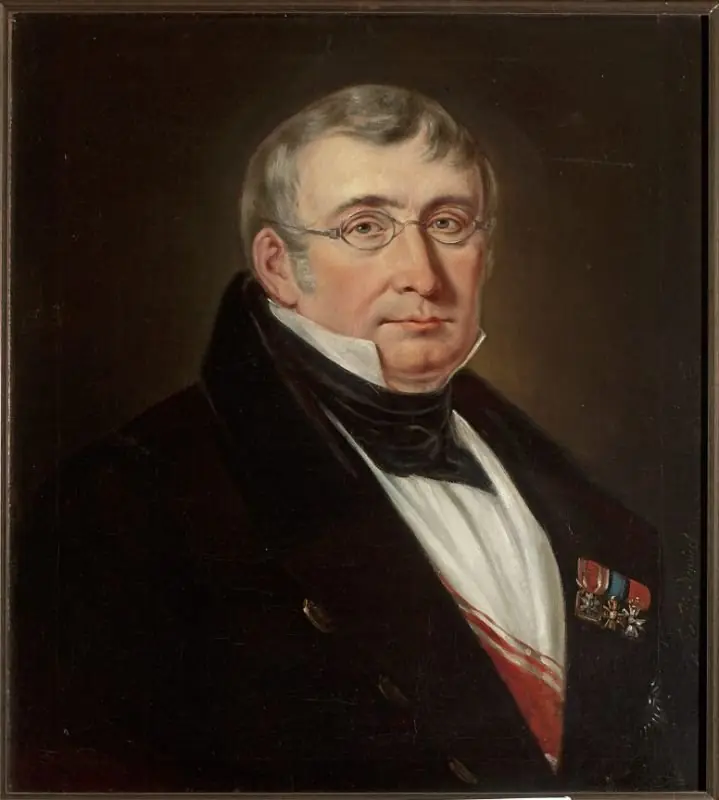
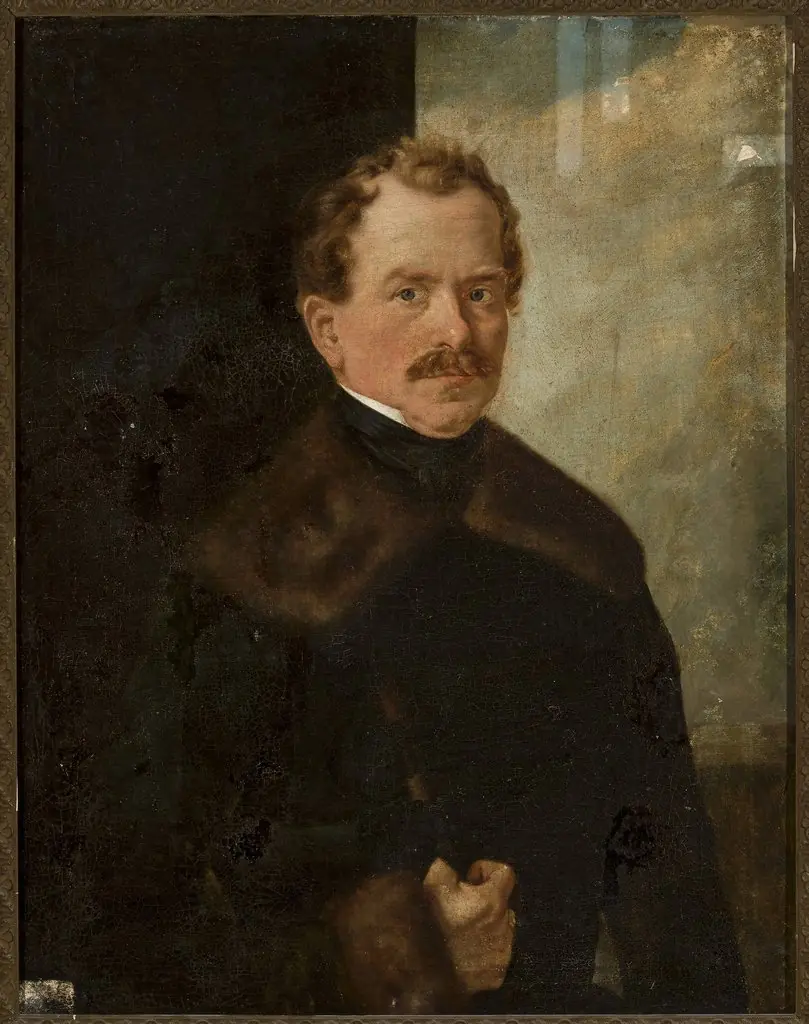
Antoni Ziemięcki painted formal oil portraits in mid-1800s Warsaw. Three survive in this set: a stiff-collared Portrait of Count Józef Krasiński, a dark coat-and-ruff Portrait of Stanisław Krasiński (voivode of Płock),…