Artwork
Portret Carol Davila
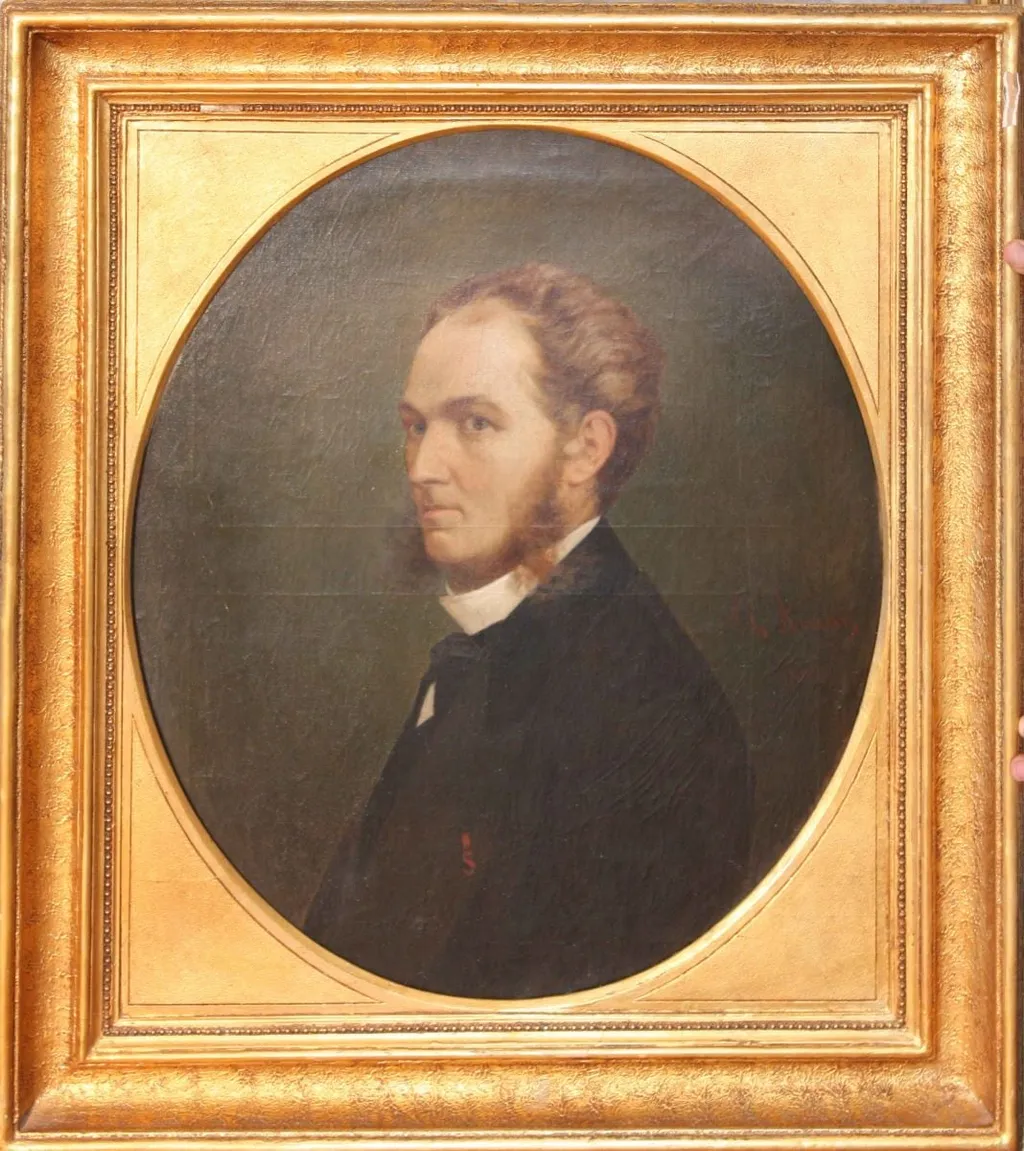
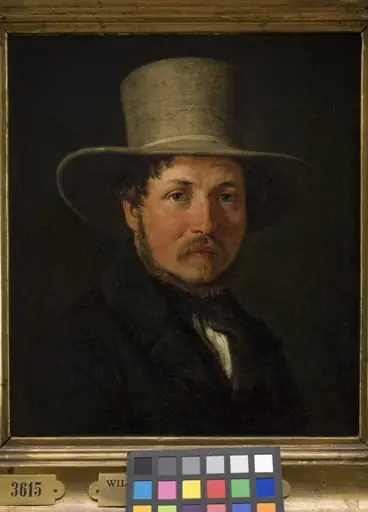
Portret Carol Davila is an unspecified painting by the Impressionist artist Theodor Aman. It dates from 1869 and is held in the collection of the Brașov Art Museum.
About this work
Overview
Executed in oil on a circular panel, the composition emphasizes the sitter’s presence through a restrained palette and soft modeling.
Painted in 1869 by Theodor Aman, this portrait depicts Carol Davila, a prominent Romanian physician and public figure. Executed in oil on a circular panel, the composition emphasizes the sitter’s presence through a restrained palette and soft modeling. The gold frame with ornamental detailing complements the intimate scale and formal tone of the work, reflecting 19th-century conventions for honoring civic leaders.
Subject & Meaning
Carol Davila, a key figure in modernizing Romania’s medical infrastructure, is portrayed with quiet dignity. His red curls and composed expression suggest both individuality and gravitas. The absence of symbolic objects or elaborate setting directs focus to his character, conveying a sense of intellectual seriousness and personal resolve, consistent with his public role as a reformer and educator.
Technique & Style
Aman employed delicate brushwork to render the sitter’s face and shoulders, with subtle gradations of light enhancing facial contours. The dark, neutral background isolates the figure, reinforcing the portrait’s introspective mood. The circular format, uncommon for formal portraiture, adds a sense of intimacy, while the soft edges and muted tones reflect a preference for naturalism over theatricality.
History & Provenance
Commissioned during Davila’s tenure as Romania’s Minister of Public Health, the portrait likely served to commemorate his contributions to national health reforms. It remained within Romanian institutional collections, possibly in medical or governmental archives, before entering public museum holdings. Its preservation reflects the enduring respect for Davila’s legacy in Romanian society.
Context
Created in the decades following Romania’s unification, the portrait aligns with a broader cultural movement to visually affirm national identity through depictions of civic leaders. Aman, a key figure in Romanian academic art, often portrayed intellectuals and officials, contributing to a visual canon that linked personal character with public service during a period of state-building.
Legacy
The portrait endures as a representative example of Romanian academic portraiture from the late 19th century. It preserves the likeness of a pivotal medical reformer and exemplifies Aman’s ability to merge psychological depth with formal restraint. Its continued display in public institutions underscores its role in documenting Romania’s professional and cultural evolution.
Artist & collection
Artist

 Portrait of a man
 Portret van Jacques De Mersseman
 Portrait of a man
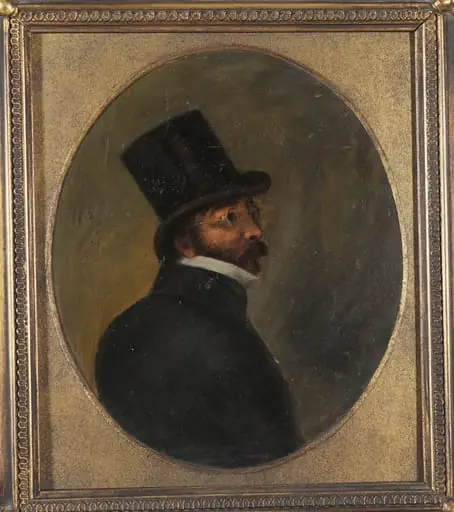 Προσωπογραφία του Αλεξάνδρου Μαυροκορδάτου
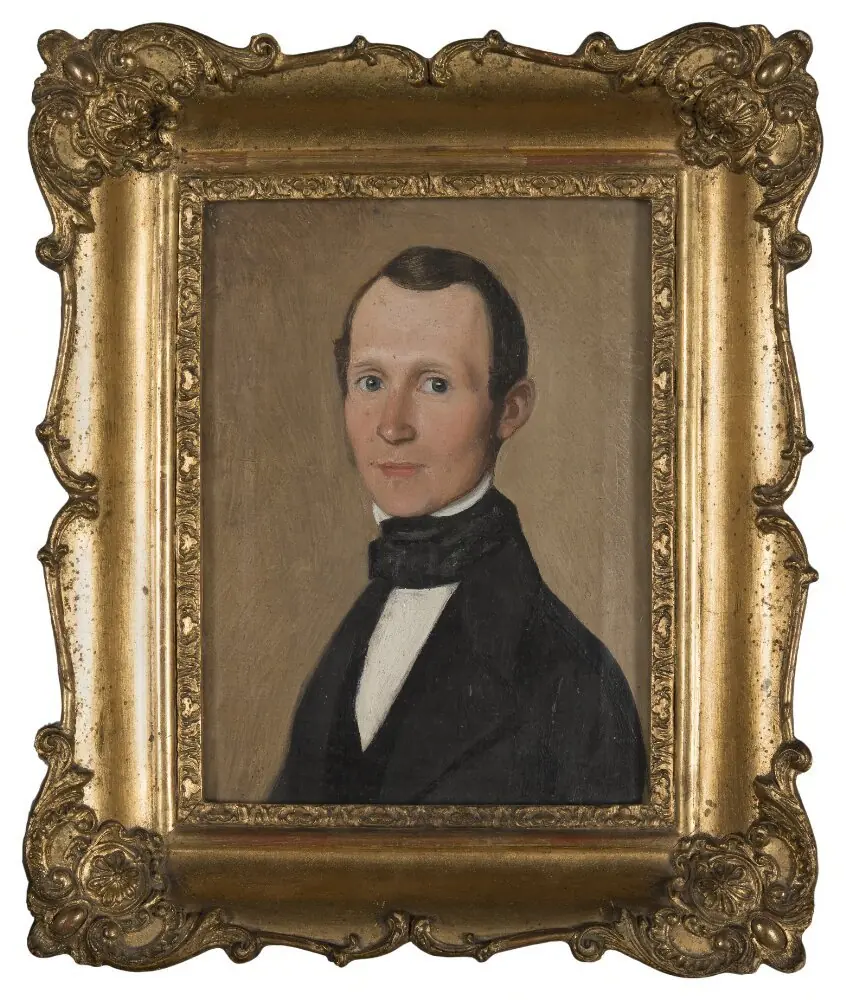 Fredrik Signeul (1810 - 1890), Paint Manufacturer, Director of an Orphanage in Uddevalla
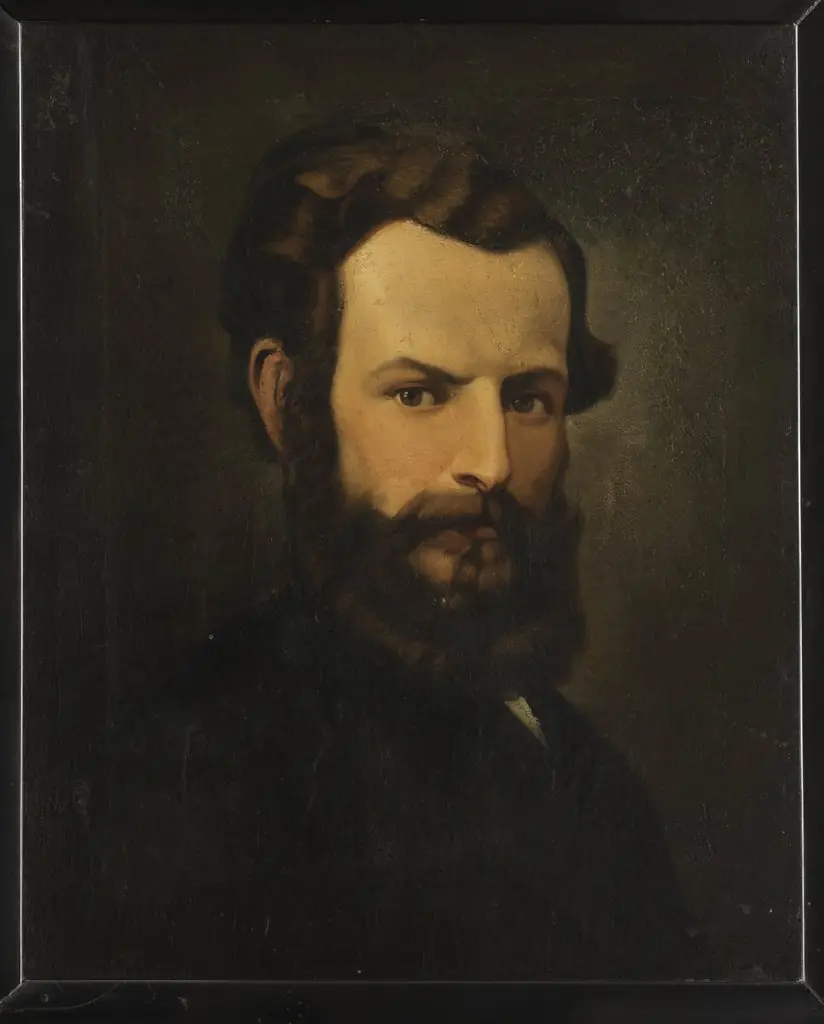 Portrait of Rafał Krajewski, member of the National Government in 1863
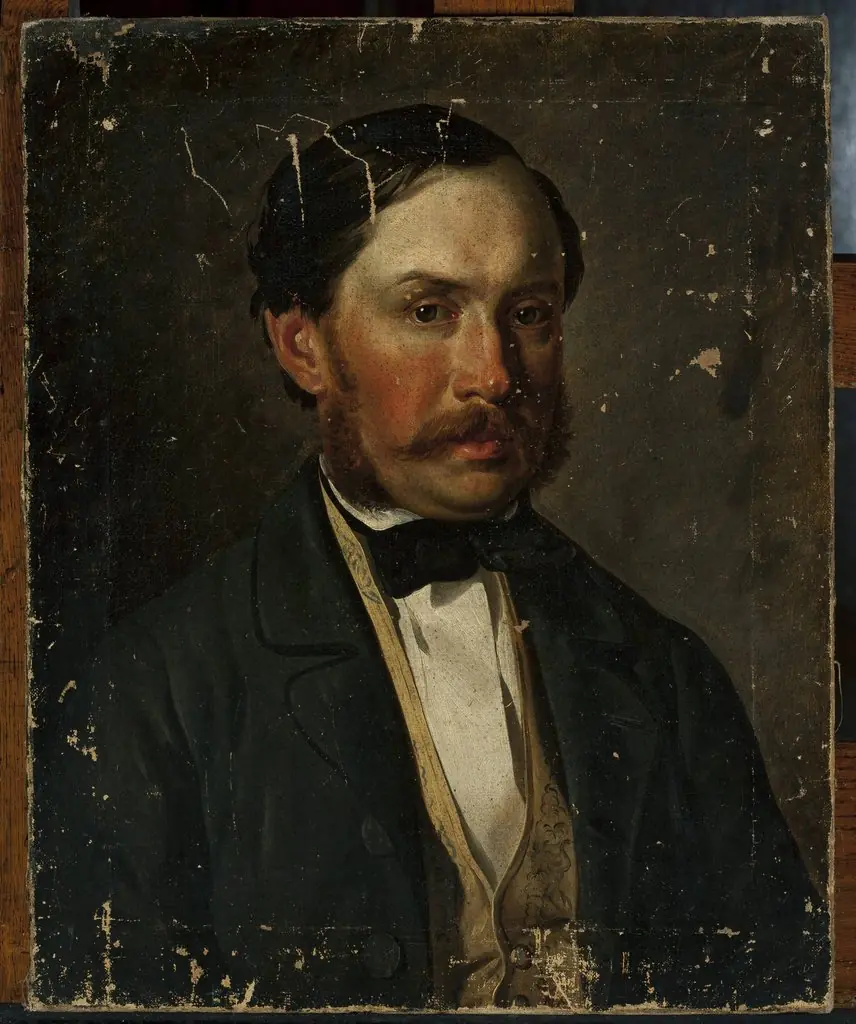 Portrait of Aleksander Odrowąż Bębnowski
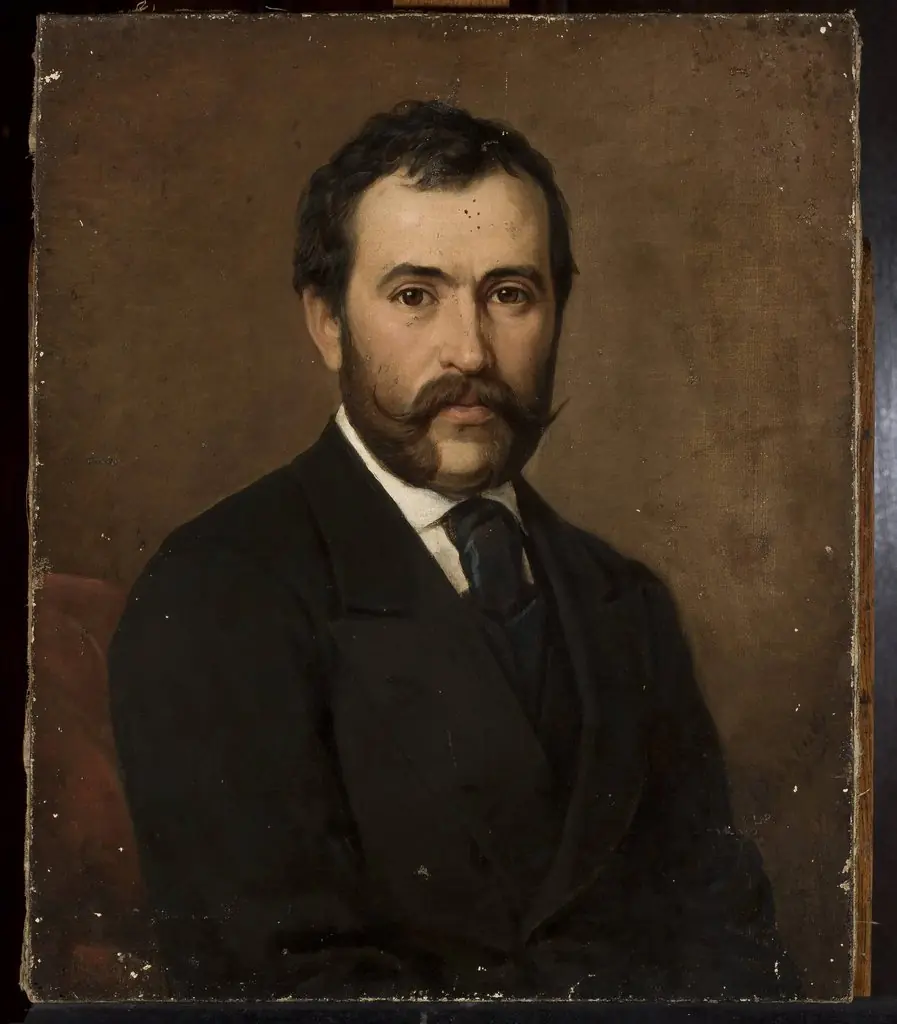 Male portrait
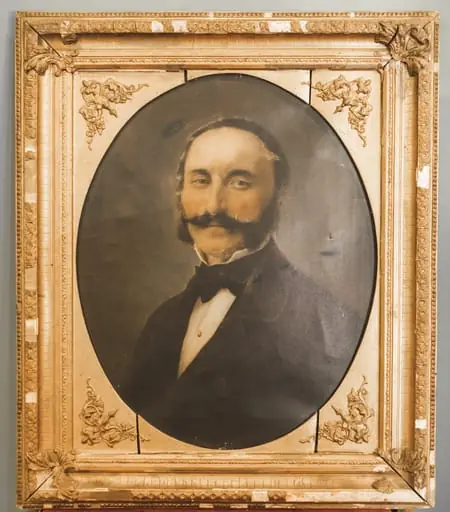 Vornicul Iancu Prăjescu
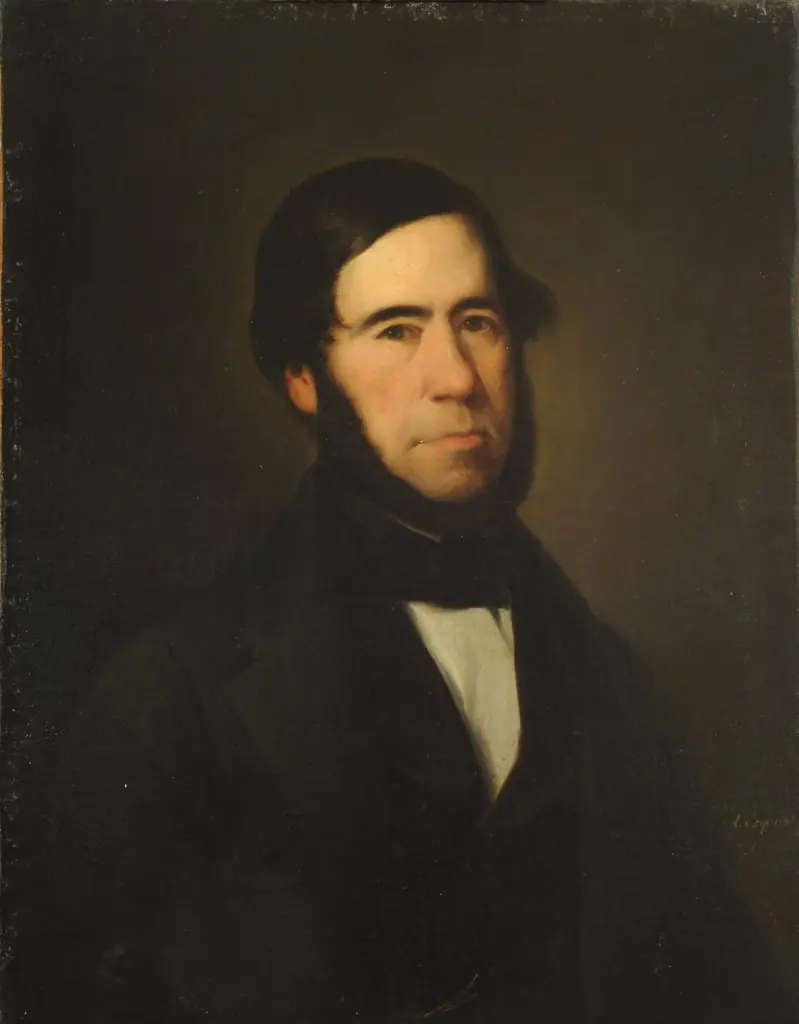 Portrait of Don Manuel José de Guerrico
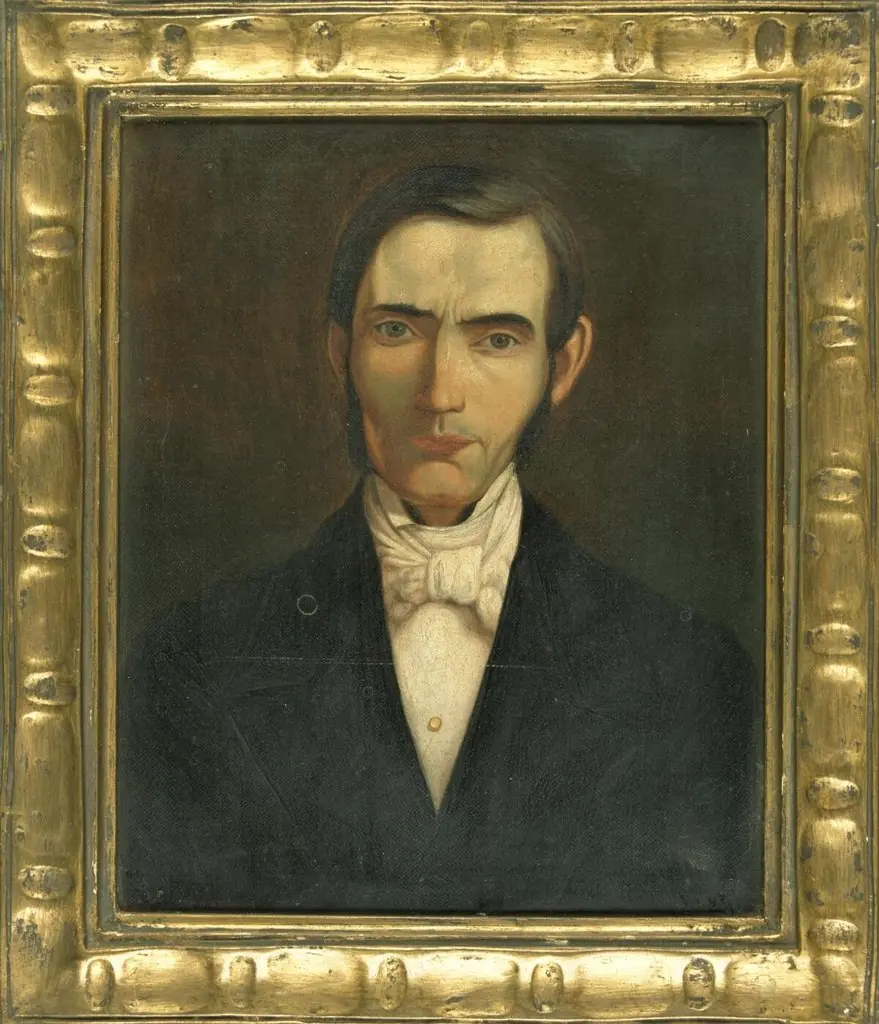 W. M. Williams
 The Painter Christen Købke