Artwork
Landscape with Daoist Immortals Playing Weiqi
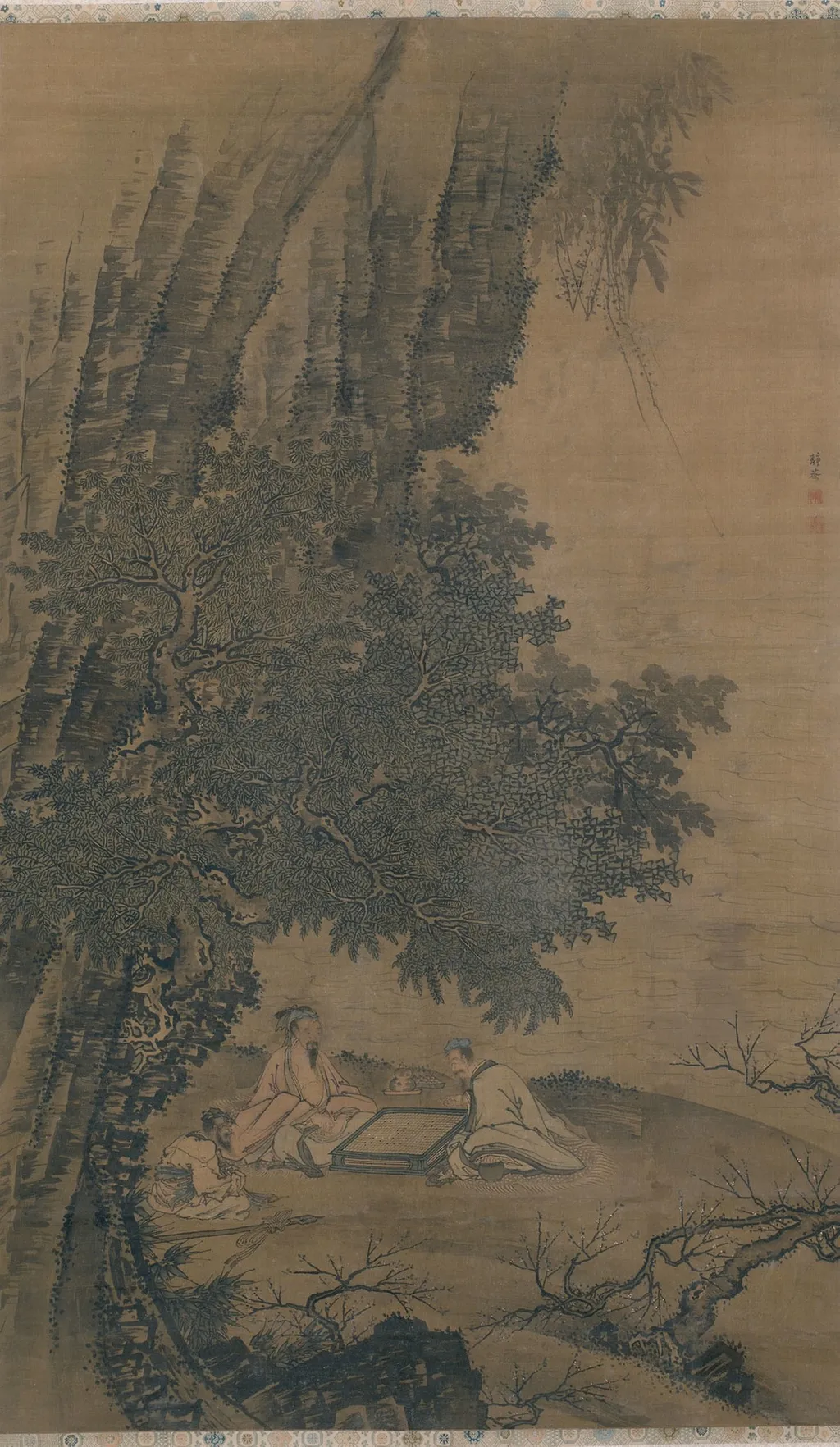
Landscape with Daoist Immortals Playing Weiqi is an unspecified painting by the Ming dynasty painting artist Dai Jin. It dates from 1449 and is held in the collection of the Art Institute of Chicago.
About this work
Overview
They are engaged in a game of Weiqi (Go) on a low table, their robes rendered with fluid, calligraphic strokes that contrast with the angular, textured rocks.
Painted in 1449 by Dai Jin, the founder of the Zhe School, Landscape with Daoist Immortals Playing Weiqi exemplifies the vigorous brushwork and dynamic composition characteristic of early Ming dynasty professional painting. The work depicts three figures, identified as Daoist immortals, gathered beneath a gnarled pine on a rocky outcrop. They are engaged in a game of Weiqi (Go) on a low table, their robes rendered with fluid, calligraphic strokes that contrast with the angular, textured rocks. The composition balances the intimate foreground activity against a receding background of layered hills and sparse vegetation, creating a sense of depth typical of the Southern Song tradition revived by the Zhe School. Dai Jin employs a combination of wet and dry brush techniques to define the foliage and terrain, emphasizing the spiritual seclusion of the subjects. This piece reflects the artist's ability to synthesize academic rigor with expressive energy, securing his reputation as a leading figure who bridged the gap between courtly aesthetics and the literati tradition during the mid-fifteenth century.
Subject & Meaning
The three men, dressed in flowing robes and seated beneath a solitary tree, are shown concentrating on a game of weiqi (go). Their relaxed posture and the modest setting suggest a contemplative pastime favored by Daoist hermits, emphasizing harmony between intellectual activity and the surrounding landscape.
Technique & Style
Rendered with fine brushwork, the painting relies on delicate line work to suggest foliage, rock texture, and the folds of clothing. The composition balances detailed foreground elements—the low table and board—with a softer, atmospheric background of hills and trees, reflecting the Yuan‑Ming emphasis on ink’s expressive potential.
History & Provenance
After its creation in the mid‑15th century, the scroll entered various private collections before being acquired by the Art Institute of Chicago. Its documented provenance traces a path from Chinese scholarly circles to Western institutions, illustrating the growing interest in East Asian art among European and American collectors during the 20th century.
Artist & collection
Artist
Dai Jin lived in Hangzhou, where the old Southern Song court had once ruled. He spent his days sketching boats along the river and collecting Ming-era scrolls in the same tea houses where scholars argued about art. He…

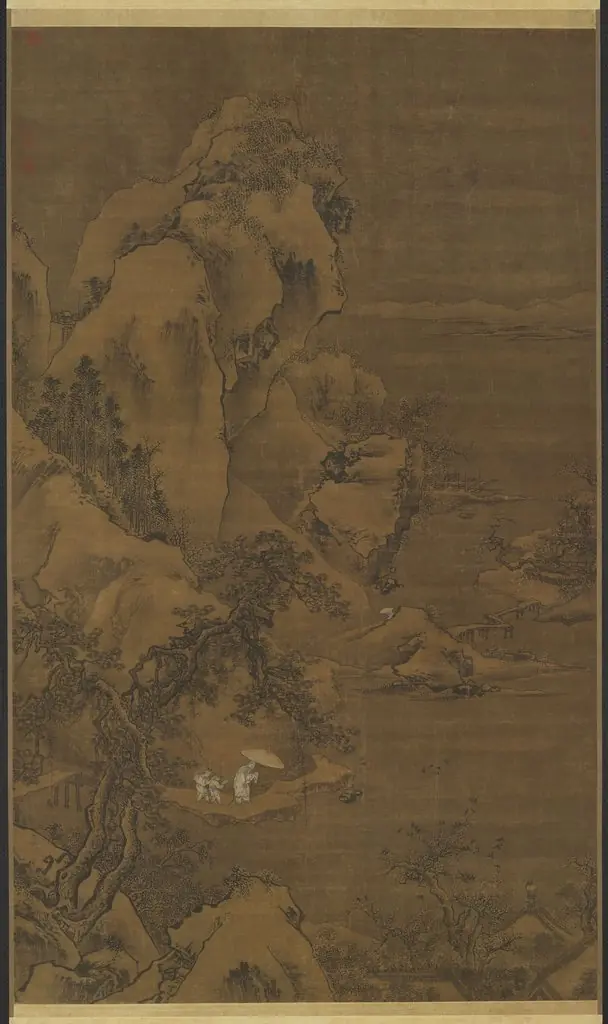 Searching for Plum Blossoms
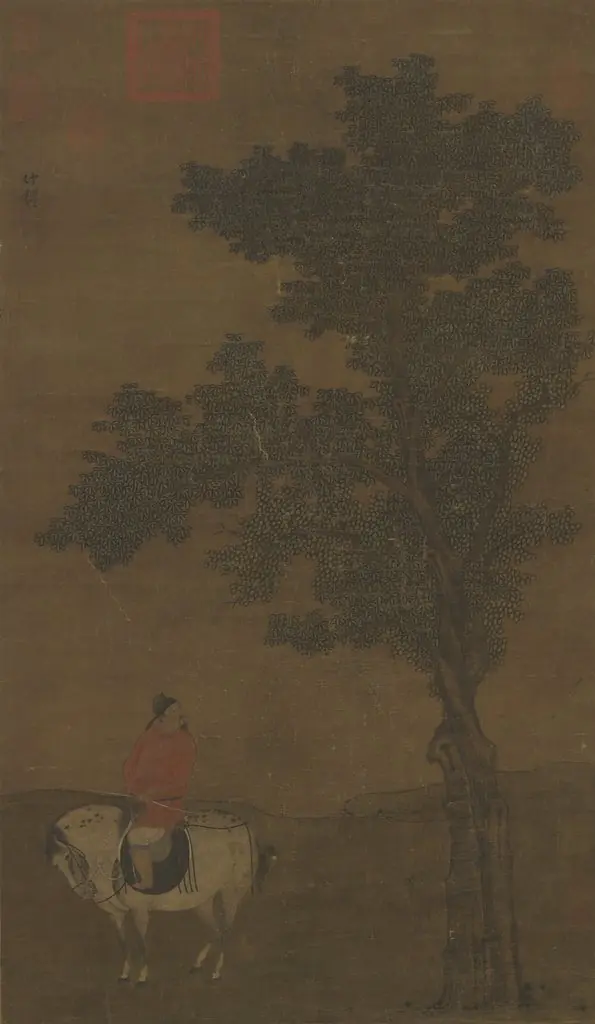 Traveling by Horseback in a Spring Countryside
 Landscape
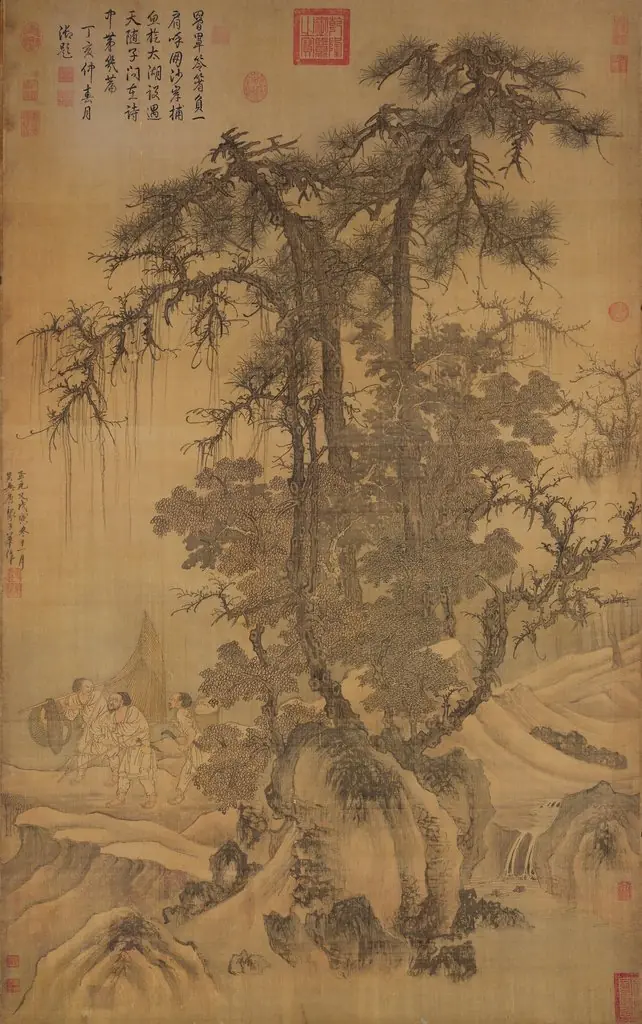 Fishermen Returning on a Frosty Bank
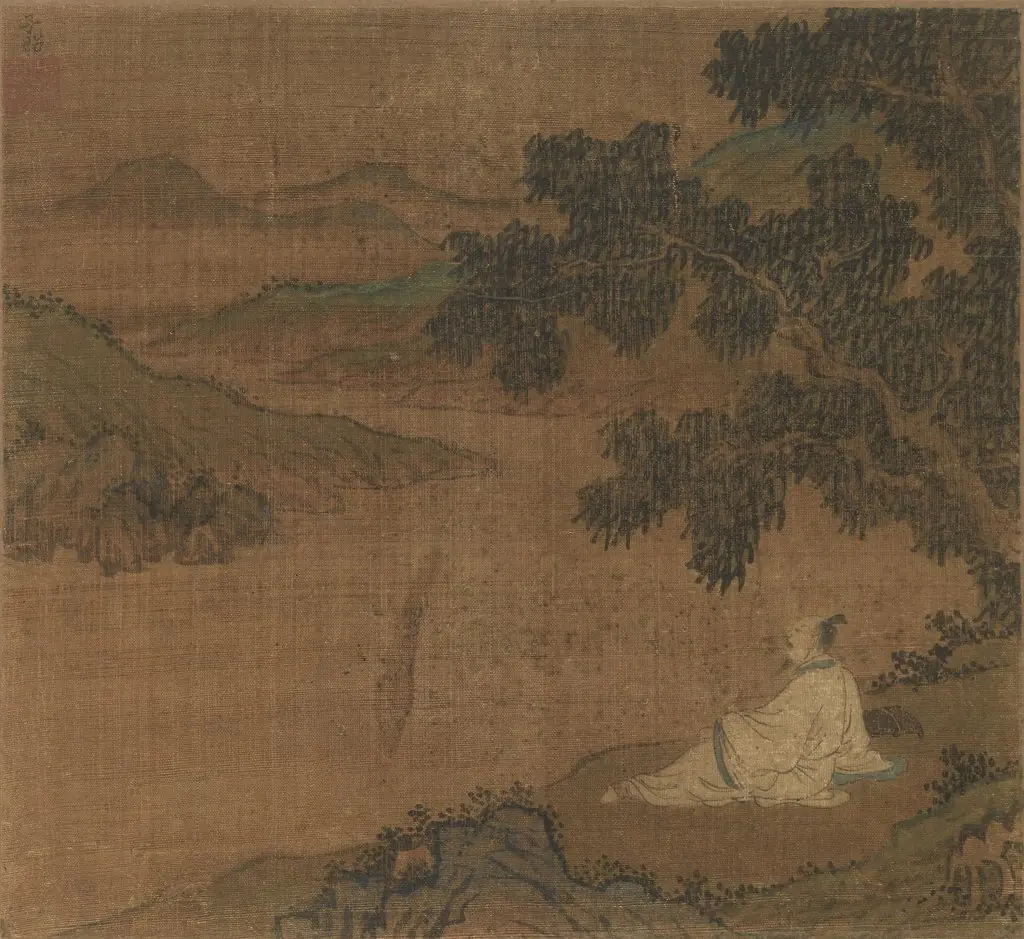 Man on a Hillside under a Tree Overlooking a River
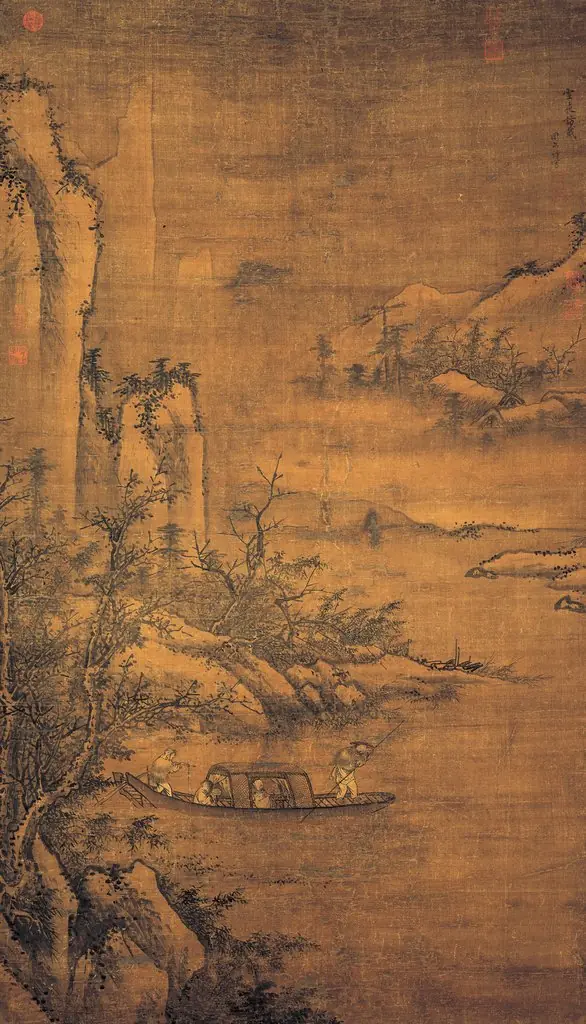 Visiting Tai Kuei on a Snowy Night
 狩野元信周辺 伯牙鍾子期図|Bo Ya Plays the Qin as Zhong Ziqi Listens
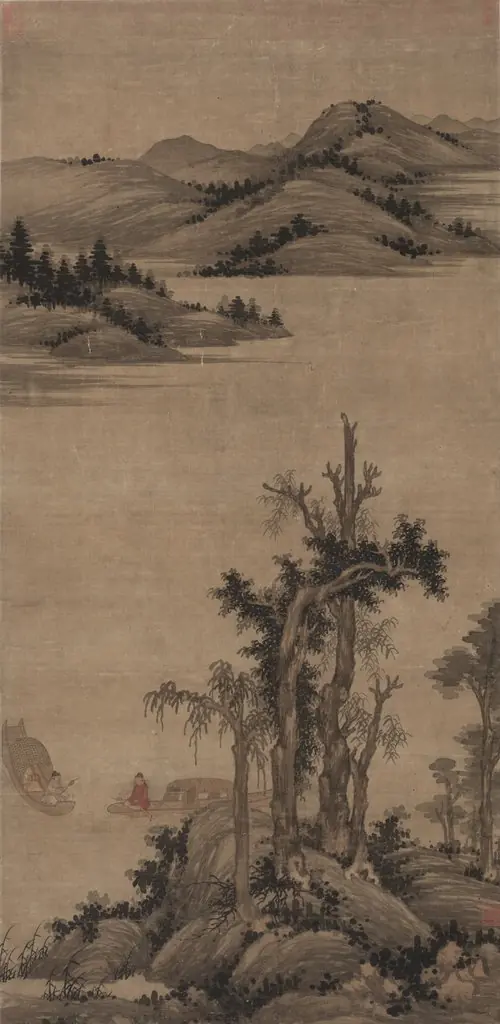 Fishermen-Hermits in Stream and Mountain
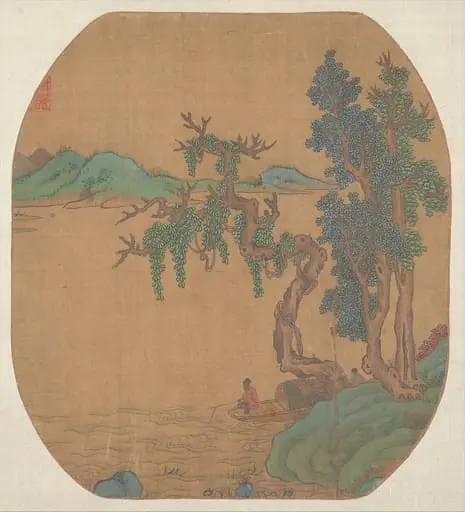 Untitled
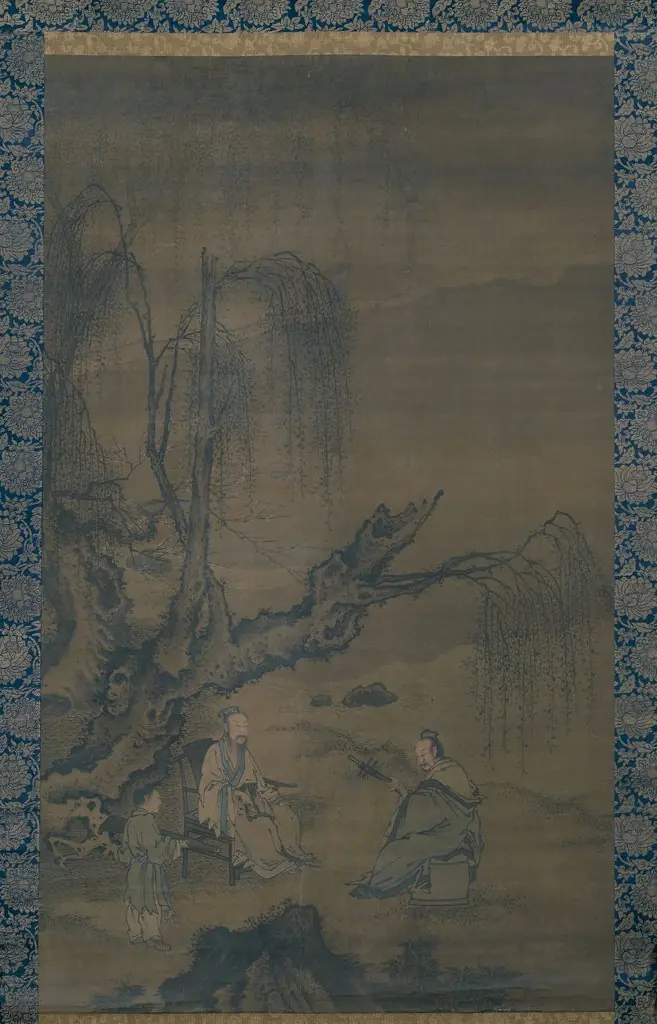 Two Scholar-Musicians in a Landscape
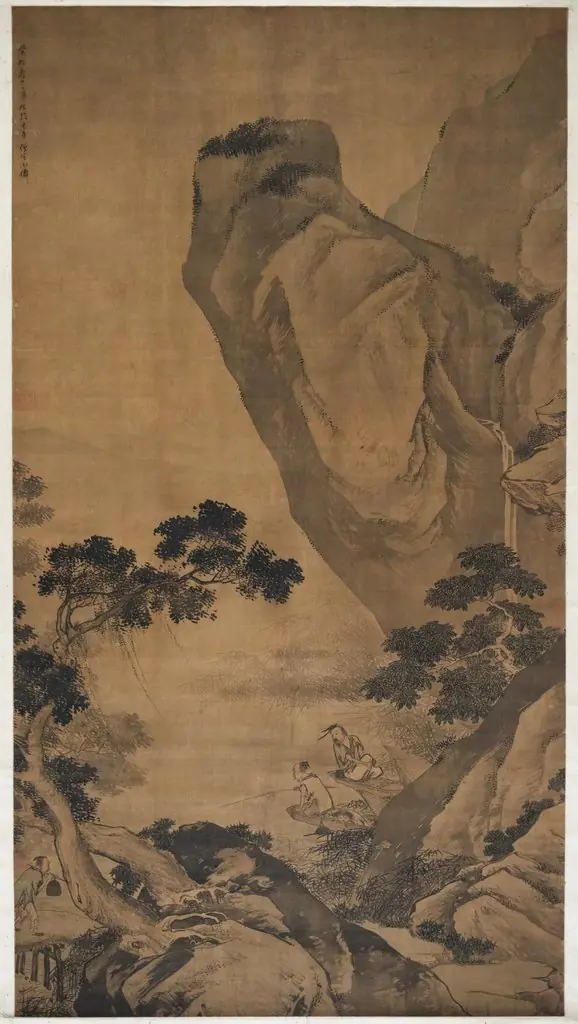 Fishing in Summer Shade