Artwork
Returning Late from a Spring Outing
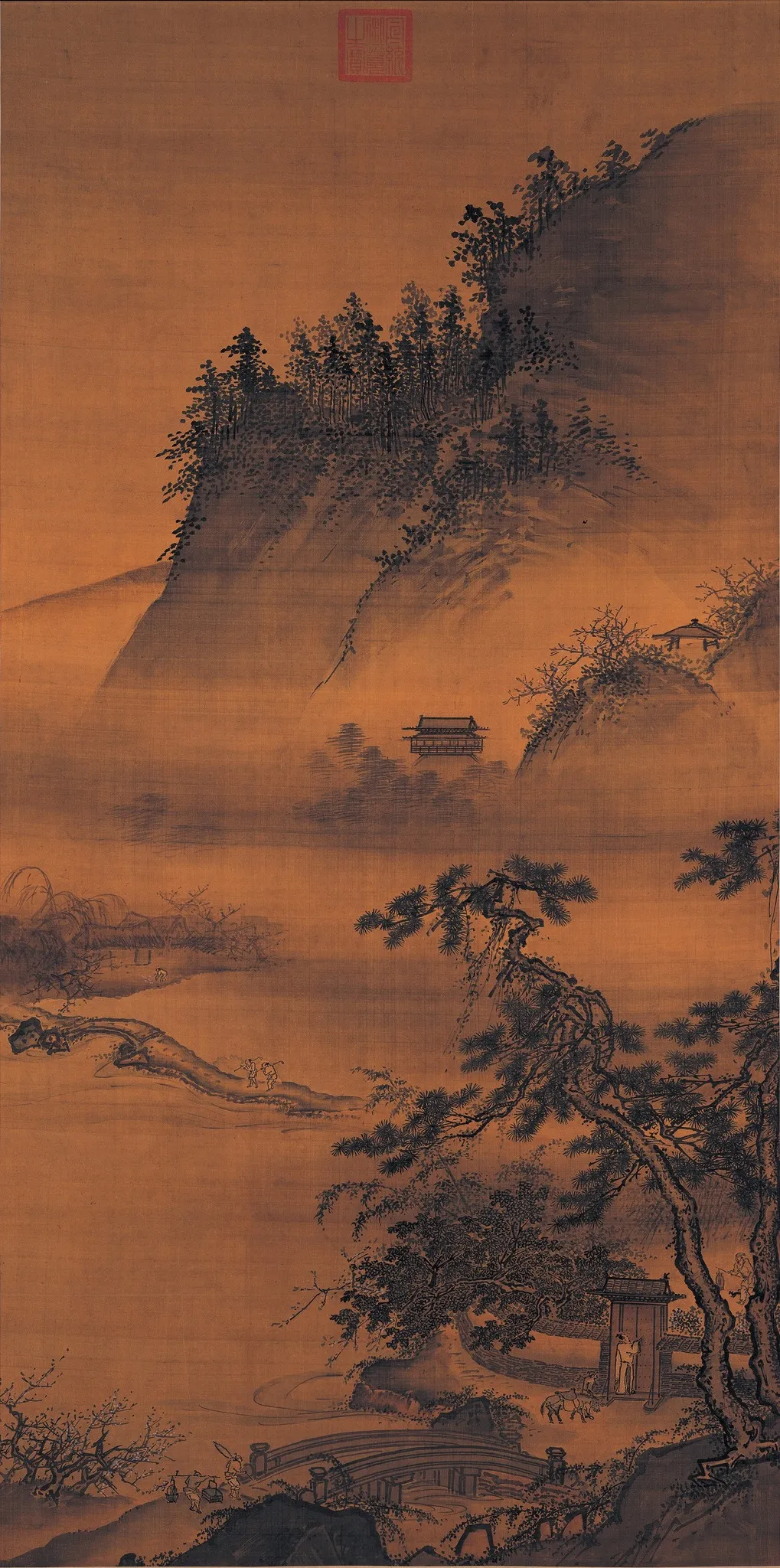
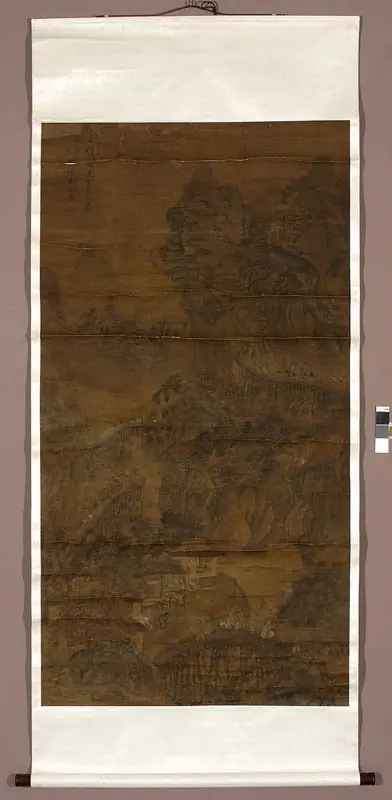
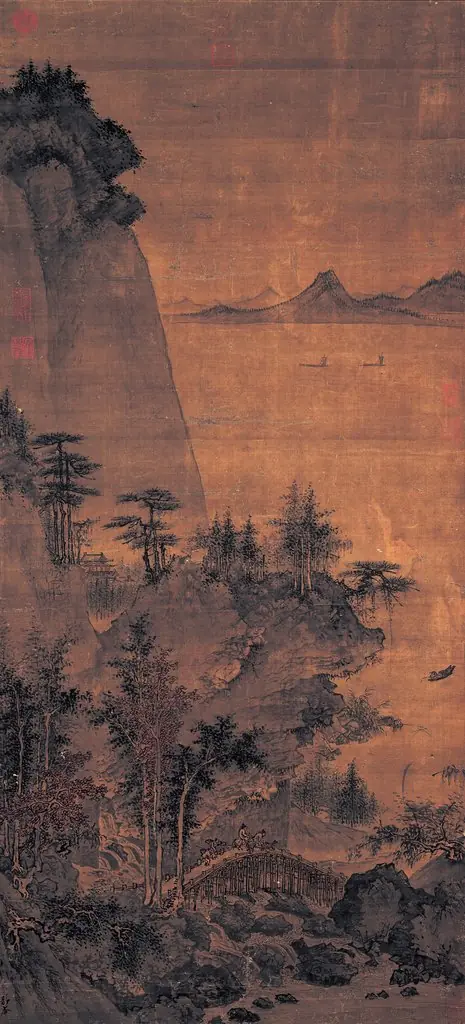
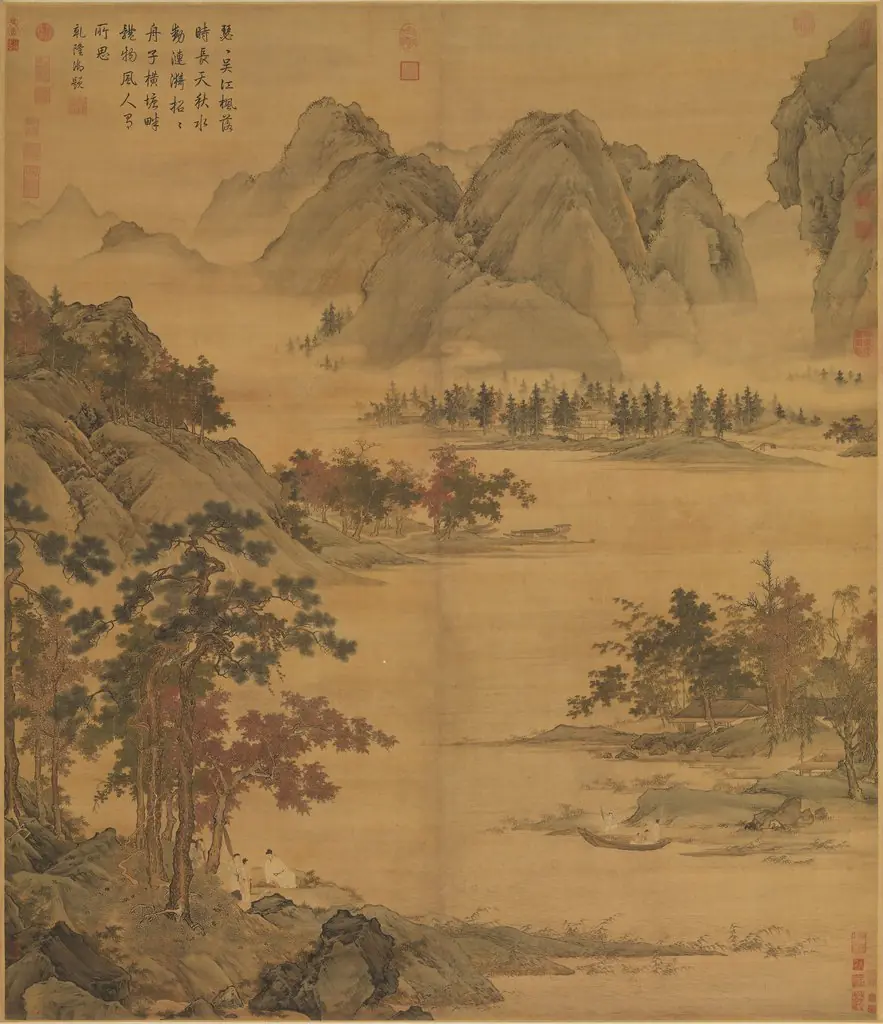
Returning Late from a Spring Outing is an unspecified painting by the Ming dynasty painting artist Dai Jin. It dates from 1400 and is held in the collection of the National Palace Museum.
About this work
Overview
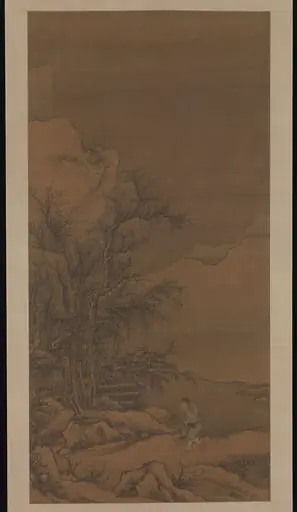
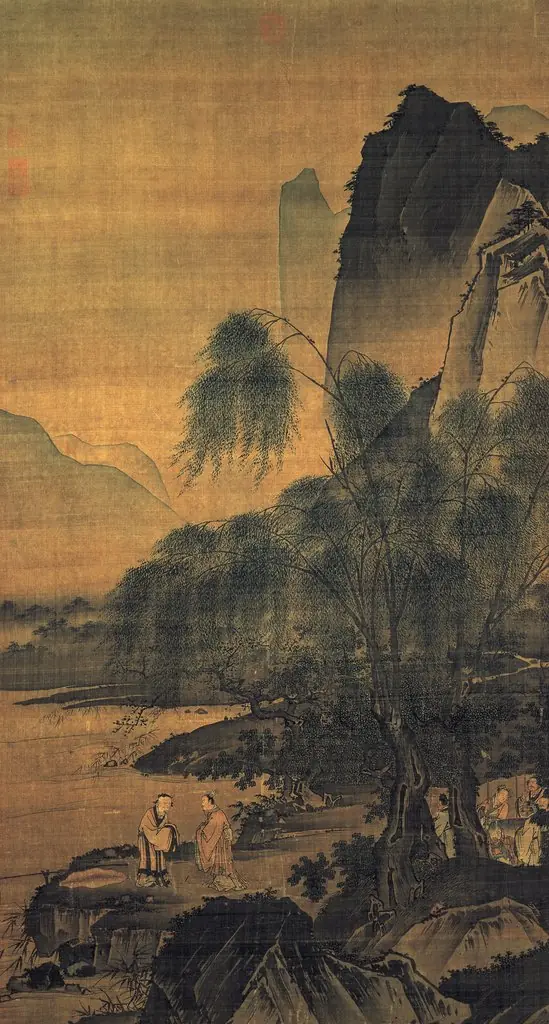
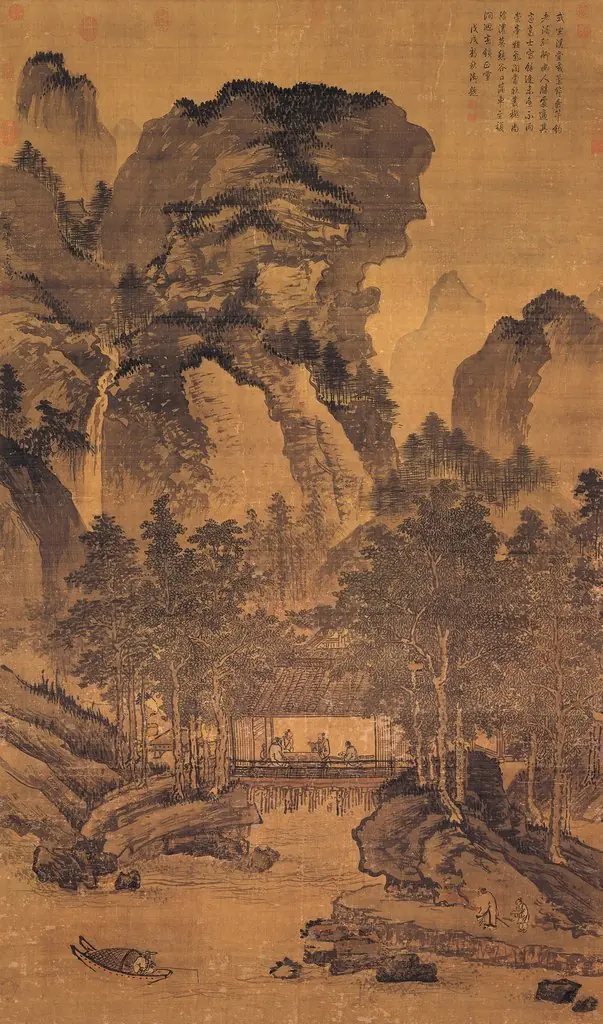
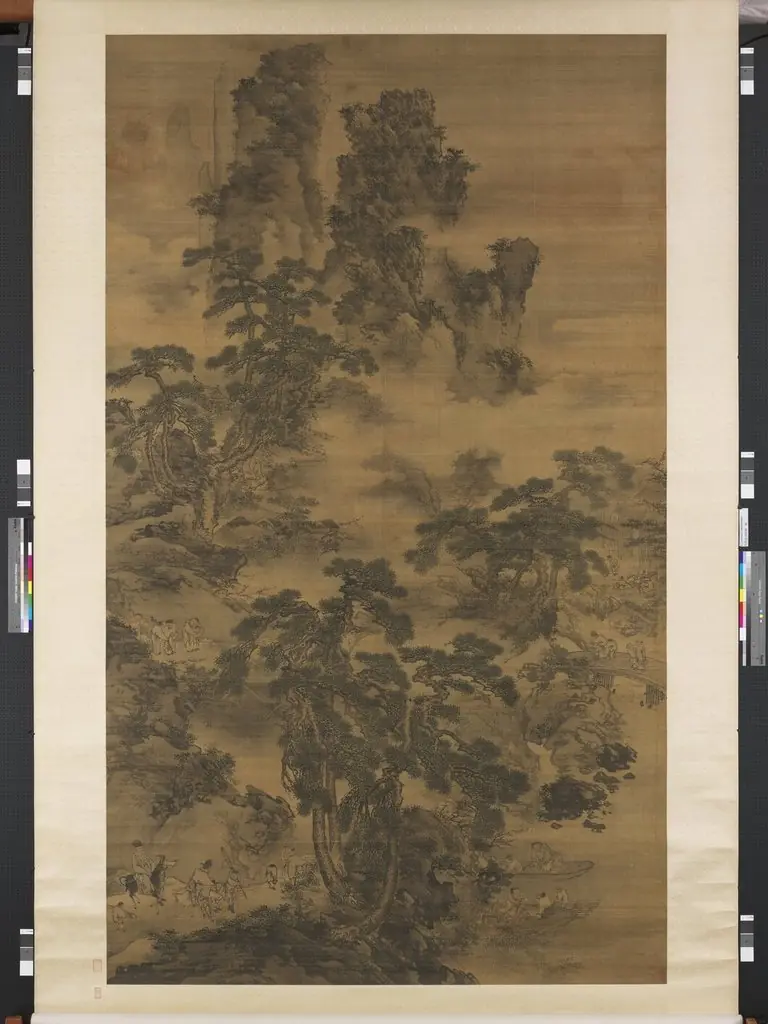
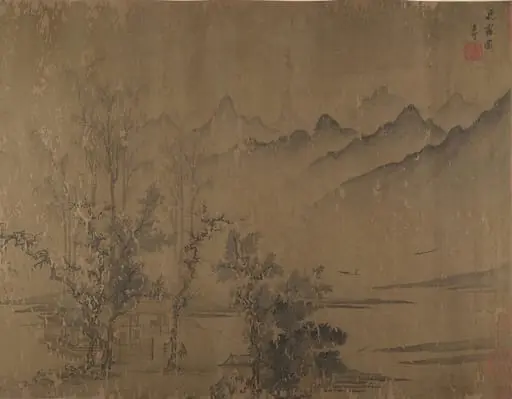
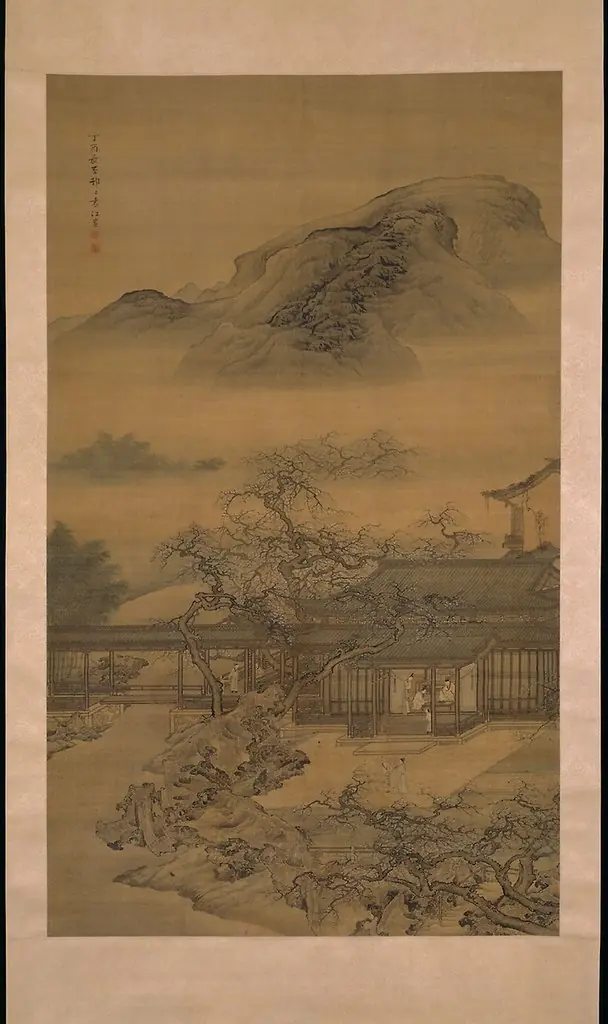
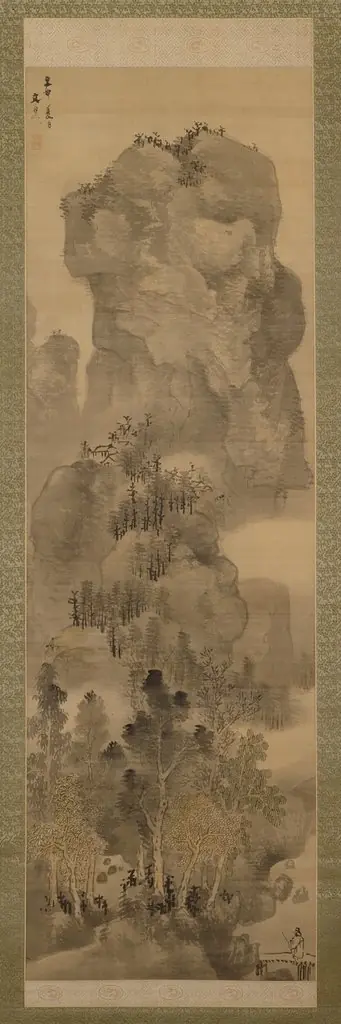
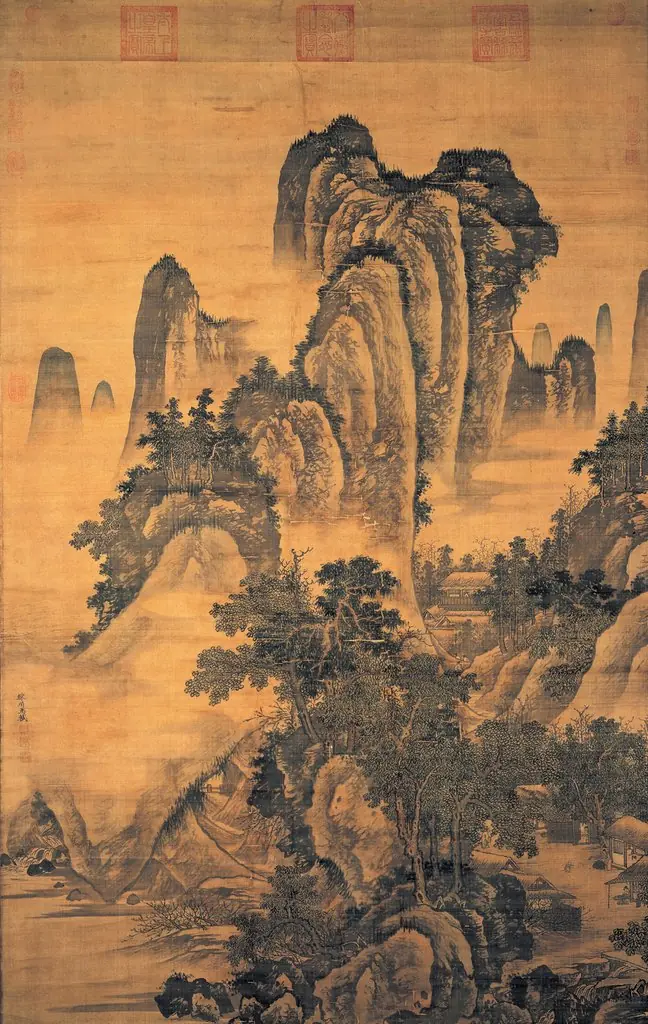
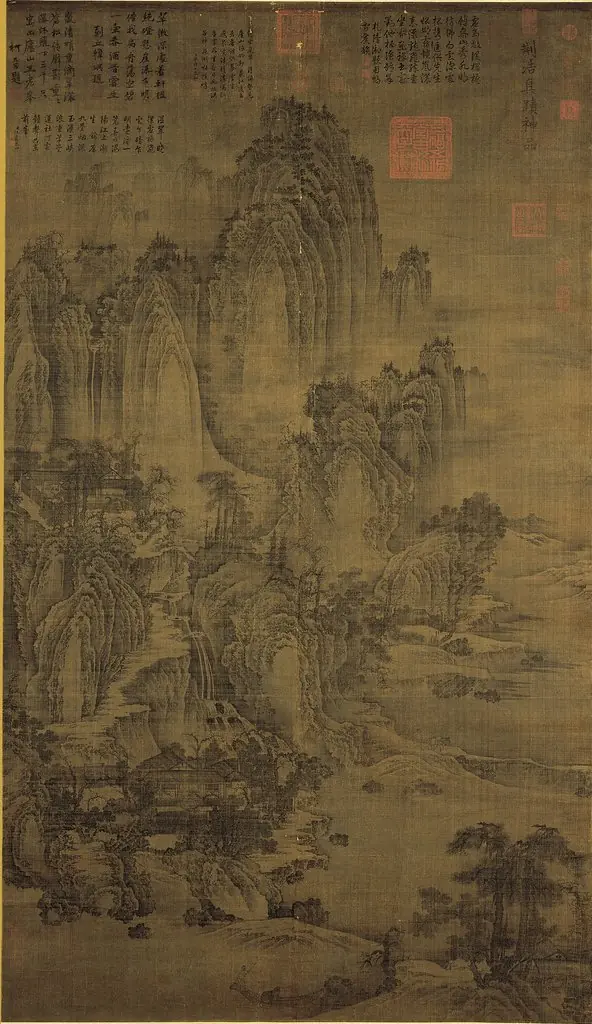
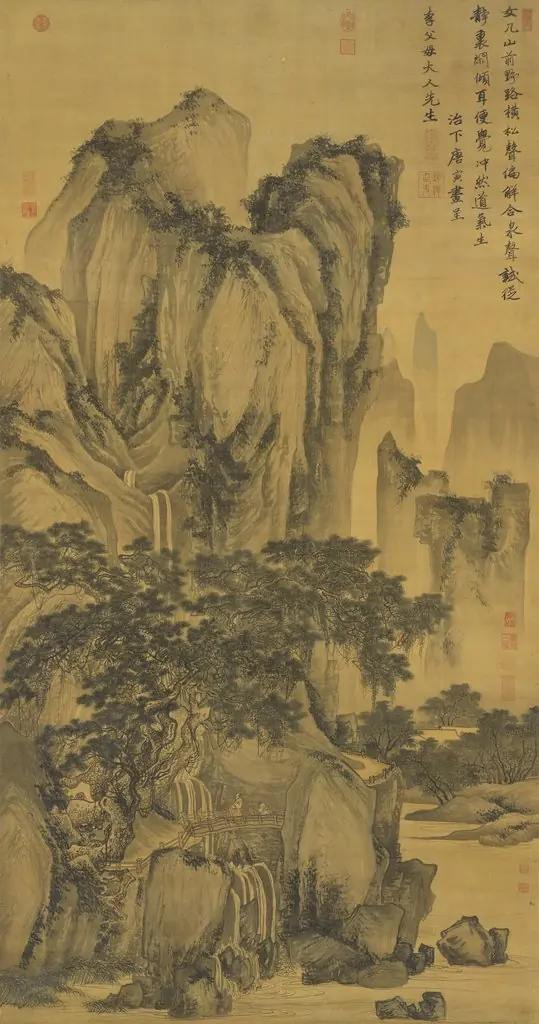
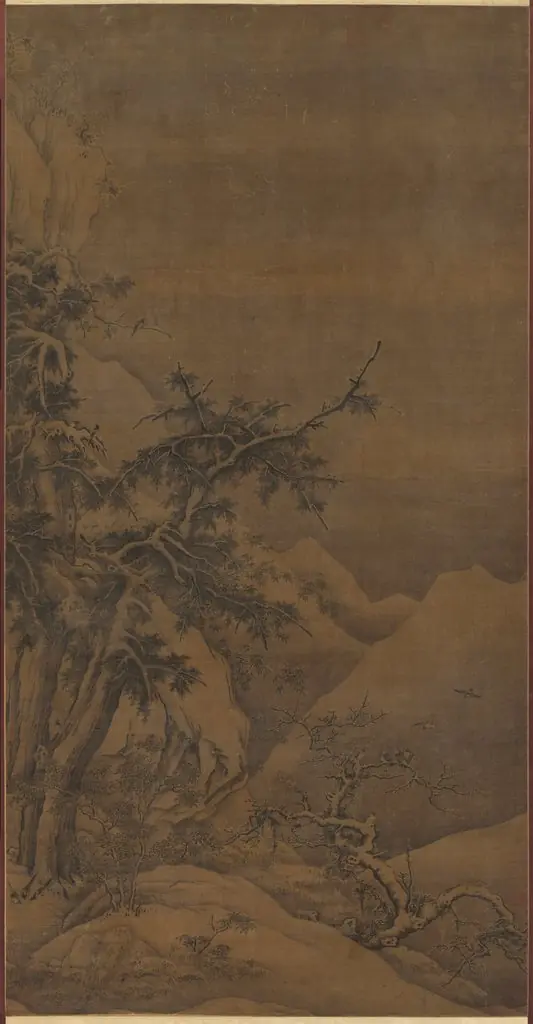
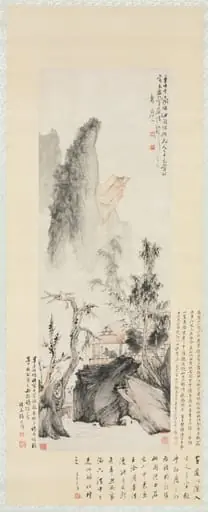
Returning Late from a Spring Outing is a landscape painting attributed to Dai Jin, dated to around 1400.
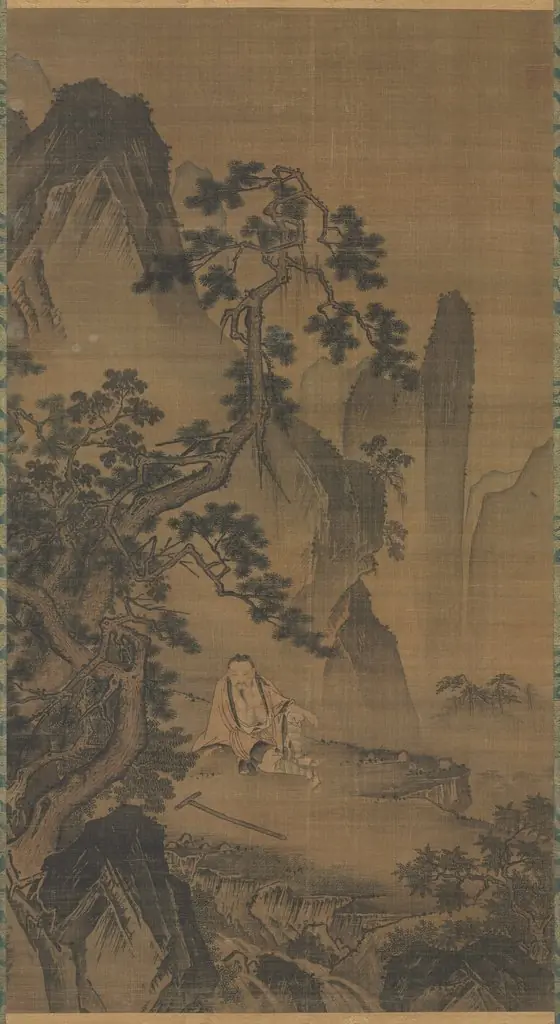
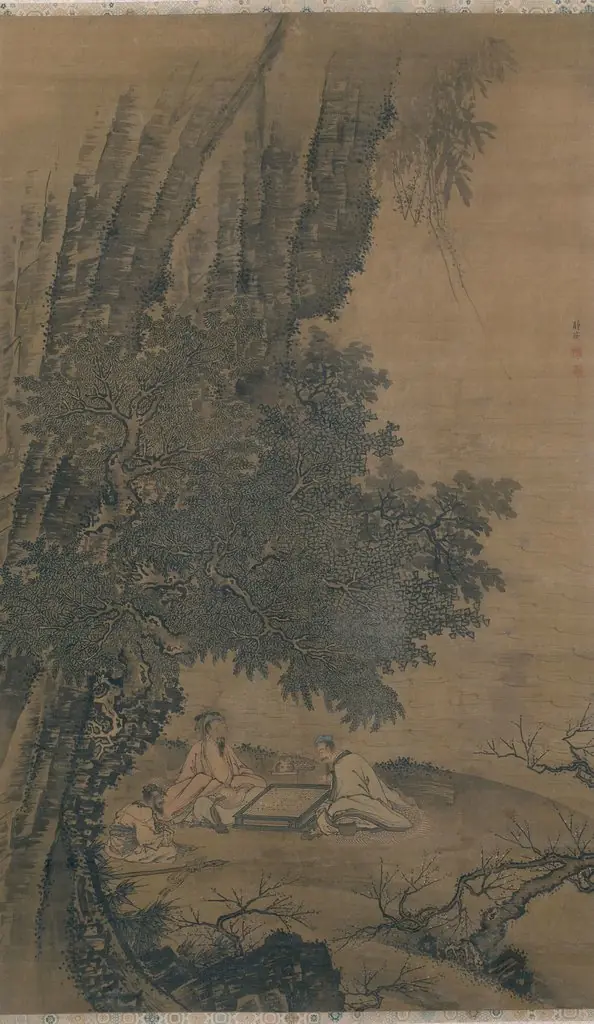
Returning Late from a Spring Outing is a landscape painting attributed to Dai Jin, dated to around 1400. Executed in ink and light color on silk, it captures a quiet rural scene during the early Ming dynasty. The composition emphasizes natural elements—rolling hills, winding waterways, and dense foliage—while human figures are rendered minimally, serving as subtle indicators of presence rather than focal points.
Subject & Meaning
The painting depicts travelers returning home after a spring excursion, a common theme in Chinese literati art symbolizing harmony with nature and the contemplative retreat from worldly affairs. The subdued activity of the figures reinforces a mood of stillness and introspection. The season is implied through gentle vegetation and soft atmospheric effects, aligning the work with Confucian and Daoist ideals of balance and quietude.
Technique & Style
Dai Jin employs a restrained palette of muted greens, browns, and grays, using layered ink washes to suggest depth and texture. Subtle gradations of tone evoke mist rising from the river, enhancing spatial recession. Brushwork is precise yet fluid, with delicate strokes defining tree forms and rock contours. The composition follows the traditional vertical format, guiding the viewer’s eye upward through layers of landscape.
History & Provenance
The painting entered the imperial collection during the Ming dynasty and remained in royal custody through subsequent dynasties. It was later transferred to the National Palace Museum in Taipei following the relocation of cultural artifacts in the mid-20th century. Its continuous preservation within elite collections underscores its recognized status among court-sponsored artistic traditions of the period.
Context
Created during the early Ming era, the work reflects the revival of Southern Song painting traditions favored by imperial patrons. Dai Jin, though later associated with the Zhe School, here aligns with the more restrained aesthetic of courtly landscape painting. The emphasis on naturalism and atmospheric effect contrasts with the more ornate styles emerging in contemporary commercial art circles.
Legacy
Though not widely publicized outside scholarly circles, the painting exemplifies the transition in Ming landscape painting toward introspective, tonal harmony over dramatic composition. It influenced later court artists who sought to balance poetic suggestion with technical precision. Its preservation in the National Palace Museum ensures its role as a reference for studies of early Ming aesthetics.
Artist & collection
Artist
Dai Jin lived in Hangzhou, where the old Southern Song court had once ruled. He spent his days sketching boats along the river and collecting Ming-era scrolls in the same tea houses where scholars argued about art. He…