Artwork
Landscape
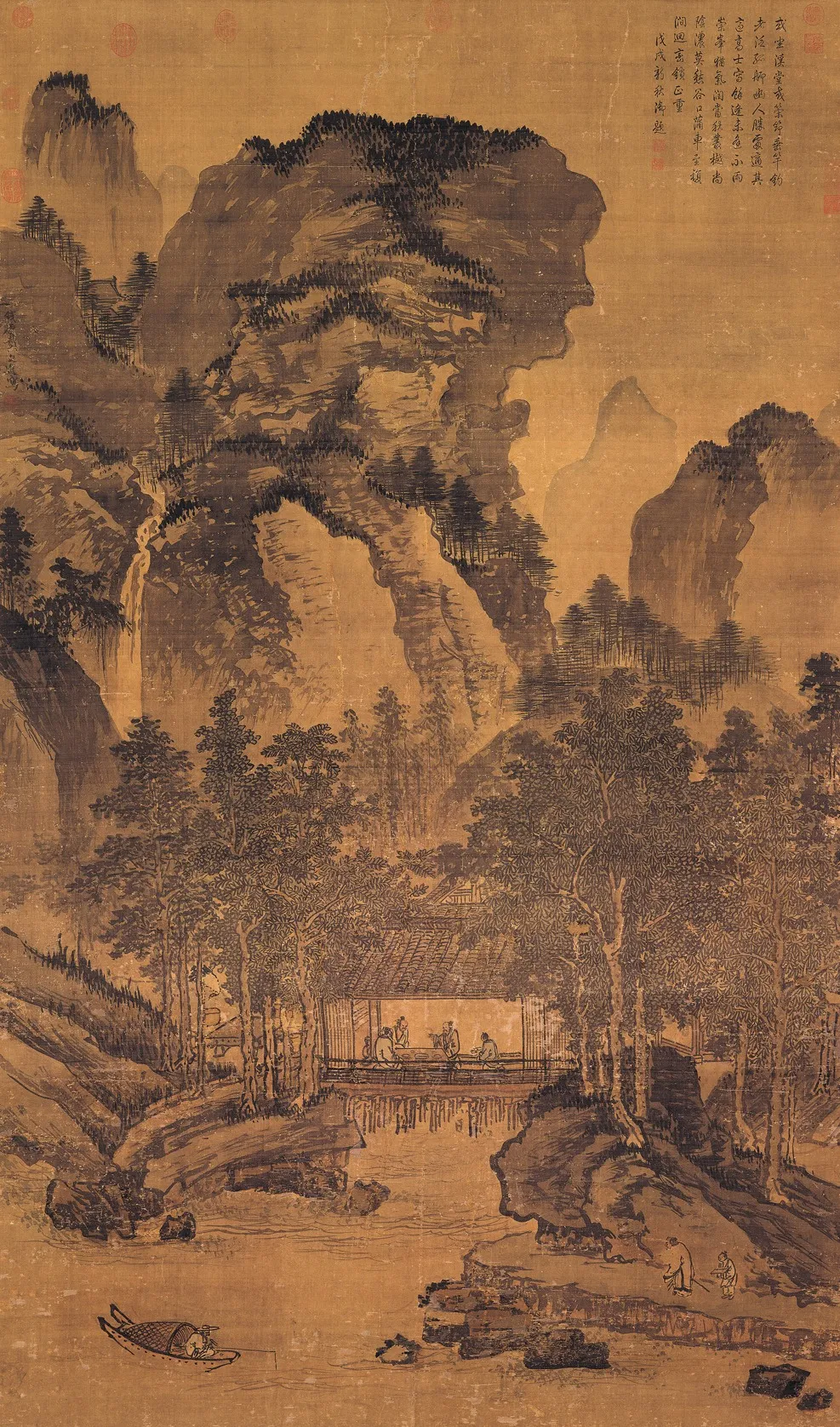
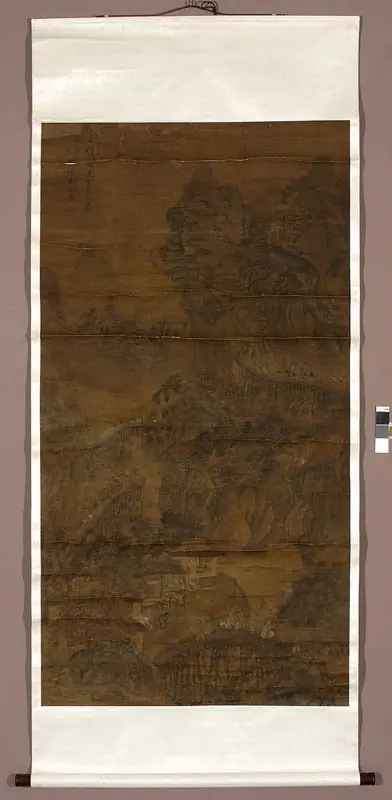
Landscape is an unspecified painting by the Ming dynasty painting artist Dai Jin. It dates from 1435 and is held in the collection of the National Palace Museum.
About this work
Overview
The painting resides in the National Palace Museum, where it is preserved as part of a significant collection of Chinese imperial art.
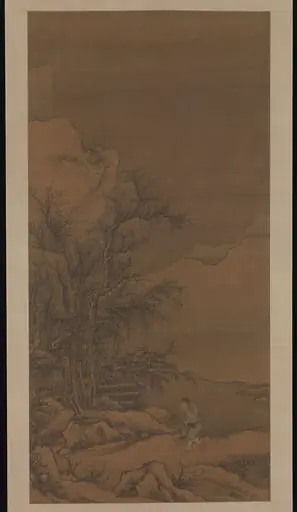
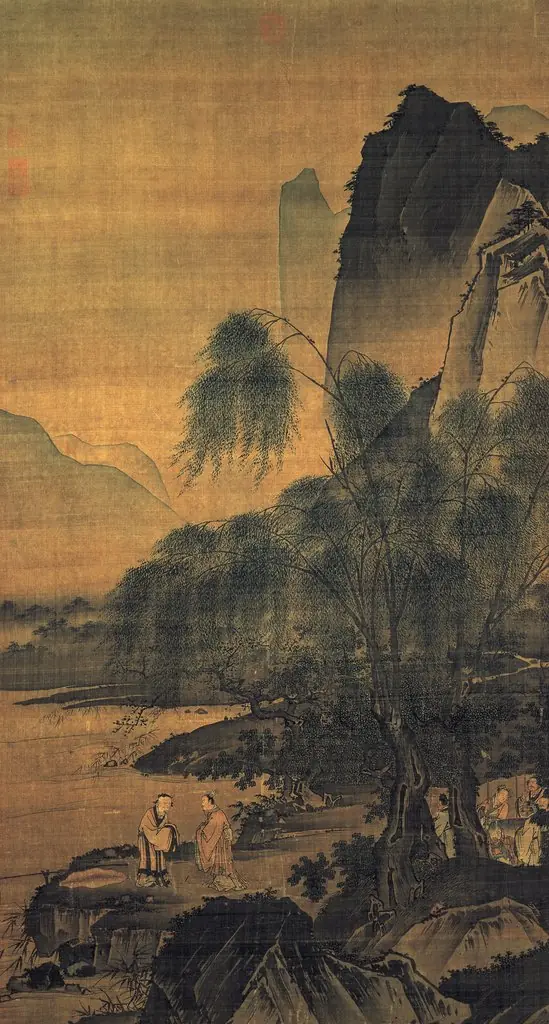
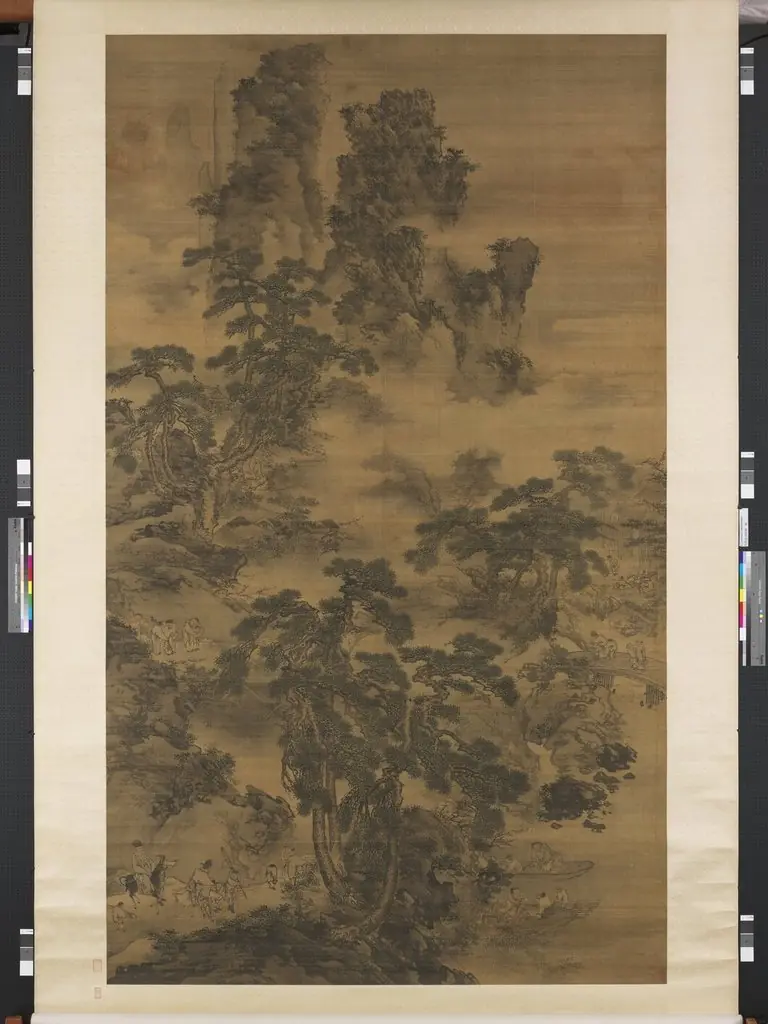
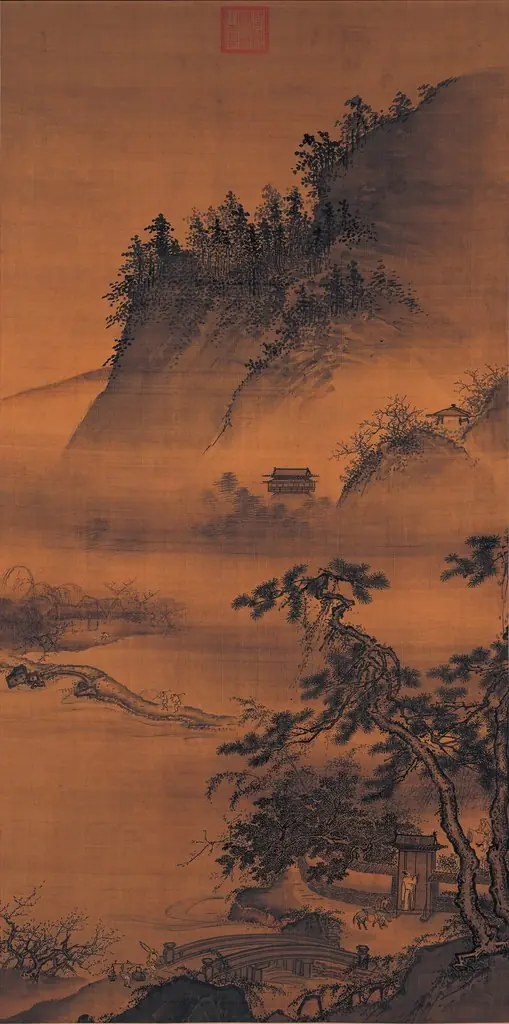
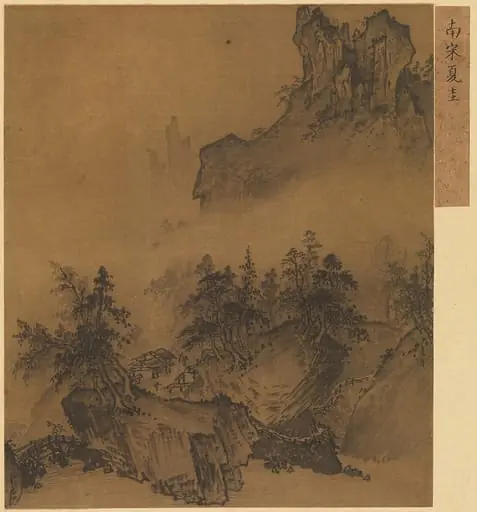
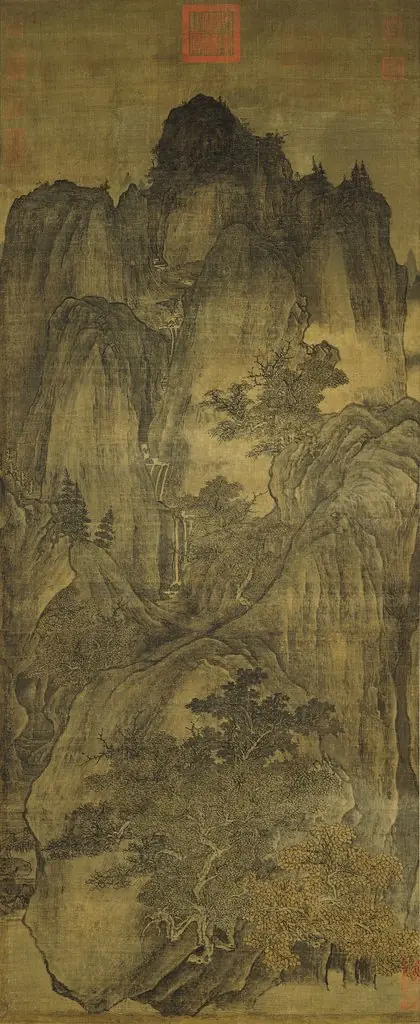
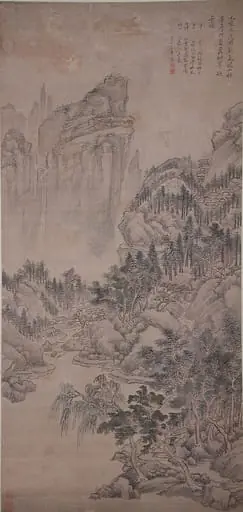
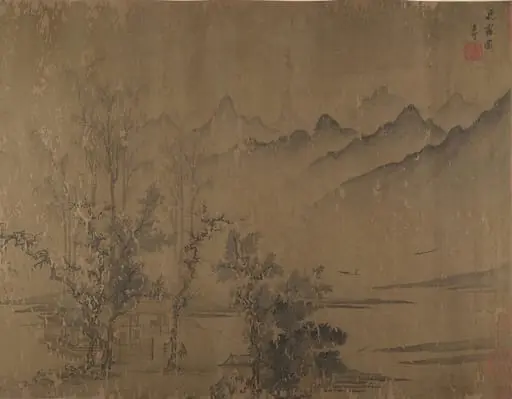
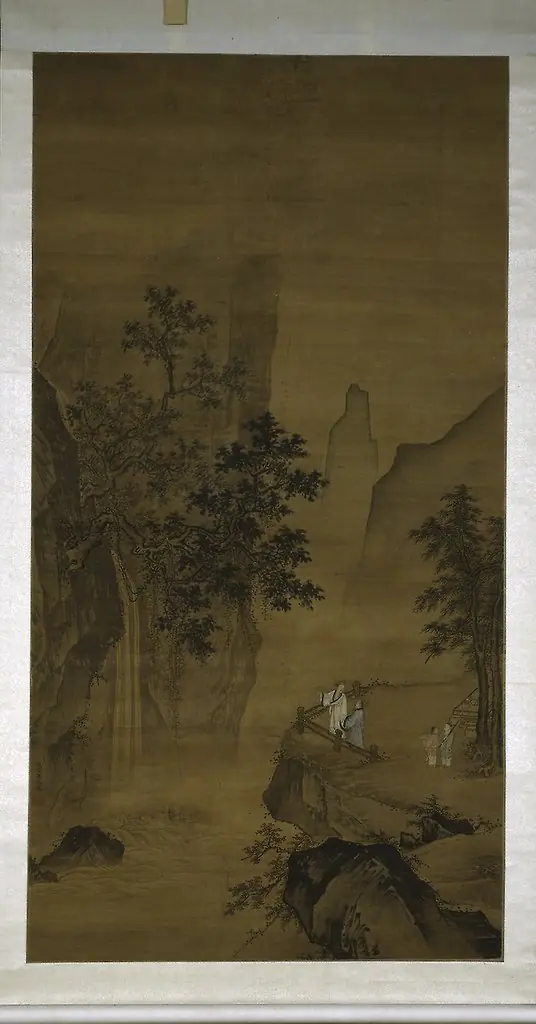
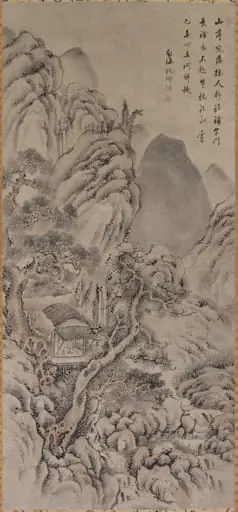
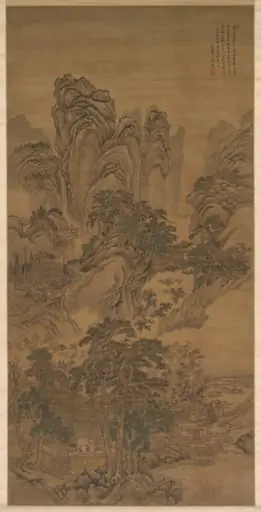
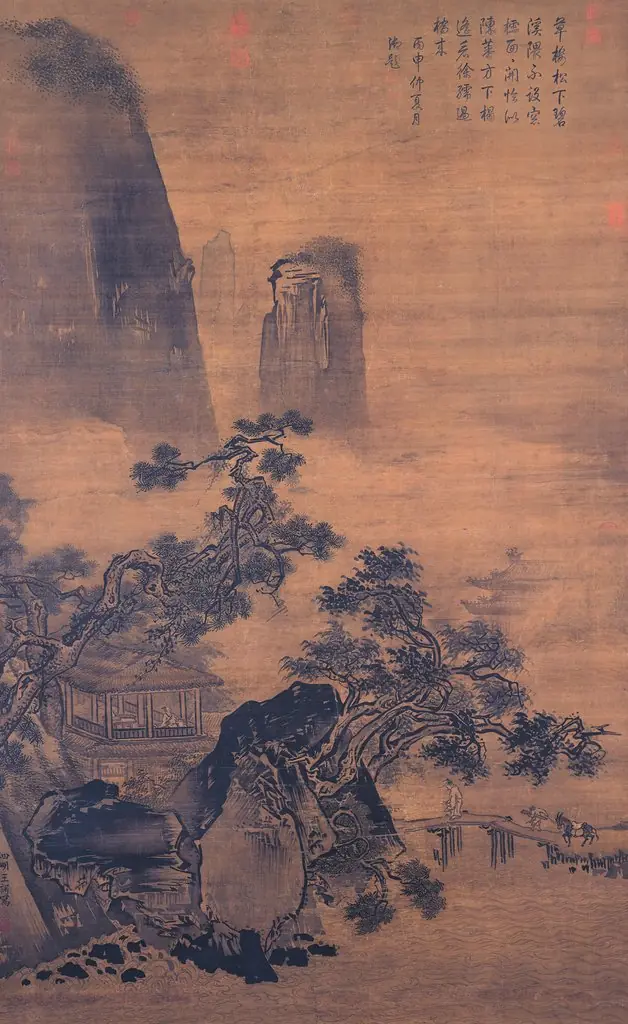
Painted around 1435 by Dai Jin, this landscape work is a representative example of early Ming dynasty ink painting. It depicts a natural scene dominated by towering peaks, dense vegetation, and a quiet body of water. The composition balances grandeur with intimacy, guiding the viewer’s eye from foreground figures to distant horizons. The painting resides in the National Palace Museum, where it is preserved as part of a significant collection of Chinese imperial art.
Subject & Meaning
The scene portrays a tranquil moment along a riverside, with figures on the shore observing the water. Their presence suggests contemplation rather than activity, aligning with literati ideals of harmony with nature. The towering mountains and still water evoke a sense of enduring landscape, contrasting human transience with the permanence of the earth. The painting reflects Daoist and Confucian themes of retreat and reverence for the natural world.
Technique & Style
Dai Jin employs ink wash techniques characteristic of the Zhe school, using varied brushstrokes to define rock textures, tree foliage, and atmospheric depth. Layers of diluted ink create subtle gradations in the mountains and sky, while fine lines outline details like the boat and figures. The palette is restrained, relying on monochrome ink with faint hints of green, emphasizing tonal rhythm over color. The brushwork is precise yet expressive, balancing structure with spontaneity.
History & Provenance
Created during the early Ming period, the painting likely originated in the artist’s studio in Hangzhou, a center of artistic activity. It entered imperial collections by the 16th century and was later transferred to the National Palace Museum following the relocation of cultural treasures from Beijing to Taipei in the mid-20th century. Its continuous preservation within elite collections attests to its enduring recognition among connoisseurs.
Context
Dai Jin worked during a time when court painters were redefining landscape traditions after the Yuan dynasty’s emphasis on scholarly expression. His style fused the detailed realism of Southern Song academy painting with the expressive brushwork of literati ideals. This painting reflects the Ming court’s interest in reviving classical forms while accommodating regional stylistic diversity, particularly from Zhejiang province.
Legacy
Dai Jin’s landscape helped shape the Zhe school’s influence on Ming painting, inspiring generations of artists who sought to reconcile technical precision with poetic atmosphere. Though later critics favored more abstract literati styles, his work remained a touchstone for its structural clarity and emotional restraint. Today, it stands as a key reference for understanding the evolution of Chinese landscape painting beyond purely scholarly conventions.
Artist & collection
Artist
Dai Jin lived in Hangzhou, where the old Southern Song court had once ruled. He spent his days sketching boats along the river and collecting Ming-era scrolls in the same tea houses where scholars argued about art. He…