Artwork
Poster
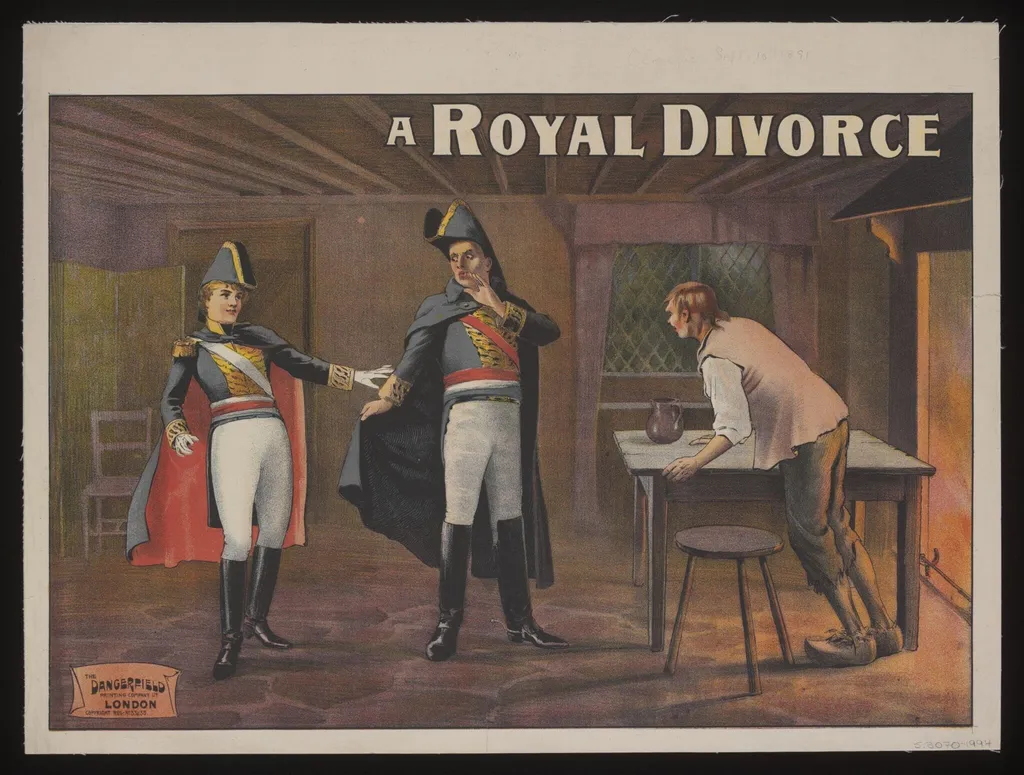
Poster is a poster by the Impressionist artist Dangerfield Printing Co. Ltd.. It dates from 1891 and is held in the collection of the Victoria and Albert Museum.
About this work
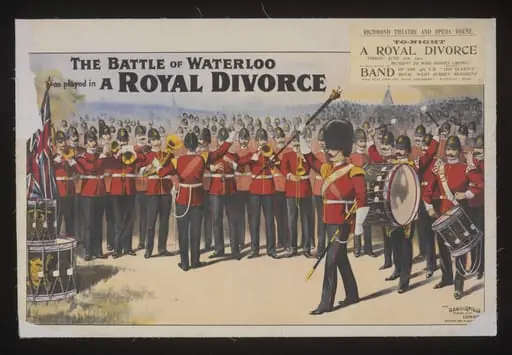
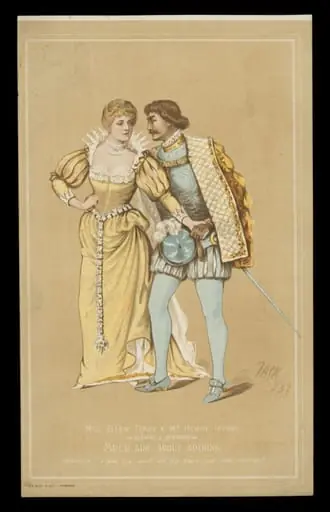
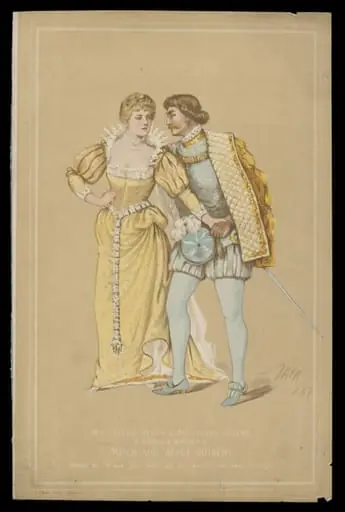
This 1891 poster hawks a play called *A Royal Divorce* at London’s New Olympic Theatre.
This 1891 poster hawks a play called *A Royal Divorce* at London’s New Olympic Theatre. The Dangerfield Printing Co. Ltd. handled the ink and paper, mixing Impressionist flair with Realist lines.
The show’s writers? W.G. Wills and G.G. Collingham. One night at the theater equals one ticket sold—simple math for a busy London crowd.
Next time you’re in London, swing by the Victoria and Albert Museum.
Overview
This 1891 poster promoted the play A Royal Divorce at London’s New Olympic Theatre. Printed by the Dangerfield Printing Co. Ltd., it served as a commercial announcement for a theatrical production rather than a fine art object. Its design combined decorative elements with clear typographic hierarchy, typical of late-Victorian advertising. The poster’s function was immediate and practical: to draw audiences to a specific performance on a specific date.
Subject & Meaning
The play depicted the marital breakdown of Napoleon Bonaparte and Joséphine de Beauharnais, a historical episode framed as dramatic spectacle. The poster’s imagery, though not described in detail, likely emphasized romantic tension or royal grandeur to appeal to contemporary tastes. Its appeal rested on the public’s fascination with monarchy, scandal, and moral drama, common themes in 19th-century theatre.
Technique & Style
The poster blended loose, atmospheric brushwork reminiscent of Impressionism with the precise, linear clarity of Realist illustration. This hybrid style reflected the era’s transitional graphic design, where artistic experimentation met commercial demands. Ink on paper was printed in limited colors, prioritizing legibility and visual impact over elaborate detail, ensuring quick recognition from a distance.
History & Provenance
Produced for a single run at the New Olympic Theatre in 1891, the poster was likely distributed in high-traffic areas of London. After the play closed, most copies were discarded. The surviving example now held by the Victoria and Albert Museum represents a rare artifact of ephemeral theatre advertising, preserved for its historical and design value rather than its original purpose.
Context
In 1891, London’s theatre scene thrived with melodramas and historical spectacles. Posters like this one were essential tools for attracting urban audiences in an era before mass media. The New Olympic Theatre, known for popular entertainment, catered to a broad public. This poster reflects the intersection of popular culture, print technology, and the commercialization of live performance in industrializing Britain.
Legacy
Though not created as art, the poster now contributes to the study of Victorian graphic design and theatre history. Its survival in museum collections highlights how ephemeral media can acquire cultural significance over time. It offers insight into how visual communication shaped public engagement with drama before the rise of film and radio.
Artist & collection
Artist
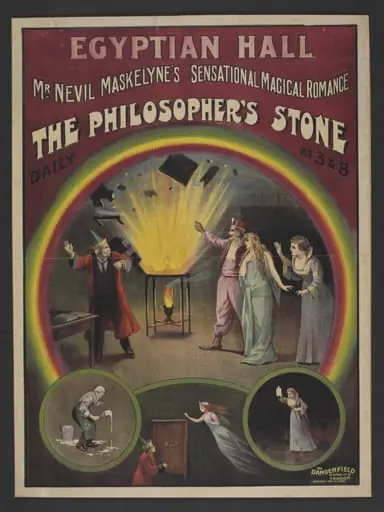
London’s Dangerfield Printing Co. Ltd. turned out eye-catching posters in the late 1800s and early 1900s, from the Richmond Theatre’s 1901 showbill to the 1891 poster and the 1903 “The Philosopher’s Stone.” They also…