Artwork
Richmond Theatre poster
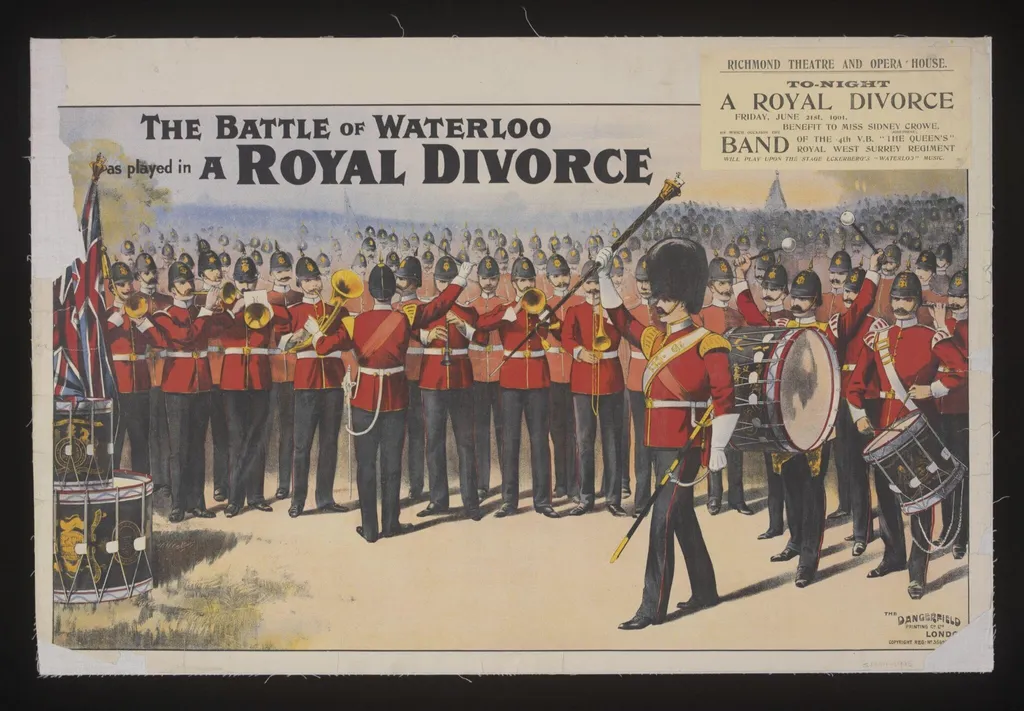
Richmond Theatre poster is a poster by Dangerfield Printing Co. Ltd.. It dates from 1901 and is held in the collection of the Victoria and Albert Museum. The 1901 poster for a production at London’s Richmond Theatre and Opera House was printed by Dangerfield Printing Co.
About this work
Overview
The 1901 poster for a production at London’s Richmond Theatre and Opera House was printed by Dangerfield Printing Co. Ltd. It announces a performance of the drama *A Royal Divorce*, written by W. G. Wills and G. G. Collingham, which was staged on 21 June 1901.
Subject & Meaning
The advertisement emphasizes a staged depiction of the Battle of Waterloo, presenting it as a scene within *A Royal Divorce*. The visual narrative shows a marching band in vivid red coats and black helmets, accompanied by soldiers bearing flags, set against a grassy plain observed by a distant crowd and a church steeple.
Technique & Style
Printed in a bold, eye‑catching palette, the poster combines illustrative imagery with prominent headline text. The composition balances detailed figurative elements—musicians, uniforms, and landscape—with typographic information, a common approach in early‑20th‑century theatrical advertising.
History & Provenance
Created for the June 1901 run at Richmond Theatre, the poster reflects the period’s practice of using large‑format printed ephemera to promote theatrical events. It was produced by the commercial printer Dangerfield Printing Co. Ltd., a firm active in London’s poster market at the turn of the century.
Context
*A Royal Divorce* dramatized historical events surrounding the Napoleonic era, and the inclusion of Waterloo imagery linked the play to contemporary public interest in military history. The poster’s visual focus on a marching band and flags aligns with popular patriotic motifs in Edwardian theatre promotion.
Artist & collection
Artist
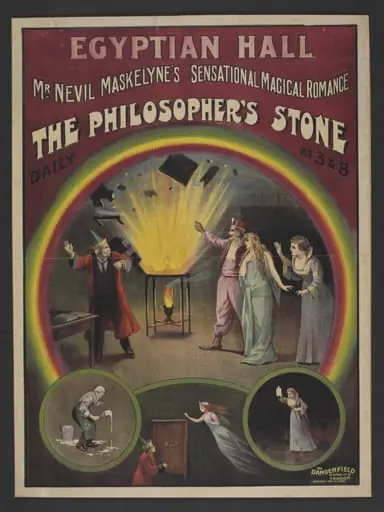
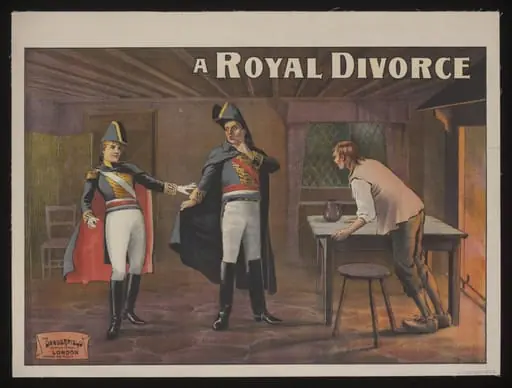
London’s Dangerfield Printing Co. Ltd. turned out eye-catching posters in the late 1800s and early 1900s, from the Richmond Theatre’s 1901 showbill to the 1891 poster and the 1903 “The Philosopher’s Stone.” They also…

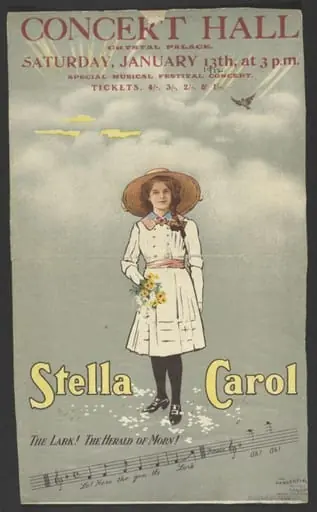
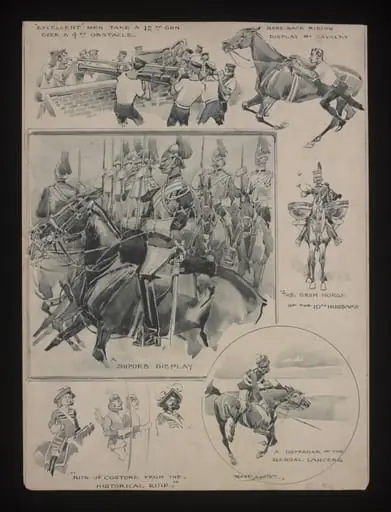 Untitled
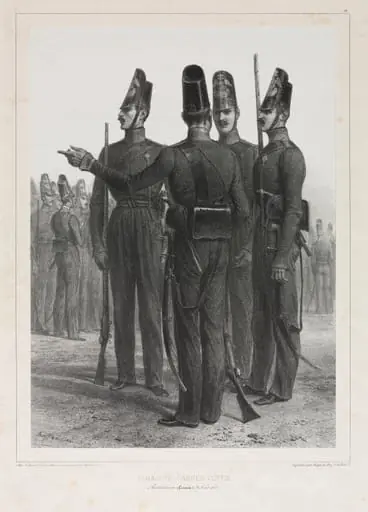 Arnoutes Gardes-Côtes
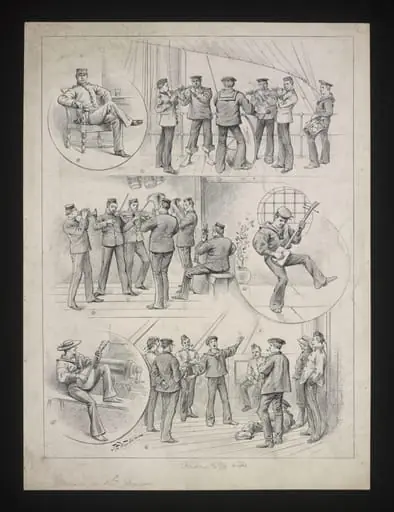 Untitled
 H Beard Print Collection
 Untitled
 The War for the Union, 1862 - A Cavalry Charge
 Retreat at Waterloo
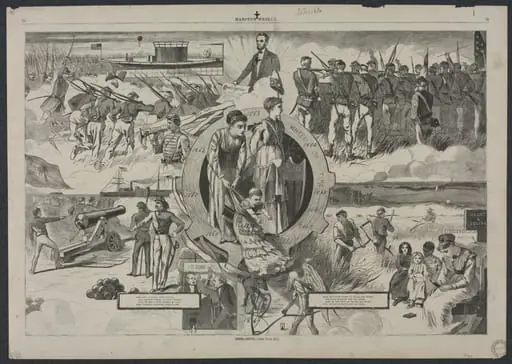 1860 - 1870
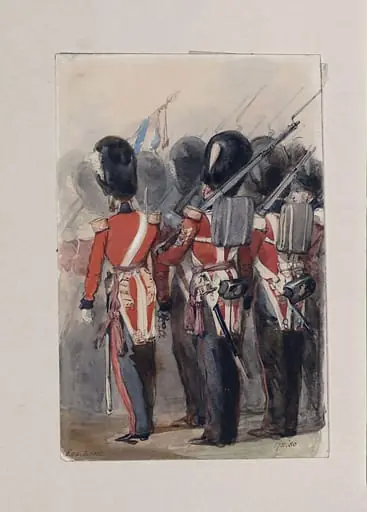 Guards at a Review in Windsor Park
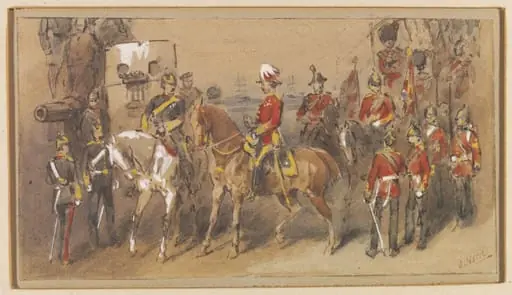 General Sir Garnet Wolseley at Alexandria
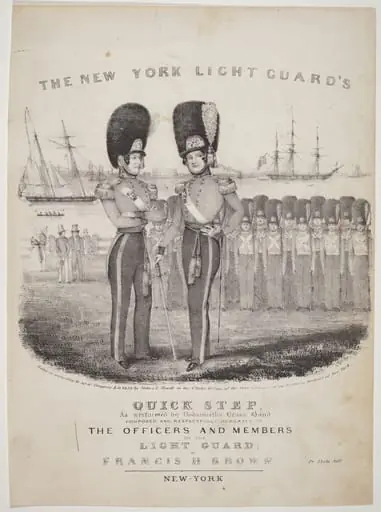 The New York Light Guard's Quick Step: As Performed by Dodworth's Brass Band. Composed and Respectfully Dedicated to the Officers and Members of the Light Guard; by Francis H. Brown