Artwork
Alms donation from St. Elizabeth of Portugal
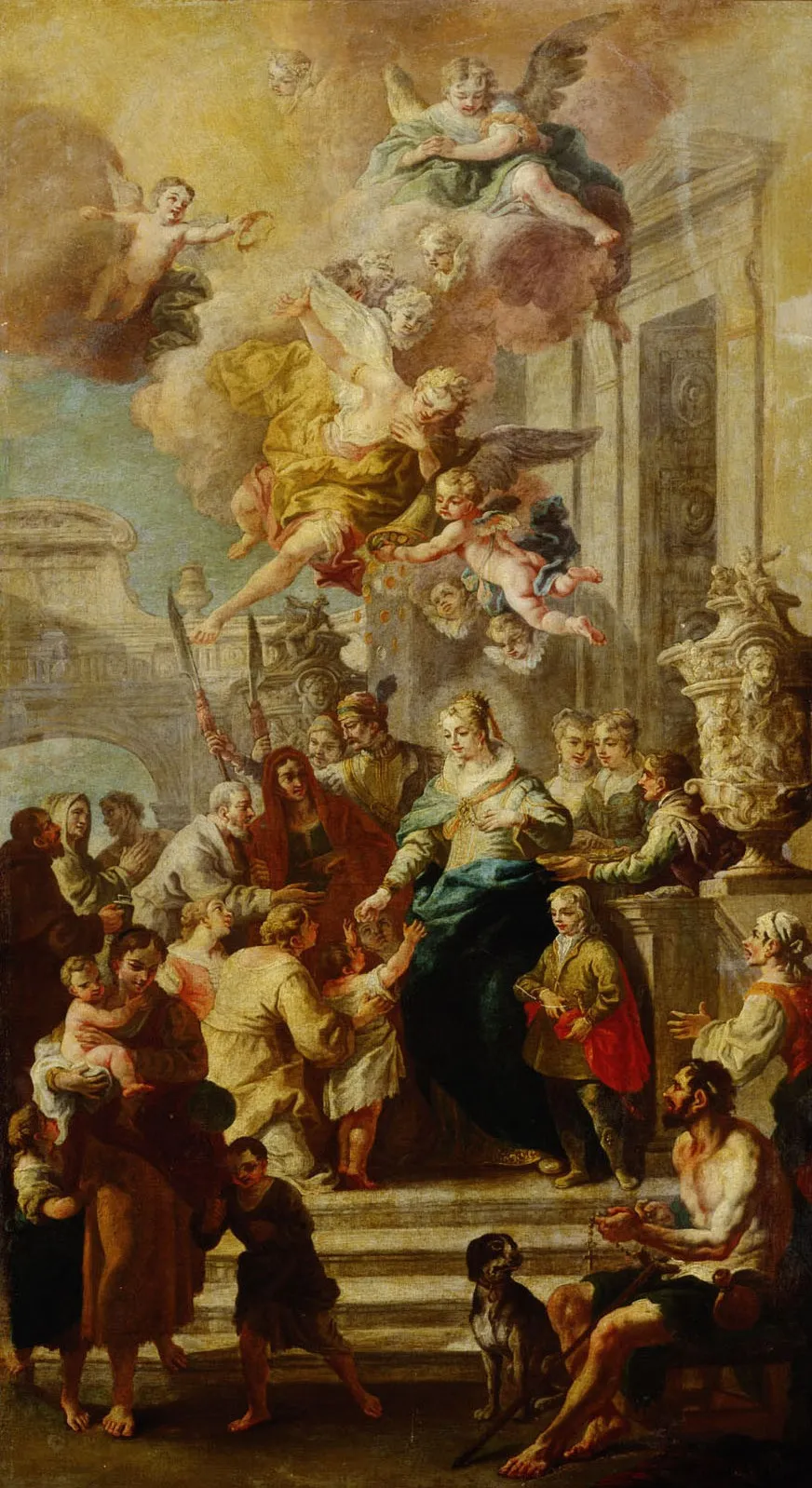
Alms donation from St. Elizabeth of Portugal is an unspecified painting by the Rococo painting artist Daniel Gran. It dates from 1736 and is held in the collection of the Kunsthistorisches Museum.
About this work
Overview
Daniel Gran’s 1736 canvas, titled *Alms Donation from St. Elizabeth of Portugal*, belongs to the Rococo period and is part of the Kunsthistorisches Museum’s holdings. The composition centers on a regal woman in blue, surrounded by a gathering crowd, with celestial angels hovering above a monumental architectural backdrop.
Subject & Meaning
The painting portrays the 14th‑century queen Elizabeth of Aragon, celebrated for her generosity, as she distributes alms to a kneeling supplicant. The inclusion of angels bearing a book and a cross underscores the sanctified nature of the charitable act, linking royal piety with divine approval.
Technique & Style
Gran employs the light, ornamental palette typical of Rococo, using soft pastel tones and fluid brushwork to convey movement among the figures. The airy rendering of the angels and the delicate modeling of the architectural steps create a sense of graceful elevation, while the crowd is depicted with lively, yet restrained, detail.
History & Provenance
Created in Vienna during Gran’s early mature period, the work reflects his emergence as a leading German‑speaking painter after the dominance of Italian artists. It entered the Kunsthistorisches Museum’s collection, where it remains on display, representing Gran’s contribution to public and ecclesiastical art in his native city.
Context
Gran’s career was marked by commissions for civic and religious buildings, integrating historical narratives with decorative flair. This painting exemplifies his ability to fuse narrative content—royal charity—with the decorative exuberance of Rococo, situating a medieval saint within an 18th‑century aesthetic framework.
Artist & collection
Artist
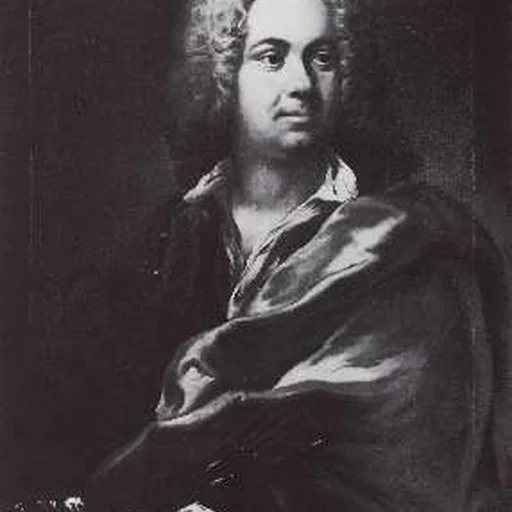
Daniel Gran (22 May 1694 – 16 April 1757) was an Austrian painter. His pictures ornament several public buildings in his native city. He was of some consideration in his time and after a century of Italian dominance one…

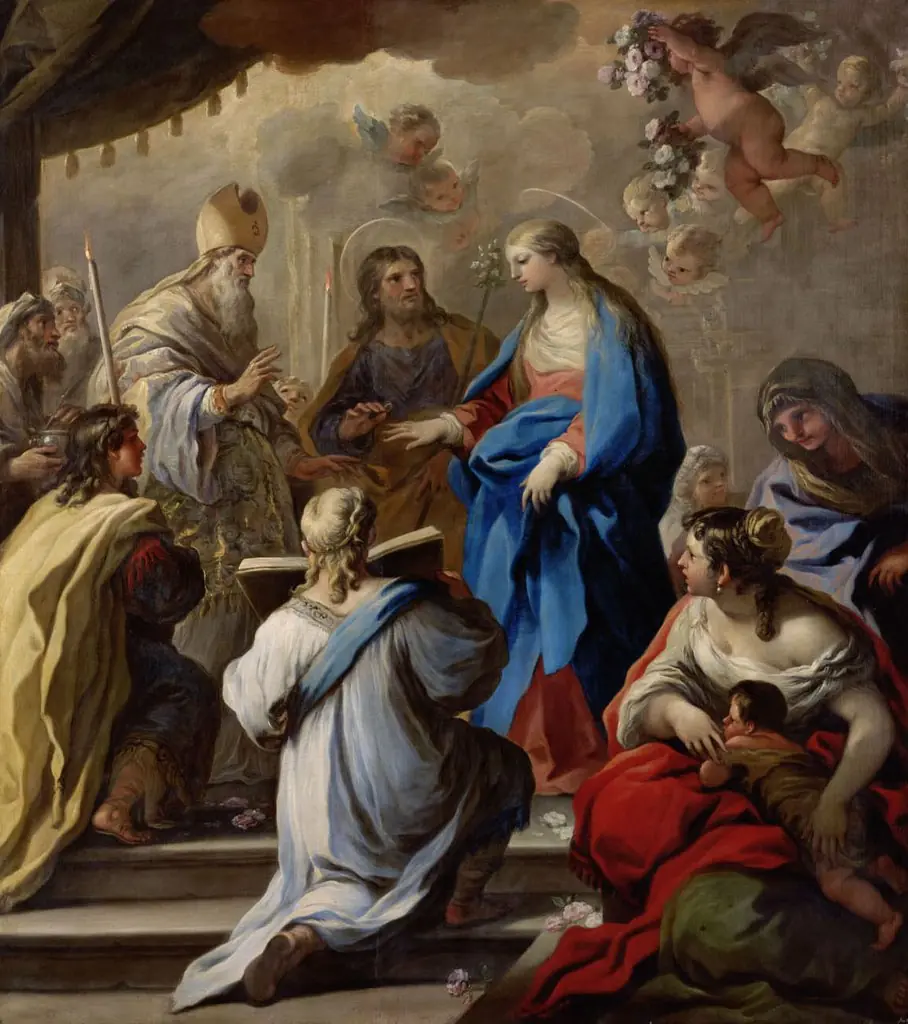 Vermählung Mariae
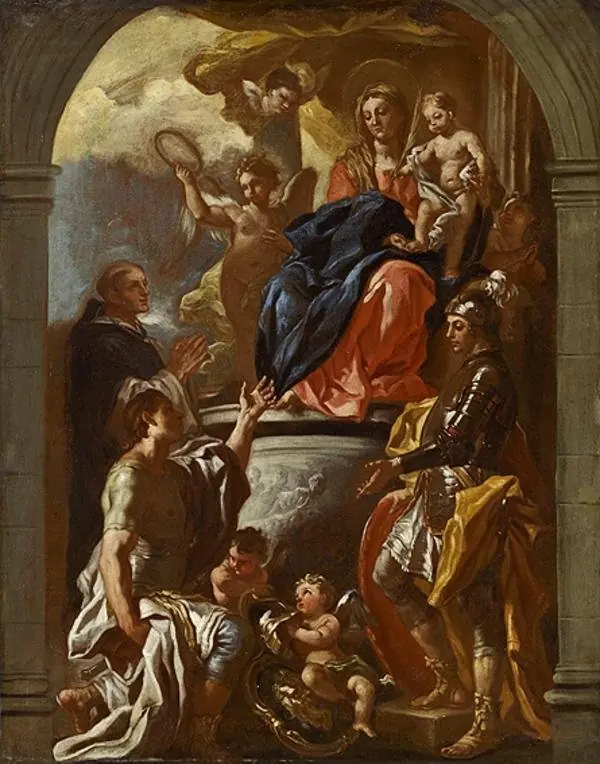 Madonna and Child Enthroned with Saint Peter Martyr and Two Warrior Saints
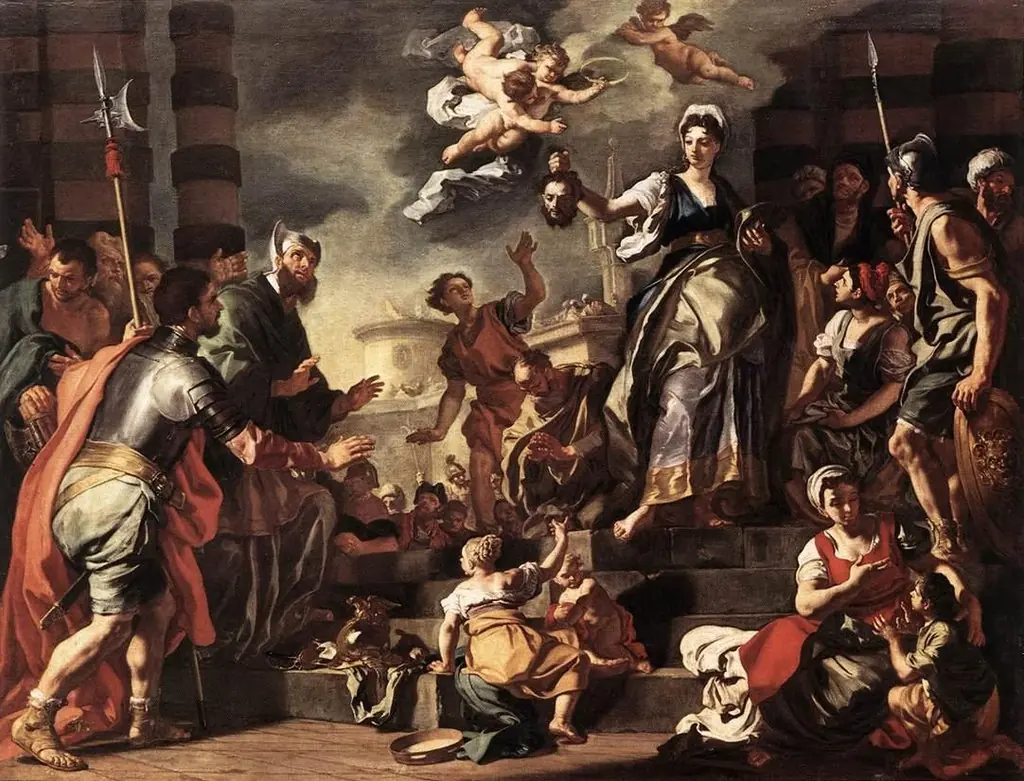 Judith shows the people the head of Holofernes
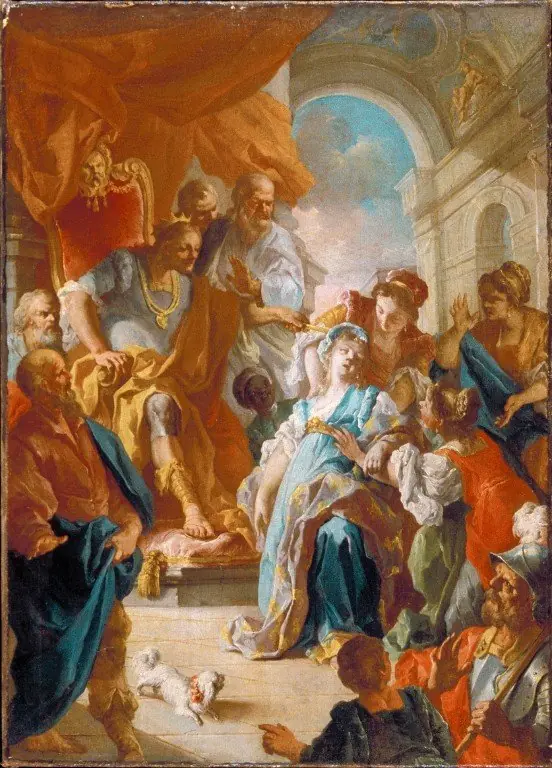 Esther Before Ahasuerus
 Heimsuchung Mariae
 Tempelgang Mariae
 Marter der Hl. Dorothea
 Madonna of the people
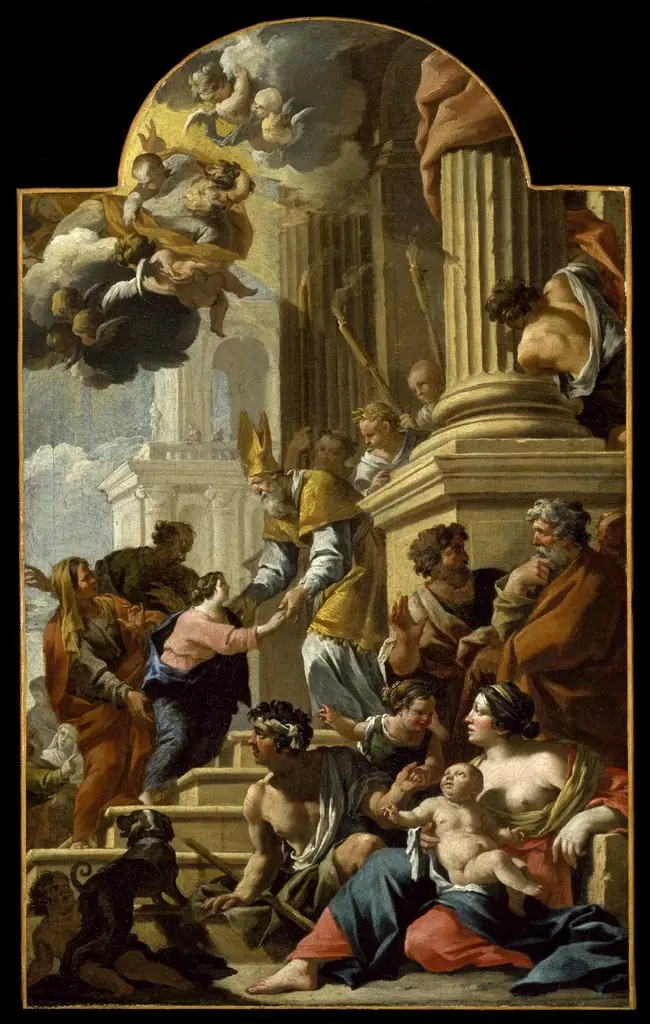 The Presentation of the Virgin in the Temple
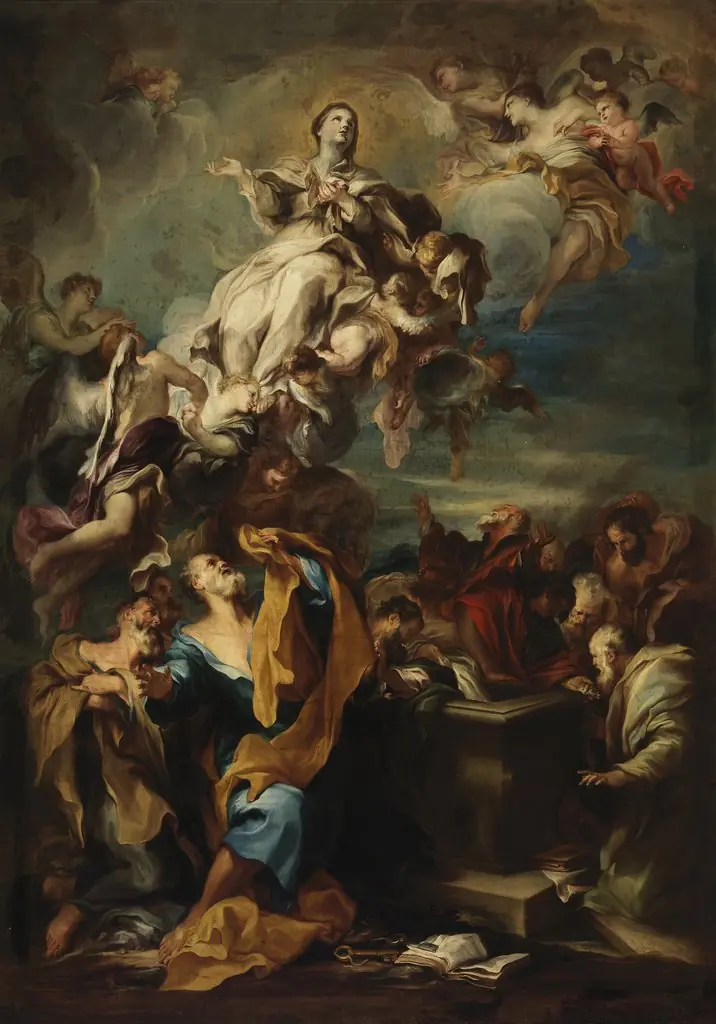 The Assumption of the Virgin
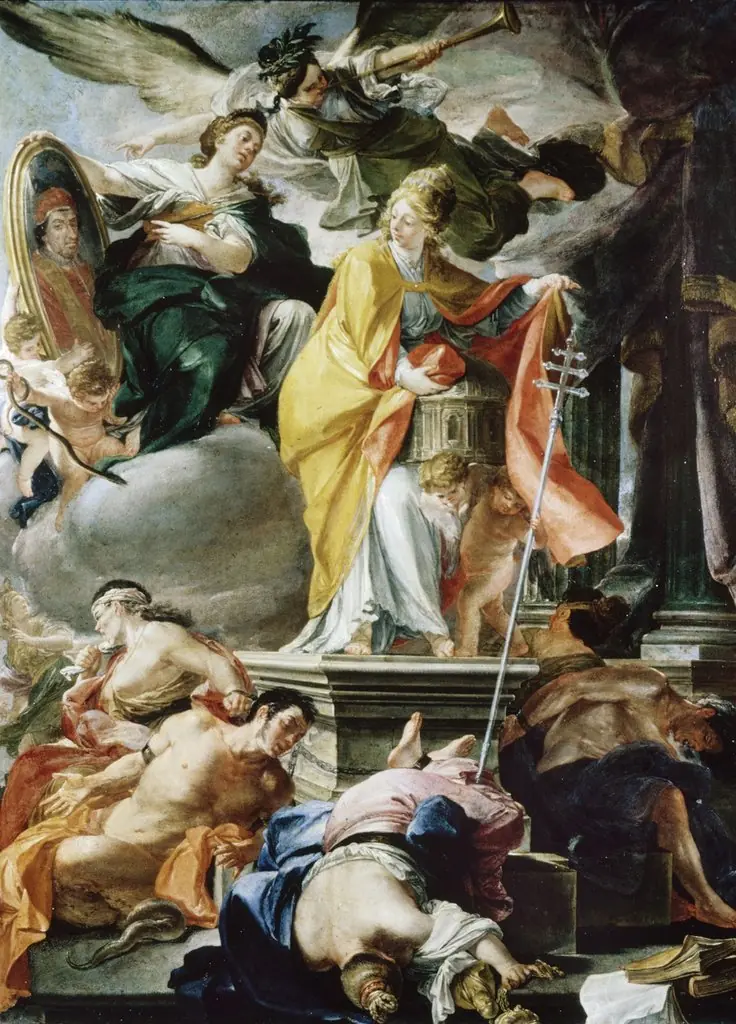 Allegory of the Papacy of Clement XI
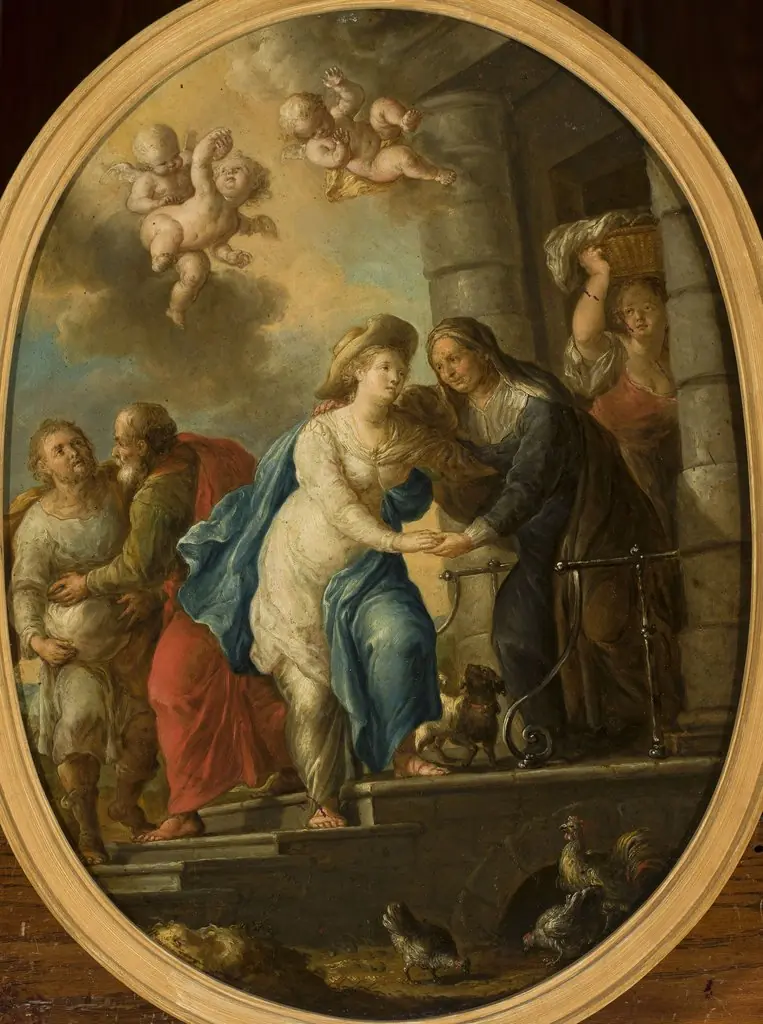 Visitation