Artwork
Greeting of Venus at Mount Olympus
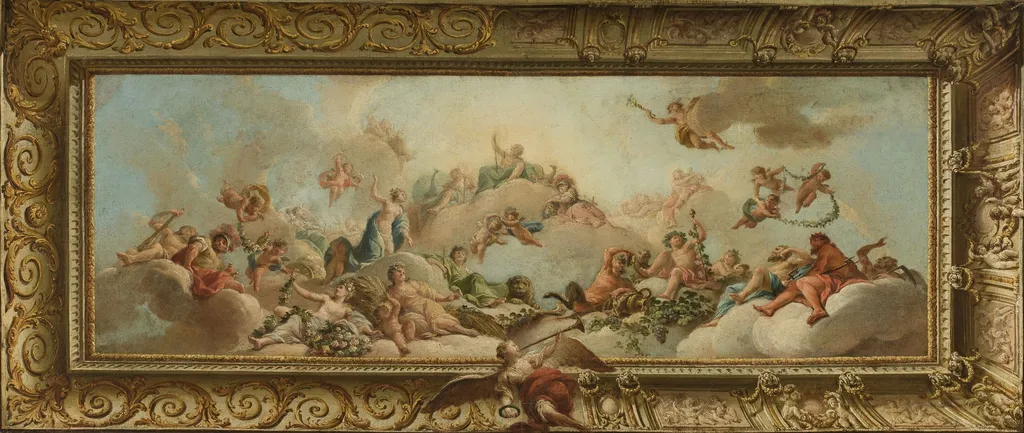
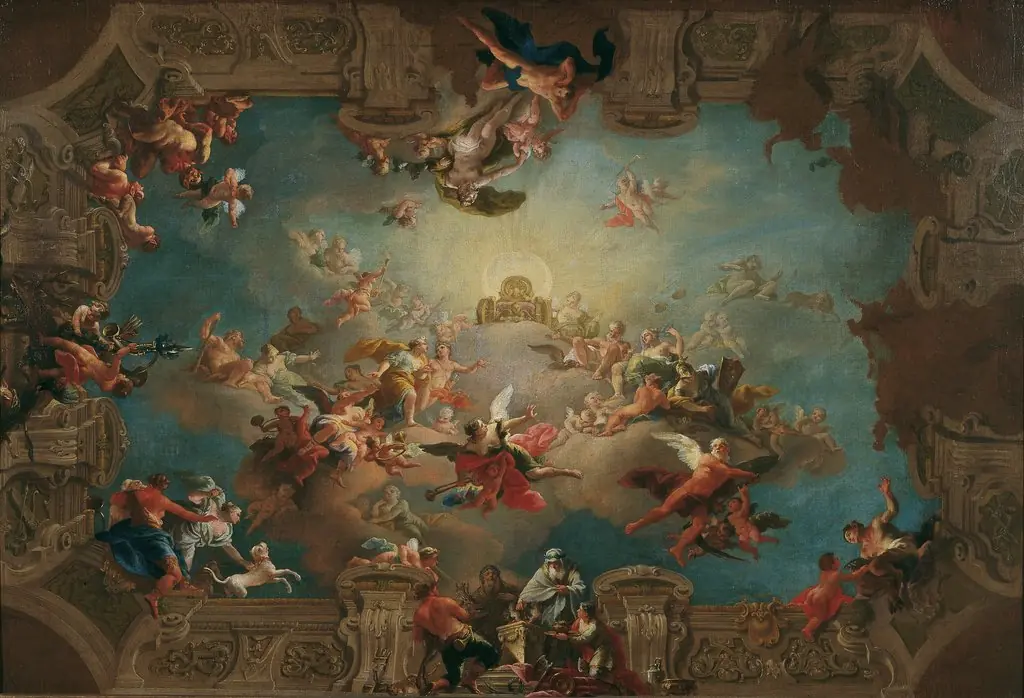
Greeting of Venus at Mount Olympus is an oil painting by Daniel Gran. It dates from 1735 and is held in the collection of the National Museum in Warsaw.
About this work
Overview
Daniel Gran’s *Greeting of Venus at Mount Olympus* (c. 1735) is an oil painting that presents a festive gathering on the mythic summit of the gods. The composition centers on a seated female figure surrounded by a mixed group of clothed and nude attendants, some winged, engaged in music, flower‑bearing, and celebration beneath a pale sky.
Subject & Meaning
The work draws on the classical tale of Venus’s arrival among the Olympian deities, interpreting the goddess’s reception as a moment of communal joy. By placing Venus amid both mortal and divine participants, Gran emphasizes themes of beauty, love, and the harmonious integration of the earthly and celestial realms.
Technique & Style
Executed in oil on canvas, the painting employs a restrained palette of browns, tans, and muted blues, lending a subdued atmosphere to the lively scene. Gran’s handling of light and texture reveals a decorative sensibility, with delicate modeling of drapery and flesh, and a balanced arrangement that guides the eye toward the central figure.
History & Provenance
Created in the early eighteenth century, the canvas reflects Gran’s emergence as a leading Austrian painter after a period dominated by Italian influence in German‑speaking lands. The painting entered the collection of the National Museum in Warsaw, where it remains part of the institution’s holdings of Central European art.
Context
Gran’s career was marked by commissions for public interiors, where his ornamental approach suited grand decorative schemes. *Greeting of Venus* exemplifies his ability to translate mythological subjects into visually engaging, narrative compositions that resonated with contemporary tastes for allegorical celebration.
Artist & collection
Artist
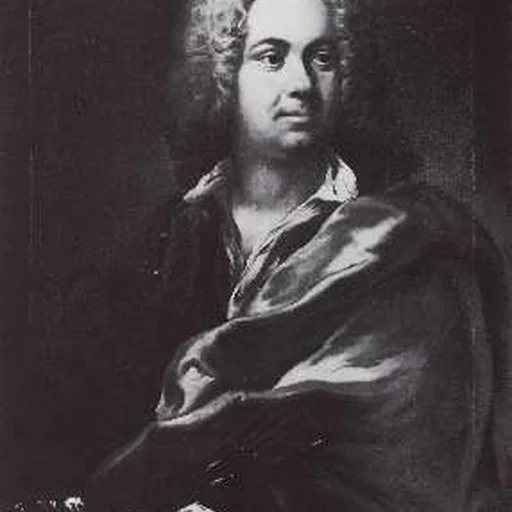
Daniel Gran (22 May 1694 – 16 April 1757) was an Austrian painter. His pictures ornament several public buildings in his native city. He was of some consideration in his time and after a century of Italian dominance one…

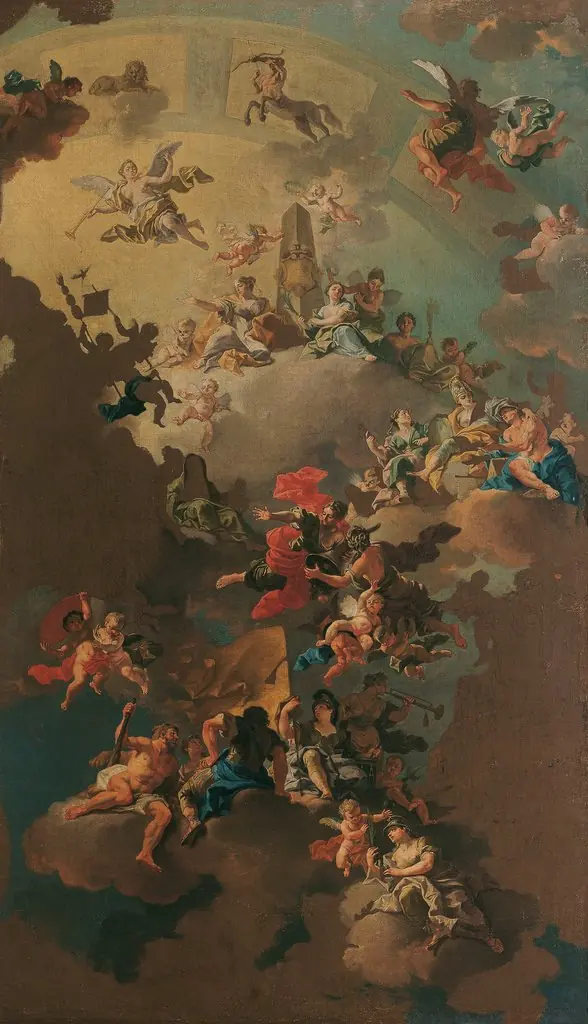
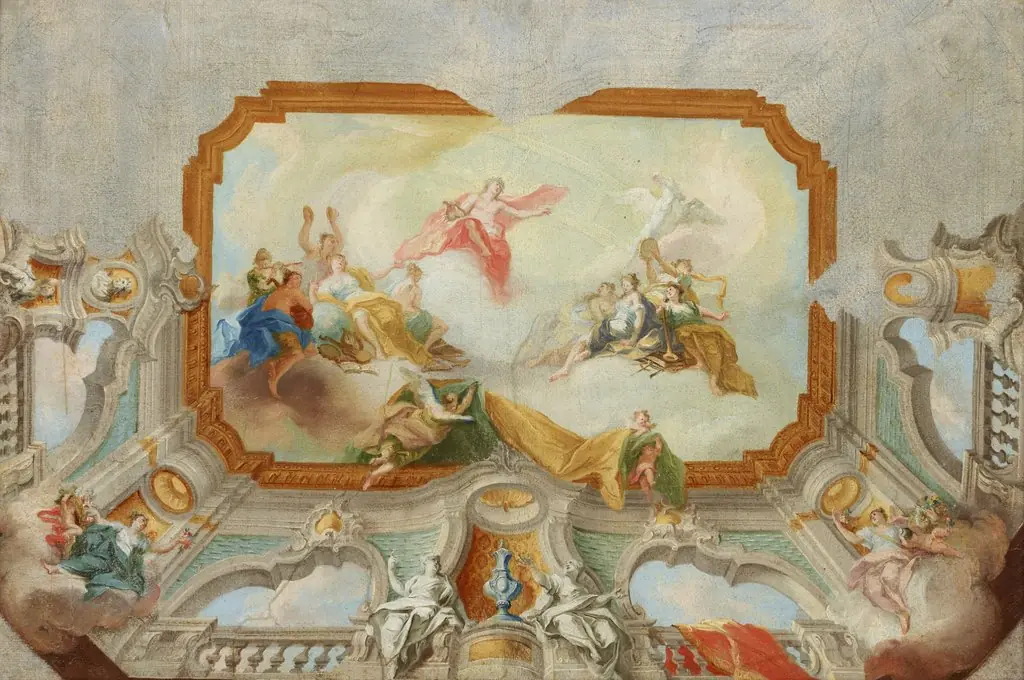
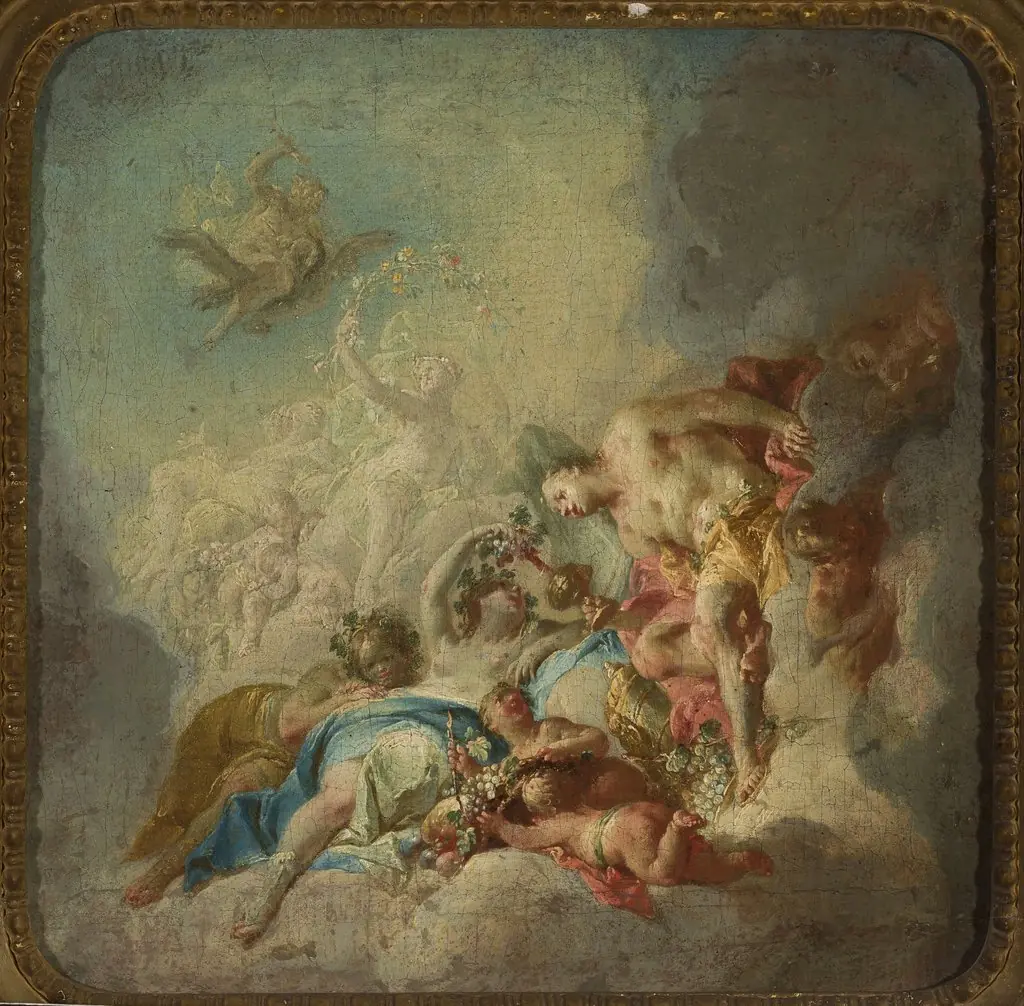
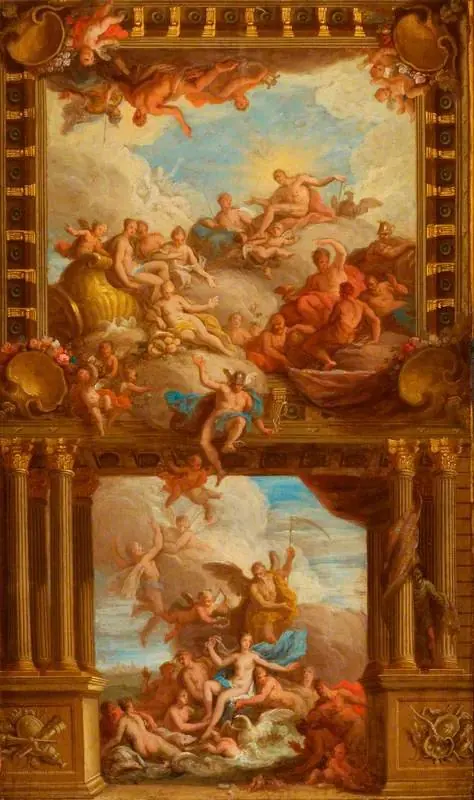 The Birth of Venus, and the Gods of Olympus (sketch for a wall and ceiling decoration)
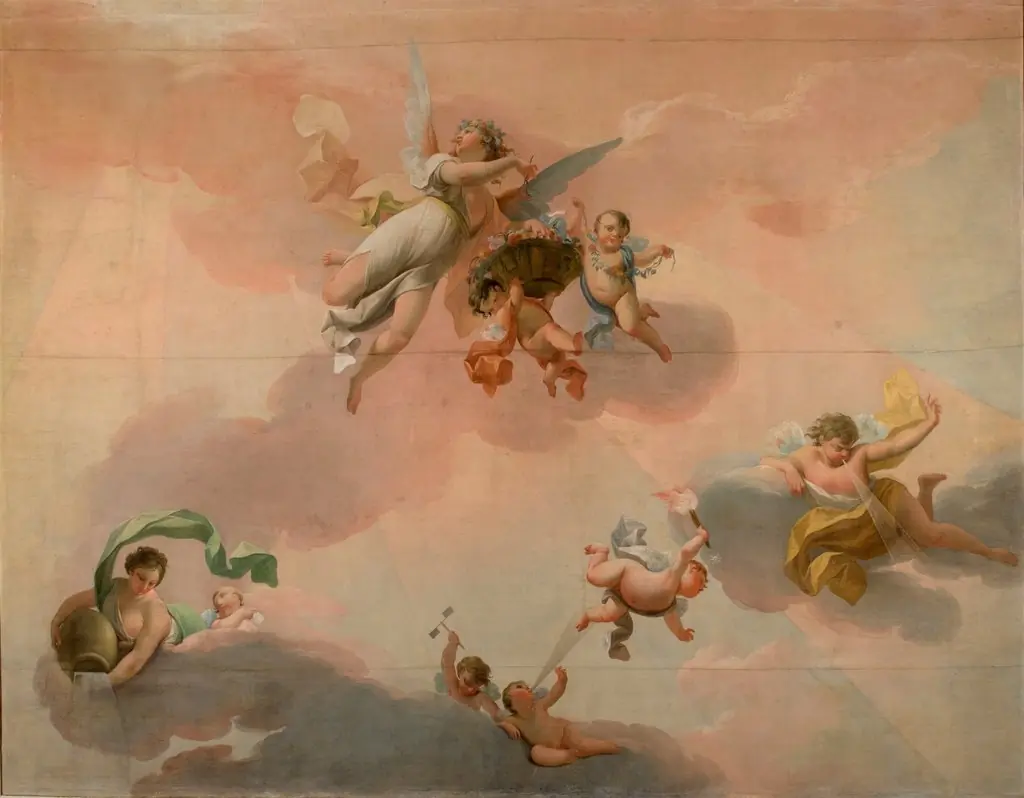 Alegoría de la Aurora
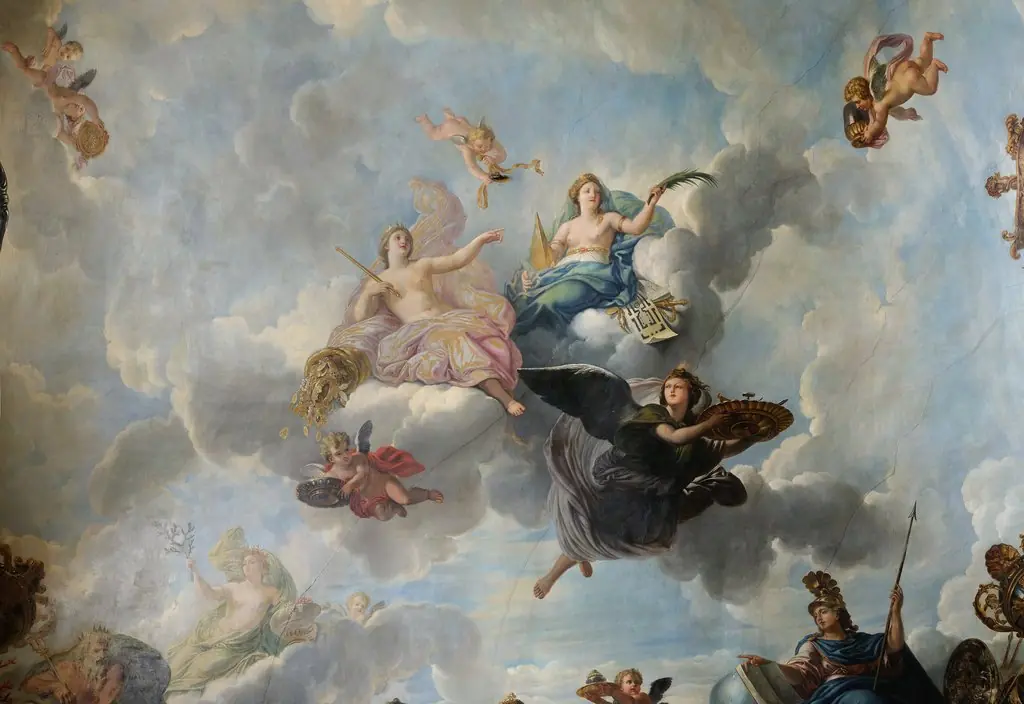 Figure of the Royal Magnificence, Immortality and Progress in the Fine Arts
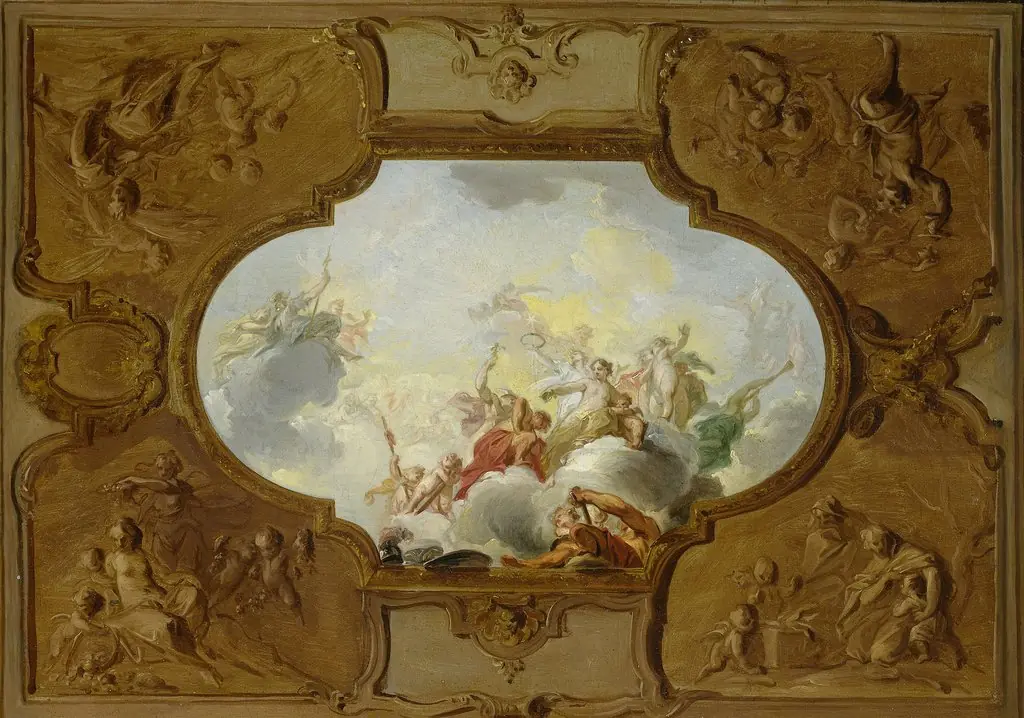 Design for a ceiling piece with Aeneas and the four seasons in the corners
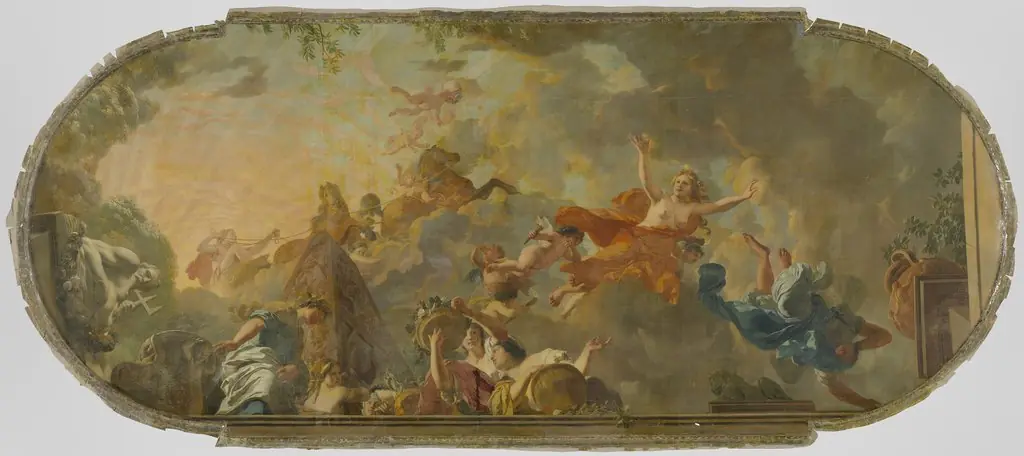 Allegory of dawn
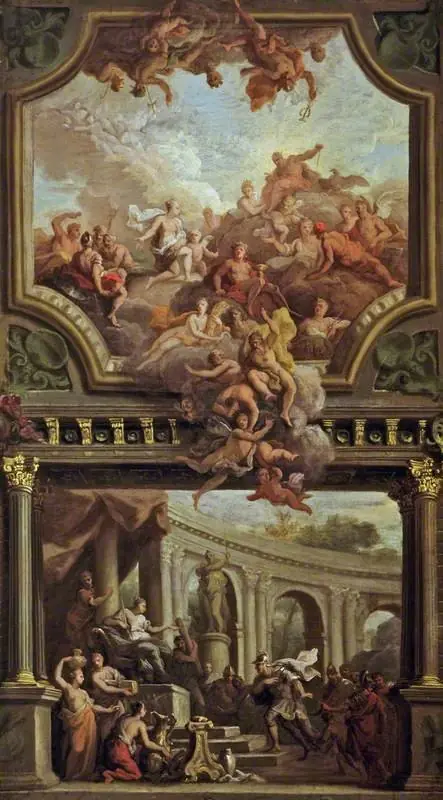 Aeneas before Dido, and Venus Supplicating Jupiter (sketch for a wall and ceiling decoration)
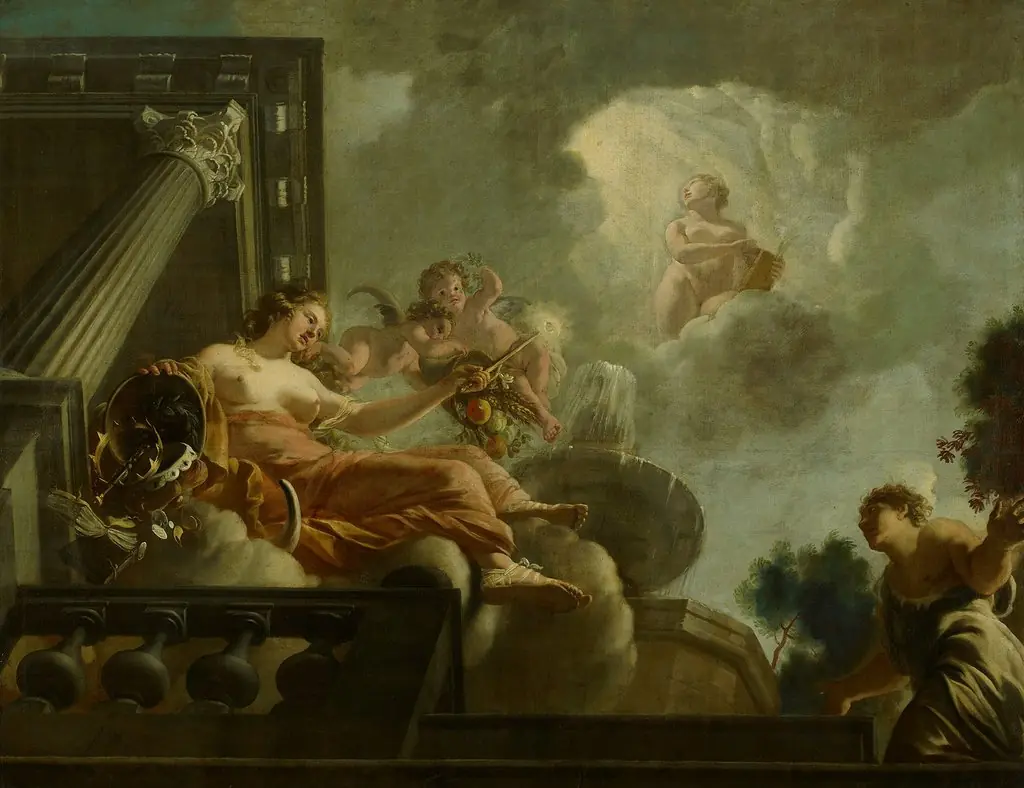 Religio begunstigt Abondantia : Allegorische voorstelling van de verzorging van leprozen en onnozelen
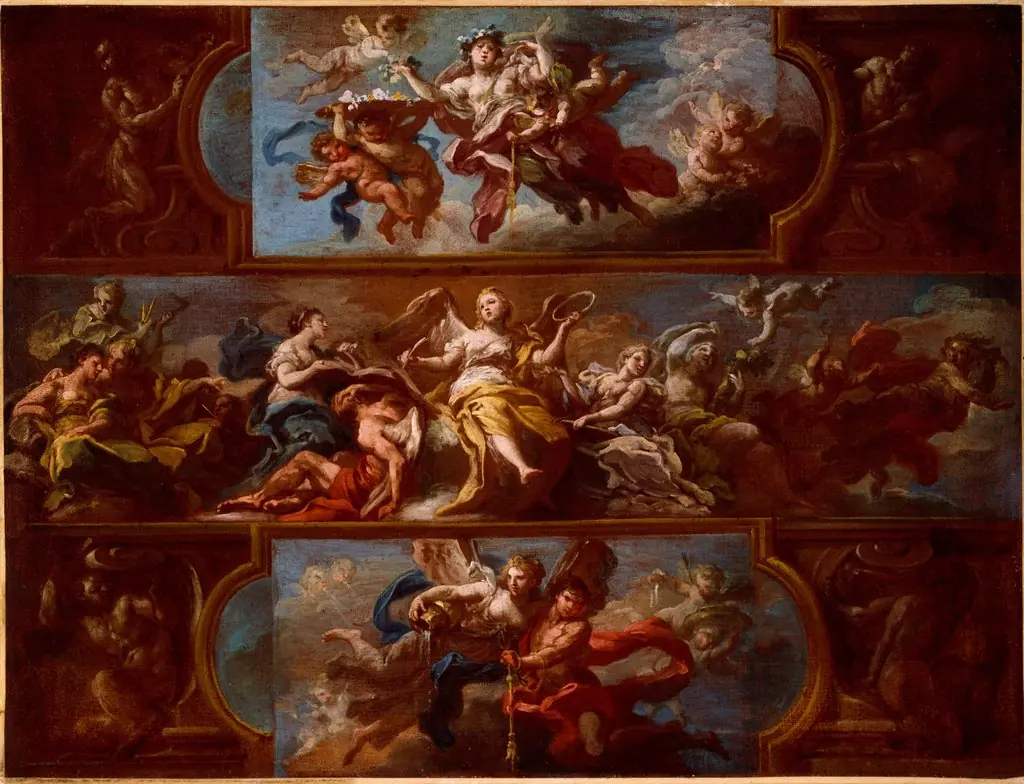 Allegory
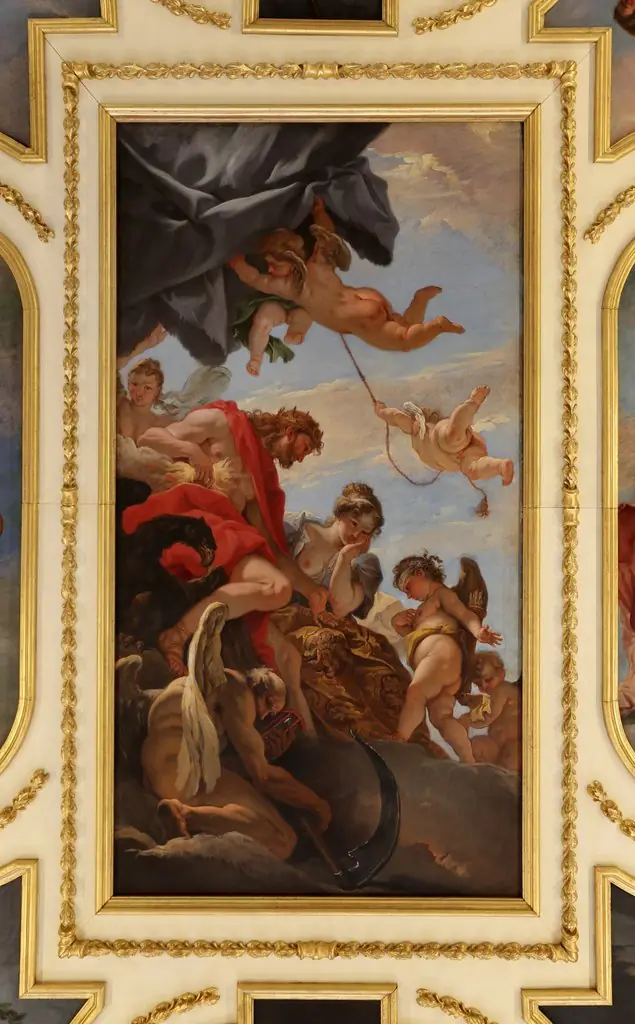 Amor vor Jupiter und Juno
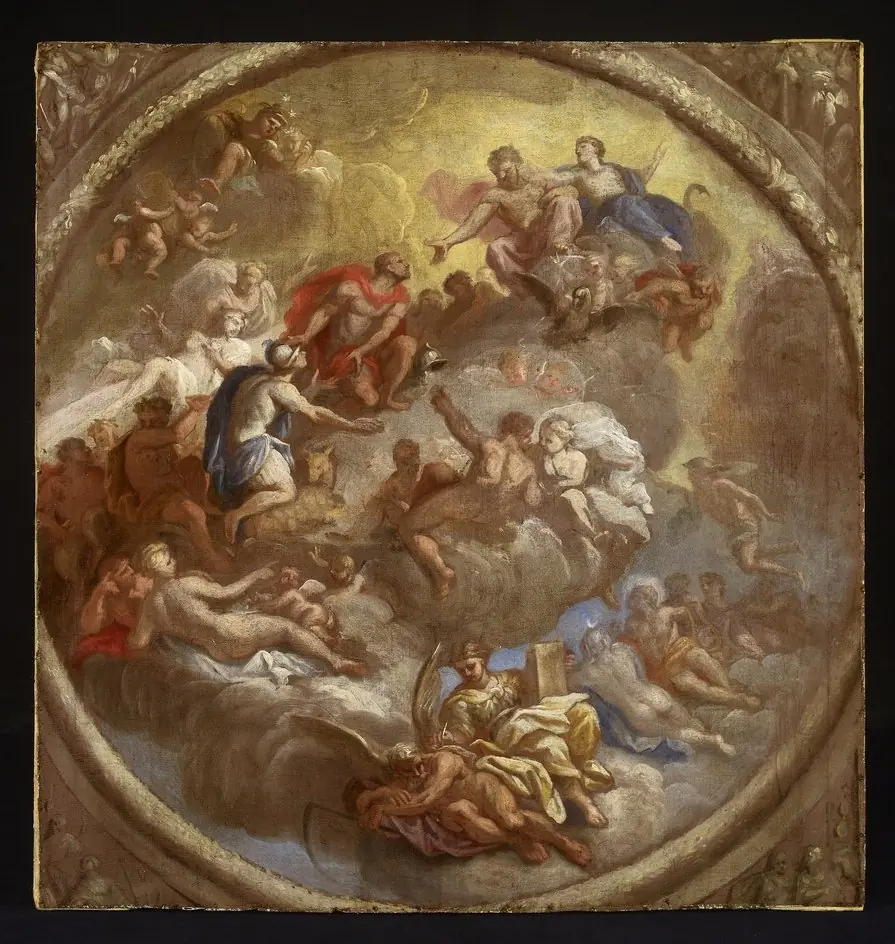 Sketch for a Ceiling Design