Artwork
Stillleben
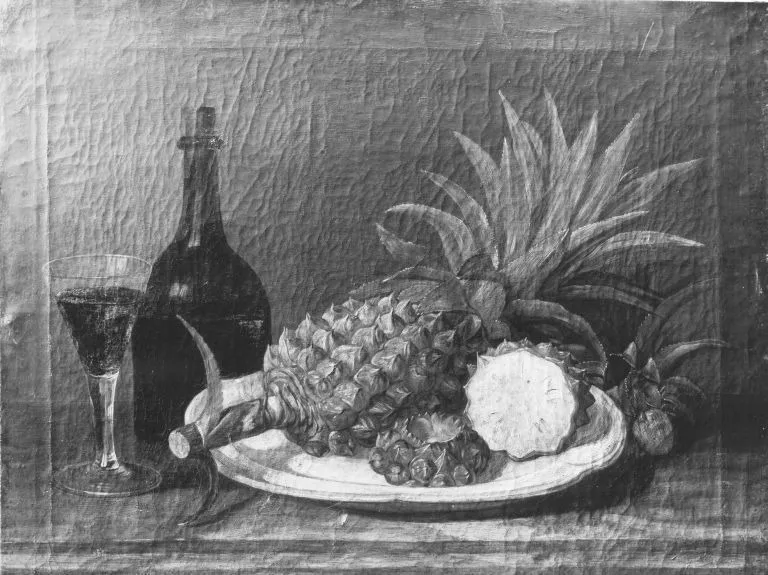
Stillleben is an unspecified painting by Daniel Hien. It dates from 1749 and is held in the collection of the Bavarian State Painting Collections.
About this work
Overview
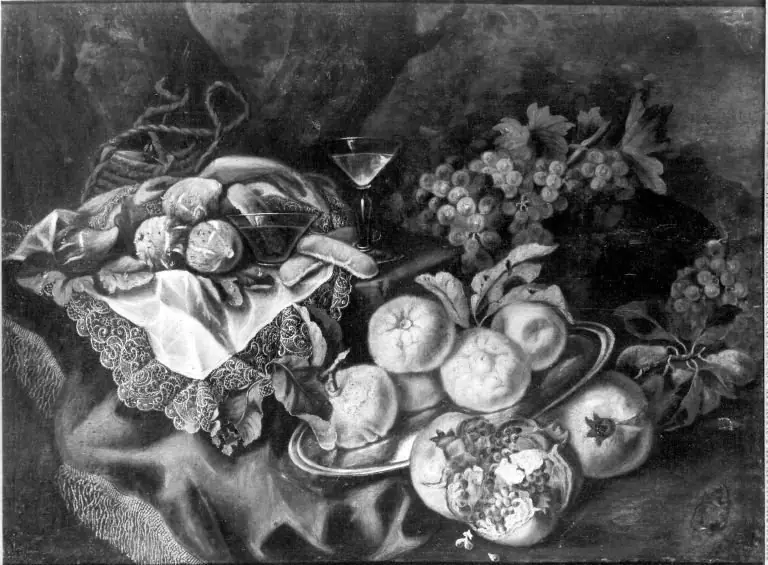
Painted in 1749 by Daniel Hien, this still life is a carefully composed arrangement of everyday objects: a bottle, a glass, and a pineapple on a plate. It resides in the Alte Pinakothek in Munich, where it exemplifies 18th-century German still-life painting. The dark background isolates the subjects, emphasizing their form and material presence without distraction.
Subject & Meaning
The pineapple, a rare and costly fruit in 18th-century Europe, signals wealth and exoticism. Positioned centrally, it contrasts with the humble glass and bottle, suggesting a dialogue between luxury and the ordinary. The arrangement avoids overt symbolism, instead inviting quiet contemplation of abundance, transience, and the artist’s skill in rendering the unfamiliar.
Technique & Style
Hien employs chiaroscuro to model the forms with strong contrasts between light and shadow, enhancing the tactile qualities of glass, fruit skin, and ceramic. The brushwork is precise yet restrained, capturing subtle reflections and surface textures. The composition balances the heavy pineapple on the right with the slender bottle and glass on the left, creating visual stability without symmetry.
History & Provenance
The painting entered the Alte Pinakothek’s collection in the 19th century, likely through royal or institutional acquisition.
The painting entered the Alte Pinakothek’s collection in the 19th century, likely through royal or institutional acquisition. Its attribution to Daniel Hien, a lesser-known artist from the German-speaking regions, reflects the museum’s broader effort to preserve regional works beyond major artistic centers. No earlier provenance is documented, but its condition suggests careful preservation since creation.
Context
In mid-18th-century Germany, still life painting flourished as a genre that combined observation with social commentary. While Dutch traditions influenced the form, Hien’s work reflects local tastes and access to imported goods. The pineapple’s prominence aligns with broader European fascination with colonial produce, rendered not as spectacle but as quiet, tangible presence.
Legacy
Though not widely reproduced or studied, the painting contributes to understanding regional German still-life practice outside the dominant Dutch or French schools. Its restrained elegance and technical precision offer insight into how artists of modest reputation engaged with themes of rarity and materiality, preserving a nuanced record of everyday luxury in pre-industrial Europe.
Artist & collection

 Stillleben mit Früchten
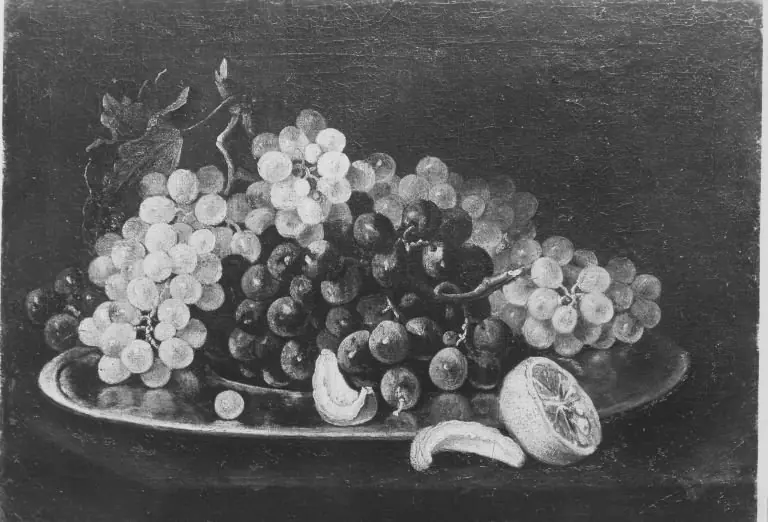 Stillleben mit Früchten
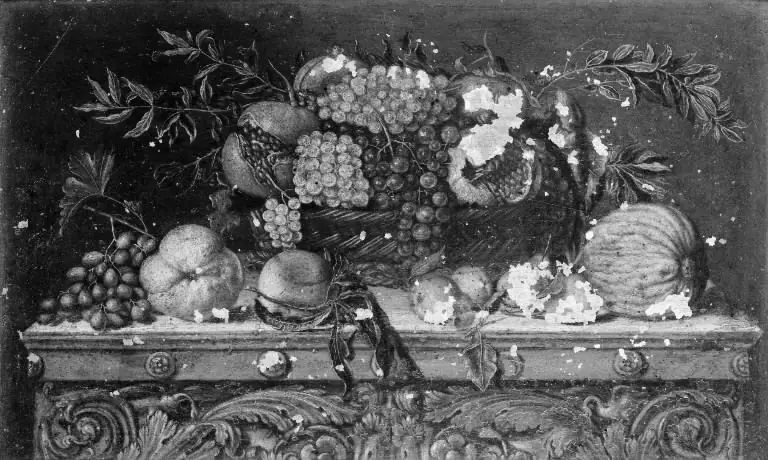 Et lille frugtstykke
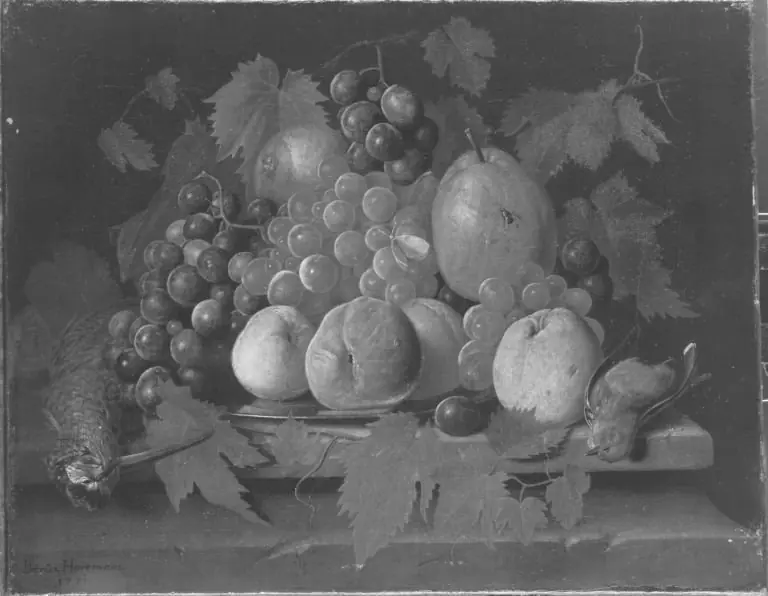 Stillleben mit Früchten und toten Vögeln
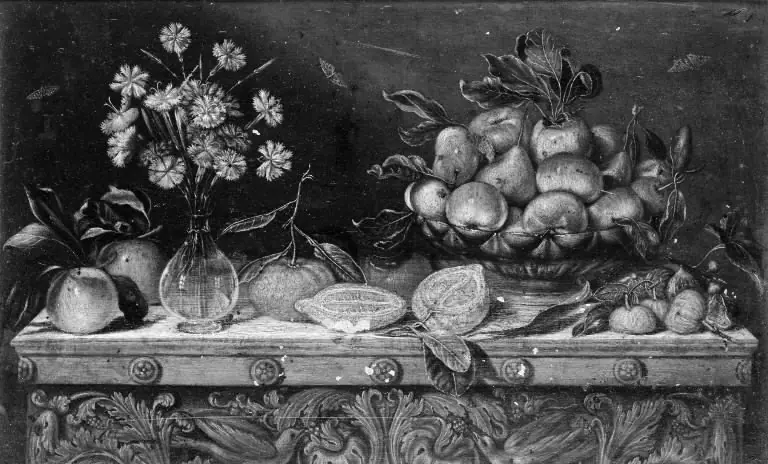 Et lille frugtstykke med blomster i vase
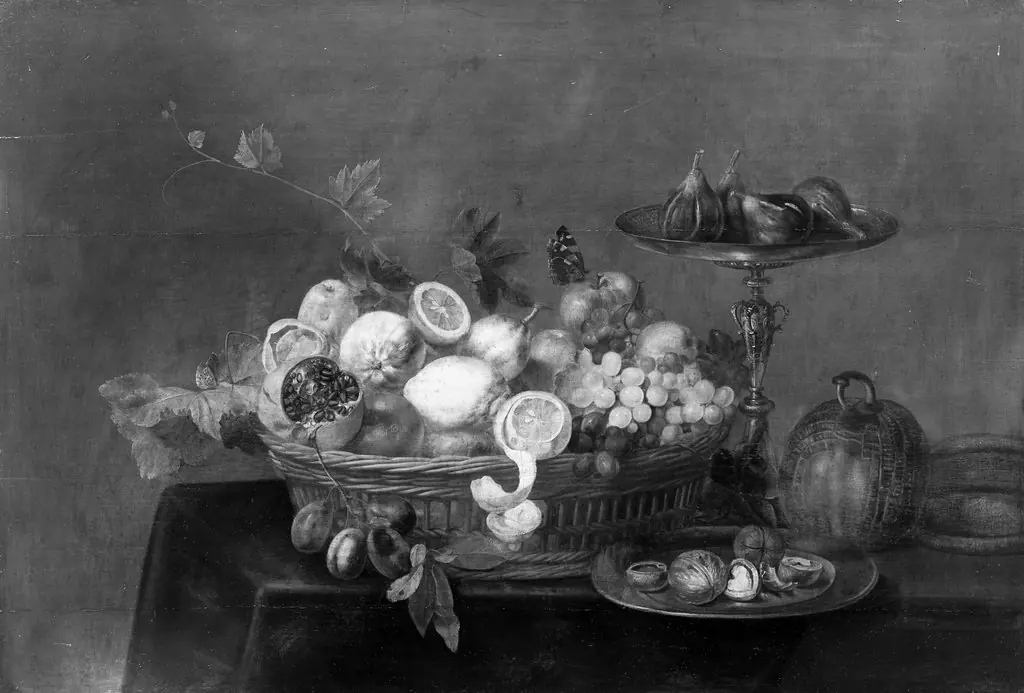 Still life with fruits
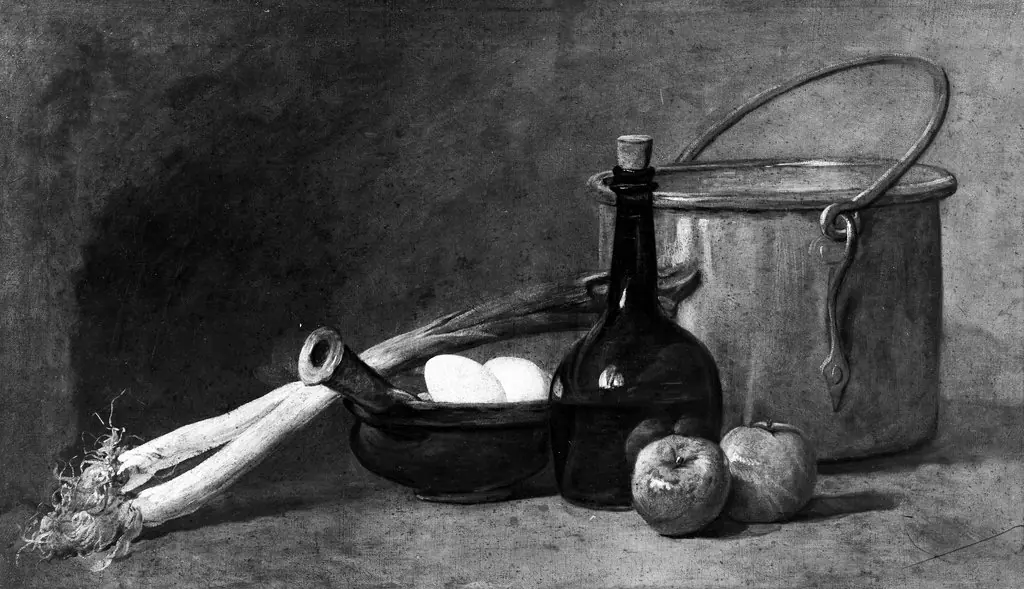 Still life with a copper kettle, bottle, bowl with eggs and two leek plants
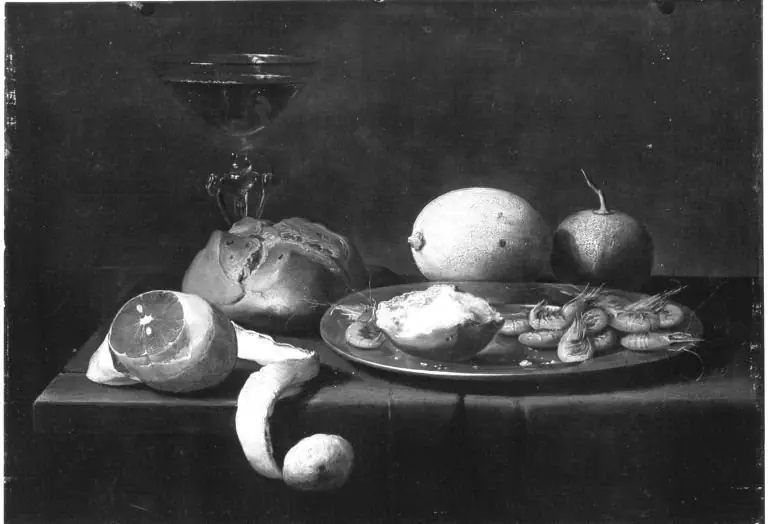 Stillleben
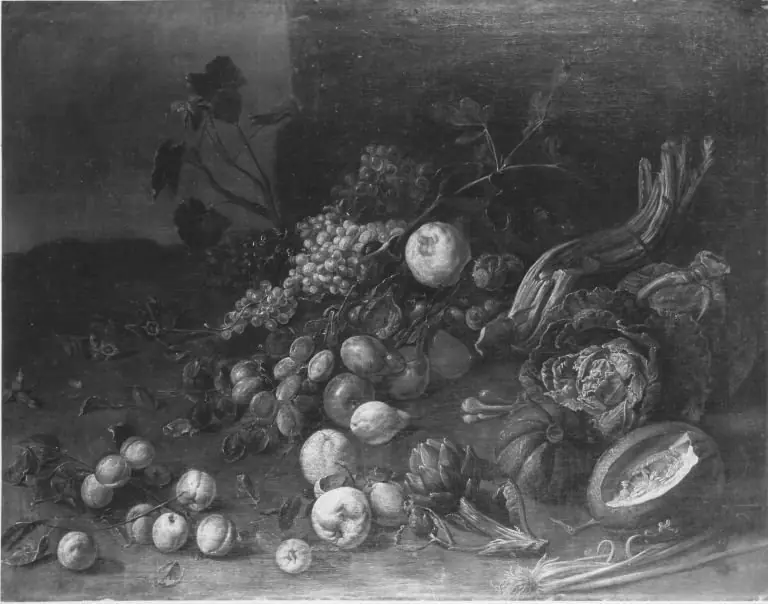 Früchtestück
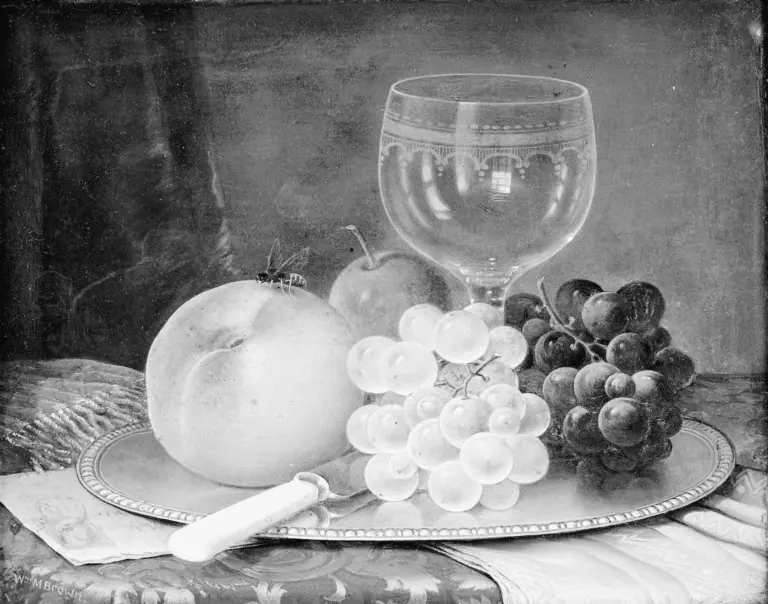 Still Life
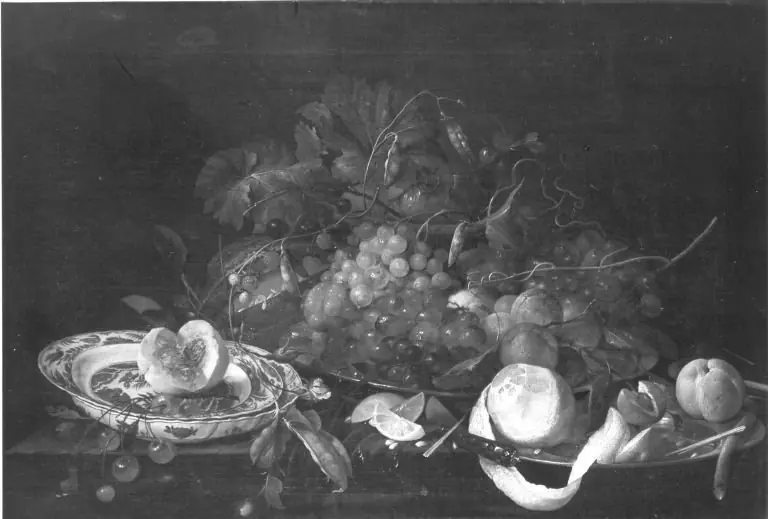 Früchtestück
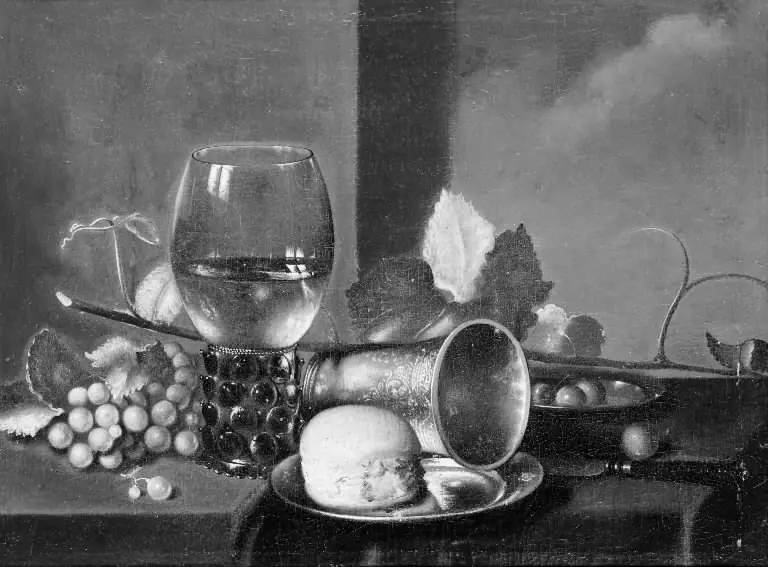 Stone Table with Glass, Cake and Fruit