Artwork
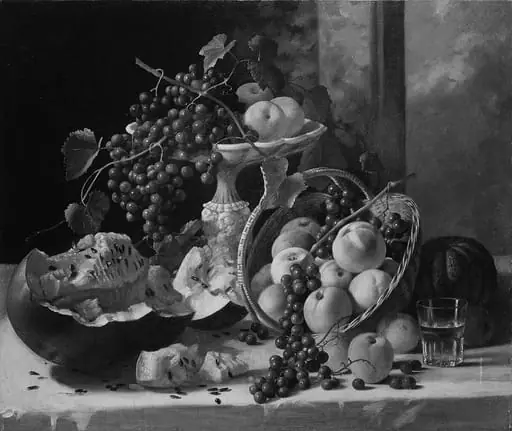
Stone Table with Glass, Cake and Fruit
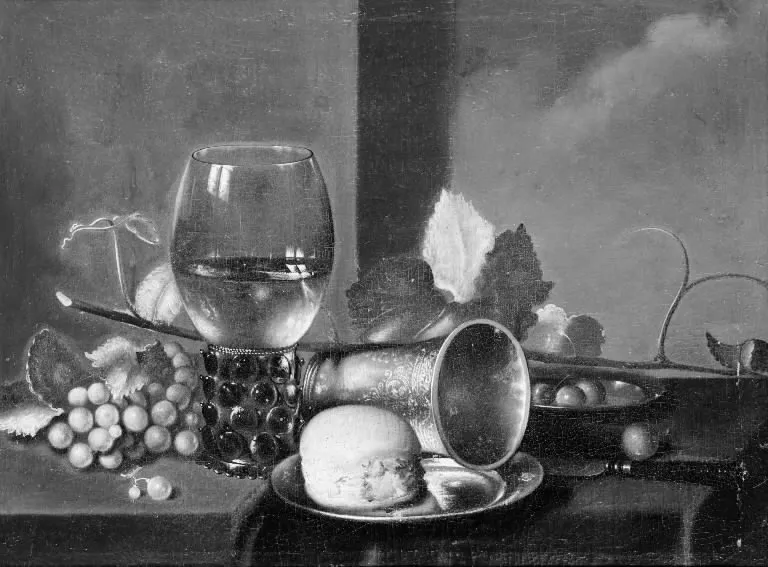
Stone Table with Glass, Cake and Fruit is an oil painting by Gerret Willemsz Heda. It is held in the collection of the Statens Museum for Kunst. Painted in 1690 by Gerret Willemsz.
About this work
Overview
Heda, this oil-on-canvas still life presents a quiet arrangement of everyday objects: a glass, a slice of cake, and assorted fruits on a stone surface.
Painted in 1690 by Gerret Willemsz. Heda, this oil-on-canvas still life presents a quiet arrangement of everyday objects: a glass, a slice of cake, and assorted fruits on a stone surface. Heda, active in Haarlem during the Dutch Golden Age, specialized in restrained compositions that emphasized material presence over ornamentation. The work resides in the collection of Statens Museum for Kunst in Copenhagen.
Subject & Meaning
The objects—glass, cake, and fruit—carry subtle associations with transience and abundance. The half-empty glass and partially consumed cake suggest consumption and impermanence, while the fruit’s ripeness hints at fleeting beauty. These elements align with vanitas traditions, inviting contemplation of earthly pleasures without overt moralizing, reflecting a quiet Dutch sensibility toward mortality and restraint.
Technique & Style
Heda employed precise brushwork to differentiate textures: the glass’s transparency, the cake’s crumbly surface, and the fruit’s glossy skin are rendered with careful observation. A dark, neutral background enhances the three-dimensionality of the objects through chiaroscuro, while cool and warm tones interact subtly to guide the viewer’s eye. The composition is balanced yet informal, avoiding symmetry in favor of naturalistic placement.
History & Provenance
Gerret Willemsz. Heda, son of the still life painter Willem Claesz. Heda, trained within a family tradition of meticulous object depiction. This painting, dated to the final year of his career, reflects his lifelong focus on domestic still lifes. It entered the Danish national collection in the 19th century, where it remains today as part of a broader survey of Dutch Golden Age works.
Context
In late 17th-century Haarlem, still life painting flourished as a genre that celebrated material culture while embedding philosophical undertones. Heda’s work emerged alongside contemporaries like Jan Jansz. Treck, whom he influenced. These artists moved away from ornate displays toward quieter, more introspective arrangements, mirroring broader societal values of modesty and reflection in the Dutch Republic.
Legacy
Heda’s restrained approach to still life helped define a regional aesthetic that prioritized texture and light over narrative. His influence extended to later painters who adopted his tonal sensitivity and compositional discipline. Though less celebrated than some peers, his work remains a quiet benchmark in the evolution of Dutch still life, valued for its understated precision and emotional restraint.
Artist & collection

Artist
Gerret Willemsz. Heda was born in Haarlem around 1625, the son of Willem Claesz. Heda, one of the leading exponents of the Dutch monochrome breakfast piece. Trained in his father's workshop, Gerret appears in a 1642…

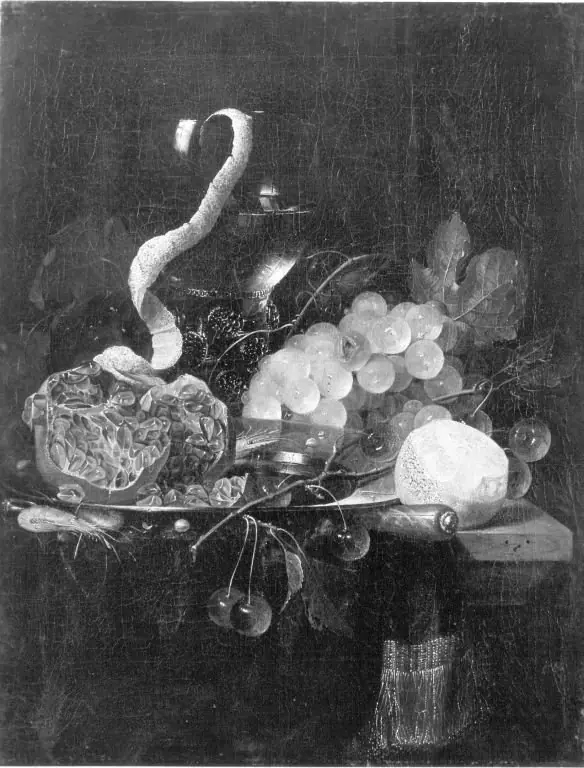
 Stilleben mit Römer
 Früchtestück
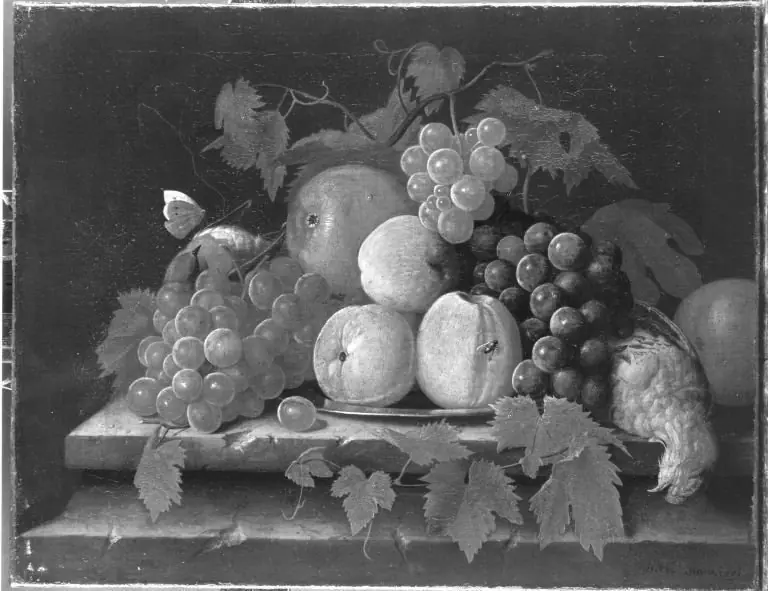 Stillleben mit Früchten und toten Vögeln
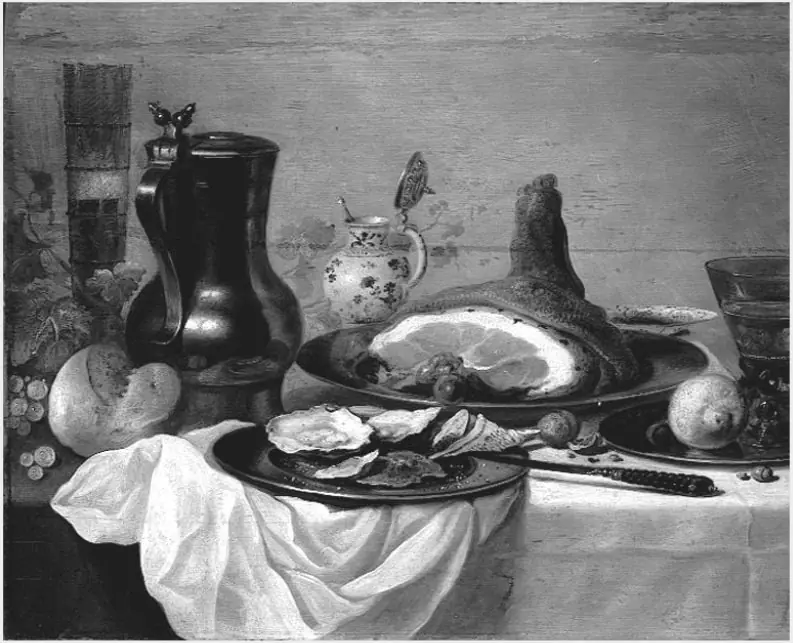 A Breakfast-piece
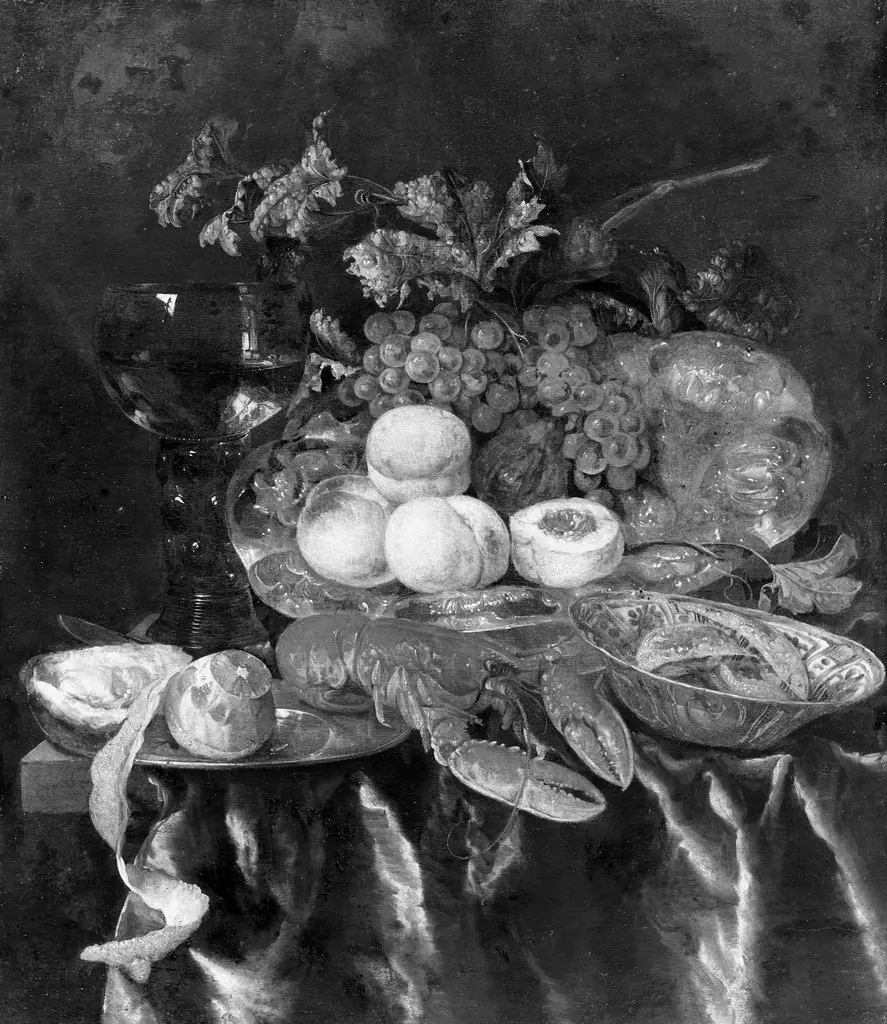 Still life with lobster, fruit, peeled lemon, rummer, silver dish and faience dish on a dark tablecloth
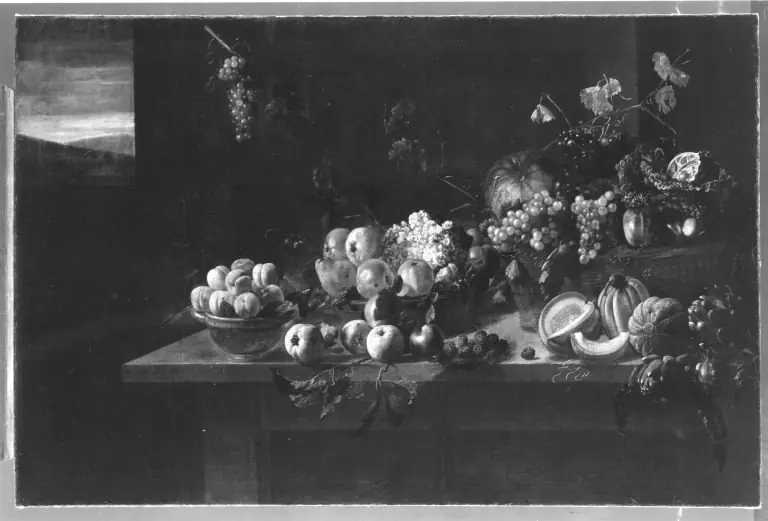 Früchtestück
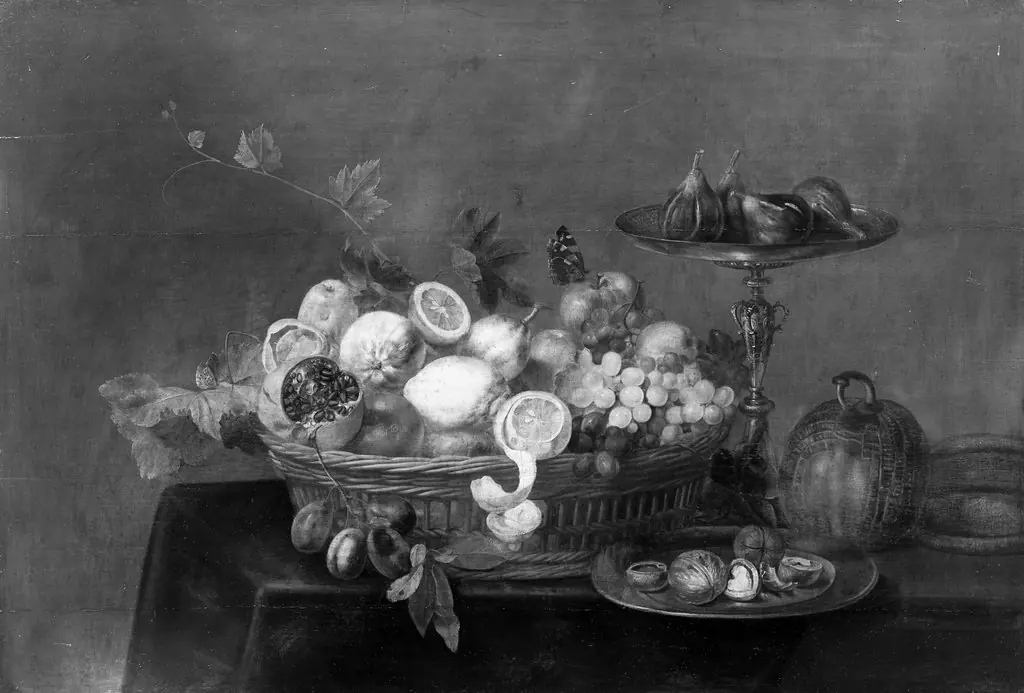 Still life with fruits
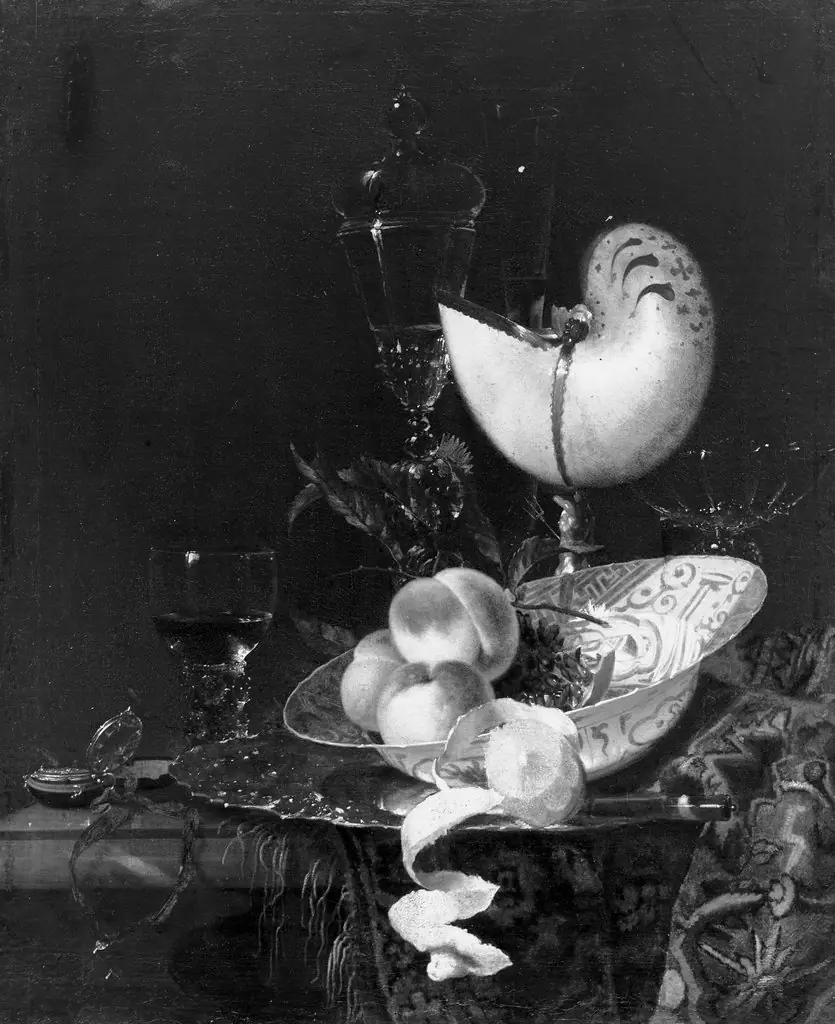 Still life with a nautilus cup
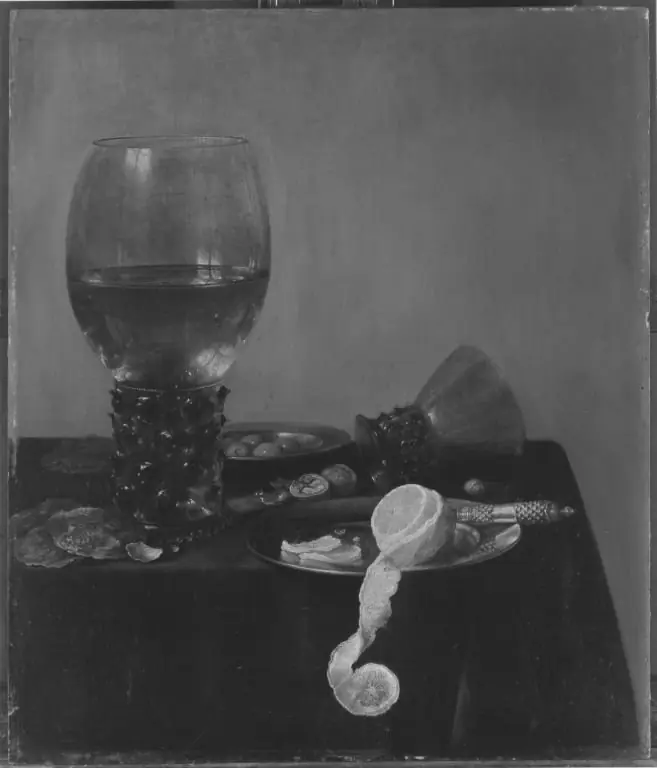 Still life with rummer, oysters, lemon and olives
 Still Life with Fruit