Artwork
Portret Jana III Sobieskiego (1629-1696), króla Polski
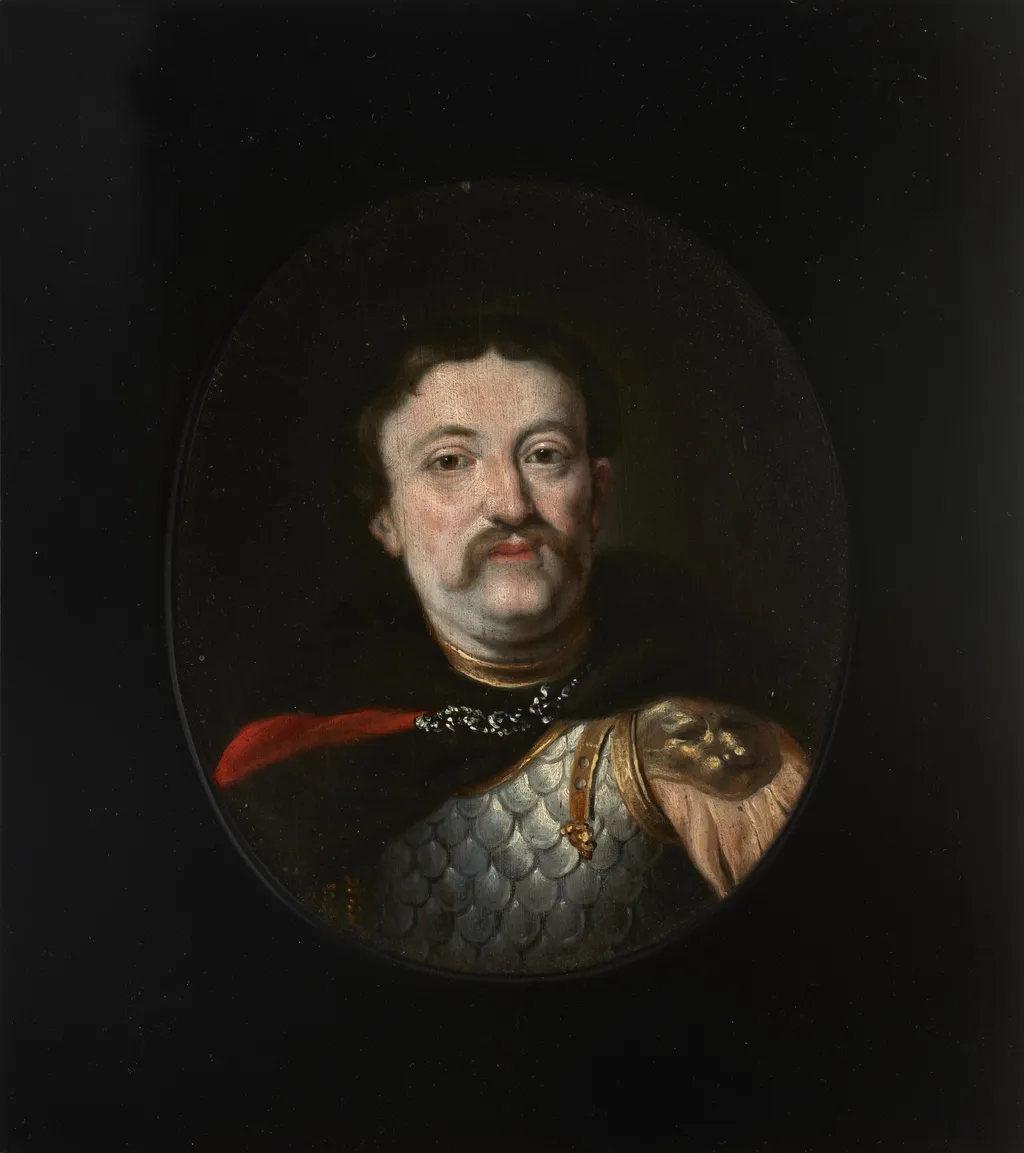
Portret Jana III Sobieskiego (1629-1696), króla Polski is an oil painting by the Flemish Baroque painting artist Daniel Schultz. It dates from 1670 and is held in the collection of the National Museum in Kraków.
About this work
Overview
Portret Jana III Sobieskiego is a 1670 wood painting by Daniel Schultz, portraying King Jan III Sobieski of Poland. Characterized by Flemish Baroque influences, the work showcases Schultz's expertise in capturing nobility.
Subject & Meaning
The portrait depicts King Jan III Sobieski (1629–1696) in regal attire, including white armor with gold accents and a red cape, signifying his high status. The composition emphasizes the subject's prominence against a dark background.
Technique & Style
Schultz employed Flemish Baroque techniques, utilizing light and shadow to create depth and dimensionality. The contrast between the dark background and the king's attire enhances the overall visual impact.
History & Provenance
Created in 1670, the painting is part of Schultz's oeuvre of portraits of European nobles and royalty. It is now held in a collection, though the specific location is not detailed here.
Context
Portret Jana III Sobieskiego reflects the artistic tastes of the Polish–Lithuanian Commonwealth during the Baroque period, with Schultz contributing to the region's cultural landscape through his work.
Legacy
As part of Schultz's body of work, the portrait contributes to the broader legacy of Flemish Baroque influence in European portraiture, with his pieces found in major European collections.
Artist & collection
Artist
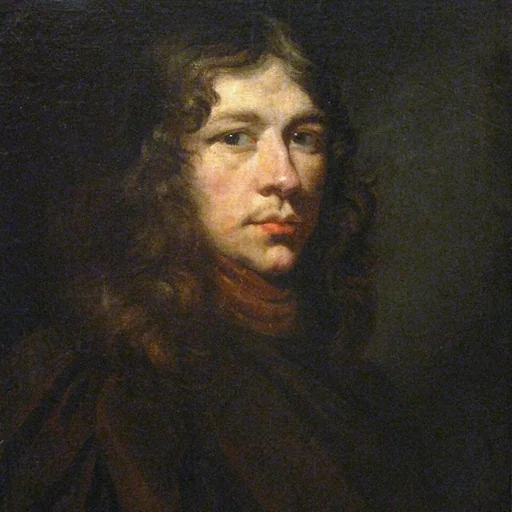
Jerzy (Georg) Daniel Schultz known also as Daniel Schultz the Younger (c. 1615 – 1683) was a prominent painter of the Baroque era, born and active in the Polish–Lithuanian Commonwealth. He painted many Polish and…

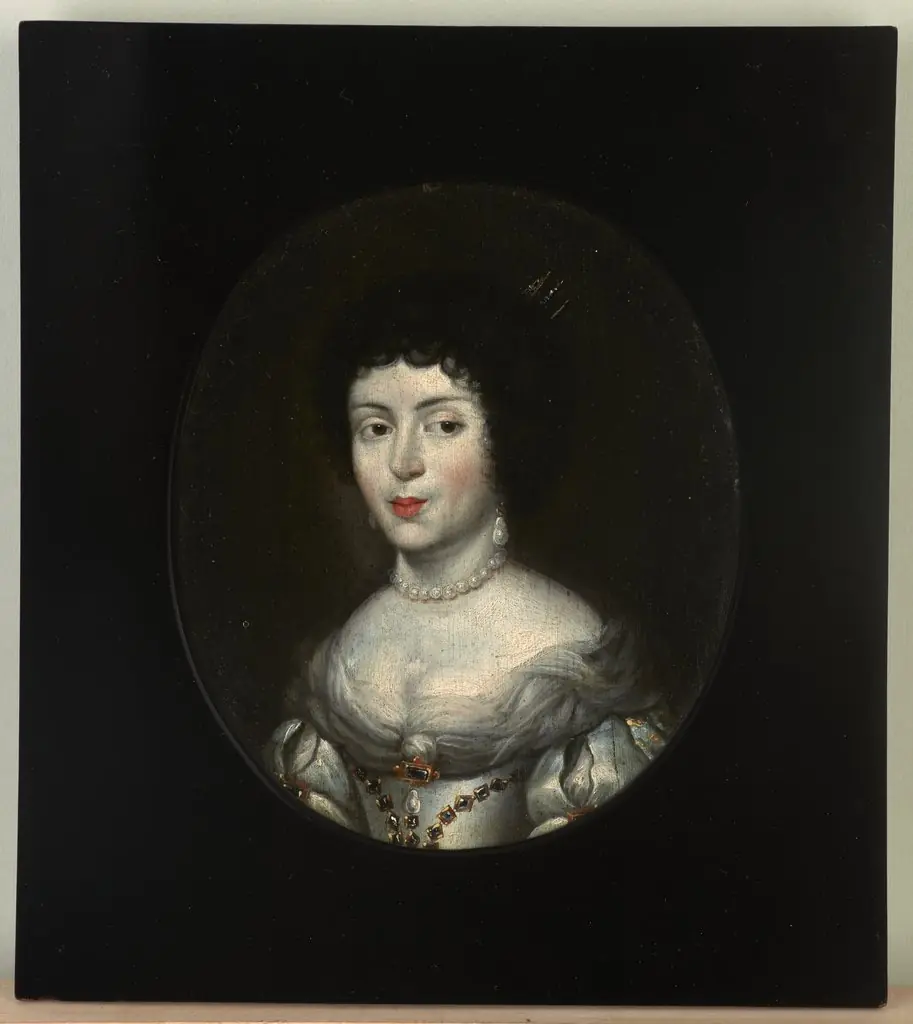
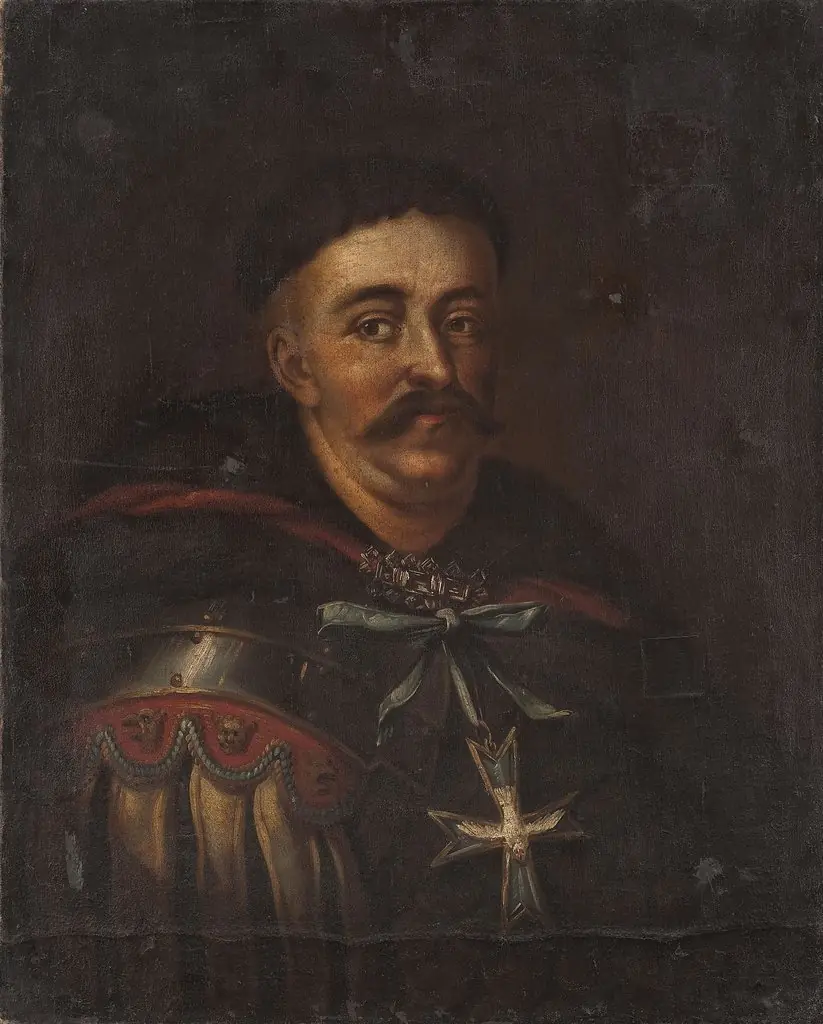 Portrait of John III Sobieski (1629–1696), King of Poland
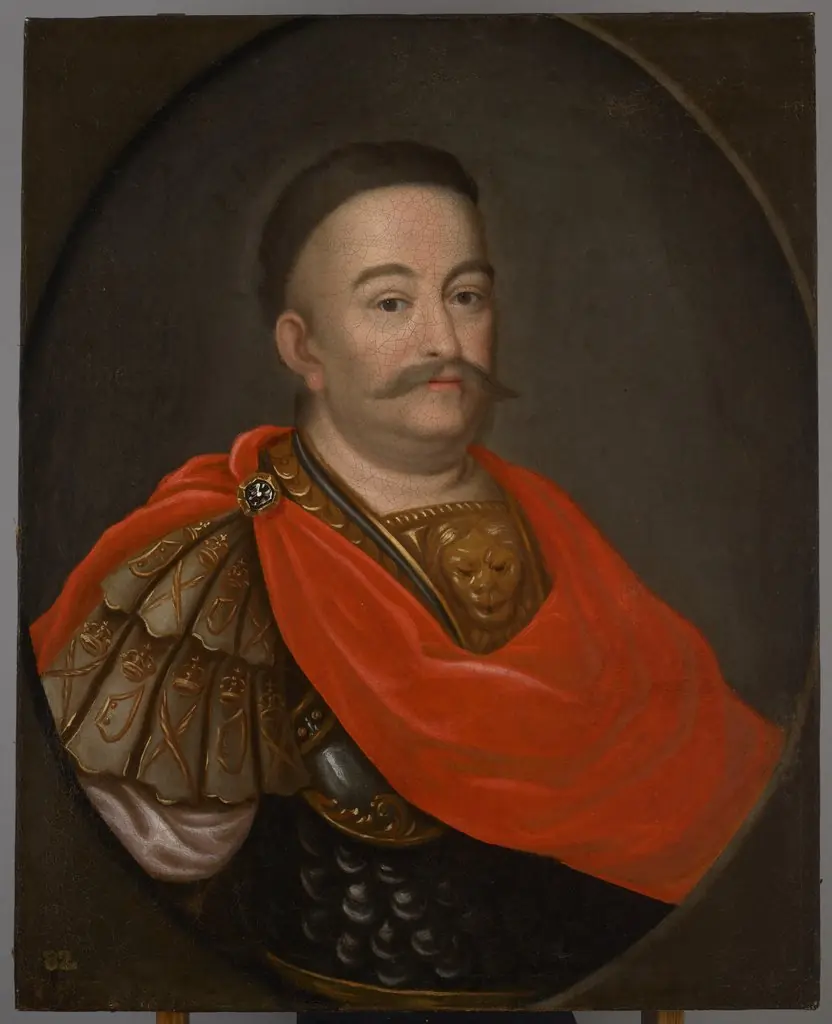 Portrait of John III Sobieski (1624–1696) in Karacena Scale Armour
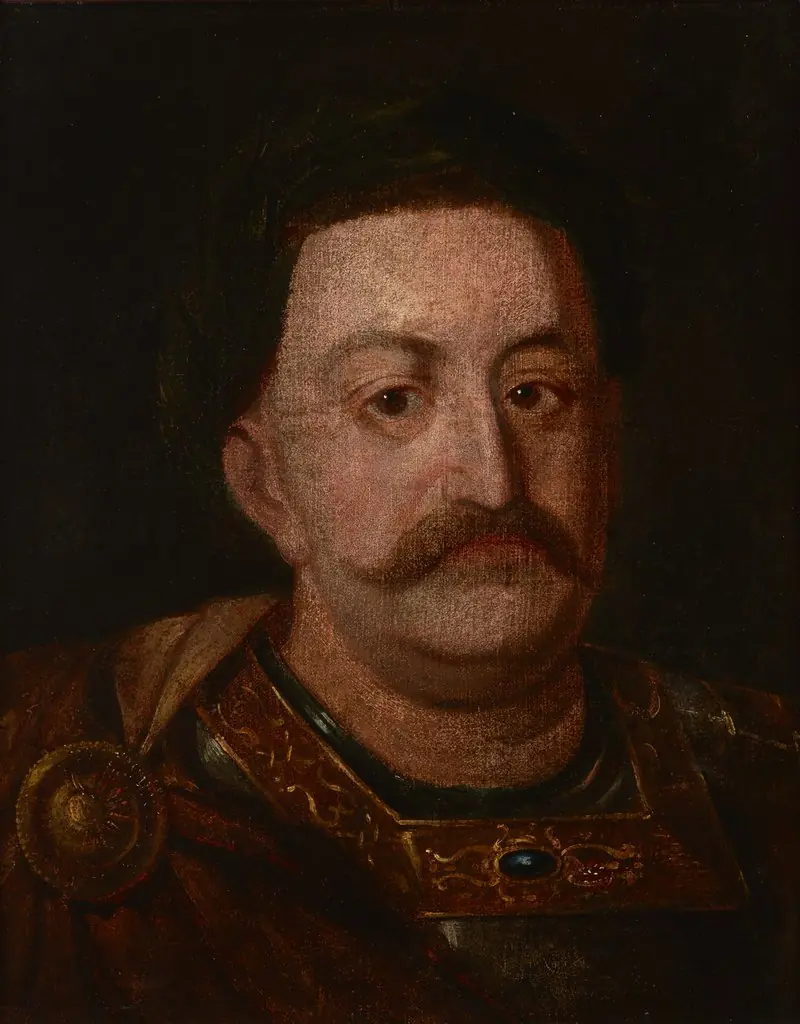 Portret Jana III Sobieskiego (1629-1696), króla Polski
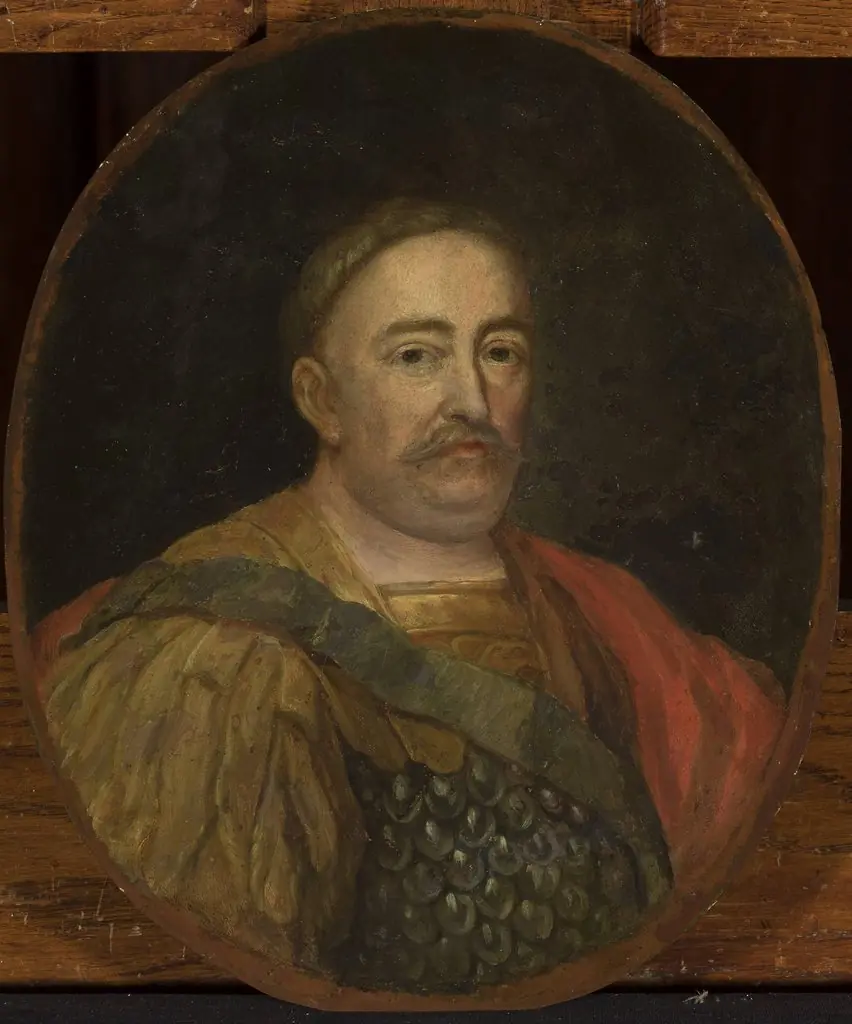 Portrait of John III Sobieski (1629–1696), King of Poland
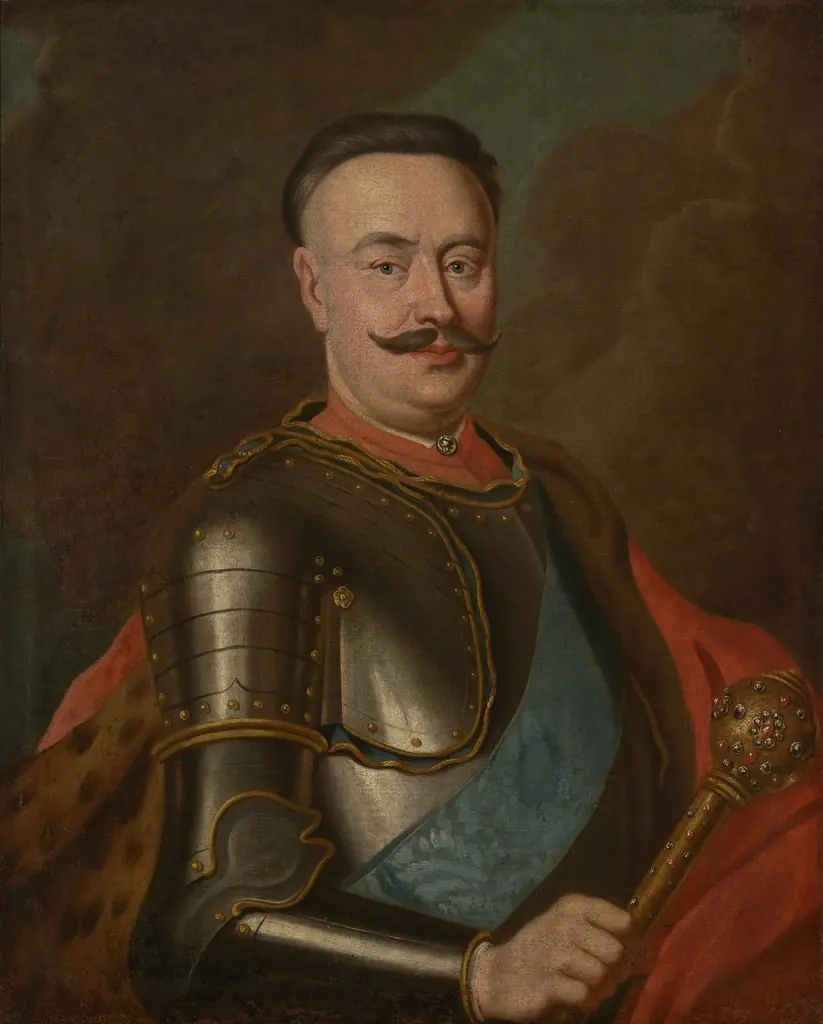 Portrait of Jan Klemens Branicki (1689–1771)
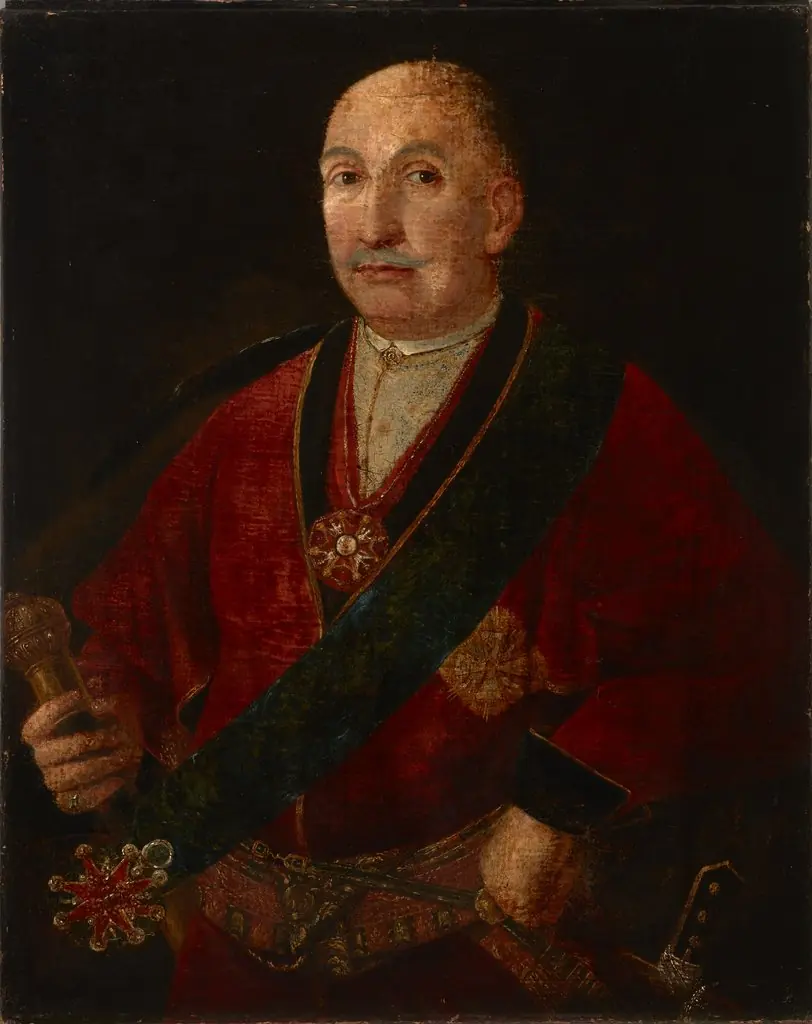 Portrait of Stanislaw Kostka Dembinski, Castellan of Wojnice (1708-1781)