Artwork
Portret Jana III Sobieskiego (1629-1696), króla Polski
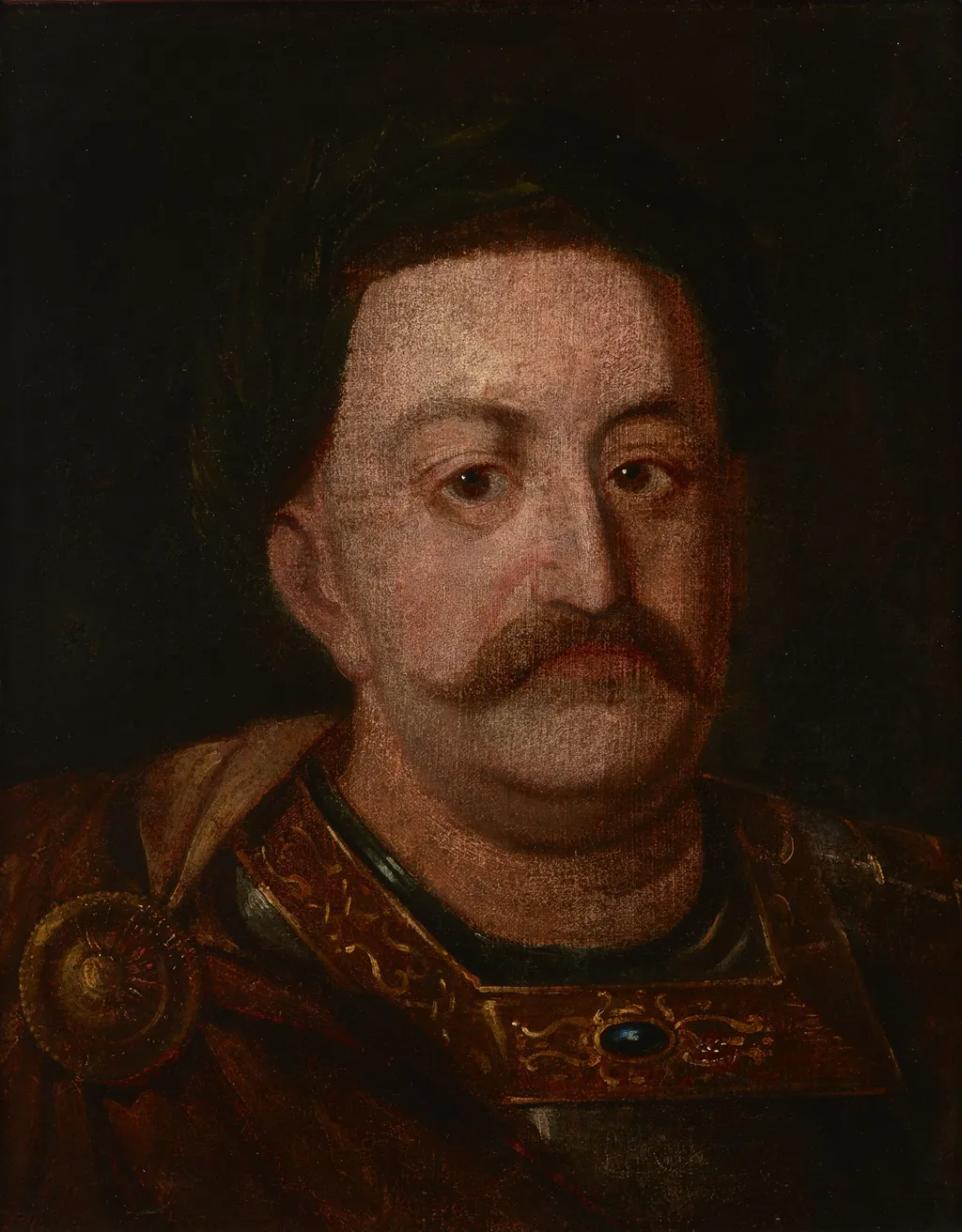
Portret Jana III Sobieskiego (1629-1696), króla Polski is an oil painting by the Rococo painting artist Unknown. It dates from 1700 and is held in the collection of the National Museum in Kraków. This oil painting depicts Jan III Sobieski, King of Poland, rendered in a formal, intimate portrait style.
About this work
Overview
This oil painting depicts Jan III Sobieski, King of Poland, rendered in a formal, intimate portrait style. The composition isolates the figure against a dark, unbroken background, drawing attention entirely to the sitter’s face and upper torso. The use of chiaroscuro enhances the three-dimensionality of his features, emphasizing the gravity of his presence without ornamental distraction.
Subject & Meaning
Jan III Sobieski, who reigned from 1674 to 1696, is portrayed not as a monarch in regalia but as a man of authority and resolve. His serious expression and restrained attire suggest a focus on personal dignity and leadership rather than ceremonial splendor. The portrait conveys the weight of responsibility carried by a ruler during a turbulent era in Polish history.
Technique & Style
The artist employs chiaroscuro—contrasts of light and shadow—to model the king’s face with subtle gradations, giving it a lifelike volume. The dark background eliminates environmental context, focusing the viewer’s gaze on the texture of skin, the sheen of the gold-trimmed collar, and the precision of the mustache. The brushwork is controlled, avoiding flourish in favor of quiet realism.
History & Provenance
The painting’s origins are not fully documented, but it likely dates from Sobieski’s reign or shortly after his death. It may have been commissioned for private or state use, possibly to reinforce his image among allies or within the royal court. Its survival suggests it was valued as a personal or political artifact, though its early ownership remains uncertain.
Context
Portraits of European monarchs in the late 17th century often balanced idealization with psychological presence. Sobieski’s image, stripped of crowns or scepters, aligns with a broader trend among rulers to project authority through demeanor rather than symbols. This approach reflected both personal taste and the political climate of a monarchy navigating internal and external pressures.
Legacy
The portrait endures as a quiet testament to Sobieski’s character, distinct from more elaborate royal images of the period. It contributes to the visual record of Polish leadership during the Baroque era, offering a restrained counterpoint to the grandeur typical of contemporary court art. Its simplicity continues to inform interpretations of his historical persona.
Artist & collection

 Domestic Scene
 Giacomo and Cardinal Marco, investing Andrea, Abbot of San Zeno, with his Benefice
 The Nymph of Fontainebleau
 Portrait of a Woman
 Madonna and Child with Saints in the Enclosed Garden
 Venus and Minerva
 Family Group of Four on Sofa
 Wall painting from Room H of the Villa of P. Fannius Synistor at Boscoreale
 Portret Jana III Sobieskiego (1629-1696), króla Polski
 Portrait of John III Sobieski (1629–1696), King of Poland
 Portret Jana III Sobieskiego (1629-1696), króla Polski
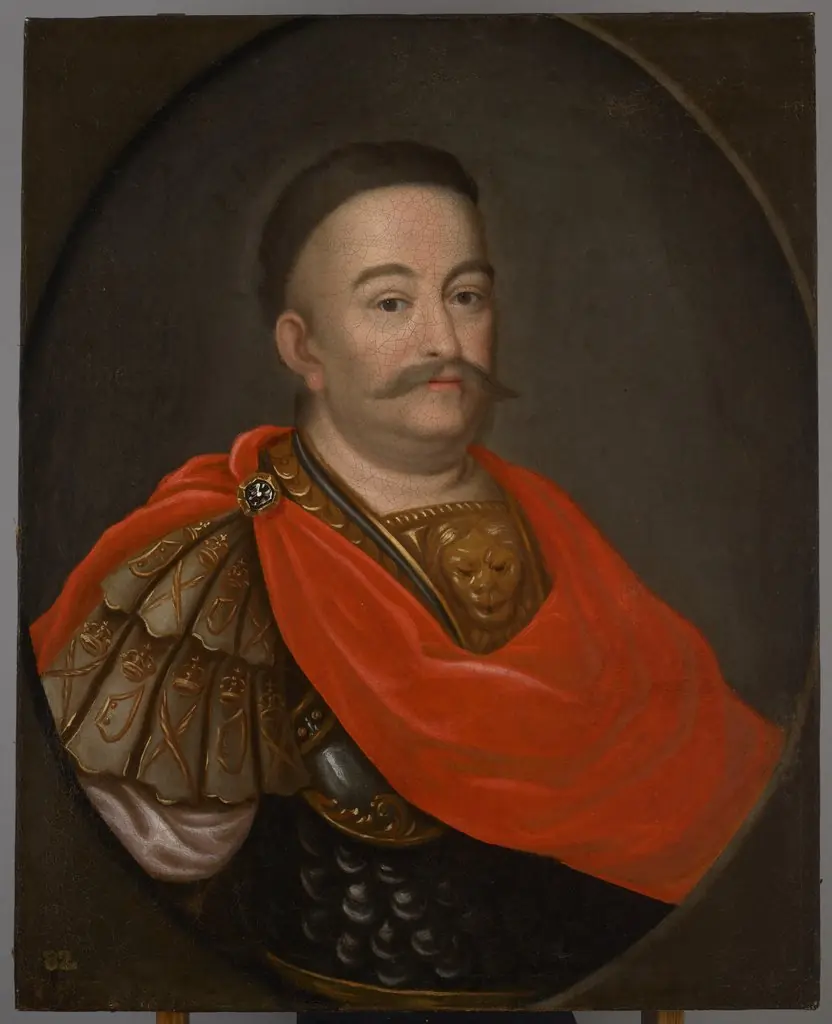 Portrait of John III Sobieski (1624–1696) in Karacena Scale Armour
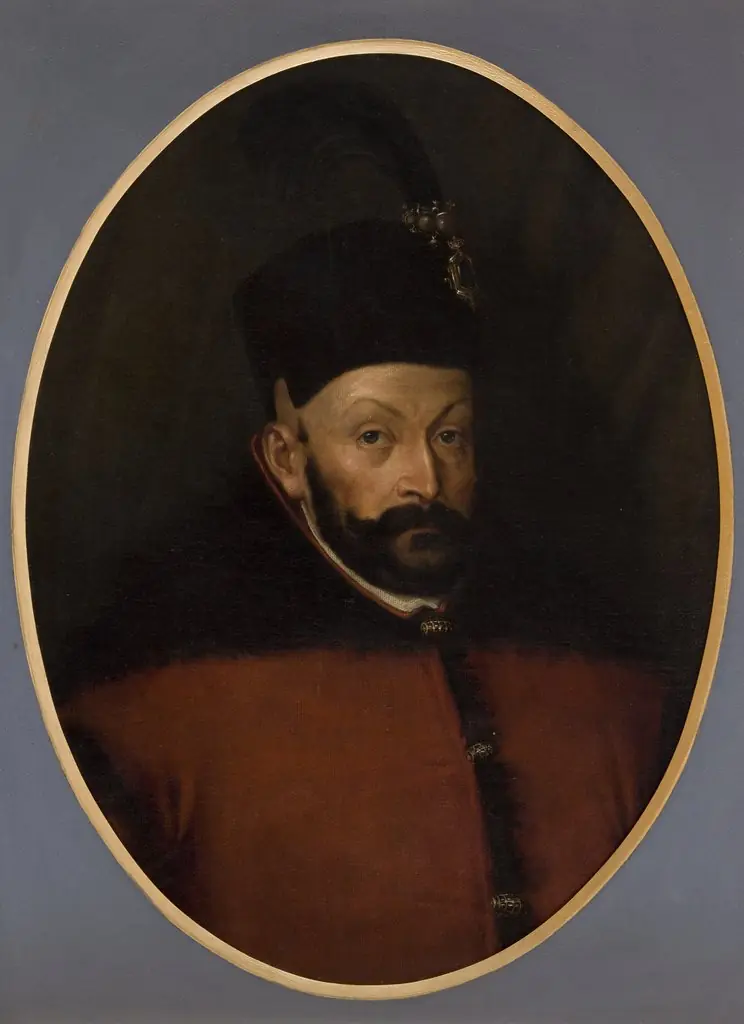 Portret Stefana Batorego (1533-1586), króla Polski
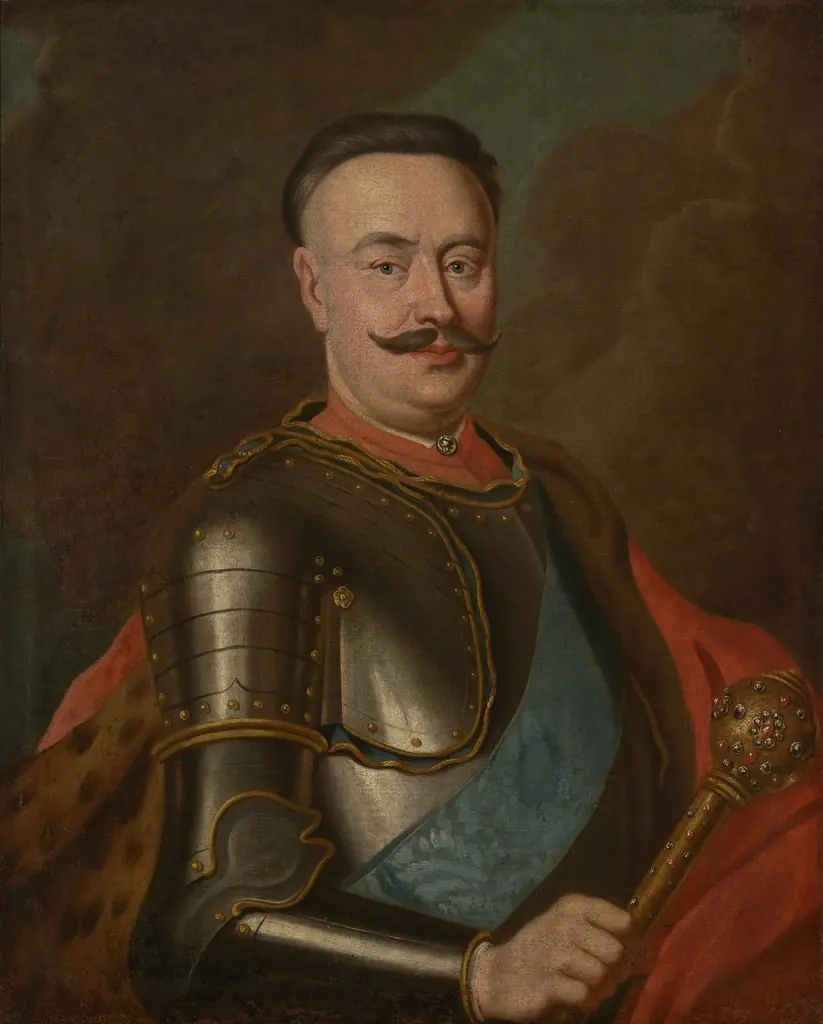 Portrait of Jan Klemens Branicki (1689–1771)
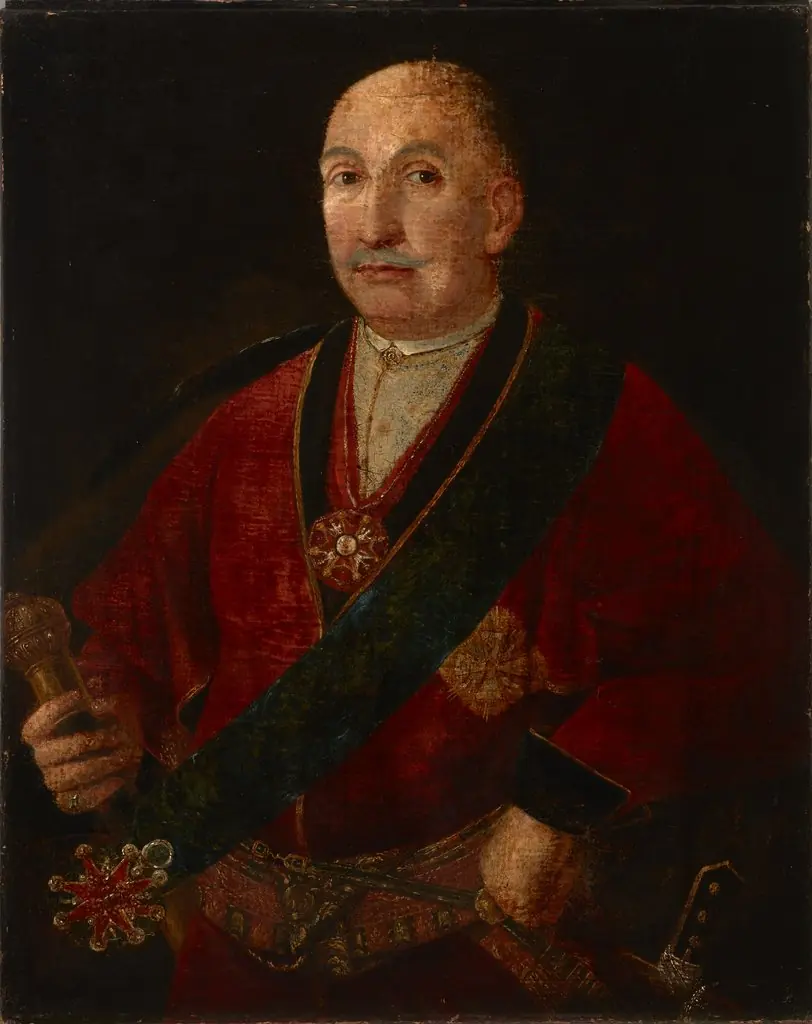 Portrait of Stanislaw Kostka Dembinski, Castellan of Wojnice (1708-1781)
 Portret Stefana Batorego (1533-1586), króla Polski
 Portret Karola Radziwiłła "Panie Kochanku", wojewody wileńskiego (1734-1790) (uproszczona kopia portretu wykonanego przez K. Aleksandrowicza)
 Portrait of Augustus III (1696–1763), King of Poland