Artwork
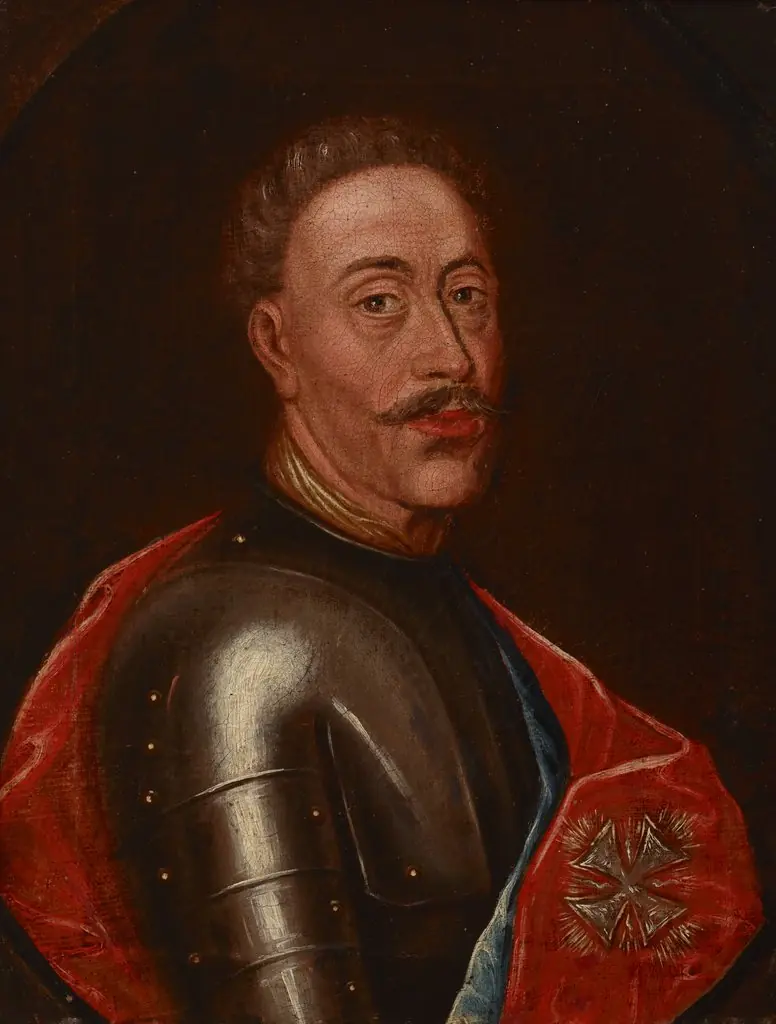
Portrait of John III Sobieski (1629–1696), King of Poland
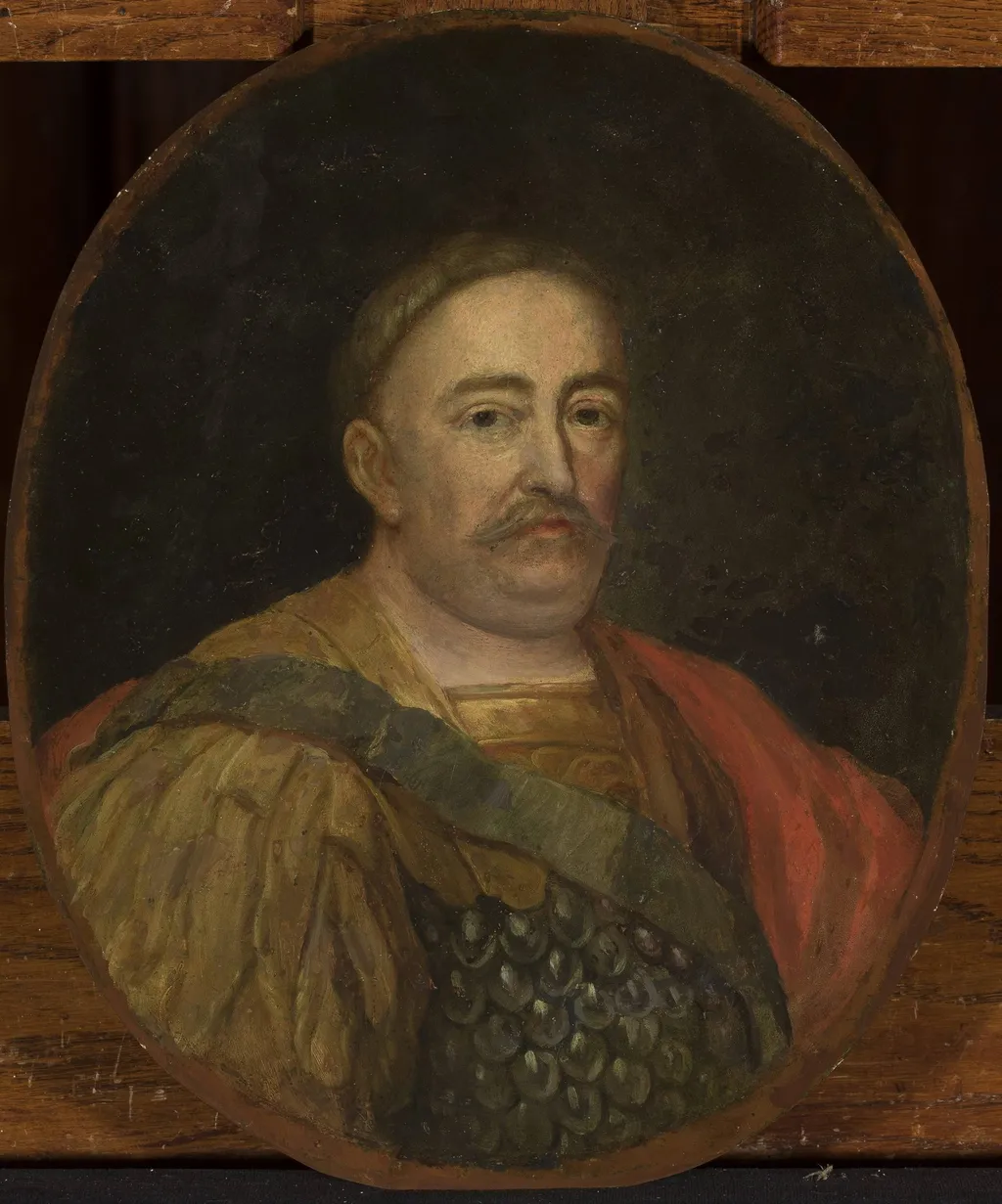
Portrait of John III Sobieski (1629–1696), King of Poland is an unspecified painting by the Flemish Baroque painting artist Unknown. It dates from 1696 and is held in the collection of the National Museum in Warsaw. The work is a circular oil portrait depicting a dignified male figure.
About this work
Overview
The work is a circular oil portrait depicting a dignified male figure. He gazes directly, his expression solemn, framed by a dark, uniform background that isolates his visage. The composition emphasizes the subject’s face through a contrast of light and shadow, creating a focused, intimate presentation.
Subject & Meaning
The sitter is John III Sobieski, the Polish monarch who reigned from 1674 to 1696. His attire—a dark green‑brown cloak with a red collar and a row of painted buttons—signifies his status and military leadership. The restrained demeanor reflects the king’s reputation for prudence and resolve.
Technique & Style
Executed in oil on canvas, the portrait employs chiaroscuro, using a limited light source to model the facial features while the surrounding darkness recedes. Fine brushwork delineates the eyes, mouth, and moustache, whereas broader strokes render the cloak’s texture, highlighting the artist’s skill in balancing detail and overall tonal harmony.
History & Provenance
Created in the late 17th century, the painting likely originated in a court workshop serving the Polish–Lithuanian Commonwealth. Its subsequent ownership has passed through several private collections before entering a public museum, where it now serves as a visual record of Sobieski’s reign.
Context
Sobieski’s reign is noted for military victories, most famously the relief of Vienna in 1683. Portraits of the king were commissioned to reinforce his authority and to disseminate his image across the Commonwealth, aligning with contemporary European practices of regal representation.
Legacy
The portrait remains a valuable reference for scholars studying Baroque portraiture in Central Europe. Its restrained composition and use of chiaroscuro illustrate the diffusion of Italian artistic techniques into Polish court art, influencing later depictions of nobility in the region.
Artist & collection

 Domestic Scene
 Giacomo and Cardinal Marco, investing Andrea, Abbot of San Zeno, with his Benefice
 The Nymph of Fontainebleau
 Portrait of a Woman
 Madonna and Child with Saints in the Enclosed Garden
 Venus and Minerva
 Family Group of Four on Sofa
 Wall painting from Room H of the Villa of P. Fannius Synistor at Boscoreale
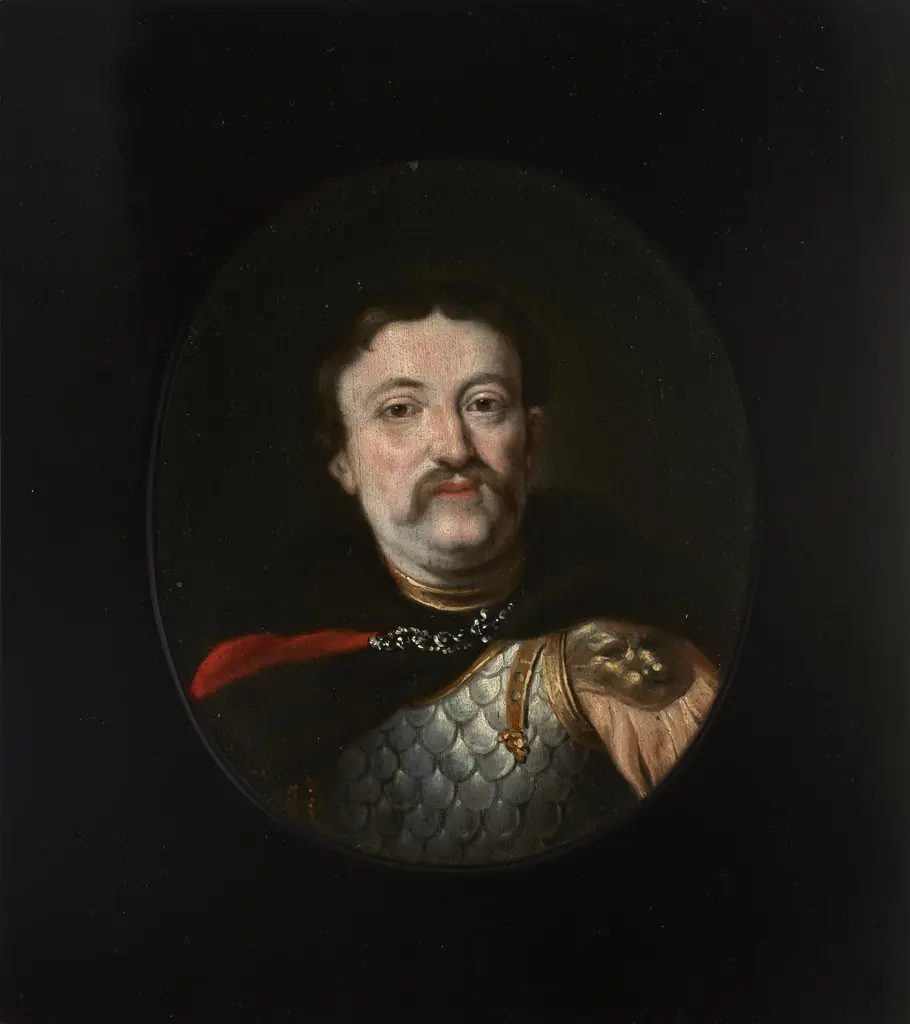 Portret Jana III Sobieskiego (1629-1696), króla Polski
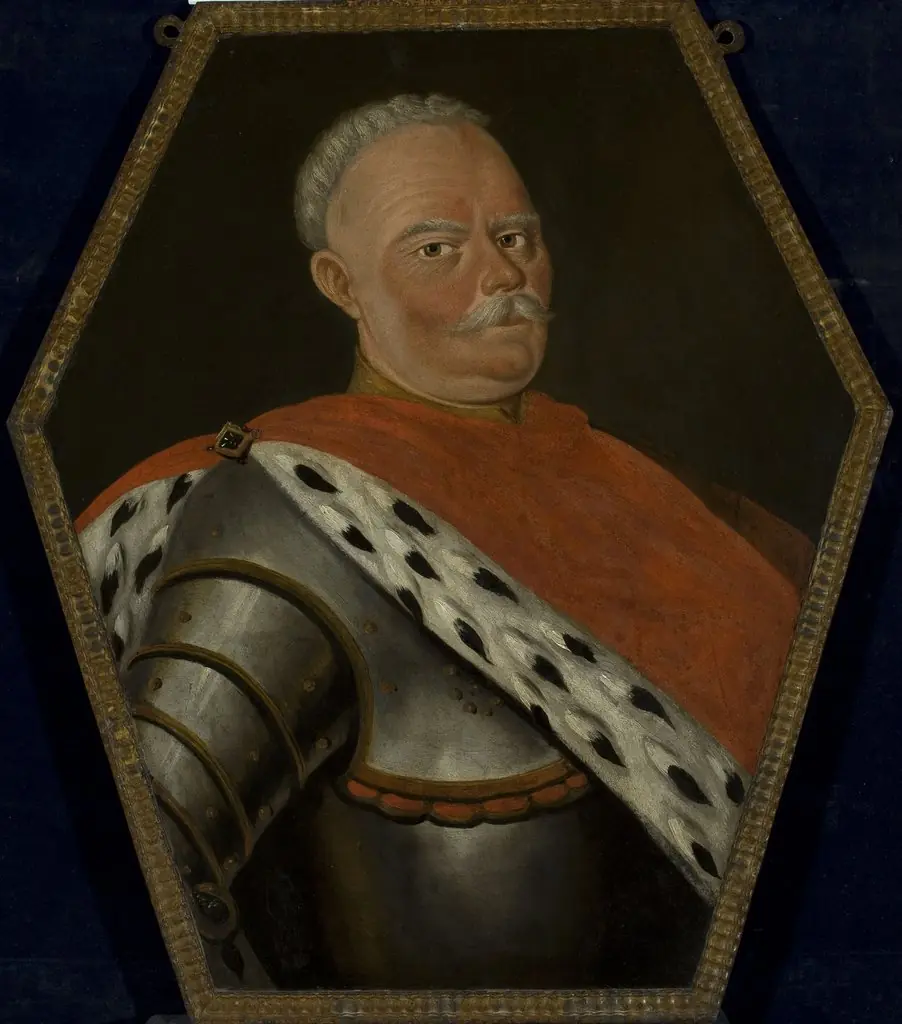 Coffin portrait of Bogusław Unrug (1661–1725), starosta of Gniezno
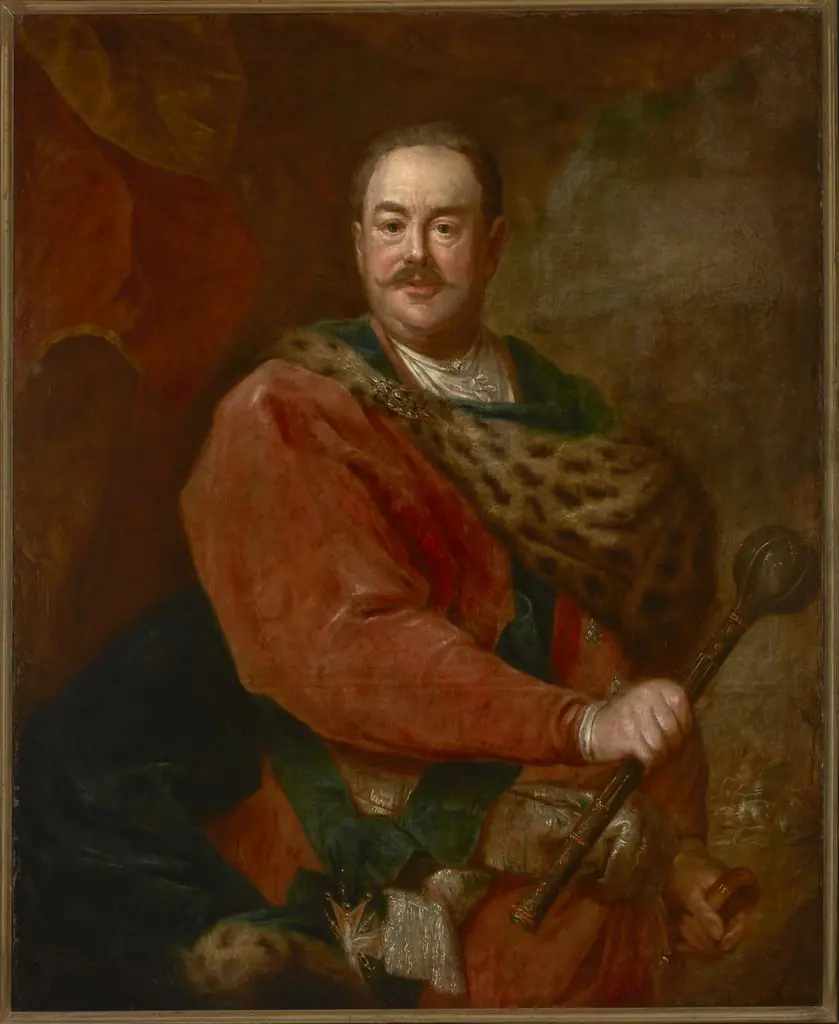 Portrait of Jan Klemens Branicki (1689–1771), Grand Hetman of the Crown
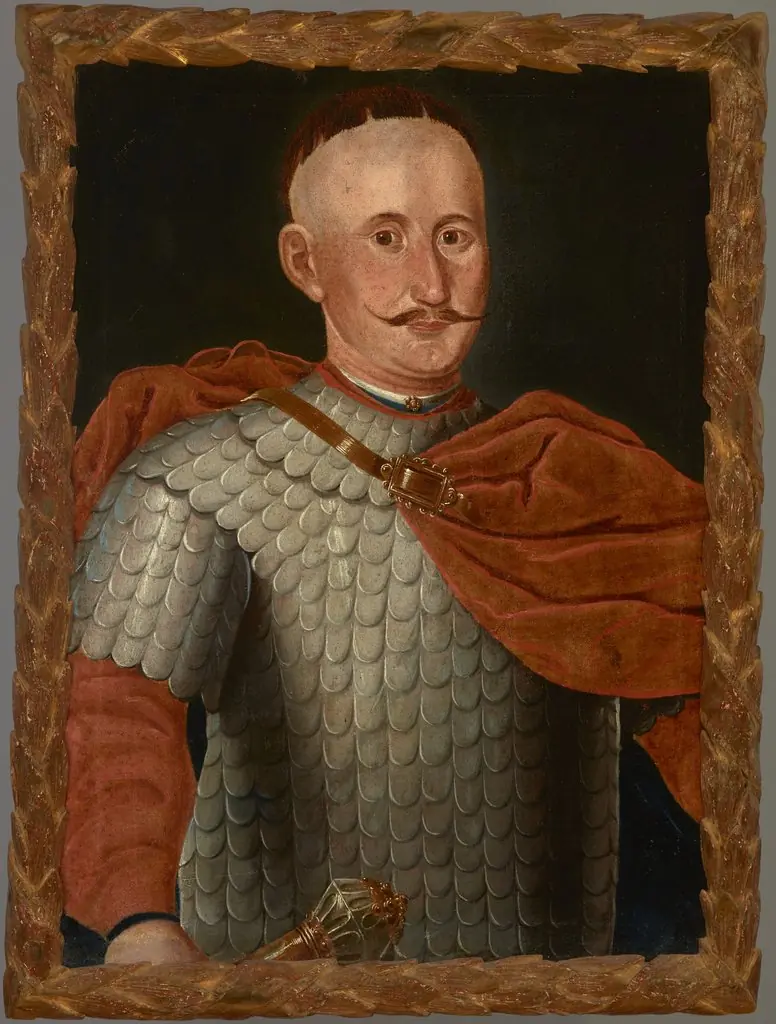 Portrait of Mikołaj Wybranowski
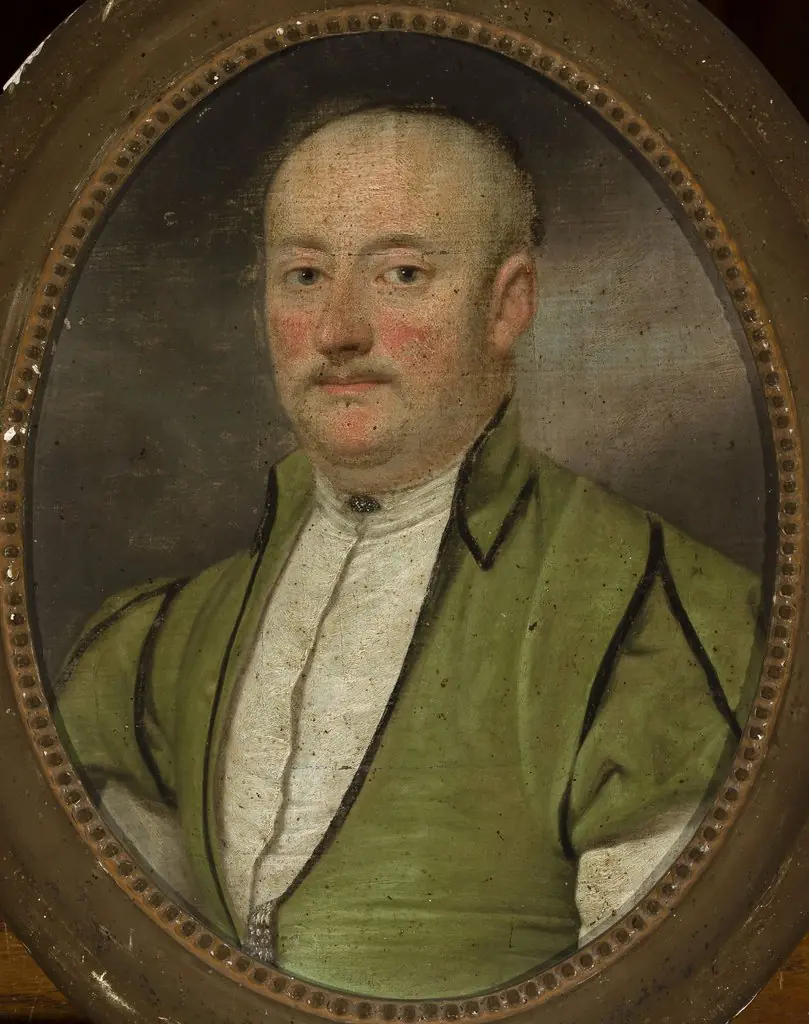 Portrait of Karol Węgliński
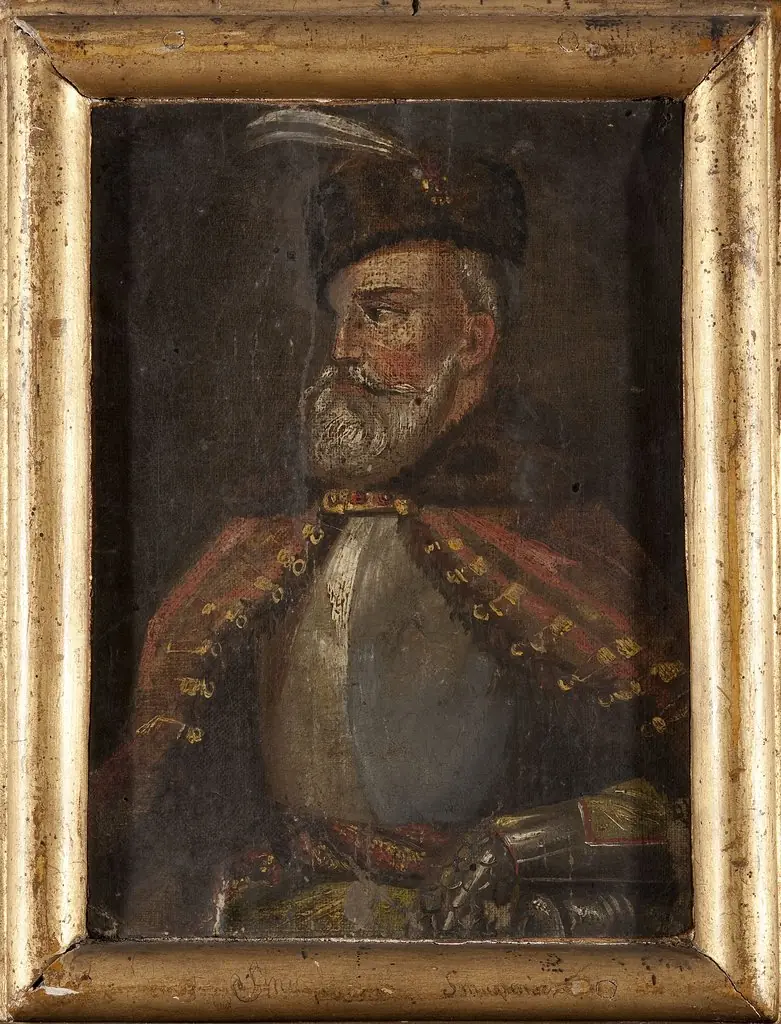 Portrait of Stefan Czarniecki (1599–1665)
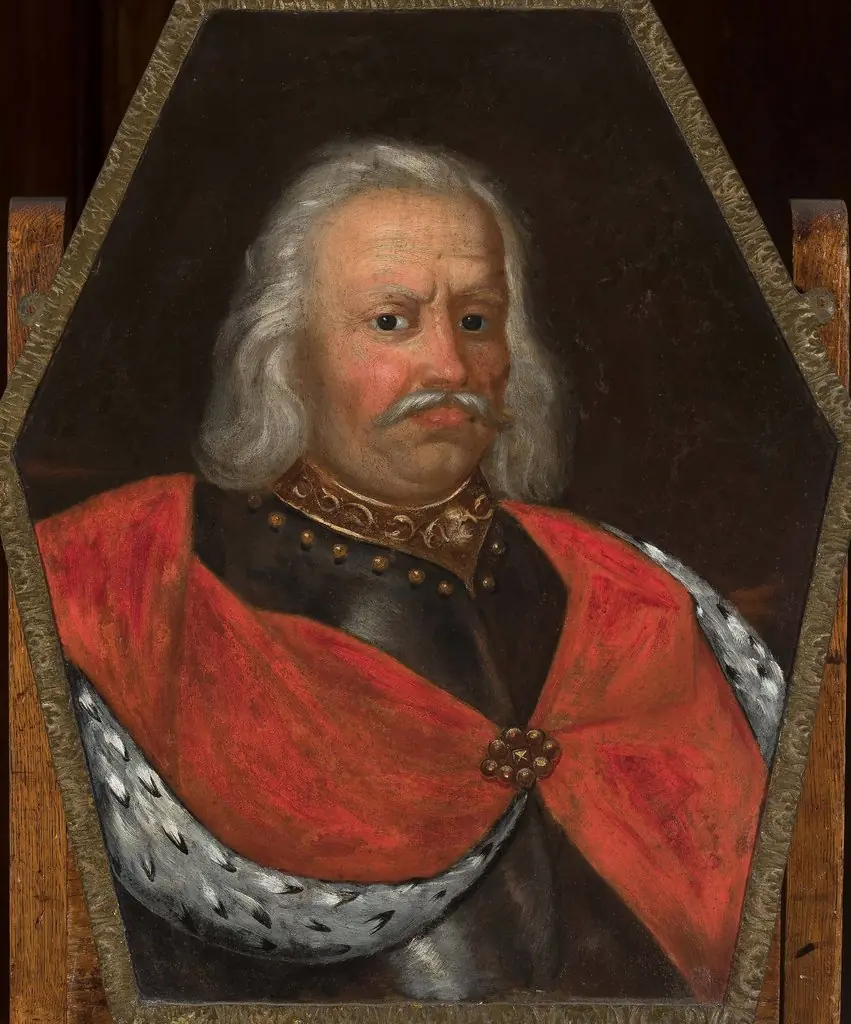 Coffin portrait of Krzysztof Unrug (1633–1689), starosta of Gniezno
 Portrait of Stanisław Mateusz Rzewuski, Crown Hetman (1662-1728)