Artwork
Venus mit Ceres und Bacchus
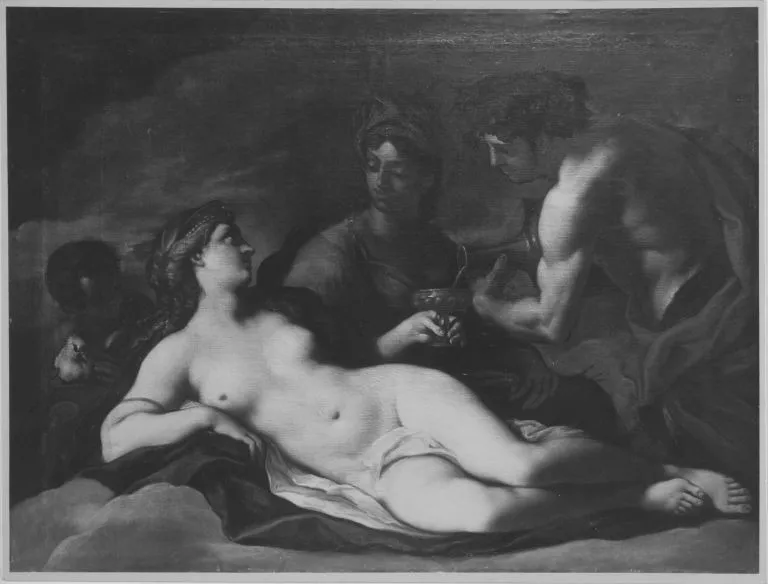
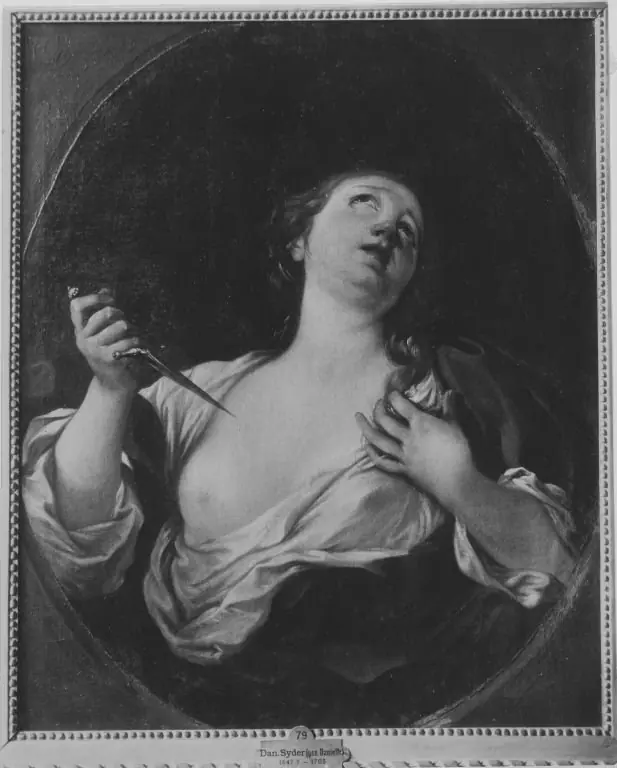
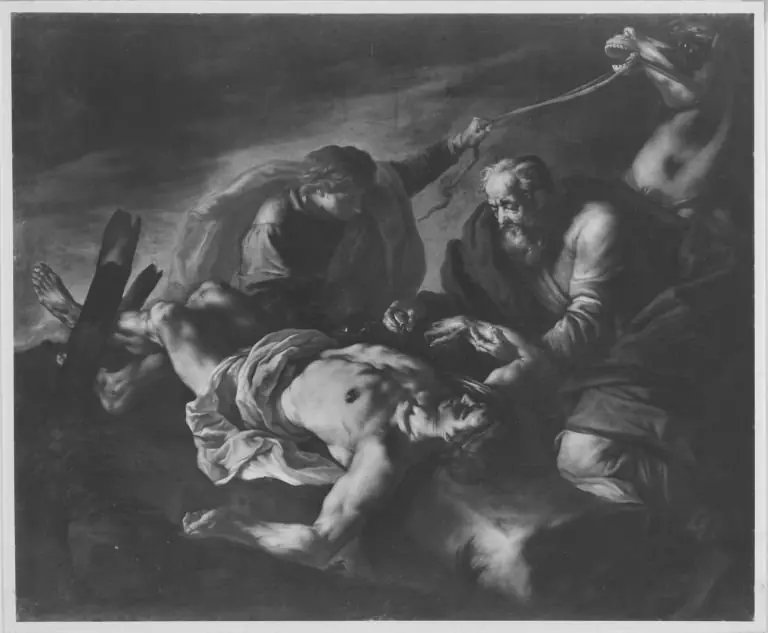
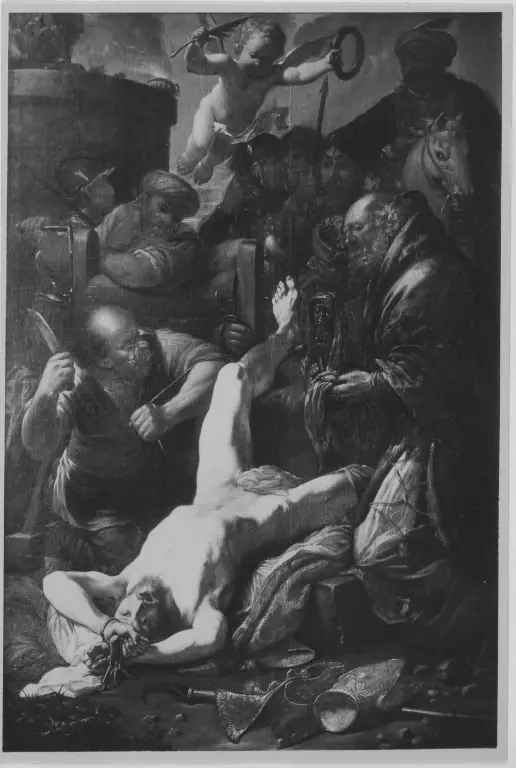
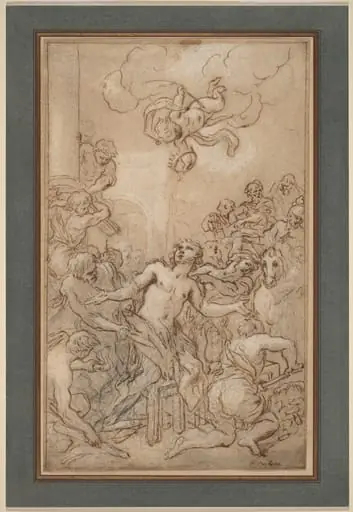
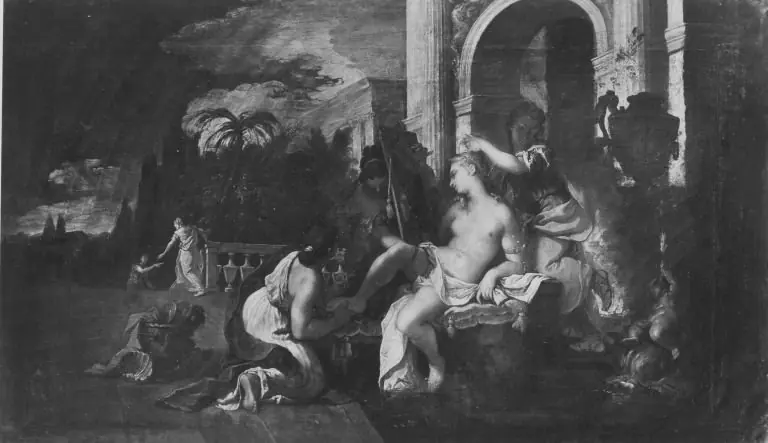
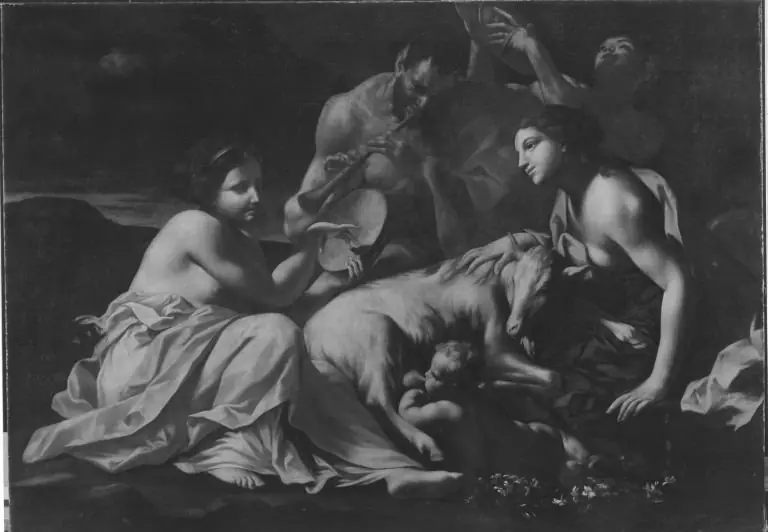
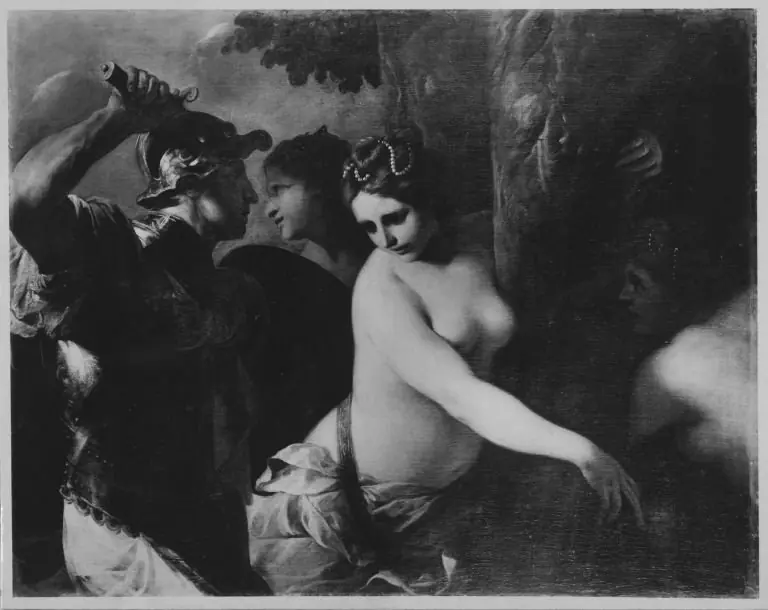
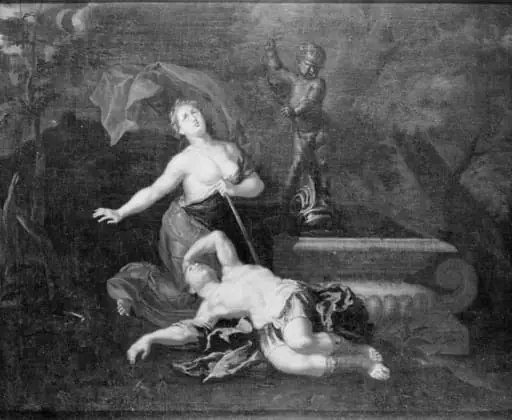
Venus mit Ceres und Bacchus is an unspecified painting by the Flemish Baroque painting artist Daniel Seiter. It dates from 1688 and is held in the collection of the Alte Pinakothek.
About this work
Overview
Created in 1688 by Daniel Seiter, a Vienna‑born painter who received his artistic formation in Italy, this oil work belongs to the Flemish Baroque tradition. It presents a mythological grouping of the goddess Venus together with Ceres and Bacchus, and is currently housed in Munich’s Alte Pinakothek.
Subject & Meaning
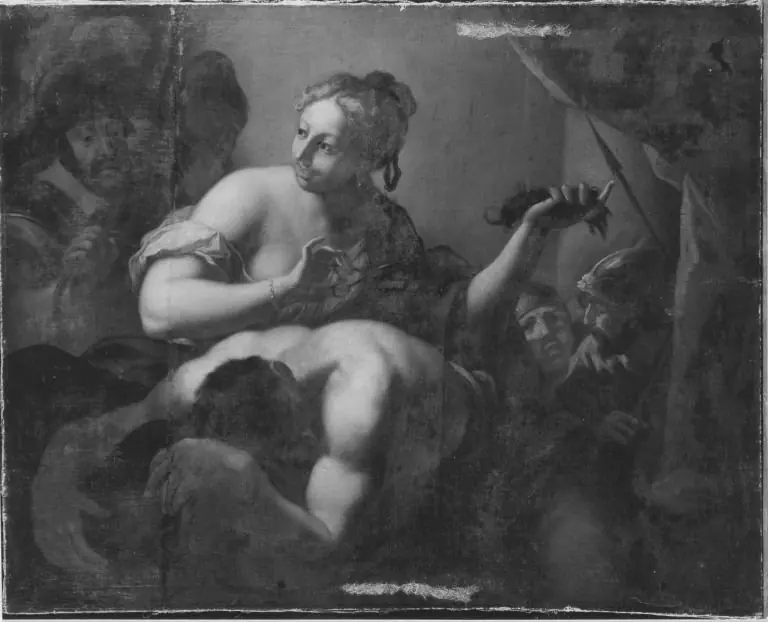
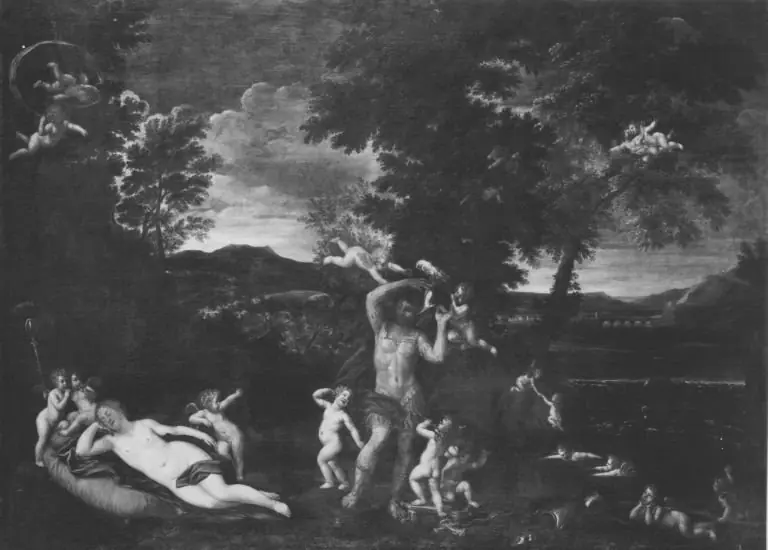
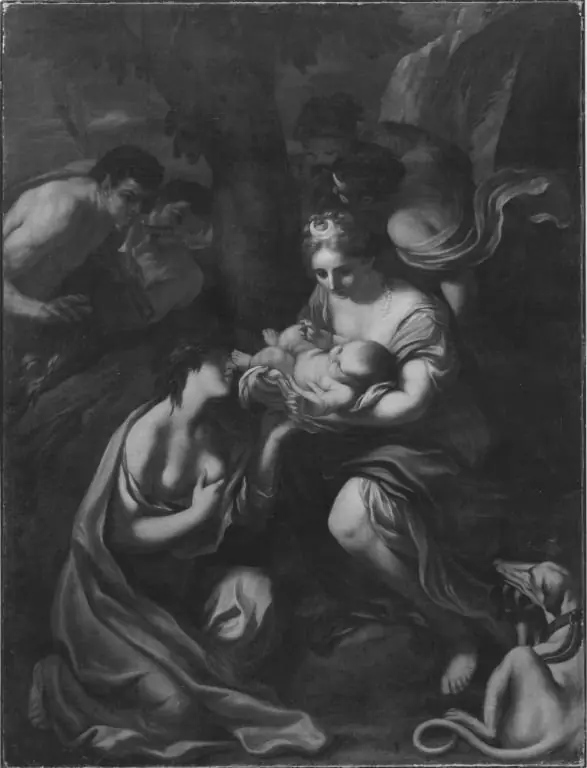
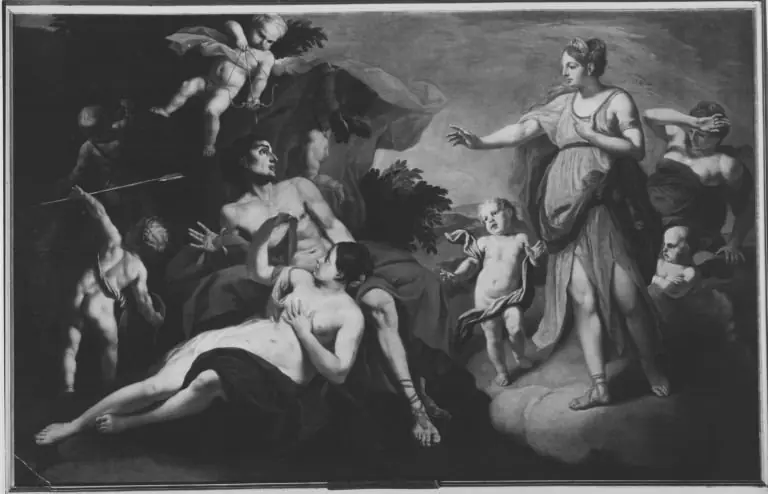
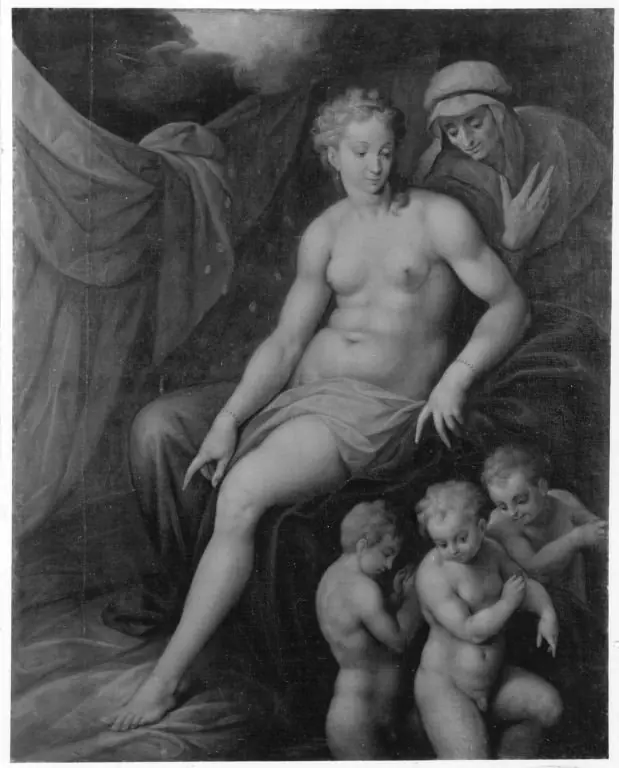
The central figure is a reclining Venus, nude except for a modest drape covering her hips, her head turned toward the left and crowned with a simple headband.
The central figure is a reclining Venus, nude except for a modest drape covering her hips, her head turned toward the left and crowned with a simple headband. Flanking her, a fully nude male figure—identified as Bacchus—stands behind, while a clothed female figure, representing Ceres, occupies the left side. The composition suggests an intimate dialogue among the deities, emphasizing themes of love, fertility, and revelry.
Technique & Style
Seiter employs the dramatic chiaroscuro typical of Baroque painting: a dark, indeterminate background is pierced by a focused light that models the bodies and highlights the textures of flesh and fabric. The soft modeling of Venus’s skin, the fluid drapery, and the dynamic arrangement of the three figures convey a sensual yet controlled visual rhythm.
History & Provenance
After its completion, the canvas entered the collection of the Bavarian State, eventually becoming part of the Alte Pinakothek’s holdings, where it remains on public display. The museum’s acquisition reflects the 19th‑century interest in Baroque works from the Southern Netherlands and the broader Habsburg artistic sphere.
Context
Seiter’s career unfolded at the crossroads of Central European and Italian artistic currents. Though Austrian by birth, his Italian training aligned him with the Flemish Baroque aesthetic that dominated courtly patronage in the late 17th century. The painting’s mythological subject matter mirrors contemporary tastes for allegorical representations that combined classical learning with sensual visual appeal.
Artist & collection
Artist
Daniel Seiter, Saiter, or Seyter (c. 1642/1647–1705) was a Viennese-born painter of the Baroque, who trained and worked in Italy.