Artwork
Winter Landscape
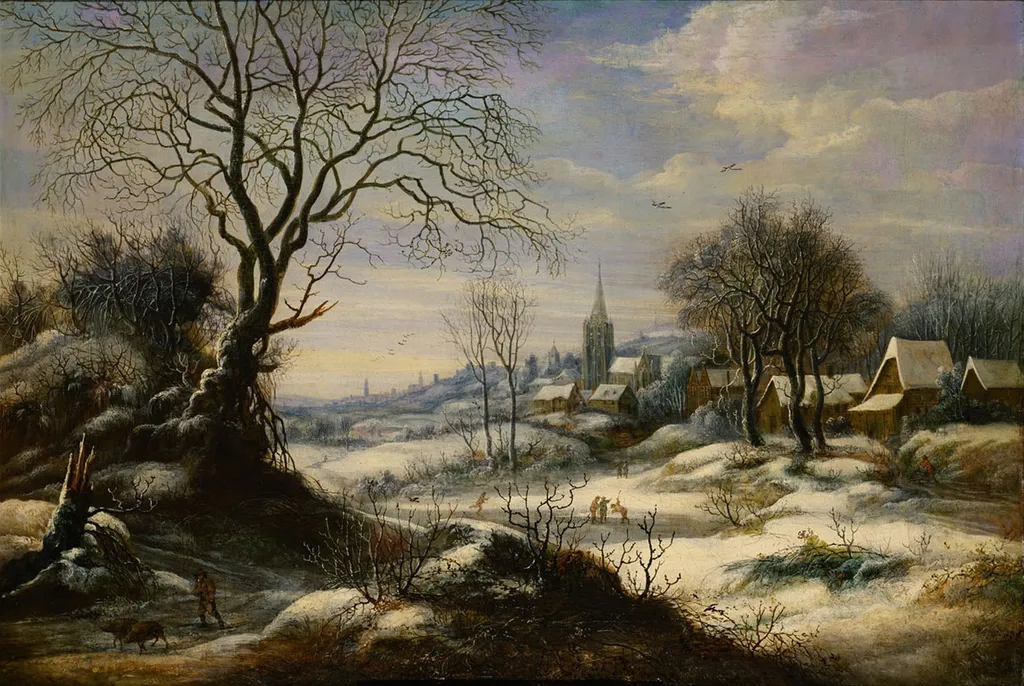
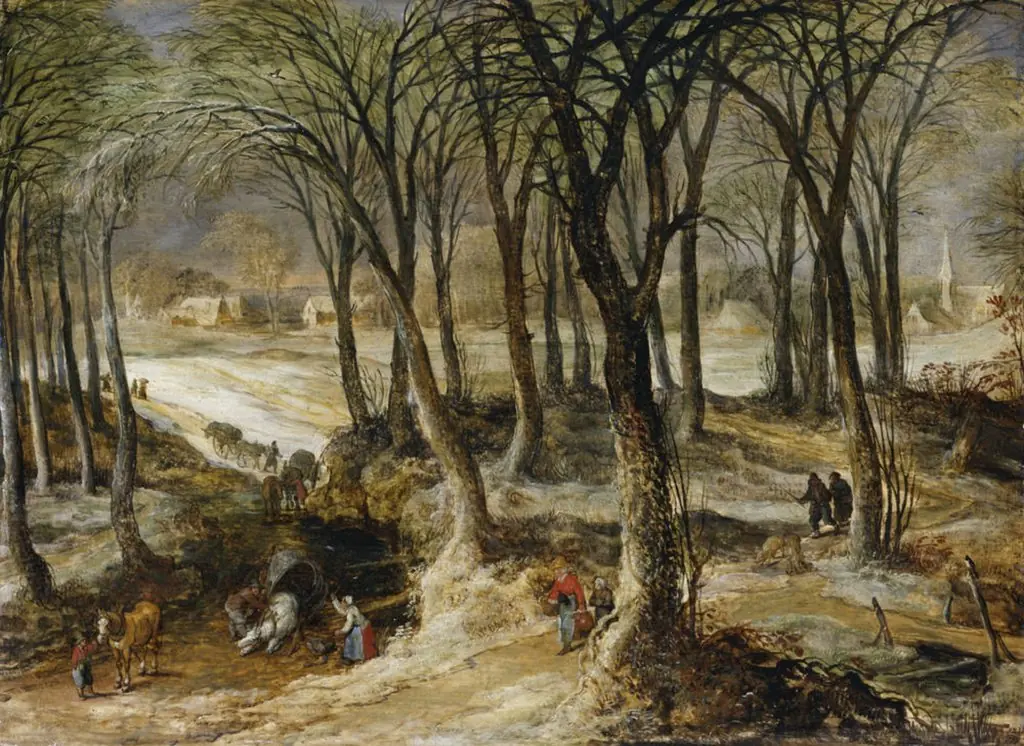
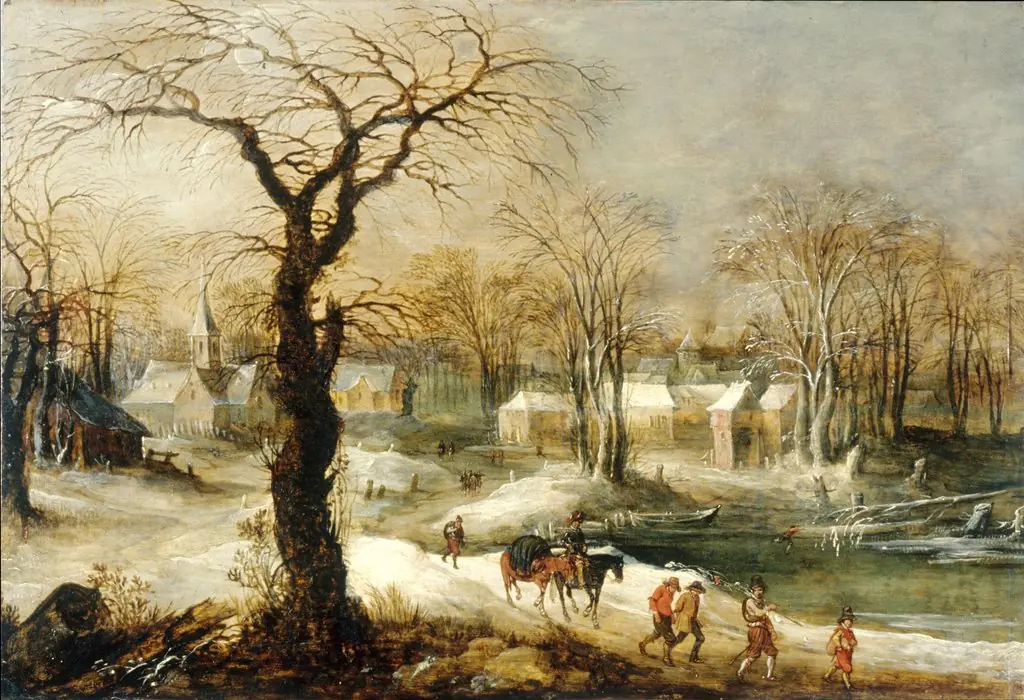
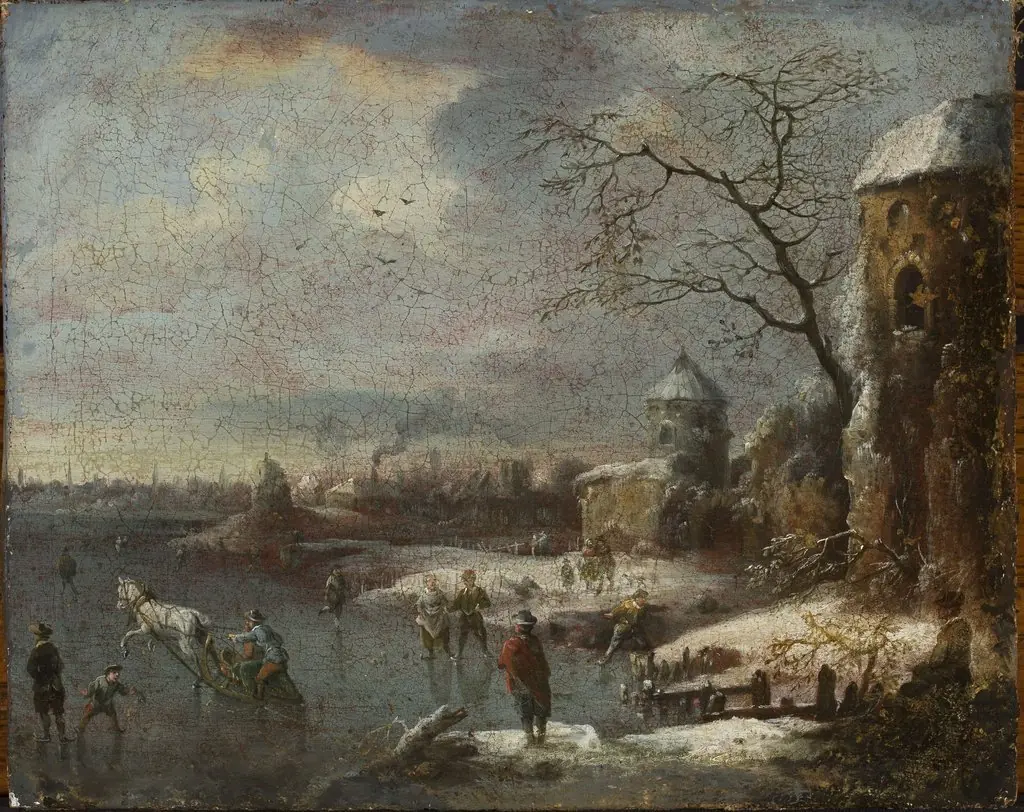
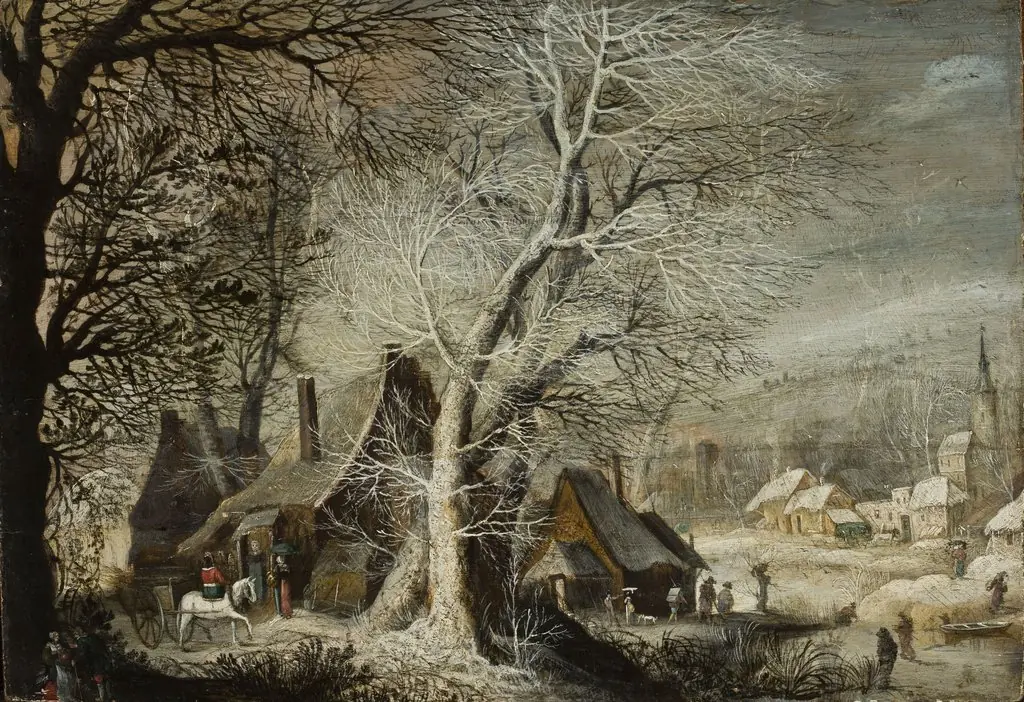
Winter Landscape is an oil painting by the Dutch Golden Age artist Daniel van Heil. It dates from 1659 and is held in the collection of the Kunsthistorisches Museum.
About this work
Overview
Van Heil, a Flemish artist active during the mid-17th century, focused on seasonal environments with careful attention to atmospheric conditions.
Painted in 1659 by Daniel van Heil, *Winter Landscape* is an oil-on-panel work that captures a quiet rural scene in the depths of winter. Van Heil, a Flemish artist active during the mid-17th century, focused on seasonal environments with careful attention to atmospheric conditions. The painting resides in the Kunsthistorisches Museum in Vienna, where it represents a regional branch of Northern European landscape traditions that flourished alongside the Dutch Golden Age.
Subject & Meaning
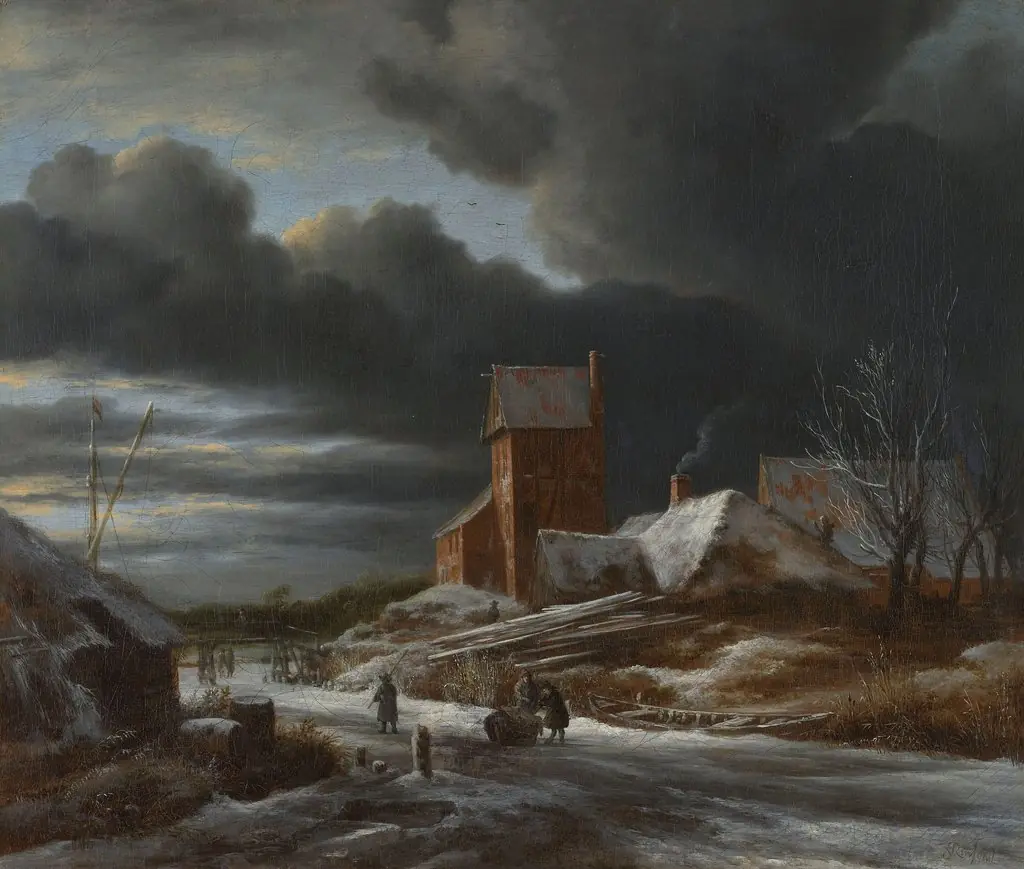
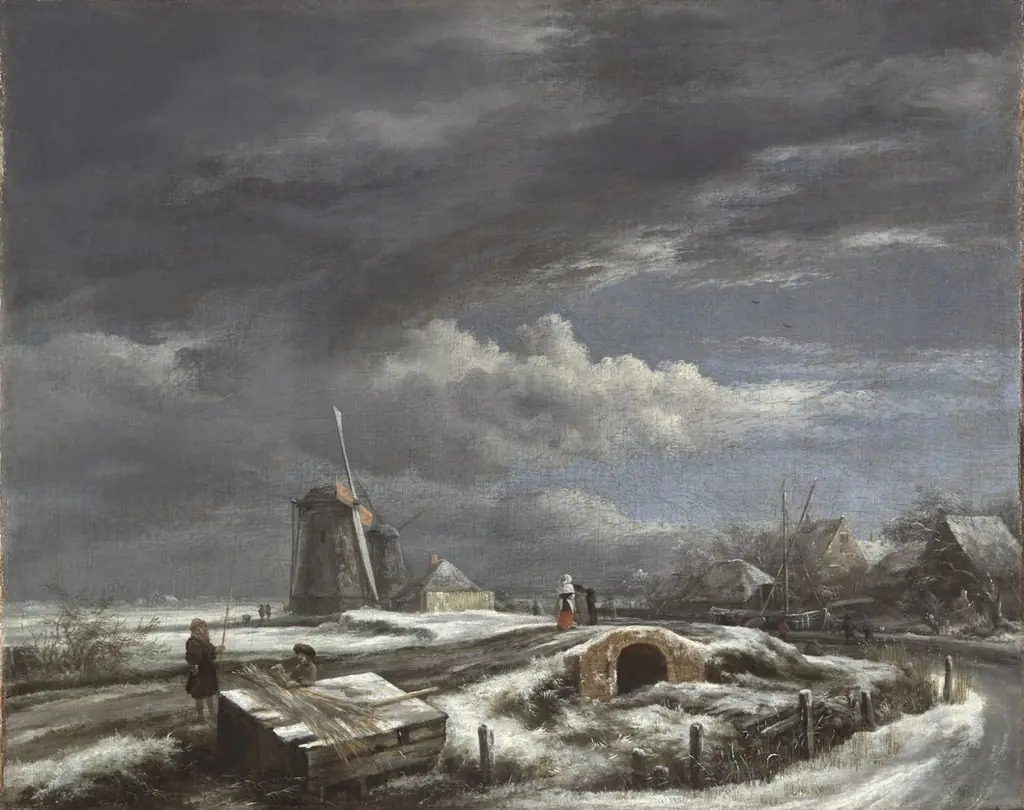
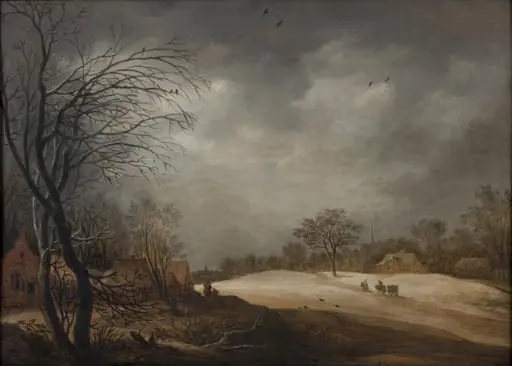
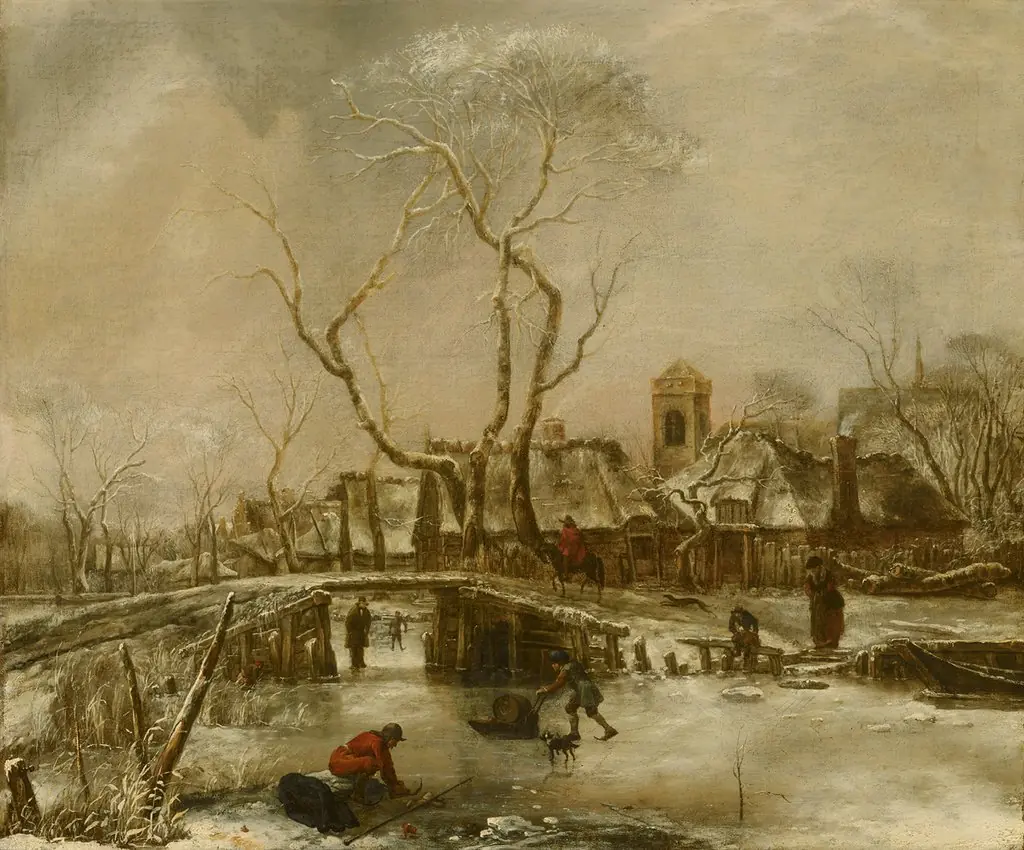
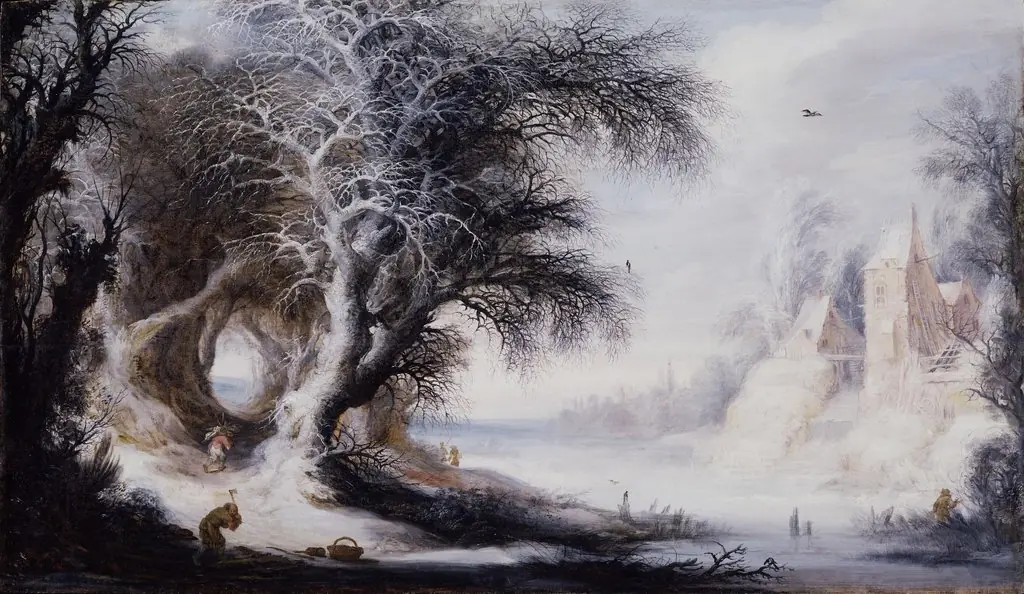
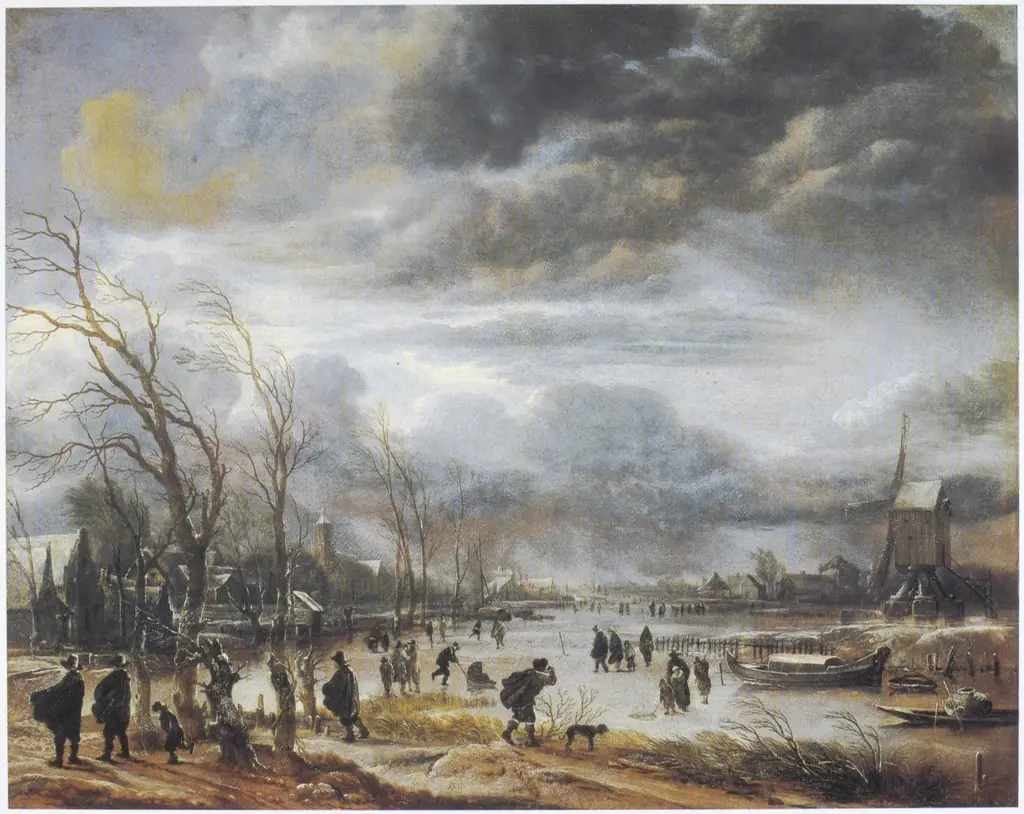
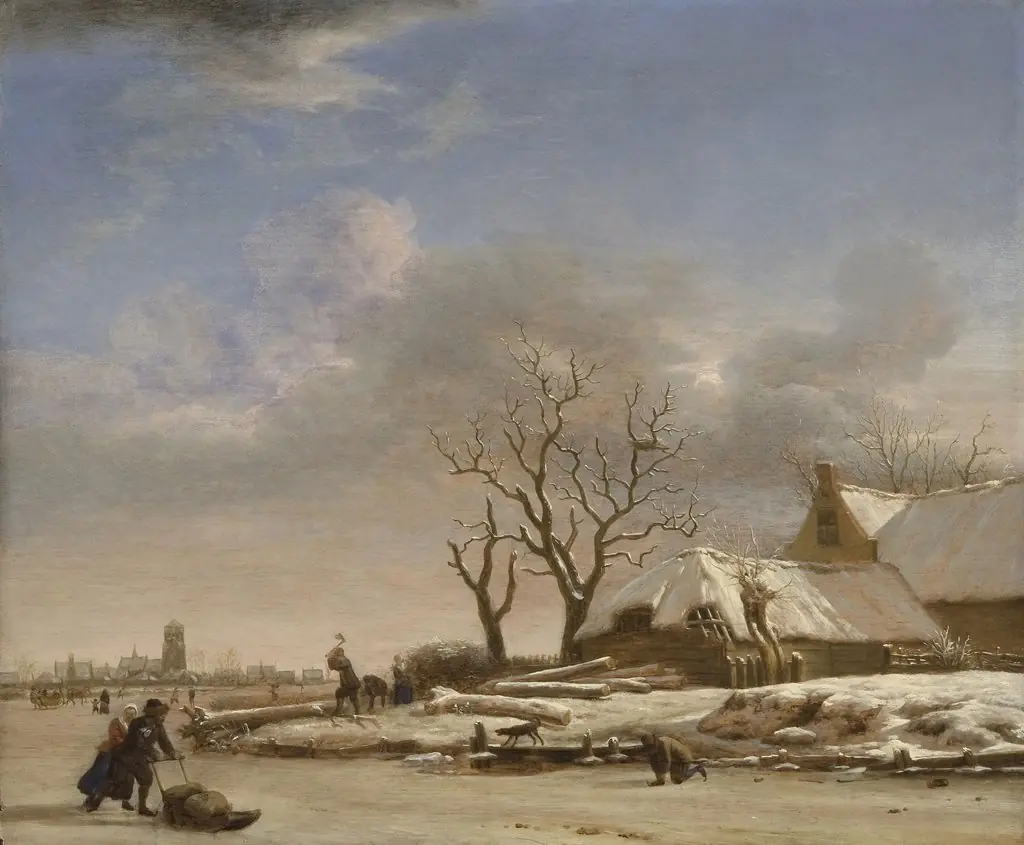
The scene depicts a snow-laden countryside with a distant village, bare trees, and rolling hills under a leaden sky. A handful of figures—some accompanied by dogs—move slowly across the foreground, their presence emphasizing solitude rather than activity. The stillness of the composition suggests contemplation of nature’s quiet rhythms, reflecting a cultural appreciation for winter not as harsh, but as serene and introspective.
Technique & Style
Van Heil employed a restrained palette of grays, browns, and whites to convey the muted tones of winter. Brushwork is precise yet unobtrusive, with subtle gradations in the sky and snow to suggest depth and light diffusion. The composition balances foreground detail with distant recession, using atmospheric perspective to enhance the sense of cold stillness. No dramatic chiaroscuro is present; instead, even, diffused light reinforces the season’s quiet character.
History & Provenance
Created in 1659, the painting entered the collection of the Kunsthistorisches Museum in Vienna, likely through Habsburg acquisitions of Northern European art during the 17th or 18th centuries. Van Heil’s works were relatively modest in circulation compared to his Dutch contemporaries, and few signed or dated examples survive. This piece remains one of the clearer attestations of his specialization in winter scenes and his place within Flemish landscape painting.
Context
Though produced in Flanders, *Winter Landscape* aligns with broader Northern European trends of the Dutch Golden Age, where artists increasingly turned to everyday natural environments as subjects. Winter scenes, once rare, became popular for their ability to convey mood and seasonal change. Van Heil’s work reflects this shift, participating in a visual culture that valued observation over idealization, and quietude over grandeur.
Legacy
Van Heil’s *Winter Landscape* contributes to the historical record of how Northern artists rendered seasonal change with emotional restraint. While not widely influential in the immediate sense, his approach informed later regional painters who prioritized atmospheric truth over narrative drama. The painting endures as a quiet example of 17th-century observational practice, valued for its sincerity rather than its novelty.
Artist & collection
Artist
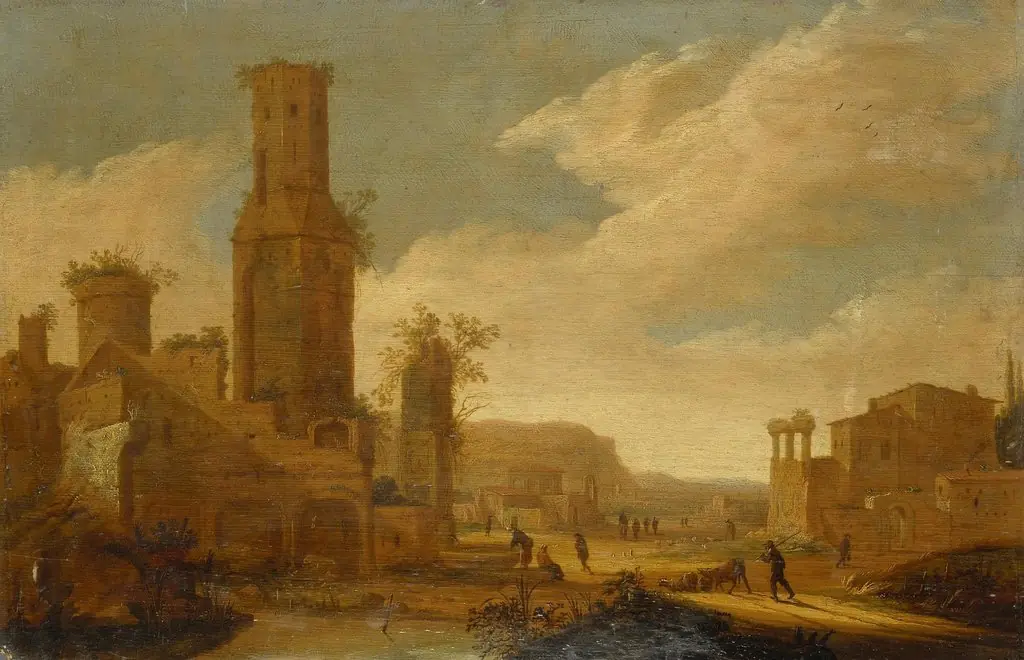
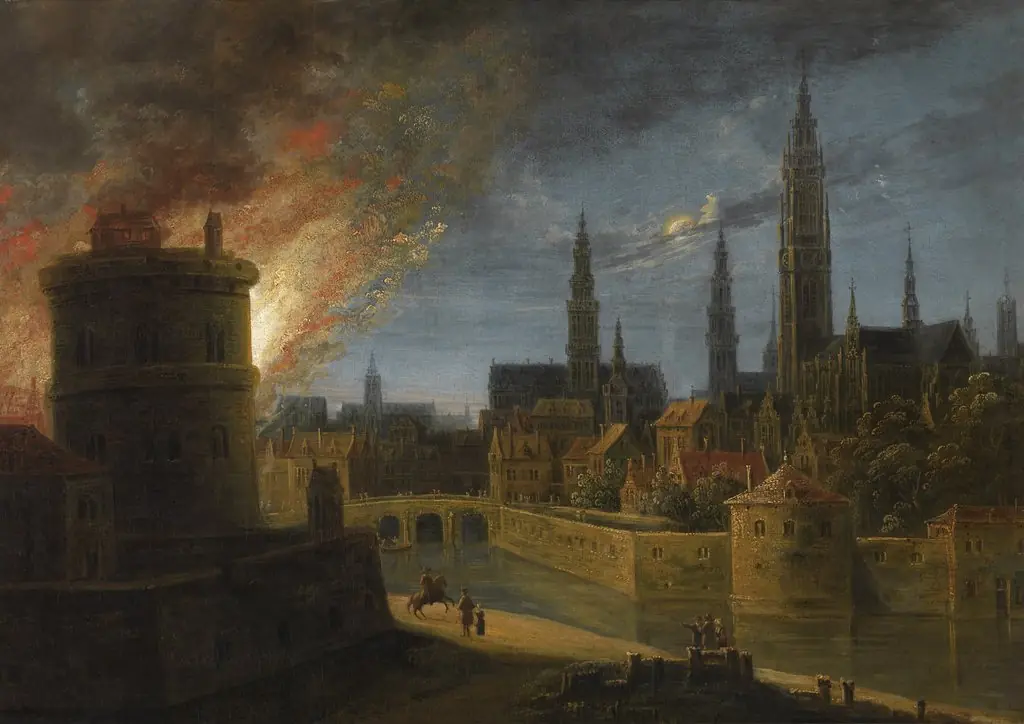
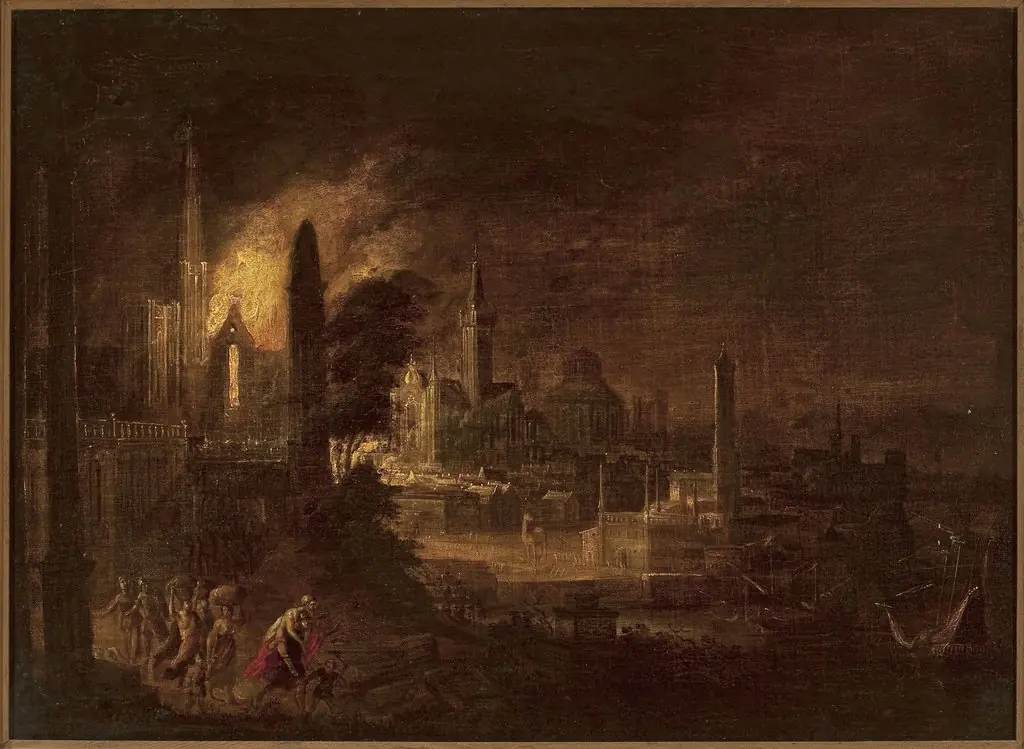
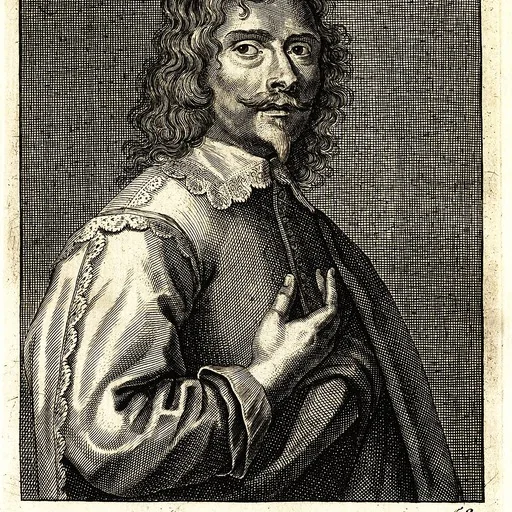
Daniel van Heil or Daniël van Heil (1604 – 1664) was a Flemish Baroque landscape painter. He specialised in three types of landscapes: scenes with fire, landscapes with ruins and winter landscapes.