Artwork
Winter Landscape
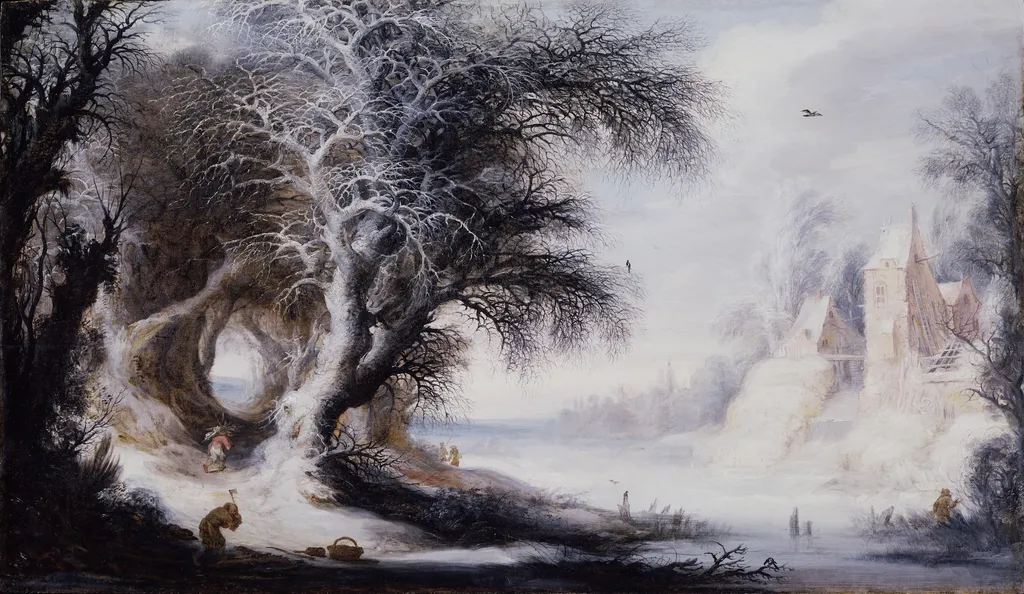
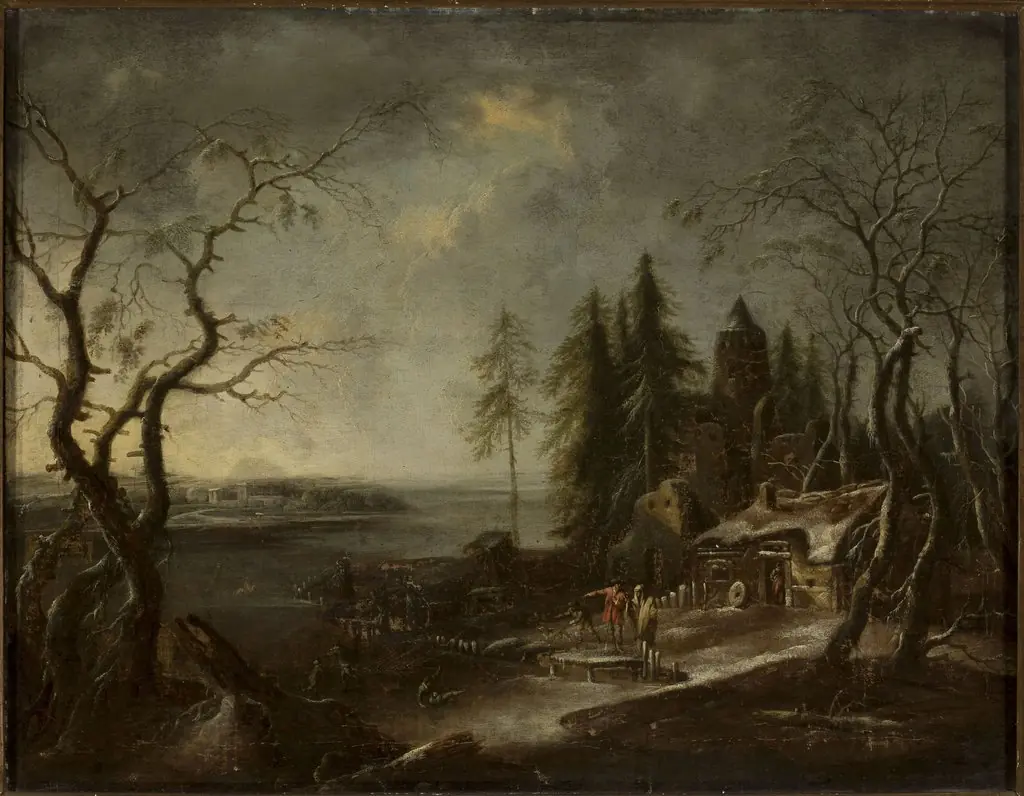
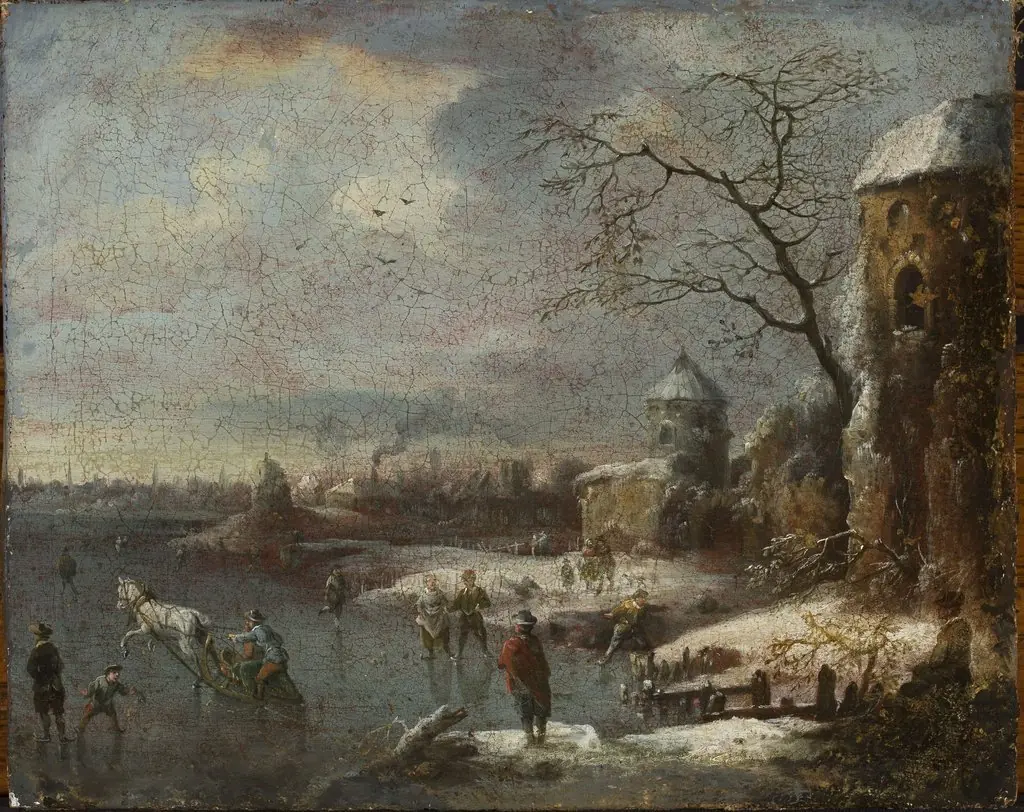
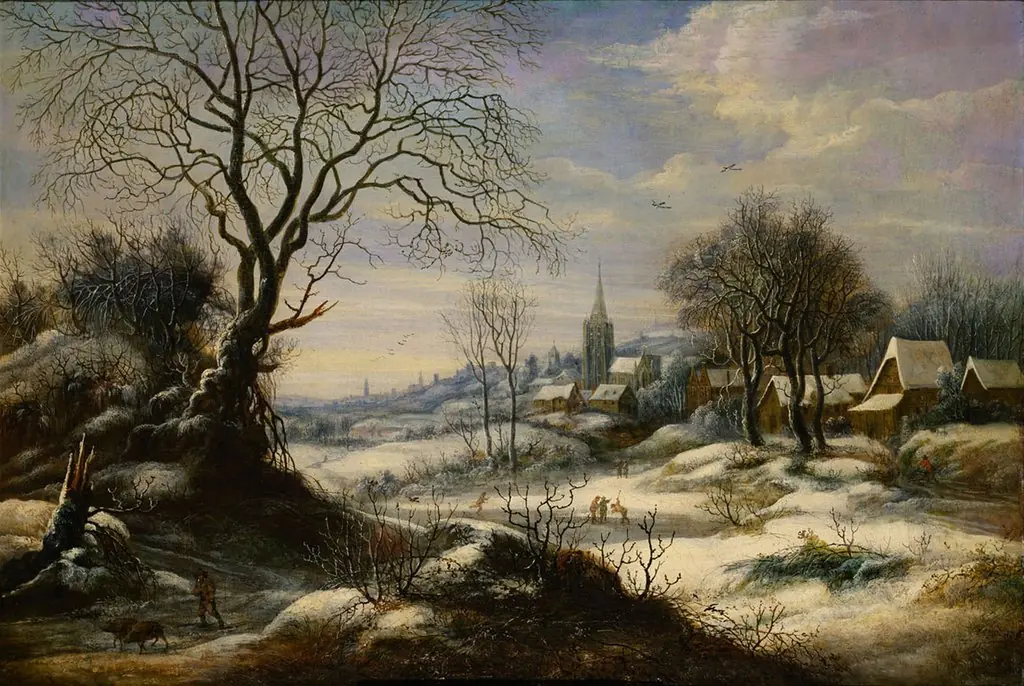
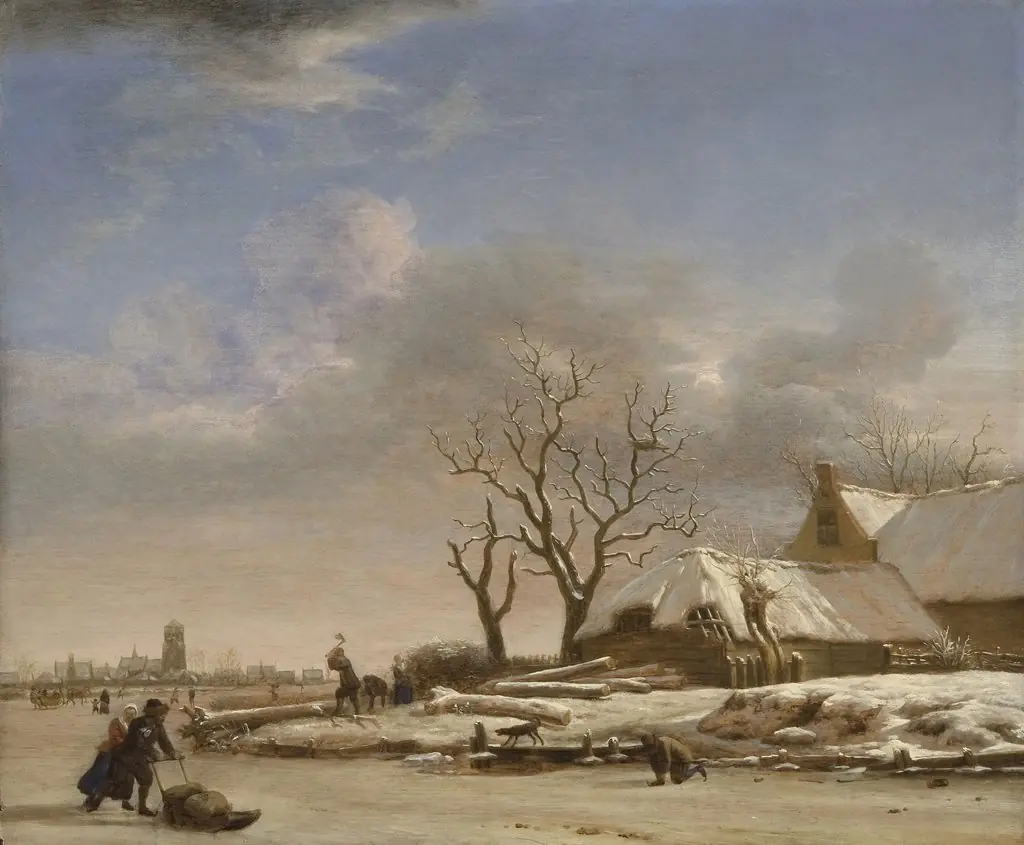
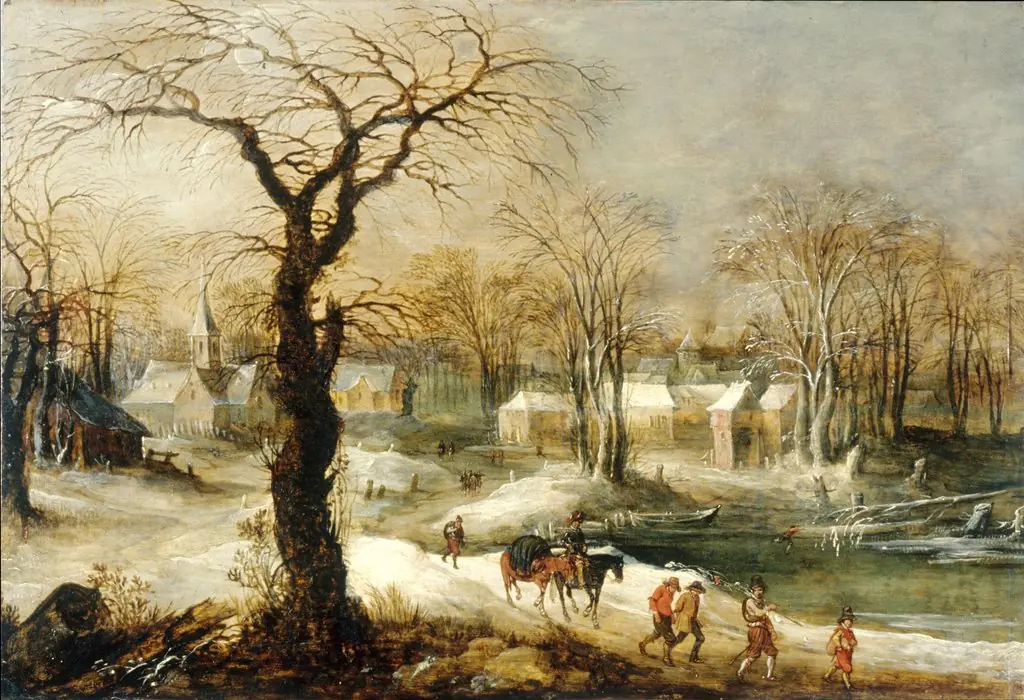
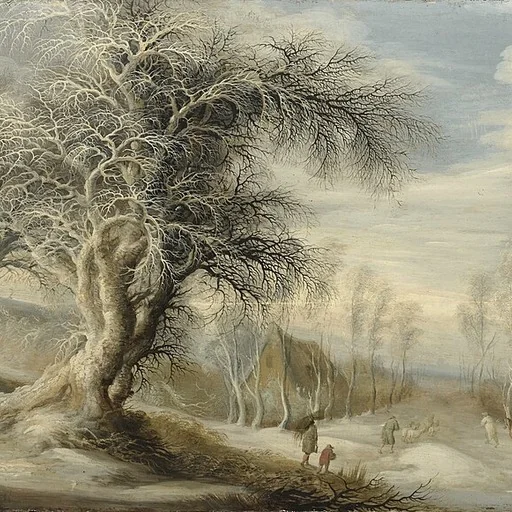
Winter Landscape is an unspecified painting by the Dutch Golden Age artist Gijsbrecht Leytens. It dates from 1600 and is held in the collection of the Detroit Institute of Arts.
About this work
Overview
Winter Landscape, painted circa 1600 by Gijsbrecht Leytens, is a characteristic example of the Flemish painter's specialty in winter scenes during the Dutch Golden Age. Previously misattributed, it is now recognized as part of Leytens' detailed and nuanced oeuvre.
Subject & Meaning
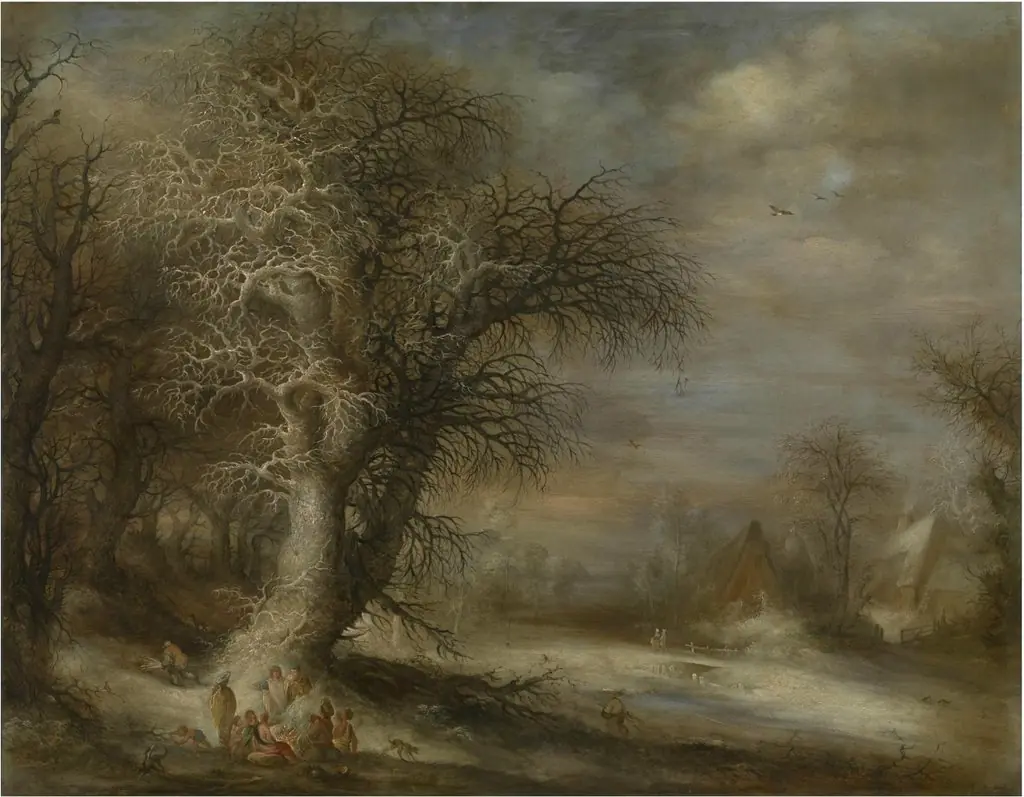
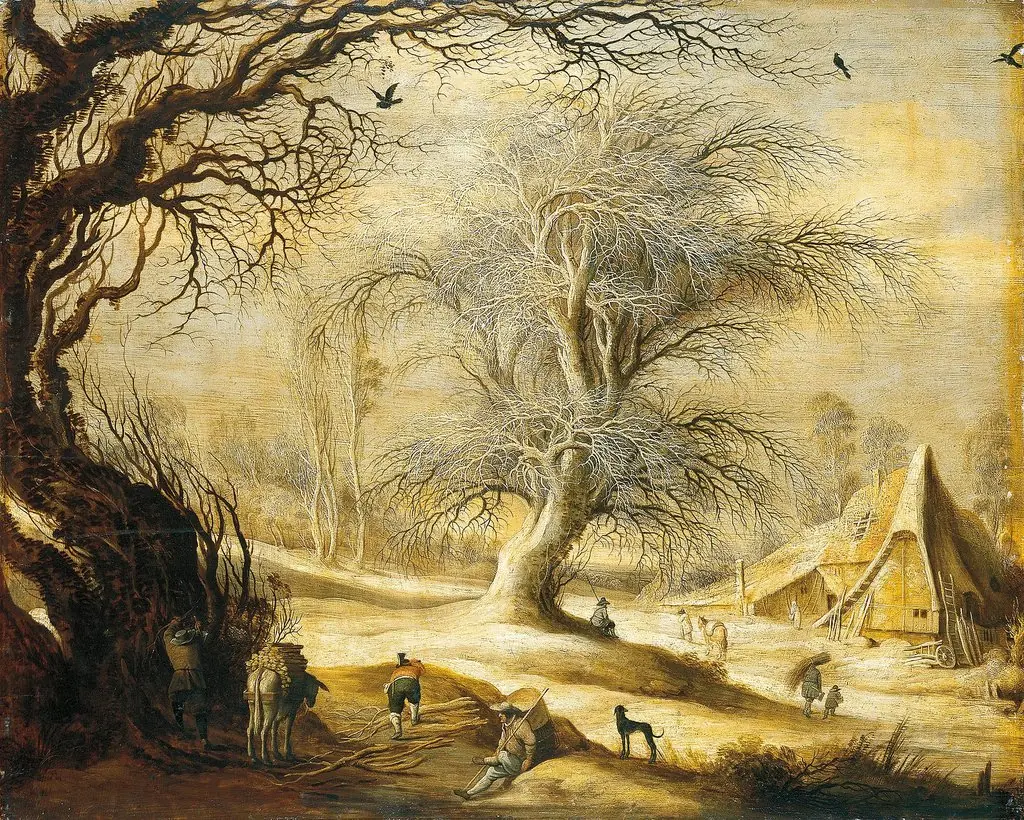
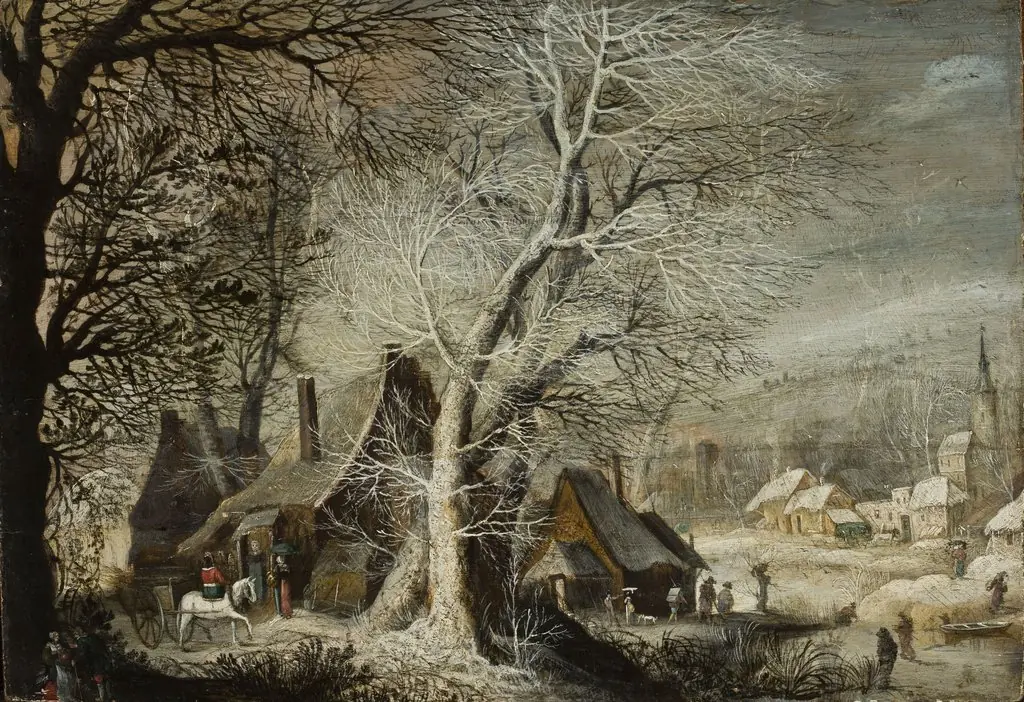
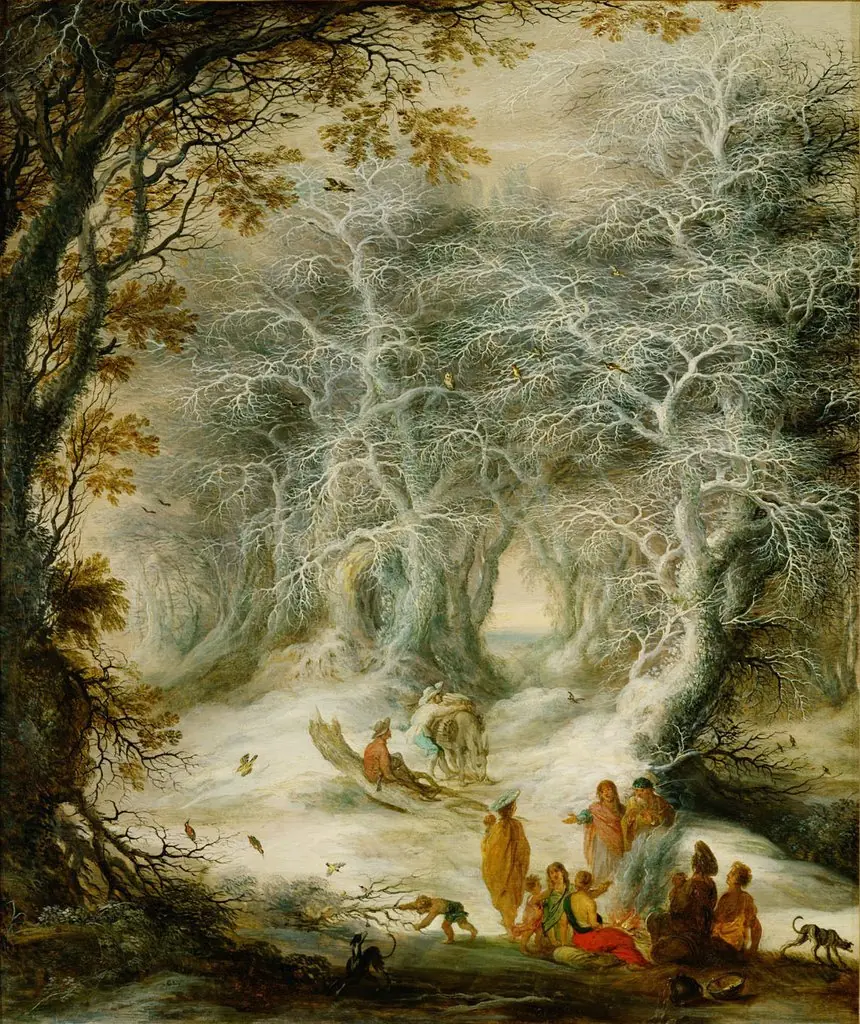
The painting depicts a serene, snow-covered landscape dominated by a prominent, bare tree with a gnarled, hollow trunk. Figures in winter attire and a distant church steeple populate the frozen backdrop, evoking a sense of peaceful winter activity.
Technique & Style
Leytens employed muted coloration and soft brushwork to create an atmosphere of quiet contemplation. The composition also showcases his use of chiaroscuro, leveraging contrasts between light and dark to enhance depth and volume, particularly evident in the tree's intricate structure and the landscape's layering.
History & Provenance
Originally attributed to the 'Master of the Winter Landscapes,' the work was later correctly identified as Leytens'. It is currently part of the Detroit Institute of Arts collection.
Context
Created during the Dutch Golden Age, this piece reflects the period's emphasis on detailed, realistic depictions of everyday life and landscapes. Leytens' focus on winter scenes contributed to the broader artistic exploration of seasonal themes.
Legacy
While specific lasting influences of *Winter Landscape* are not broadly documented, it remains a notable example of Leytens' contribution to Flemish winter landscape painting, a genre that enjoyed popularity during the 17th century.
Artist & collection
Artist
Gijsbrecht Leytens, formerly known as Meester van de Winterlandschappen or Master of the Winter Landscapes, (1586– after 1643 and before 1656) was a Flemish painter who specialized in landscapes and in particular winter landscapes.