Artwork
A Beach with Dunes. The West Coast of Jutland
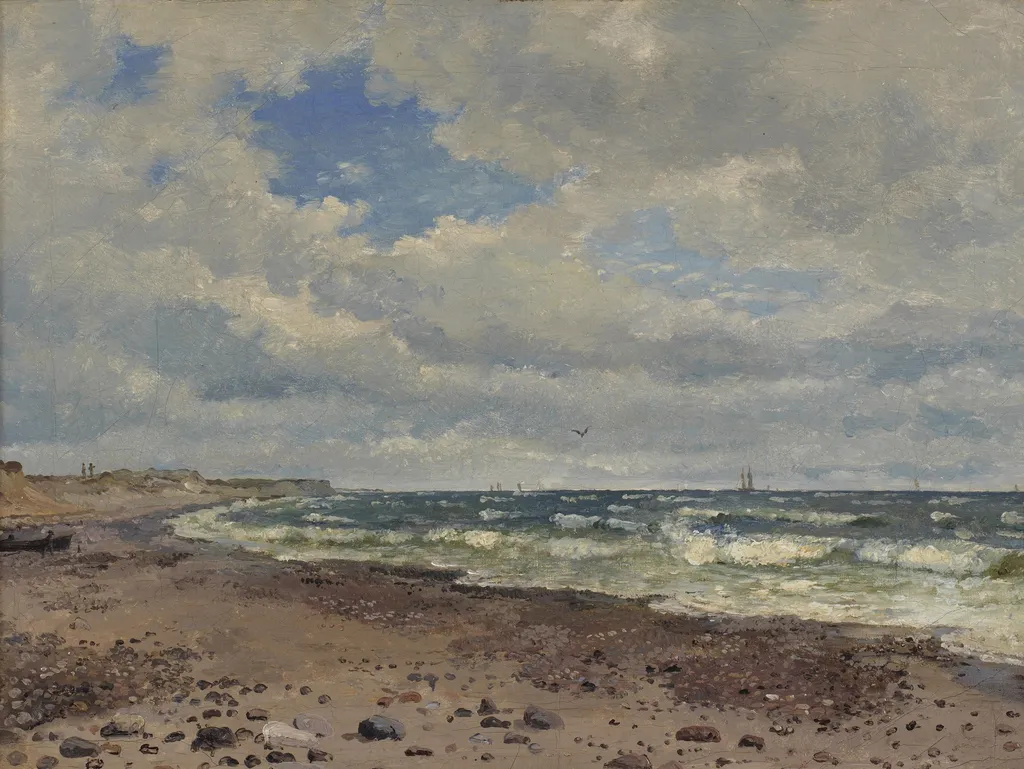
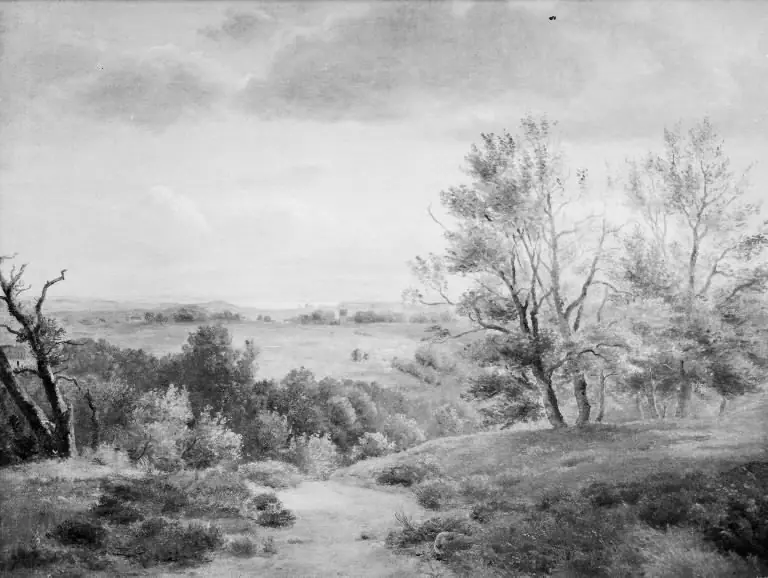
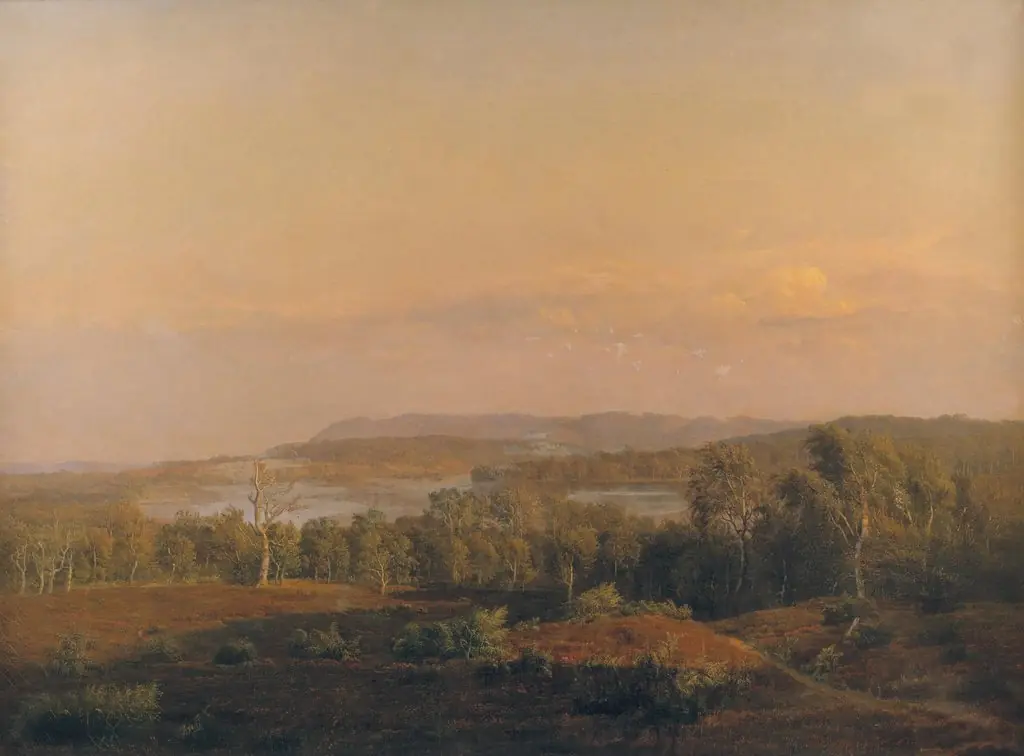
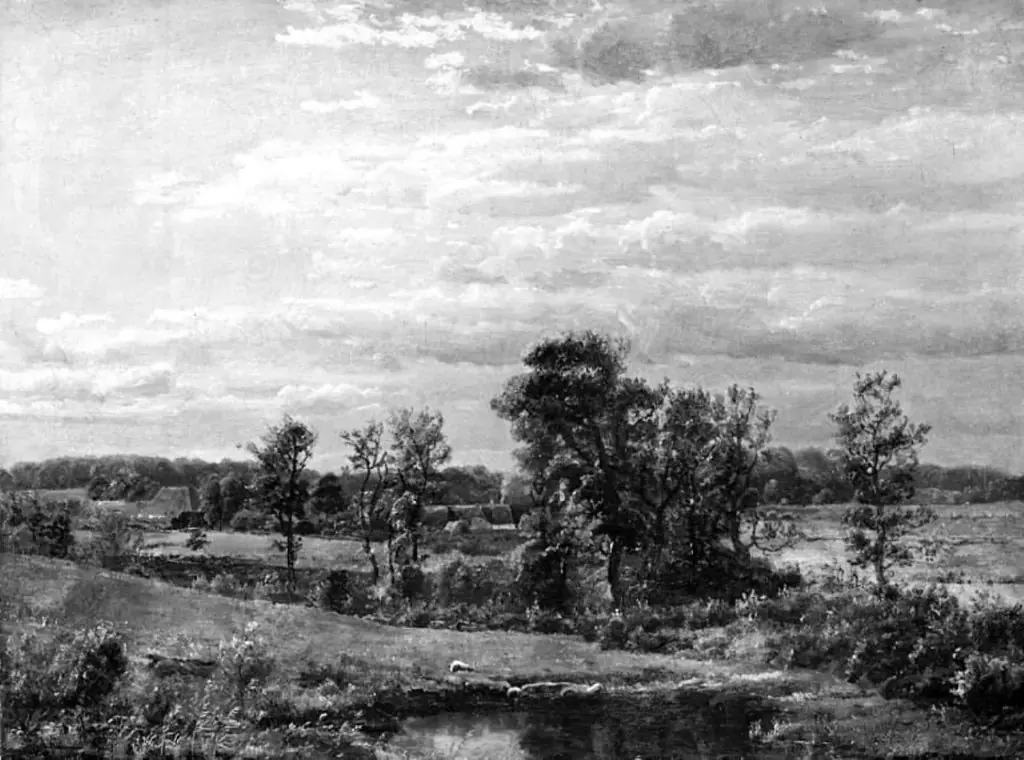
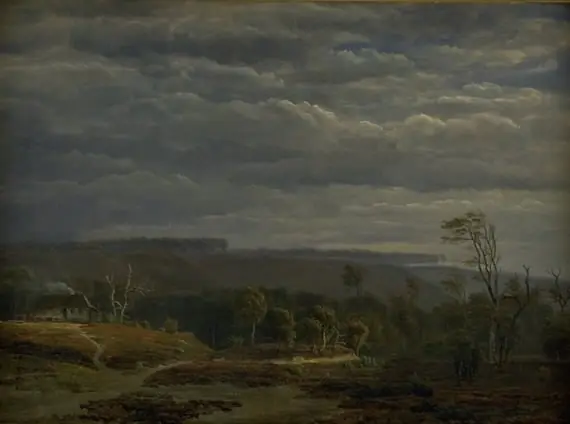
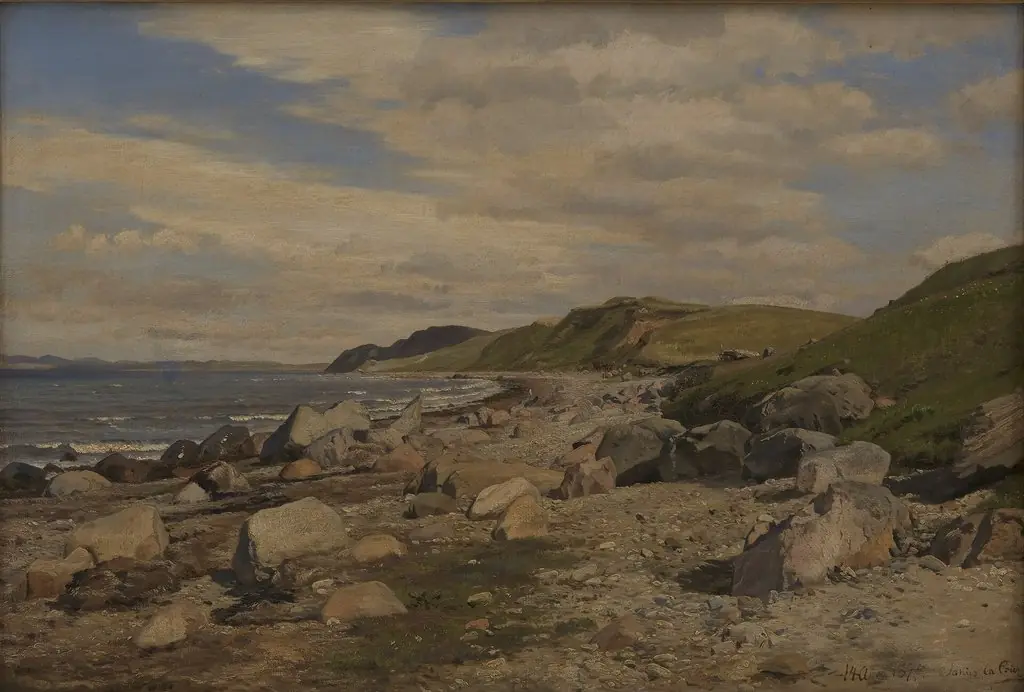
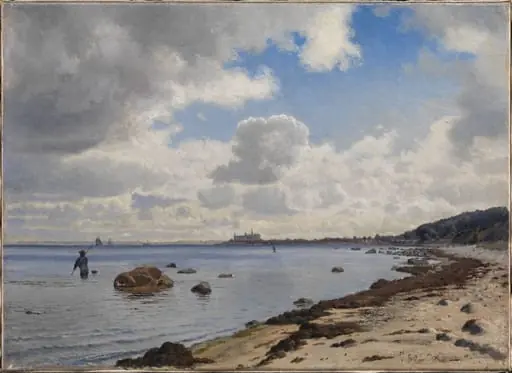
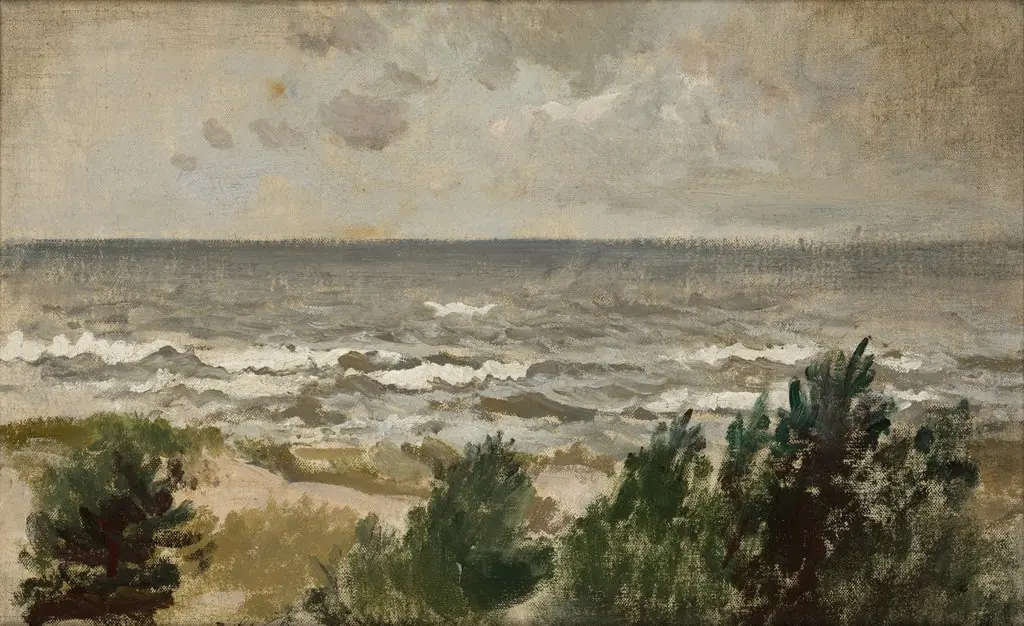
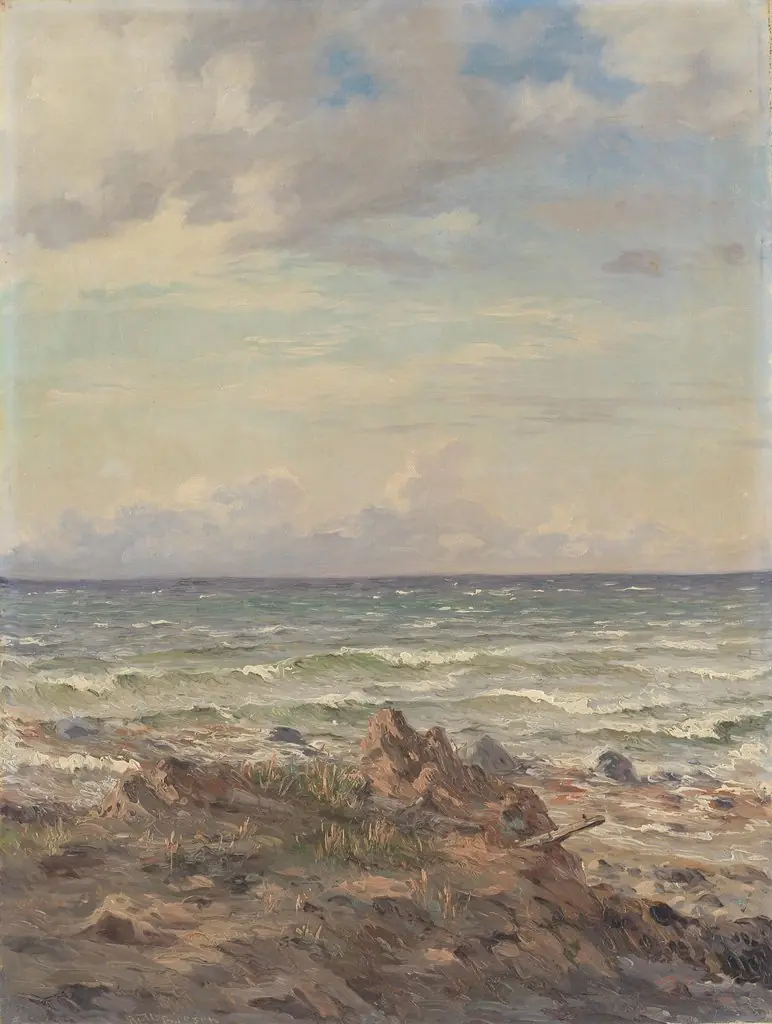
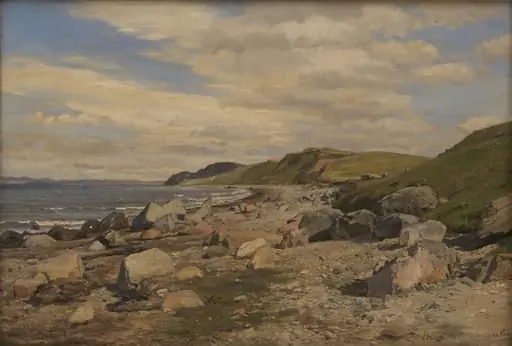
A Beach with Dunes. The West Coast of Jutland is an oil painting by the German Romanticist artist Dankvart Dreyer. It dates from 1843 and is held in the collection of the Statens Museum for Kunst.
About this work
Overview
The work reflects the broader National Romantic interest in Denmark’s unspoiled landscapes, emphasizing raw terrain over idealized beauty.
Painted in 1843 by Danish artist Dankvart Dreyer, this oil on canvas captures the wild, windswept coastline of western Jutland. Trained under Christoffer Wilhelm Eckersberg, Dreyer pursued a naturalistic approach that diverged from academic norms. The work reflects the broader National Romantic interest in Denmark’s unspoiled landscapes, emphasizing raw terrain over idealized beauty. Its scale and mood convey a quiet reverence for nature’s untamed character.
Subject & Meaning
The painting presents a solitary stretch of shore defined by rolling dunes, a narrow band of sea, and a vast, overcast sky. There are no human figures or signs of habitation, focusing attention on the elemental forces of wind, water, and earth. This absence suggests a contemplative solitude, aligning with Romantic ideals that saw nature as a realm of spiritual resonance rather than mere scenery.
Technique & Style
Dreyer employed bold, textured brushwork to render the dunes’ undulating forms, using warm ochres and muted browns to suggest the dry, granular quality of sand. The sea is rendered in cool blues and greens with loose strokes that imply motion. The sky, painted with soft gradients and broken brushmarks, enhances the sense of atmospheric depth. Light is suggested through subtle contrasts, not sharp highlights, reinforcing the painting’s subdued, immersive tone.
History & Provenance
Created during a period of intense national self-definition in Denmark, the painting emerged from Dreyer’s early career, when he received acclaim for his coastal scenes. Yet his emotionally charged style was later dismissed by conservative critics. He died young in 1852 from typhus, and his work fell into relative obscurity until later reassessments of 19th-century Danish art revived interest in his unique vision.
Context
In the 1840s, Danish artists increasingly turned to native landscapes as symbols of cultural identity. Dreyer’s focus on Jutland’s western coast aligned with this trend, though his dramatic, almost turbulent handling of nature contrasted with the more serene compositions favored by the Royal Academy. His work thus occupied a contested space between romantic expression and emerging realist tendencies.
Legacy
Though Dreyer’s career was brief and his recognition limited in his lifetime, his coastal paintings are now seen as important precursors to later Scandinavian landscape traditions. His emphasis on raw naturalism and emotional atmosphere influenced subsequent generations who sought to depict Denmark’s environment with authenticity rather than convention.
Own this work as a print
Artist & collection
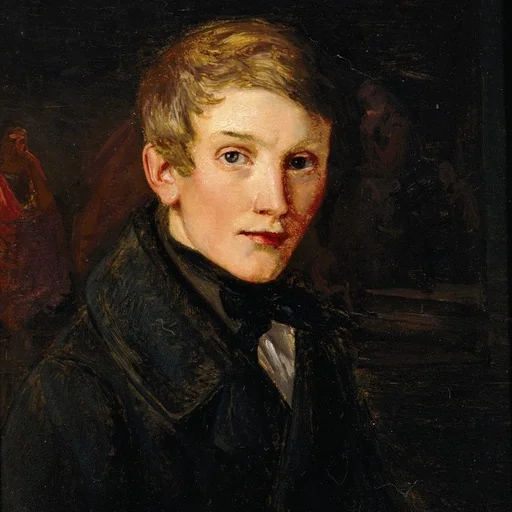
Artist
Dankvart Dreyer (13 June 1816 – 4 November 1852) was a Danish landscape painter of the Copenhagen School of painters who was educated under the guidance of Christoffer Wilhelm Eckersberg.