Artwork
Pointe de Cabellou, Brittany
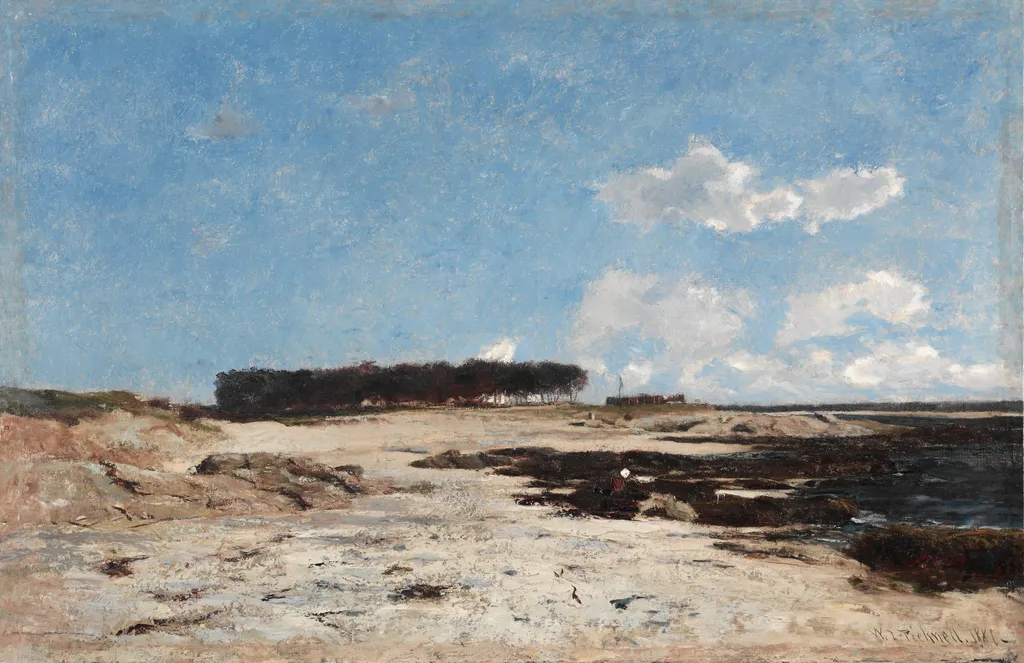
Pointe de Cabellou, Brittany is an unspecified painting by the American Impressionist artist William L. Picknell. It dates from 1881 and is held in the collection of the Cleveland Museum of Art.
About this work
Overview
Painted in 1881, Pointe de Cabellou, Brittany is a landscape by American artist William L. Picknell. It depicts a quiet coastal scene in northwestern France and is part of the collection at The Cleveland Museum of Art. The work reflects Picknell’s engagement with European plein air practices during his time abroad, capturing a moment of stillness along the Breton shoreline.
Subject & Meaning
The painting presents a tranquil stretch of beach at Pointe de Cabellou, with sparse vegetation and undisturbed sands. Distant clusters of trees frame the horizon, while subtle dark markings along the shore suggest natural debris or rock formations. There is no human presence, emphasizing the quietude of the natural environment and inviting contemplation of the sea’s calm rhythm.
Technique & Style
Picknell employs loose, observable brushwork characteristic of Impressionist methods, rendering light and atmosphere rather than precise detail. The sky, softly modeled with pale blues and wisps of cloud, merges seamlessly with the sea. Foreground textures are suggested through varied strokes of sand and shadow, avoiding definition in favor of sensory impression.
History & Provenance
Created during Picknell’s stay in Brittany, the painting entered The Cleveland Museum of Art’s collection in the 20th century. Its journey from the artist’s studio to institutional ownership reflects broader American interest in European landscape traditions during the late 19th century, though specific exhibition history prior to its acquisition remains undocumented.
Context
Picknell painted this work amid a wave of American artists traveling to France to study under the influence of French Impressionism. Brittany, with its rugged coastlines and changing light, attracted many foreign painters seeking authentic rural scenes. Pointe de Cabellou aligns with this trend, demonstrating how American artists adapted Impressionist techniques to local European subjects.
Legacy
While not widely reproduced, the painting contributes to the understanding of American artists’ participation in the international Impressionist movement. It stands as a quiet example of cross-cultural artistic exchange, illustrating how regional landscapes abroad informed the visual language of expatriate painters during a period of stylistic transformation.
Own this work as a print
Artist & collection

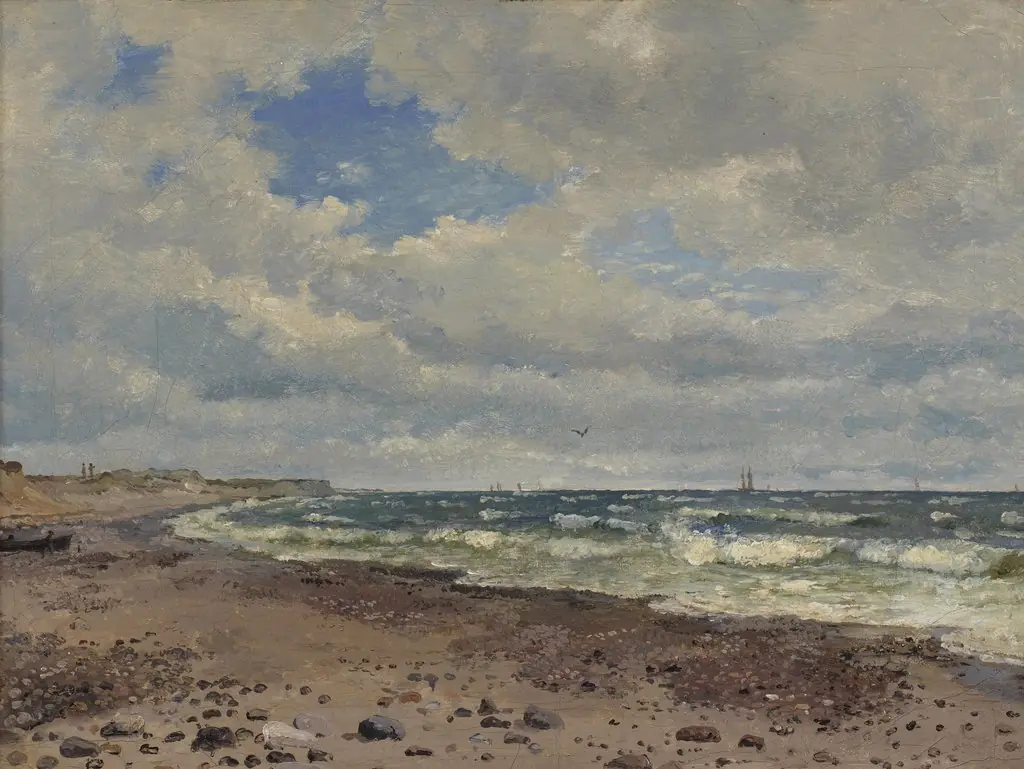 A Beach with Dunes. The West Coast of Jutland
 A Beach with Dunes. The West Coast of Jutland
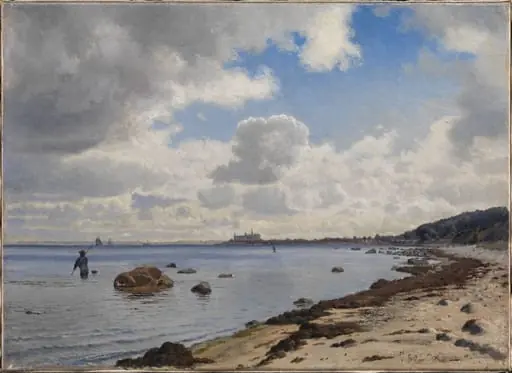 Sjællands nordkyst med udsigt til Kronborg
 A Dune Landscape
 Hilly Coast
 Laundresses at Low Tide, Étretat
 Beach at Ebb Tide
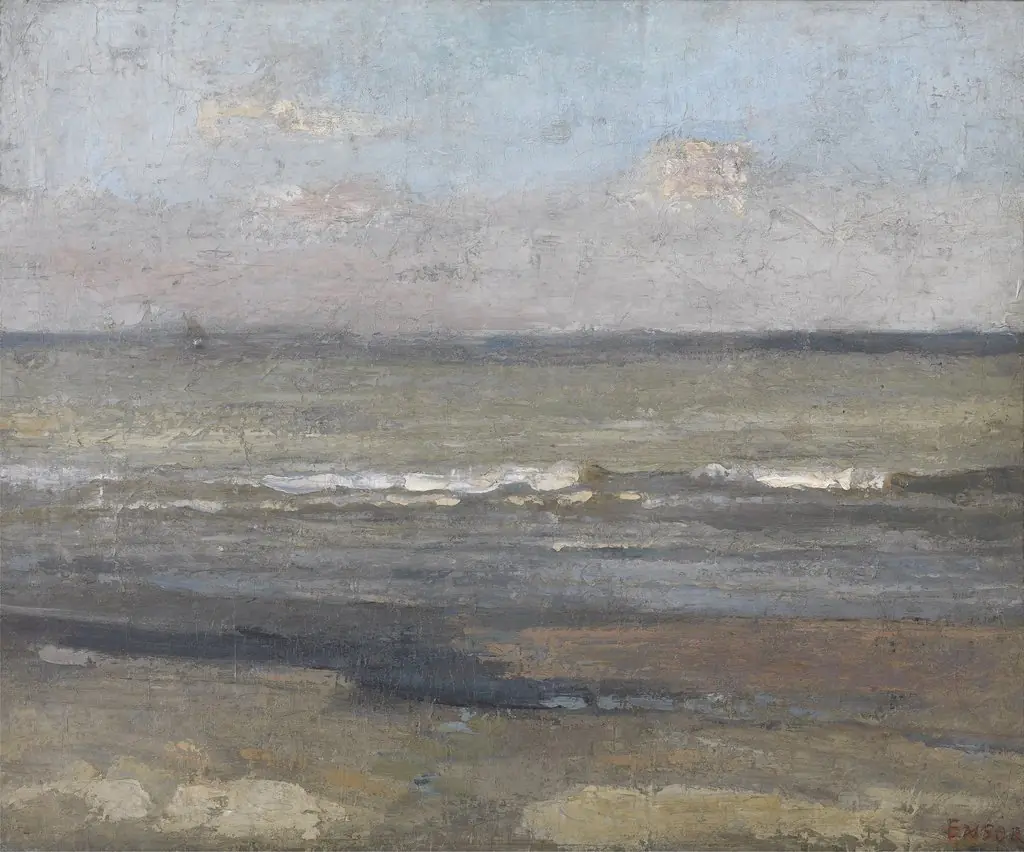 Grey Seascape
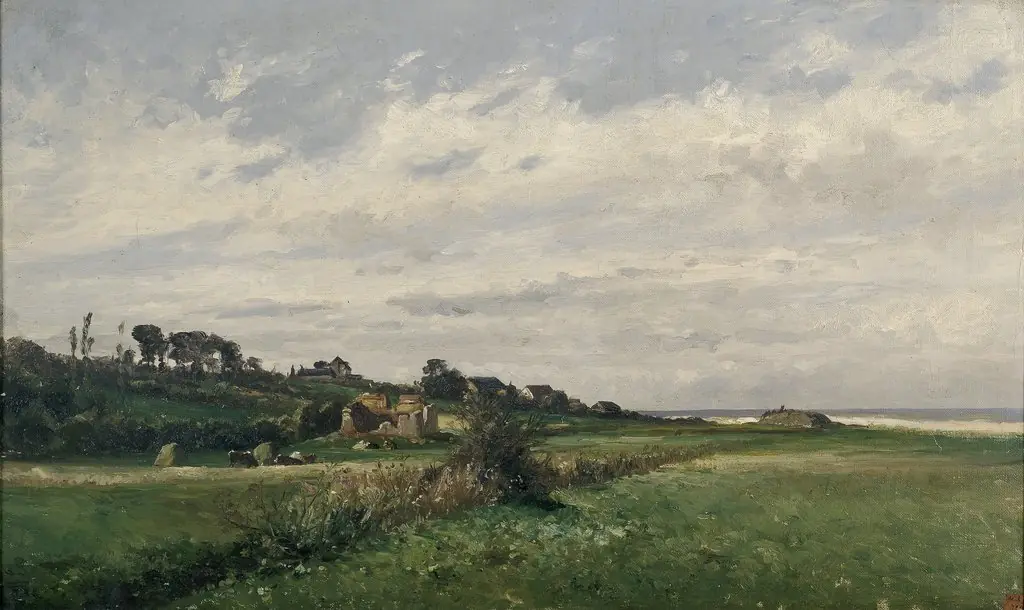 Praderas (Villerville)
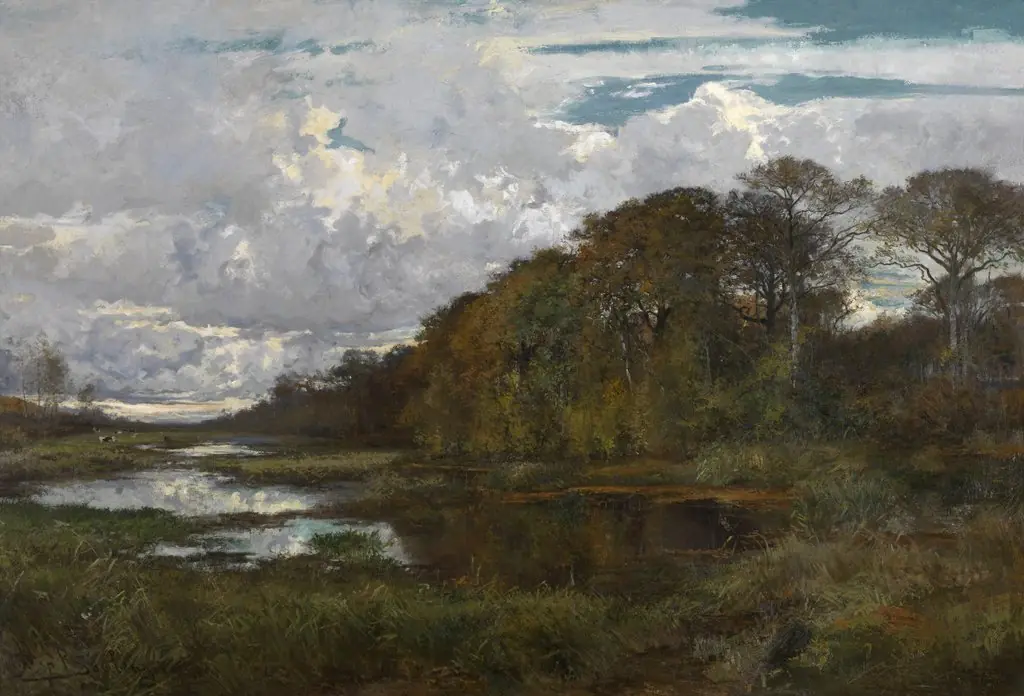 The Ponds of the "Grijze Molen" in Terhulpen
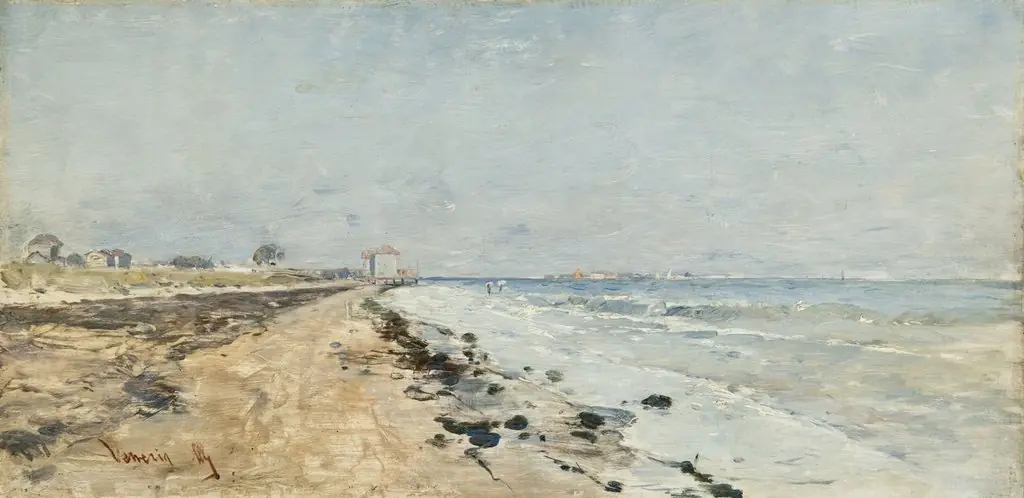 Lido
Lido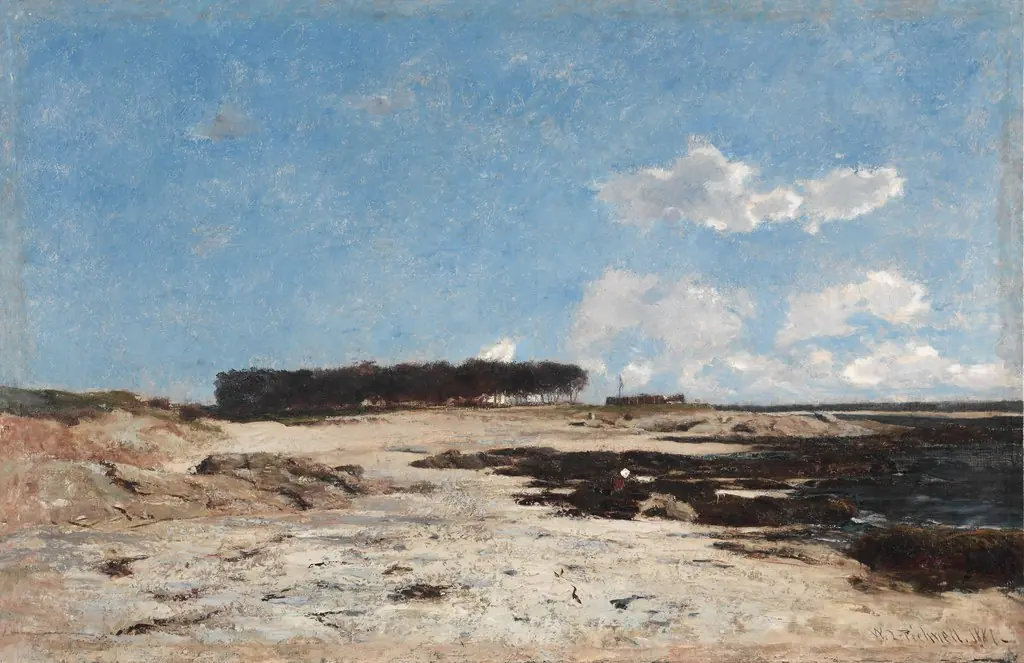 Pointe de Cabellou, Brittany