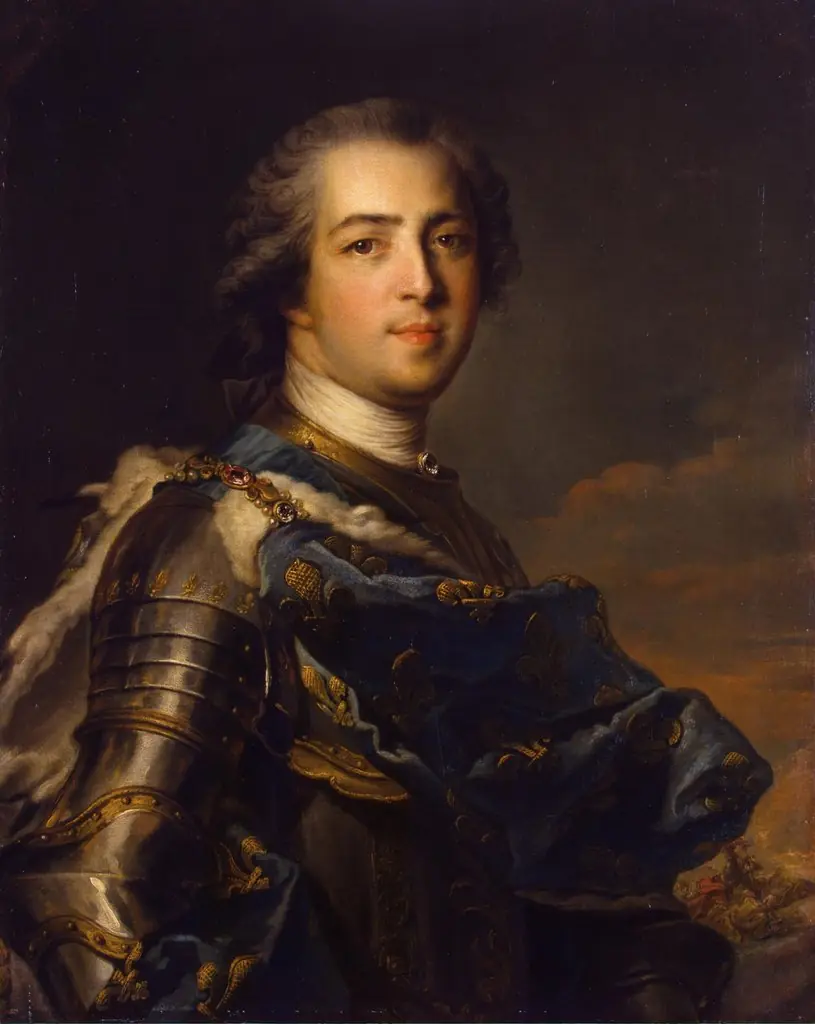
Artwork
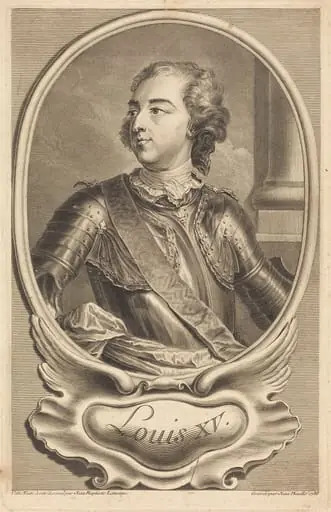
Louis XV
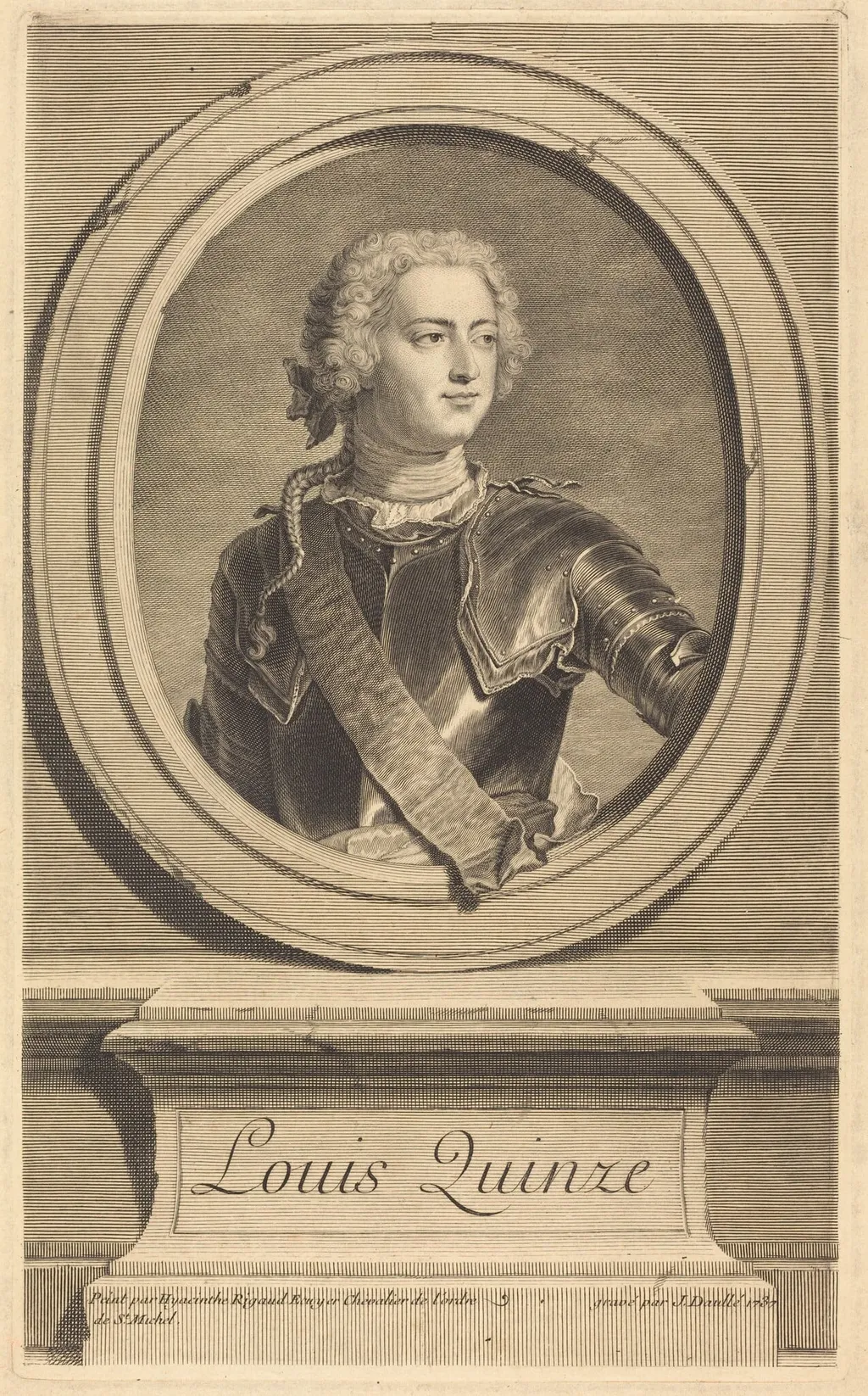
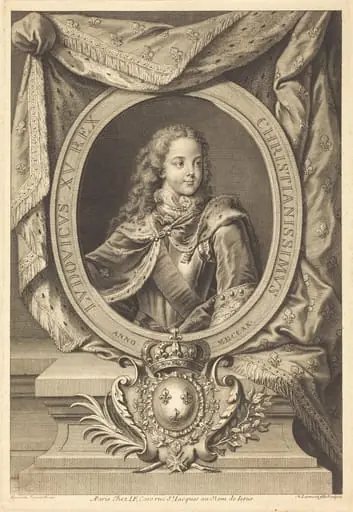
Louis XV is an ink print by the Baroque artist Jean Daullé. It dates from 1737 and is held in the collection of the National Gallery of Art.
About this work
Overview
This 1737 engraving by Jean Daullé depicts Louis XV of France at approximately seven years of age. Executed in intaglio, the print captures the young monarch in regal attire, including a crown and ceremonial sash, rendered through meticulous incised lines on a metal plate.
Subject & Meaning
The portrait presents the child king as an embodiment of dynastic continuity and royal authority. By depicting Louis XV in symbols of sovereignty at an early age, the image reinforces the legitimacy of his rule during a period of regency governance, emphasizing tradition and stability.
Technique & Style
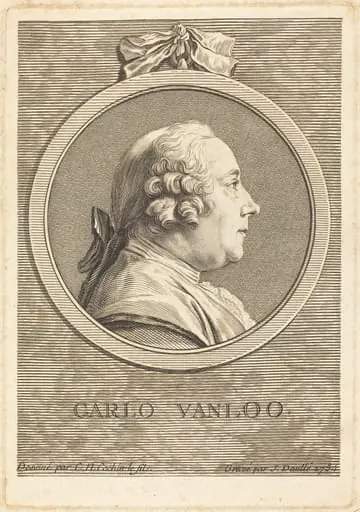
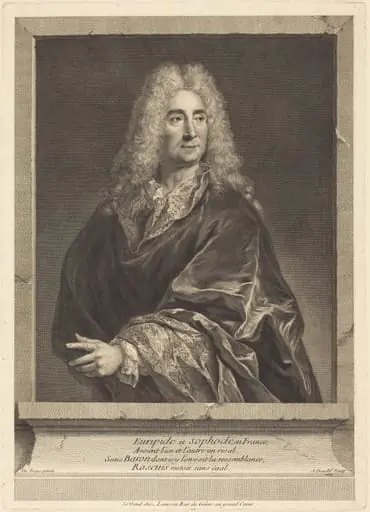
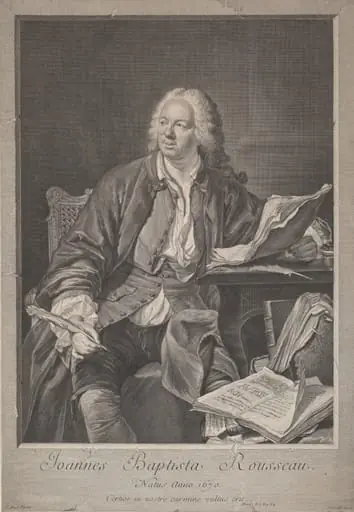
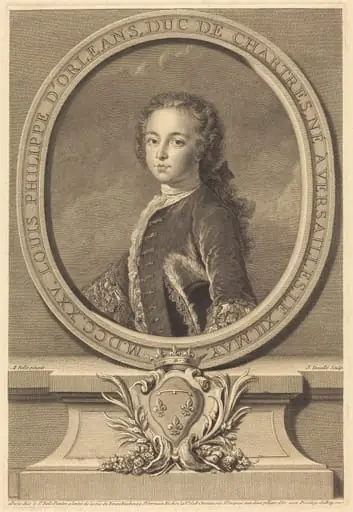
Daullé employed cross-hatching—a method of intersecting engraved lines—to model form and texture. This technique allowed for subtle gradations of shadow, lending volume to the sitter’s garments and a tactile quality to surfaces such as velvet. The precision of linework reflects the refined craftsmanship characteristic of eighteenth-century French printmaking.
History & Provenance
Created in 1737, the engraving belongs to a tradition of reproductive prints that disseminated royal imagery across Europe. While its early ownership remains unrecorded, impressions of Daullé’s work are held in institutions including the National Gallery of Art, Washington, where related examples may be studied.
Context
Produced during the regency of Philippe II, Duke of Orléans, the print served both propagandistic and decorative functions. Engravings of this kind circulated among elites, reinforcing the monarchy’s visual presence at a time when direct access to the king was limited. The youthful portrayal aligned with efforts to cultivate public perception of the crown’s enduring strength.
Artist & collection