Artwork
Jean-Baptiste Rousseau
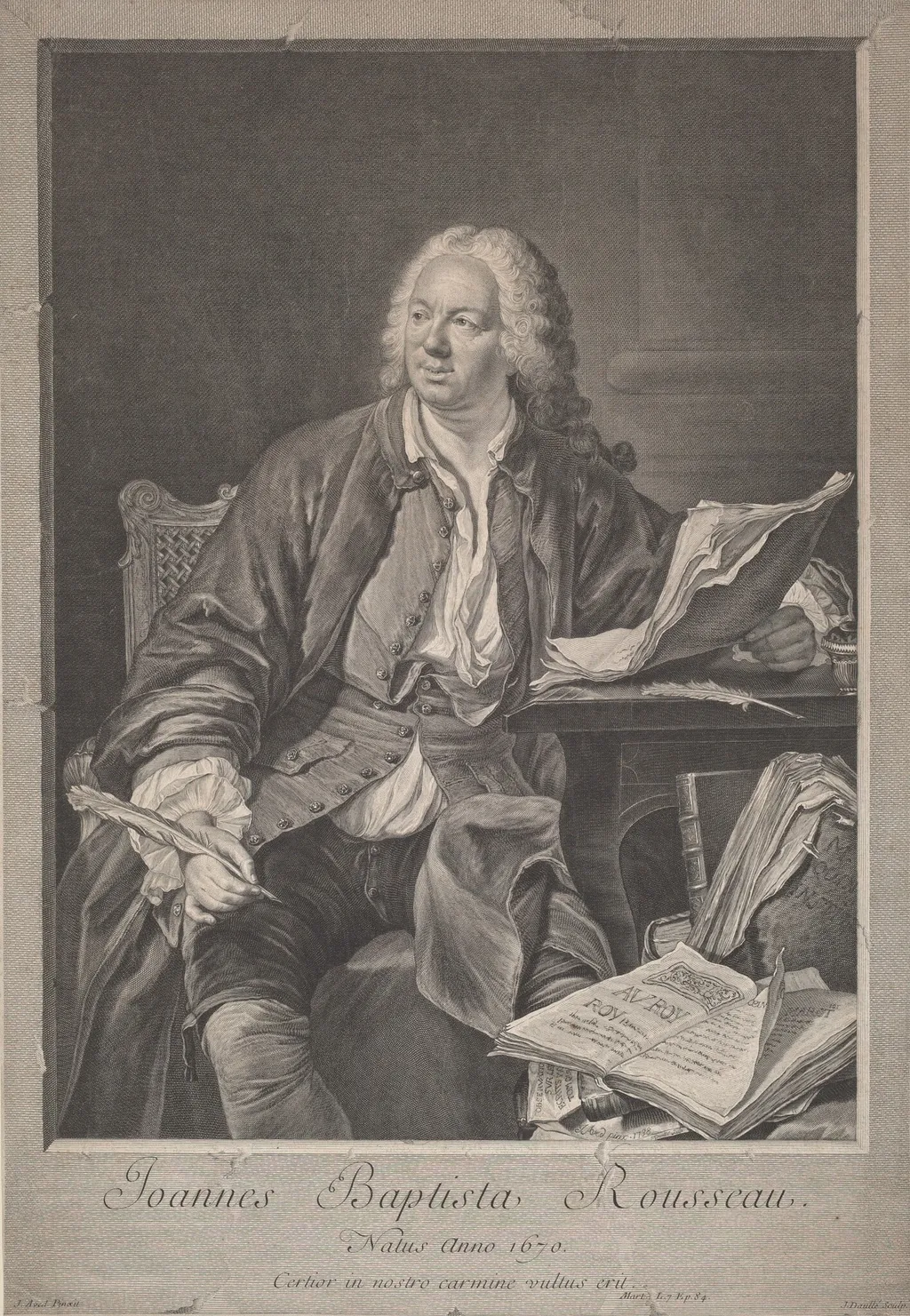
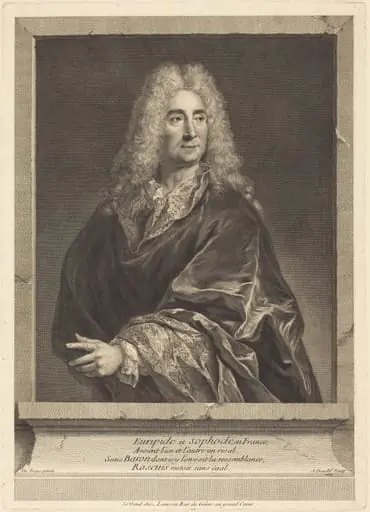
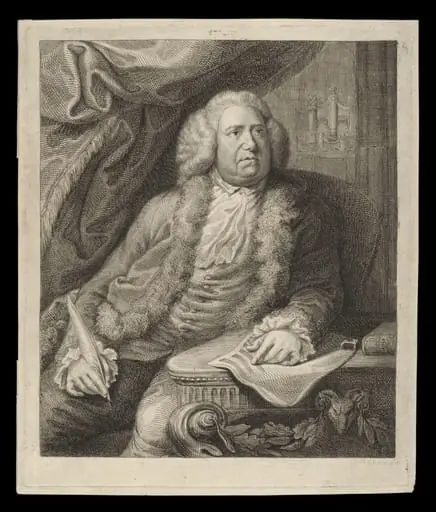
Jean-Baptiste Rousseau is an ink print by the Baroque artist Jean Daullé. It dates from 1738 and is held in the collection of the National Gallery of Art.
About this work
Overview
Jean-Baptiste Rousseau is an engraving by Jean Daullé, dated to 1738, rendered in black and white on laid paper.
Subject & Meaning
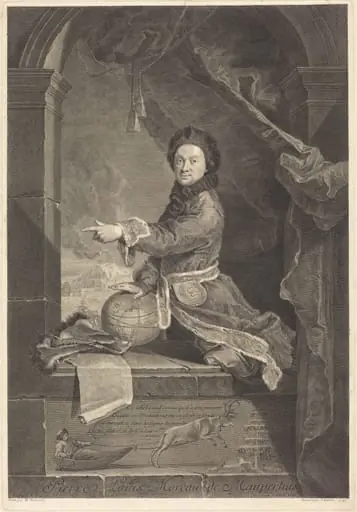
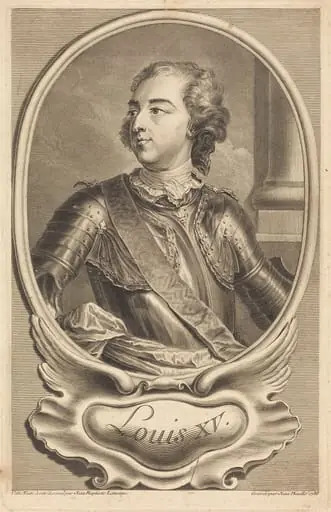
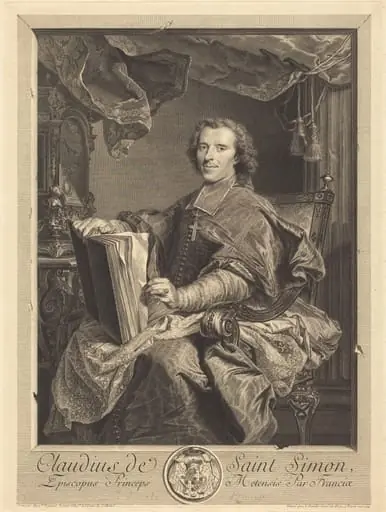
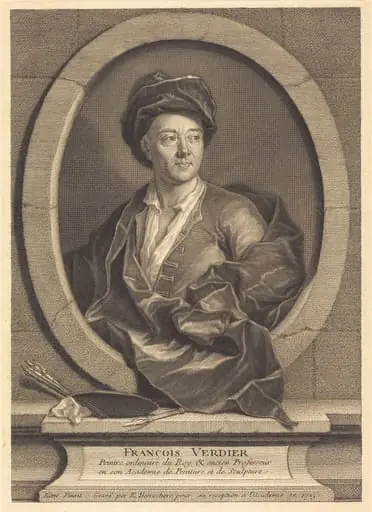
The engraving portrays a man, identified as Jean-Baptiste Rousseau, dressed in a luxurious coat and wig, suggesting a figure of refinement. He is depicted holding a feather quill in one hand and resting the other on an open book displaying music notes, with a nearby stack of papers. This composition implies Rousseau's engagement in literary or musical pursuits.
Technique & Style
The work showcases the engraving technique, where intricate designs and shading are achieved by carving into metal plates. The use of tiny lines and strategic shading creates a strong contrast, particularly highlighting the subject's face and attire against a dark background.
History & Provenance
Created in 1738 by Jean Daullé, specific details about the engraving's ownership history or exhibitions are not provided in the available information.
Context
As an 18th-century engraving, Jean-Baptiste Rousseau reflects the period's appreciation for detailed, small-scale artworks often used for portraiture and dissemination of images among the elite and emerging middle class.
Legacy
The enduring significance of Jean-Baptiste Rousseau lies in its representation of 18th-century engraving techniques and its portrayal of a historical figure, contributing to the visual record of the time. Its impact on subsequent artistic practices or popularity over time is not specified in the provided details.
Artist & collection