Artwork
Ah! Saperlotte, je crois que nous sommes pincés!
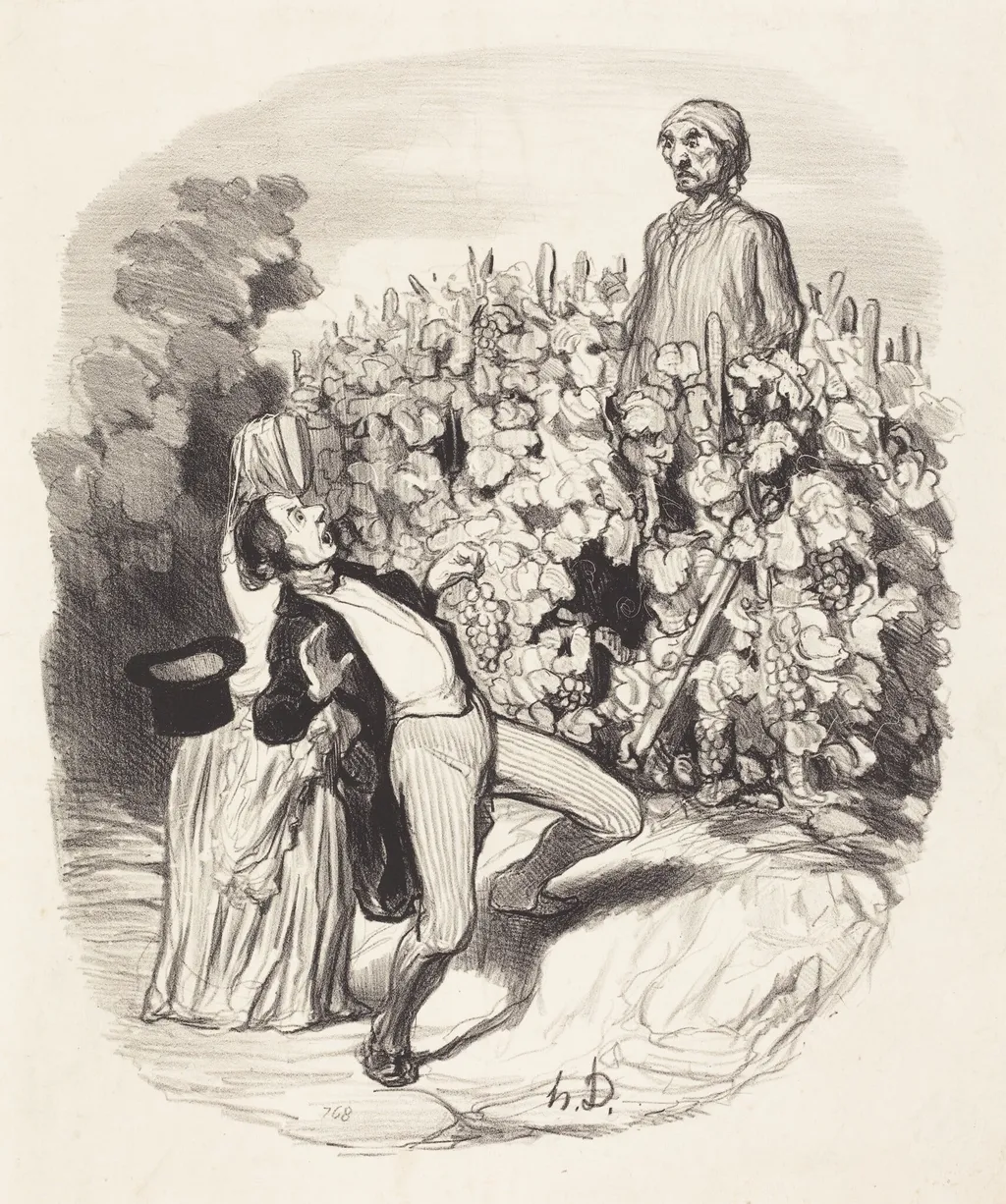
Ah! Saperlotte, je crois que nous sommes pincés! is an ink print by the Romanticist artist Honoré Daumier. It dates from 1845 and is held in the collection of the National Gallery of Art. Ah!
About this work
Overview
Ah! Saperlotte, je crois que nous sommes pincés! is a lithograph created by Honoré Daumier in 1845, exemplifying his satirical approach to critiquing French society during the mid-19th century.
Subject & Meaning
The print captures a moment of comic alarm, featuring a distressed man in formal attire and a concerned yet calm woman, set against a shadowy background. The scene conveys tension and unease, characteristic of Daumier's use of satire to address social and political issues of his time.
Technique & Style
Daumier employed his distinctive style of exaggerated figures and dramatic composition in this lithograph, complemented by a humorous caption, to lampoon the societal hierarchies of France under the July Monarchy and Second Republic.
History & Provenance
Originally published in Parisian journals like *La Caricature* and *Le Charivari*, this work reflects Daumier's role as a prolific printmaker and caricaturist aligned with republican democratic ideals.
Context
* is indeed a lithograph, a medium Daumier leveraged for widespread dissemination of his satirical commentary.
While the provided visual note mistakenly refers to the work as a 'painting,' *Ah! Saperlotte...* is indeed a lithograph, a medium Daumier leveraged for widespread dissemination of his satirical commentary. The mentioned 'Romanticism movement' context, however, is not directly applicable to Daumier's satirical and politically charged body of work, which is more closely associated with the Caricature and social commentary of the era.
Artist & collection
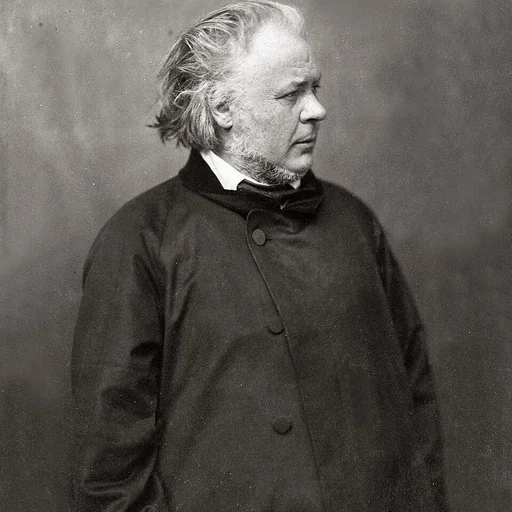
Artist
Honoré-Victorin Daumier was a French painter, sculptor, and printmaker, whose many works offer commentary on the social and political life in France, from the Revolution of 1830 to the fall of the Second French Empire in 1870.

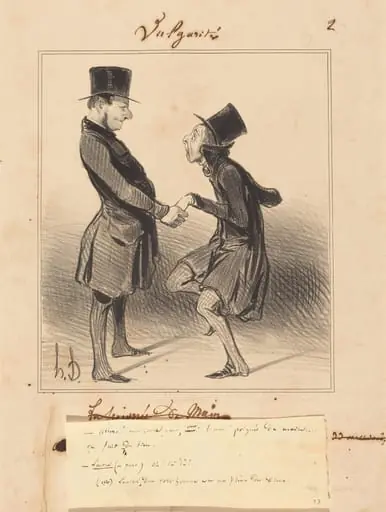 Allons! mon jeune ami, une bonne poignée...
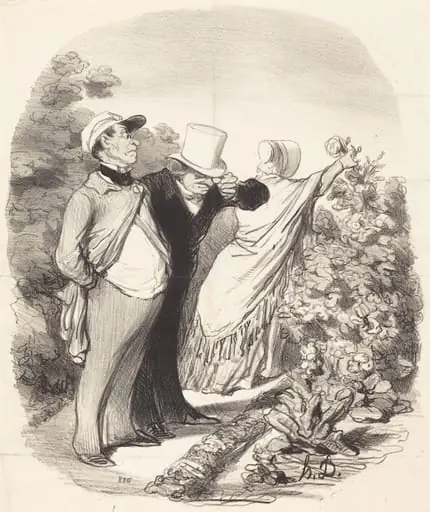 Allons bon!... voila que'elle me cueille une rose...
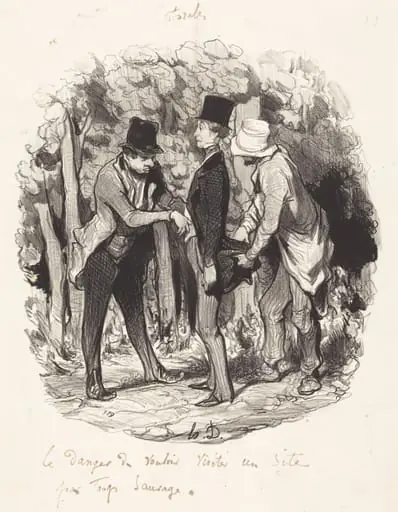 Le Danger de... visiter un site par trop sauvage
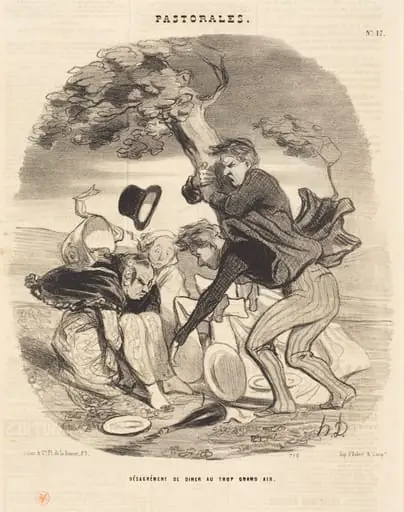 Désagrément de diner au trop grand air
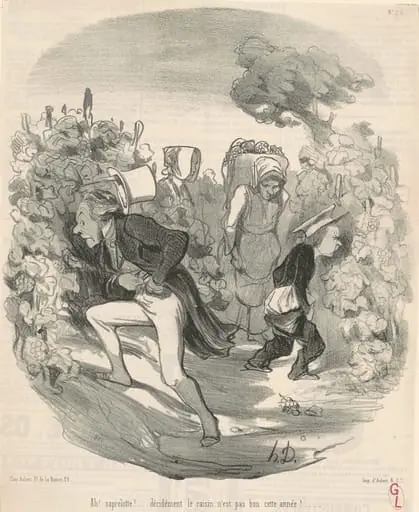 Ah! Saperlotte! ... Le raisin n'est pas bon cette année! ...
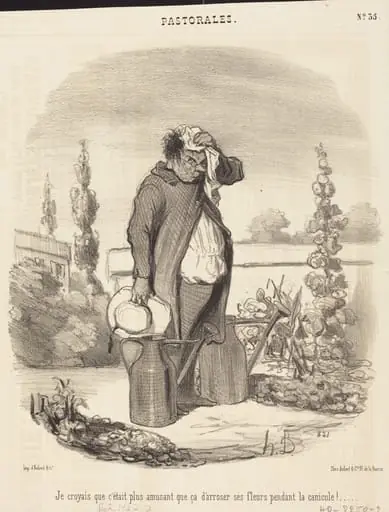 Je croyais que c'était plus amusant que ça...
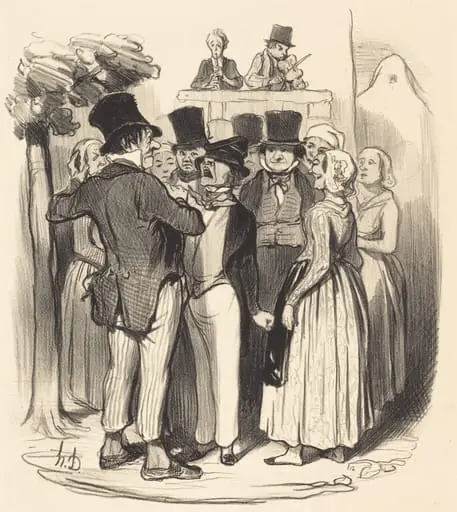 Ah! Gringalet d'Paris... tu viendras faire danser...
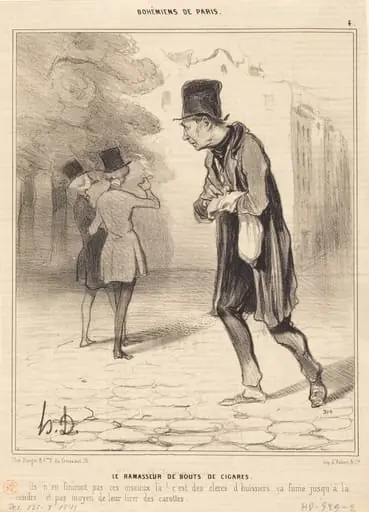 Le Ramasseur de bouts de cigares
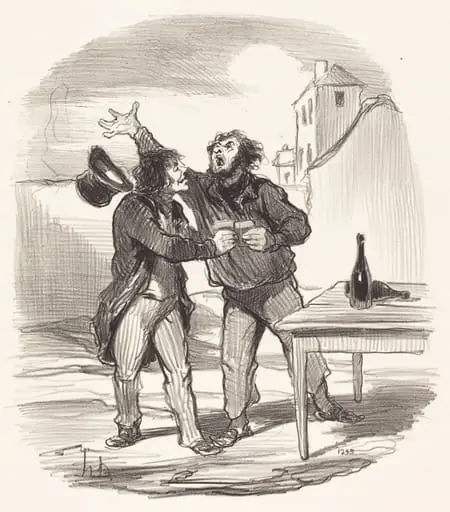 Membre... du dix Décembre prenant le la...