Artwork
Apparition du ... serpent de la rue Lacépède
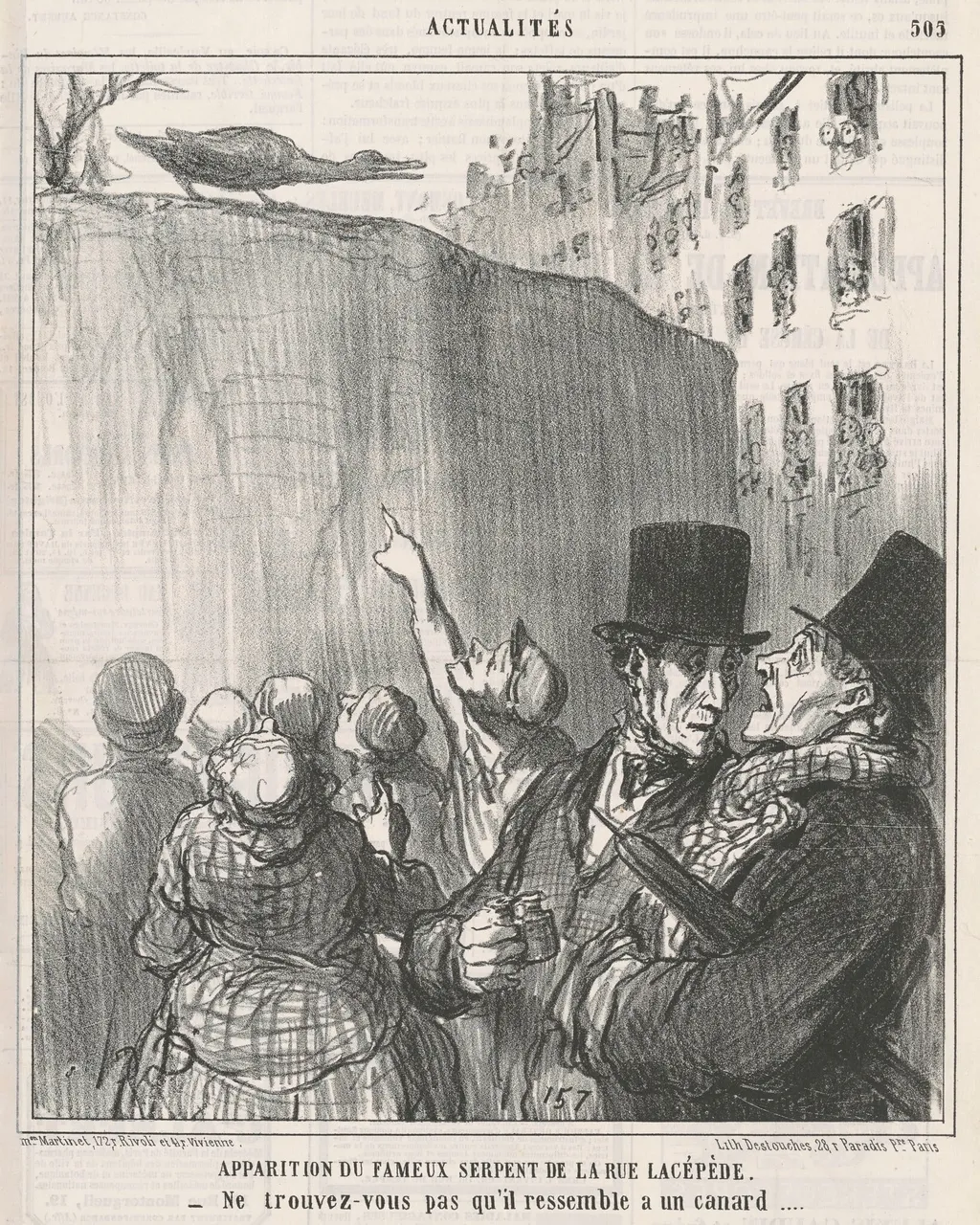
Apparition du ... serpent de la rue Lacépède is an ink print by the Impressionist artist Honoré Daumier. It dates from 1858 and is held in the collection of the National Gallery of Art.
About this work
Overview
Apparition du serpent de la rue Lacépède is a lithograph depicting an extraordinary scene on a 19th-century Parisian street, where a crowd gathers to marvel at an unusual apparition.
Subject & Meaning
The print shows a serpent-like figure with a bird-like head suspended above the street, prompting a mixture of fear and wonder among the onlookers. Unlike Daumier's typical satirical works targeting Parisian life and politics, this piece leans into absurdity and playful surrealism.
Technique & Style
Characterized by thin, expressive, and scratchy lines, the lithograph conveys a sense of dynamic energy and immediacy, evoking the spontaneous feel of a cartoon. Daumier's simple yet effective line work amplifies the scene's emotional intensity and absurdity.
History & Provenance
Created by French artist Honoré Daumier, the exact date and original context of 'Apparition du serpent de la rue Lacépède' are not specified here, but it reflects Daumier's broader practice of using lithography for social commentary, albeit in a more whimsical vein than usual.
Context
While Daumier was known for satirizing 19th-century Parisian life and politics through his art, this work stands out for its departure from social critique, instead embracing fantasy and the everyday surreal, potentially reflecting the artist's versatility and interest in capturing the full spectrum of urban experience.
Legacy
'Apparition du serpent de la rue Lacépède' contributes to Daumier's legacy as a versatile lithographer capable of balancing satire with lighter, more imaginative themes, influencing subsequent artists in the exploration of everyday life through printmaking.
Own this work as a print
Artist & collection
Artist
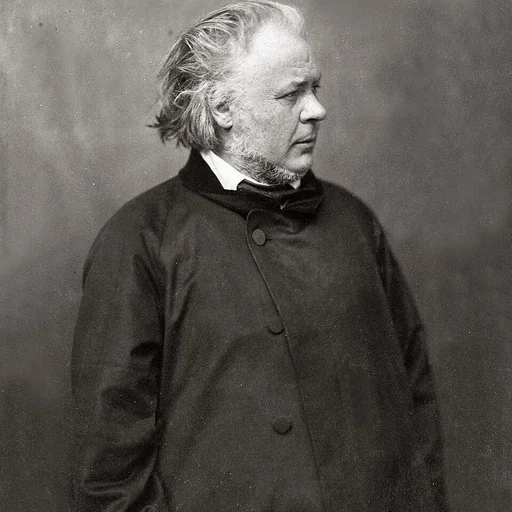
Honoré-Victorin Daumier was a French painter, sculptor, and printmaker, whose many works offer commentary on the social and political life in France, from the Revolution of 1830 to the fall of the Second French Empire in 1870.

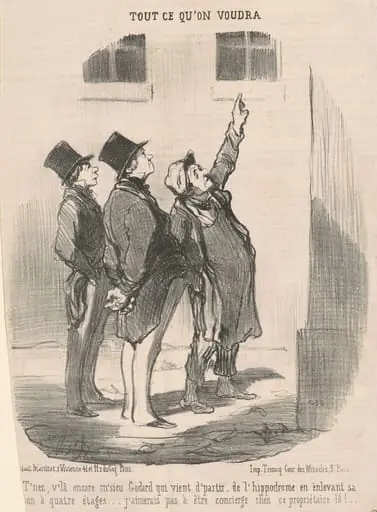 T'nez, v'la encore M'sieu Godard ...
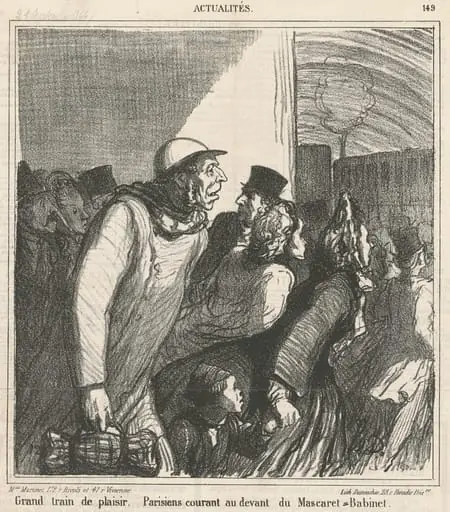 Grand train de plaisir
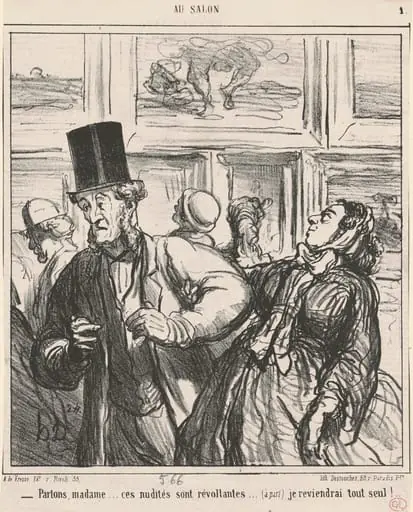 Parlons, Madame...ces nudités sont révoltantes...
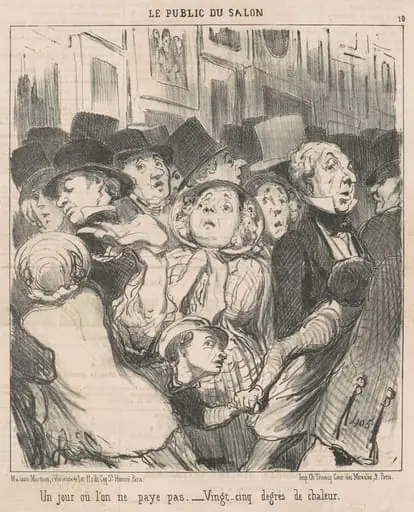 Un jour ou l'on ne paye pas
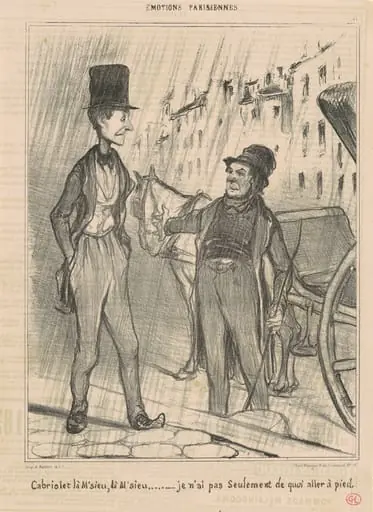 Cabriolet là M'sieu, là M'sieu...
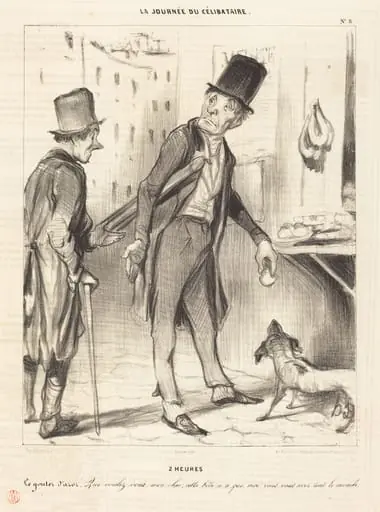 2 heures - Le gouter d'Azor
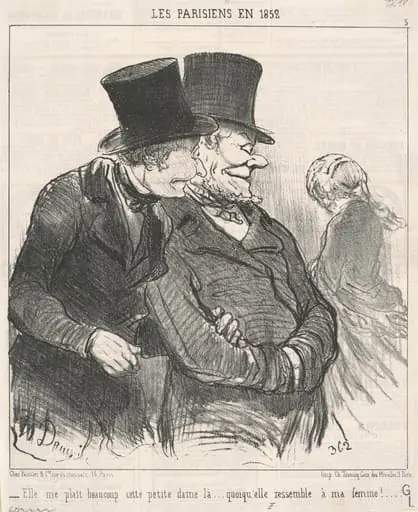 Ell me plait beaucoup ...
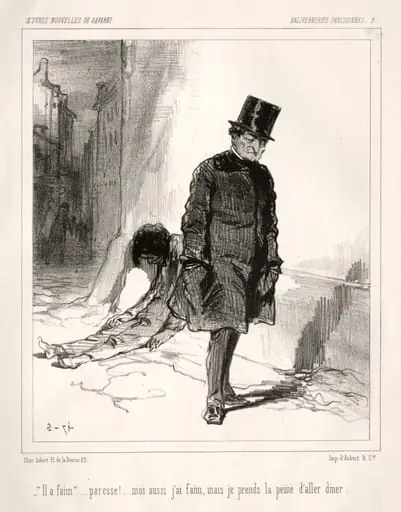 Baliverneries Parisiennes
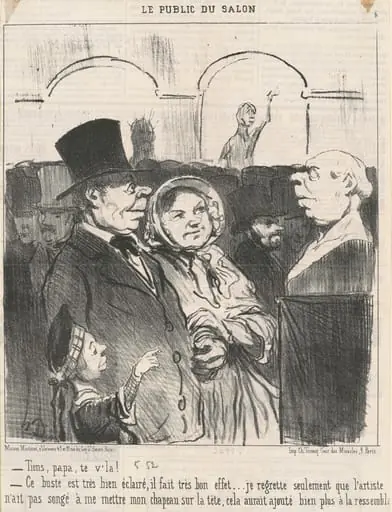 Tiens, papa, te v'la! ...
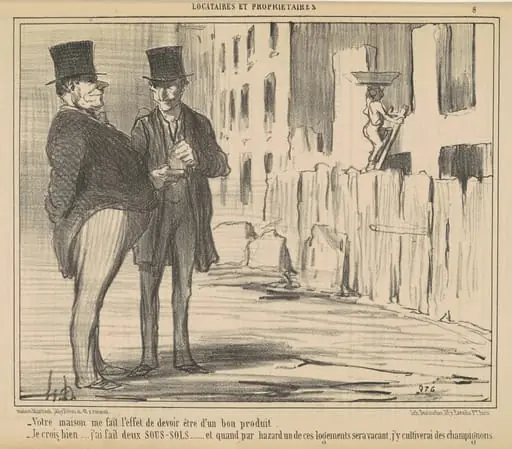 Votre maison me fait l'effet de devoir ...
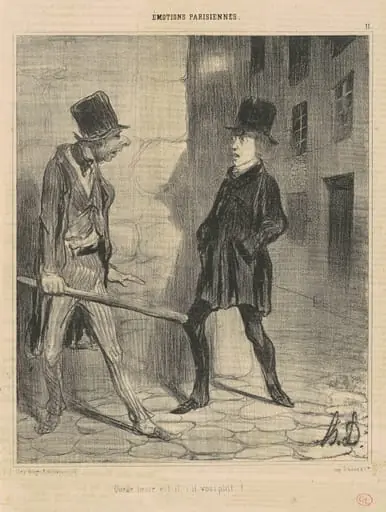 Quelle heure est'il, s'il vous plait?...
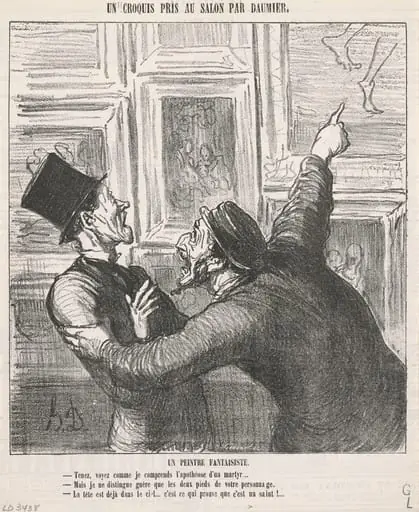 Un peintre fantaisiste