Artwork
Aux Champs-Elysées
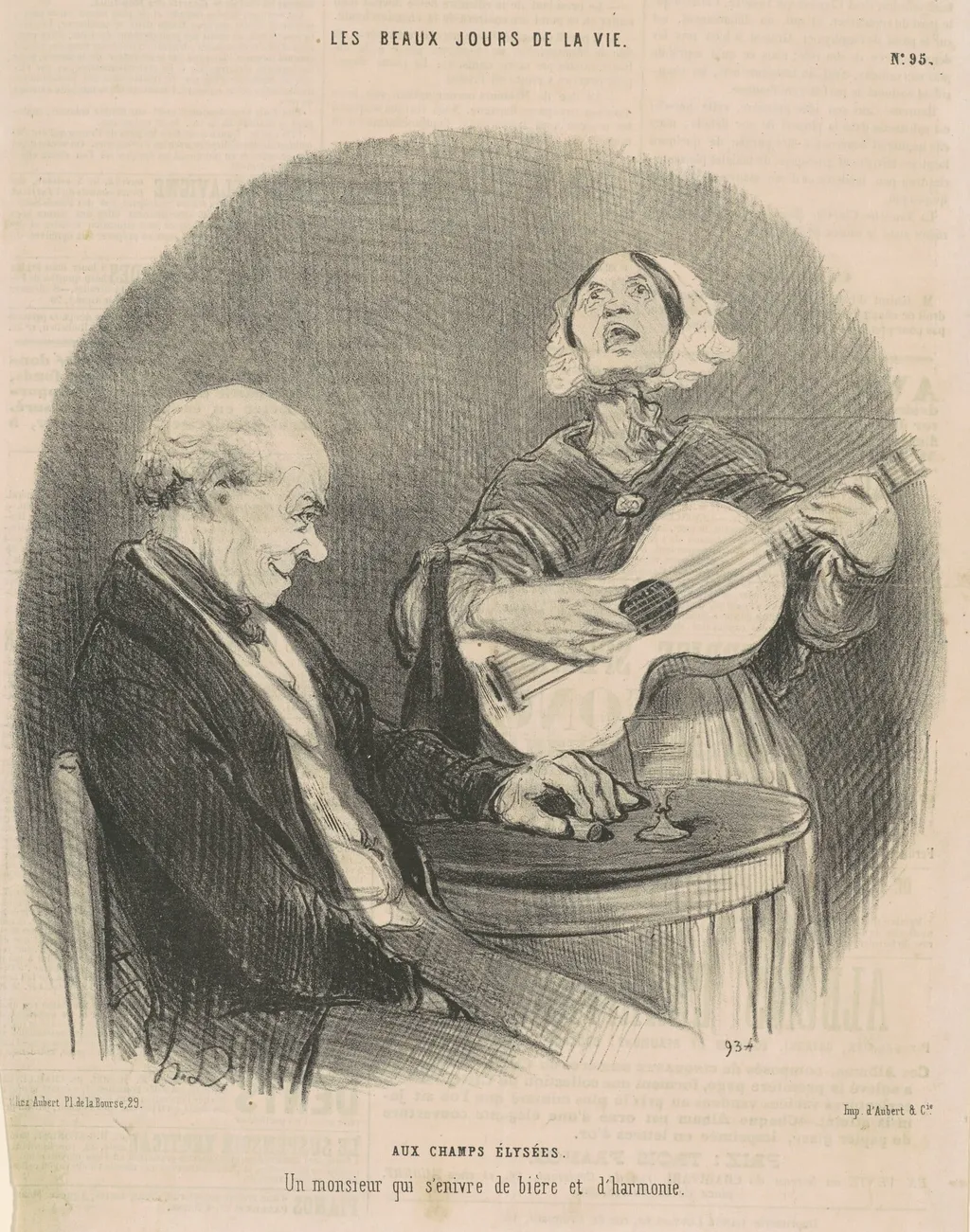
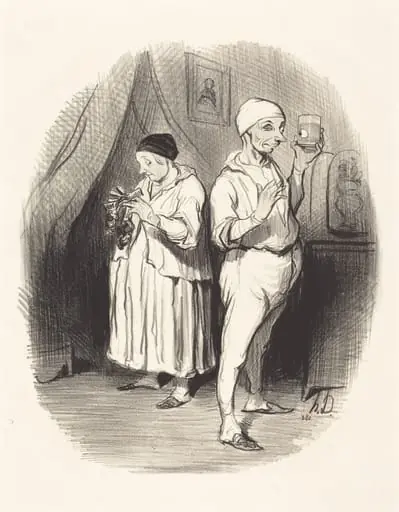
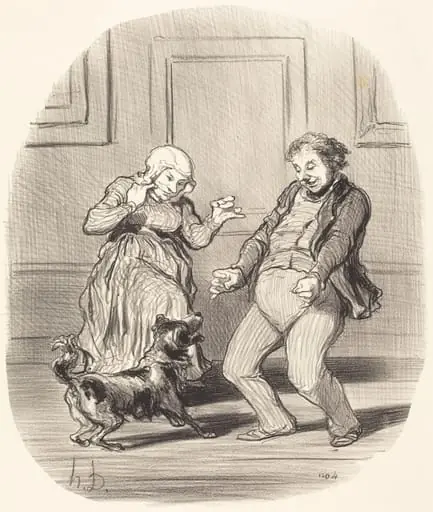
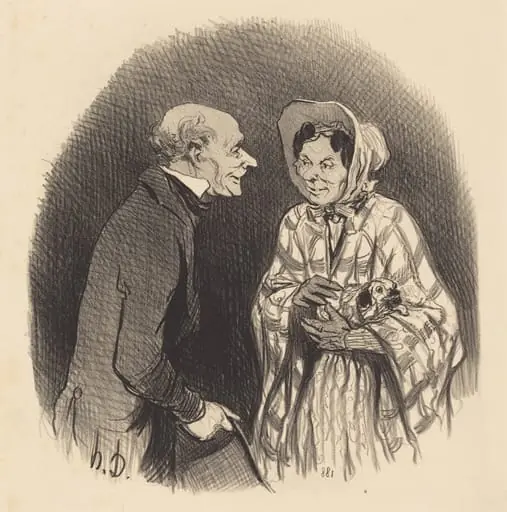
Aux Champs-Elysées is an ink print by the Romanticist artist Honoré Daumier. It dates from 1846 and is held in the collection of the National Gallery of Art.
About this work
Overview
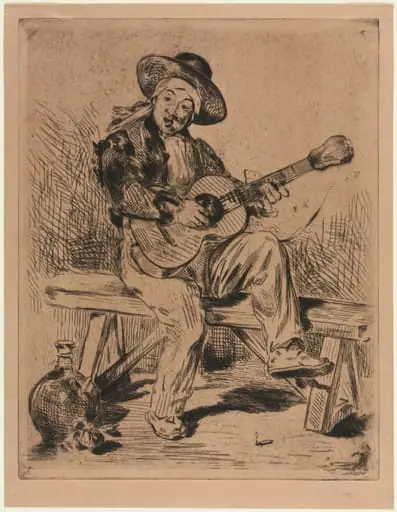
Created in 1846, 'Aux Champs-Elysées' is a lithograph by Honoré Daumier that portrays a quiet moment of companionship between two figures in a public setting.
Created in 1846, 'Aux Champs-Elysées' is a lithograph by Honoré Daumier that portrays a quiet moment of companionship between two figures in a public setting. Rendered in monochrome, the print captures a seated elderly man and a woman holding a guitar, their interaction suggesting warmth without overt drama. Daumier’s focus on gesture and posture over background detail gives the scene an intimate, almost candid quality.
Subject & Meaning
The figures appear engaged in a simple, unpretentious musical moment, their relaxed postures implying familiarity and ease. The guitar, held by the woman, serves as a bridge between them, hinting at shared experience rather than performance. Daumier avoids theatricality, instead emphasizing quiet human connection—a subtle commentary on everyday life among Paris’s ordinary citizens during the July Monarchy.
Technique & Style
Daumier employed lithography to achieve fluid, expressive lines and nuanced tonal gradations. His economy of mark-making conveys texture and form with minimal strokes—fabric folds, facial features, and the guitar’s curves are suggested rather than detailed. The absence of background elements directs attention to the figures’ physical presence and emotional resonance, characteristic of his observational approach to printmaking.
History & Provenance
Produced during Daumier’s prolific period of social commentary, this print likely appeared in a periodical or as part of a series documenting Parisian street life. Though its exact publication history is unclear, it aligns with his broader body of work for journals like 'La Caricature' and 'Le Charivari,' where he chronicled urban scenes with empathy and restraint.
Context
In mid-19th century Paris, public spaces like the Champs-Élysées were sites of social mixing, where class boundaries blurred informally. Daumier’s focus on ordinary people enjoying music reflects a growing cultural interest in the lives of non-elite citizens. His work diverged from academic ideals, offering instead a grounded, humanistic view of urban existence during a time of political and social change.
Legacy
Daumier’s lithographs, including this one, influenced later realist and modernist artists by demonstrating how everyday moments could carry emotional weight through disciplined draftsmanship. His ability to convey narrative and mood with minimal means helped redefine printmaking as a vehicle for psychological insight rather than mere illustration.
Artist & collection
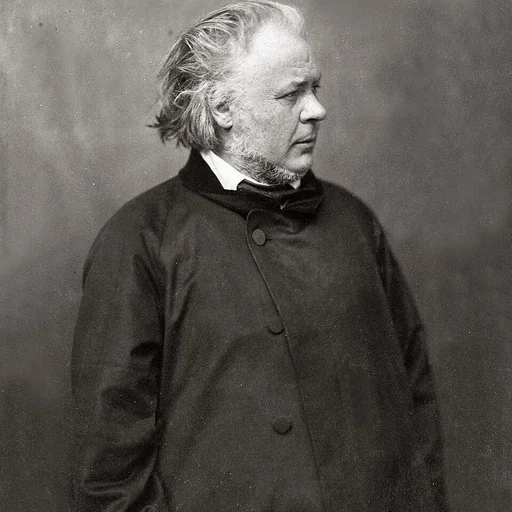
Artist
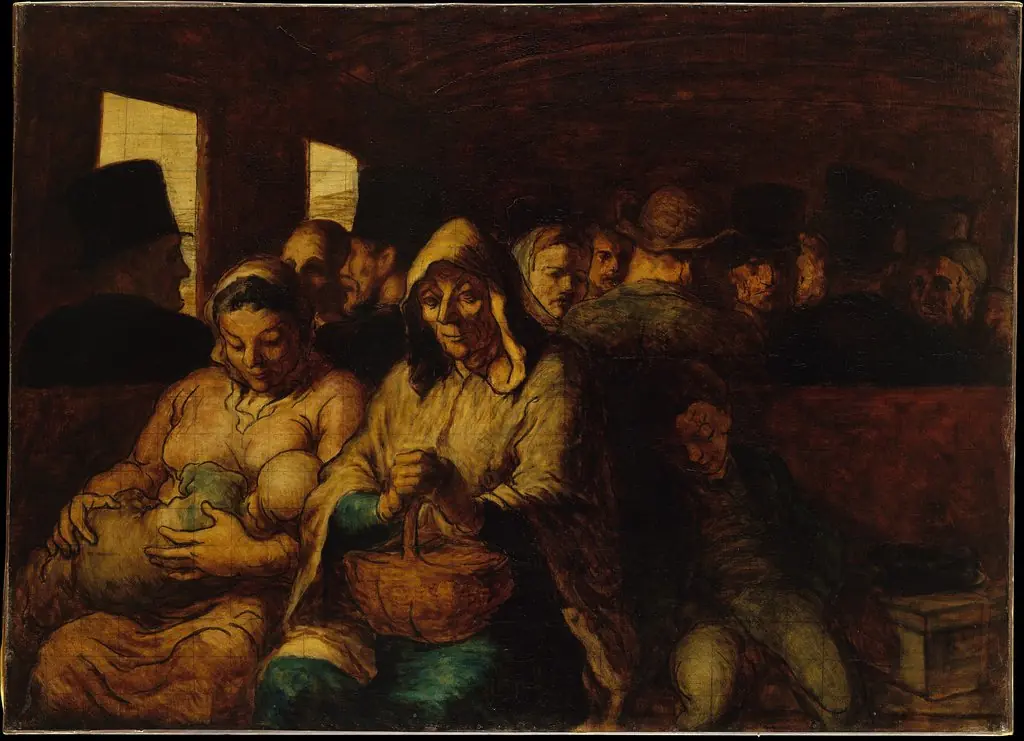
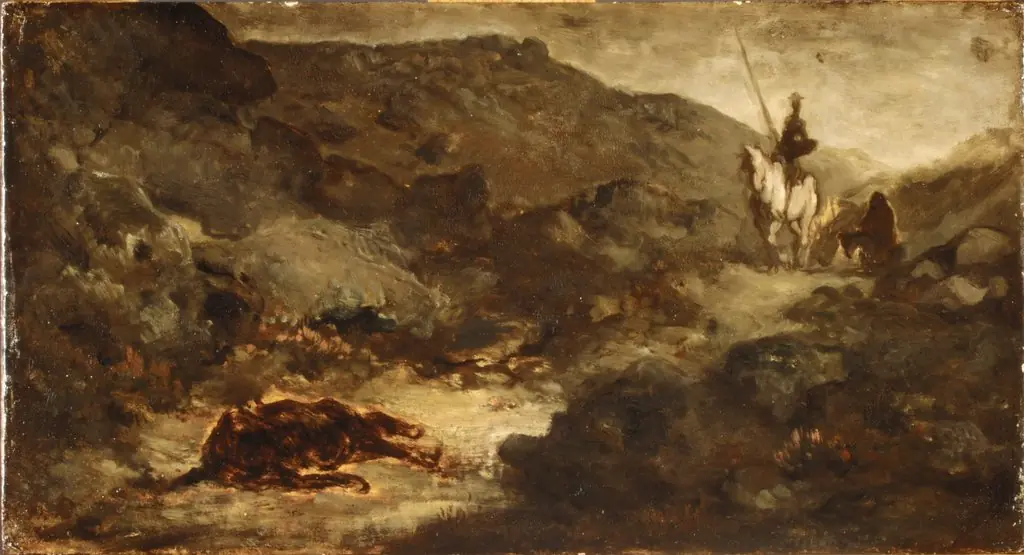
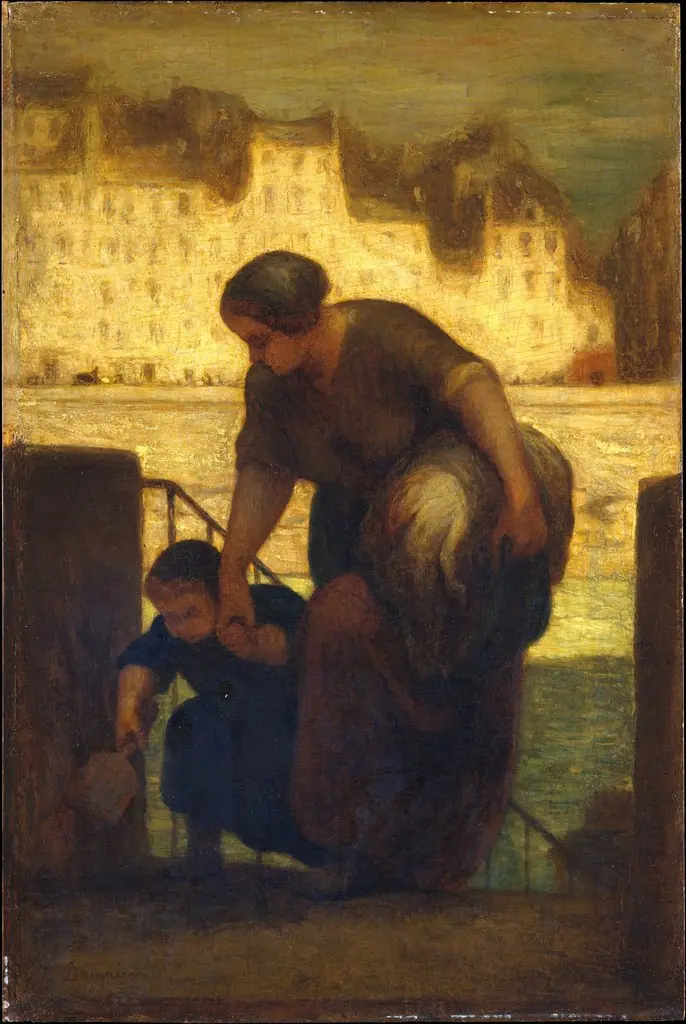
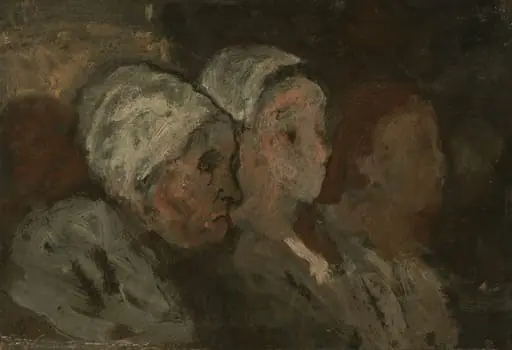
Honoré-Victorin Daumier was a French painter, sculptor, and printmaker, whose many works offer commentary on the social and political life in France, from the Revolution of 1830 to the fall of the Second French Empire in 1870.