Artwork
Aux Champs-Elysées
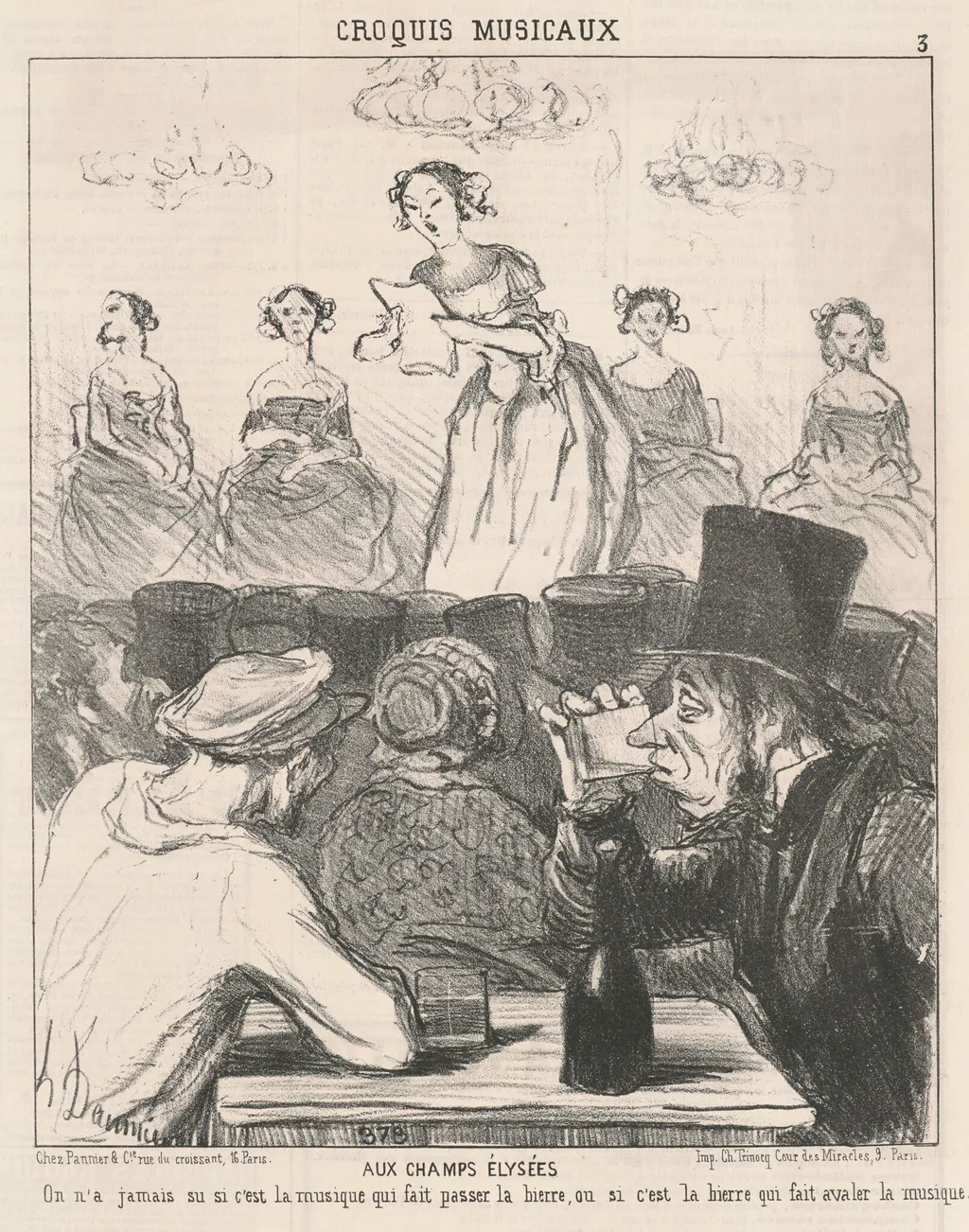
Aux Champs-Elysées is an ink print by the Impressionist artist Honoré Daumier. It dates from 1852 and is held in the collection of the National Gallery of Art.
About this work
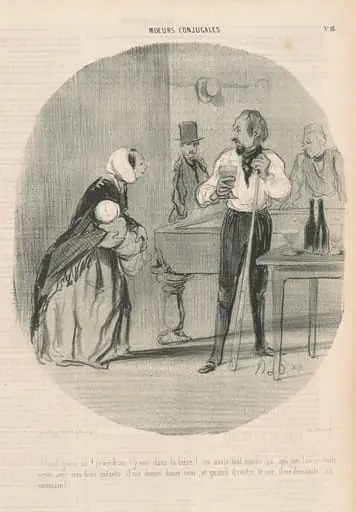
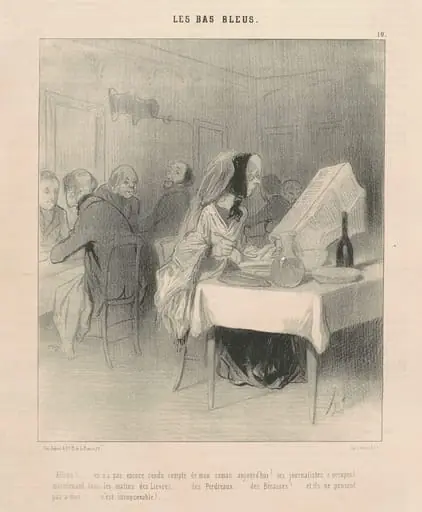
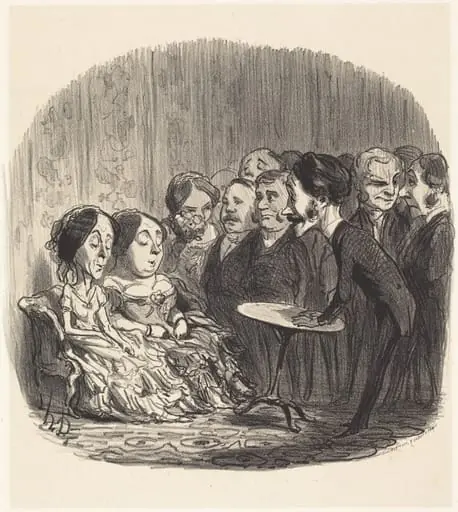
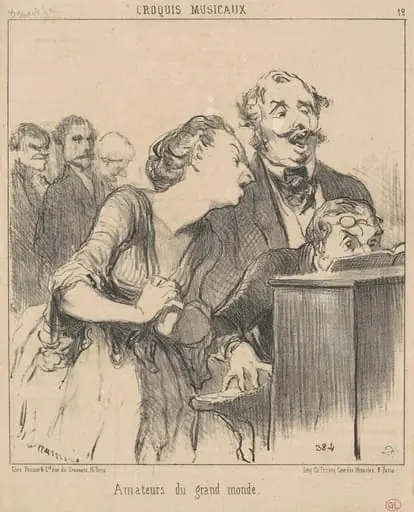
You see a crowded Paris street scene. The artist drew it on stone with greasy ink in 1852. Musicians play instruments while fancy-dressed women chat nearby.
Daumier packed tiny details into this quick print. The women’s hats tilt just so. The musicians’ faces look tired and real.
His sharp lines make fun of rich Parisians mid-1800s.
Look up Daumier, Honoré next.
Overview
Aux Champs-Elysées is a lithograph by Honoré Daumier, dated to 1852, depicting a vibrant Parisian street scene centered around a musical performance.
Subject & Meaning
The print satirically portrays the social elite of mid-19th century Paris, with women in historical attire interacting amidst a musical event, while the musicians themselves appear weary, contrasting the leisure of the spectators.
Technique & Style
Daumier utilized greasy ink on stone to create the lithograph, characterized by sharp lines, exaggerated facial features, and densely packed, meticulous details, all hallmarks of his distinctive satirical style.
History & Provenance
Created in 1852, the exact provenance of Aux Champs-Elysées is not detailed here, but its creation reflects Daumier's active period of lithographic work, often targeting Parisian society.
Context
This work is set within the broader context of Daumier's satirical commentary on 19th-century French bourgeoisie, particularly the leisure activities of the affluent in iconic Parisian settings like the Champs-Elysées.
Legacy
As part of Daumier's oeuvre, Aux Champs-Elysées contributes to his legacy as a pioneering satirical artist, influencing future generations with his critical, detailed, and humorous depictions of societal norms.
Artist & collection

Artist
Honoré-Victorin Daumier was a French painter, sculptor, and printmaker, whose many works offer commentary on the social and political life in France, from the Revolution of 1830 to the fall of the Second French Empire in 1870.