Artwork
Aux petits des oisons, ils donnent la mangeaille ...
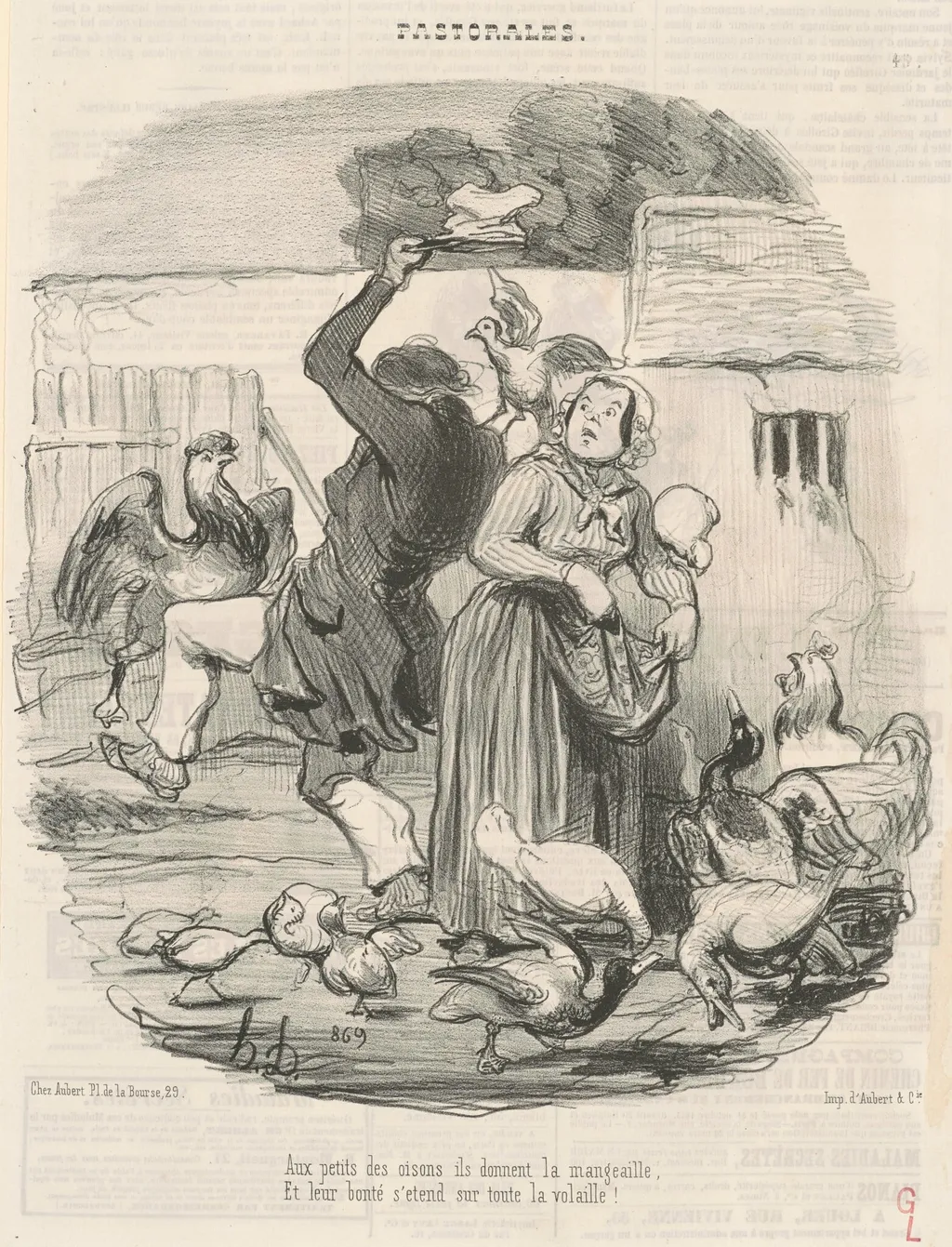
Aux petits des oisons, ils donnent la mangeaille ... is an ink print by the Romanticist artist Honoré Daumier. It dates from 1846 and is held in the collection of the National Gallery of Art. Honoré Daumée’s lithograph titled *Aux petits des oisons, ils donnent la mangeaille…* presents a brief, everyday vignette of rural life.
About this work
Overview
Honoré Daumée’s lithograph titled *Aux petits des oisons, ils donnent la mangeaille…* presents a brief, everyday vignette of rural life. Executed in the lithographic medium, the print depicts a man and a woman surrounded by a handful of birds, suggesting a domestic setting where feeding the young goslings is the central activity.
Subject & Meaning
The composition focuses on the interaction between the two figures as they tend to the fowl, a scene that hints at the routine labor of countryside households. Daumier’s treatment injects a subtle humor, inviting viewers to consider the modest, often overlooked moments that constitute rural existence.
Technique & Style
Created through lithography, the work relies on the artist’s ability to draw directly onto a stone or metal plate with greasy media, then print from the prepared surface. Daumée’s line work is brisk yet precise, capturing the texture of feathers and the gestures of the figures with a lightness characteristic of his printmaking practice.
Context
Produced during Daumée’s prolific period of social observation, the print aligns with his broader interest in portraying the lives of ordinary people. While primarily known for caricature and political satire, this piece demonstrates his capacity to render quiet, domestic scenes that still carry a gentle critical edge toward rural customs.
Own this work as a print
Artist & collection
Artist
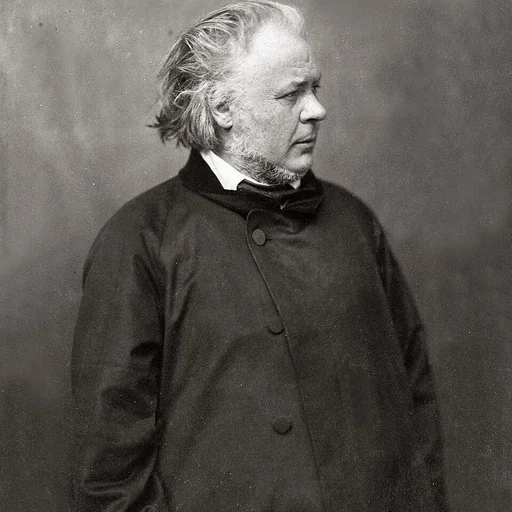
Honoré-Victorin Daumier was a French painter, sculptor, and printmaker, whose many works offer commentary on the social and political life in France, from the Revolution of 1830 to the fall of the Second French Empire in 1870.









 Femme de lettre humanitaire se livrant sur l'homme ...
 Je te le dis toujours, avec ton sucre...
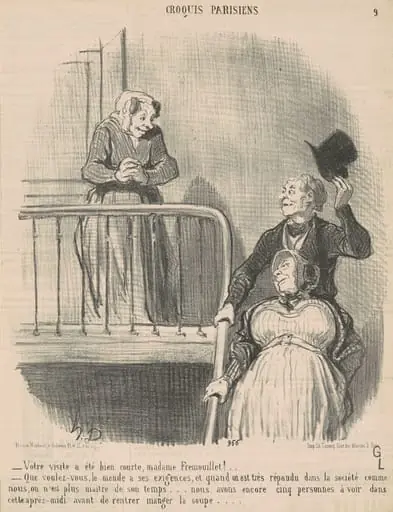 Votre visite a été bien courte ...
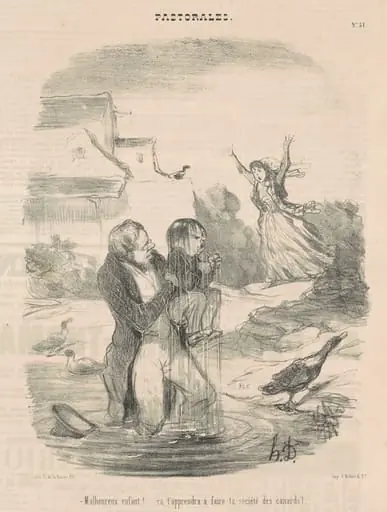 Malheureux enfant! ... Ca t'appendra a faire ...
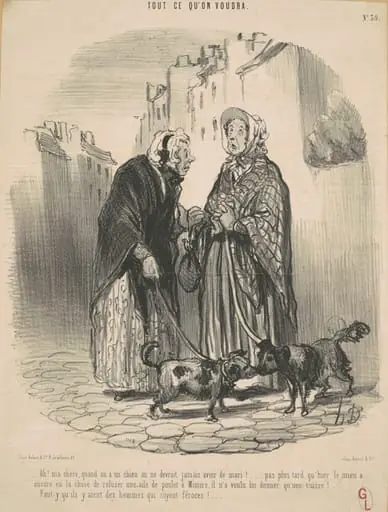 Ah! Ma chère, quand on a un chien ...
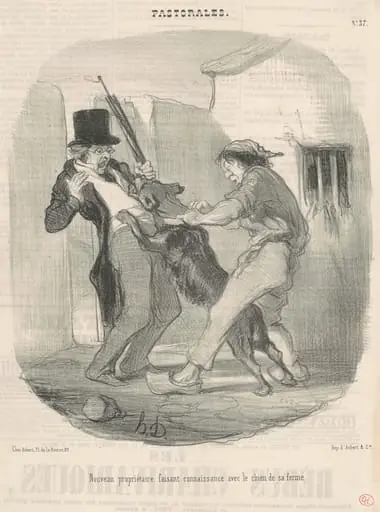 Nouveau propriètaire faisant connaissance avec le chien ...
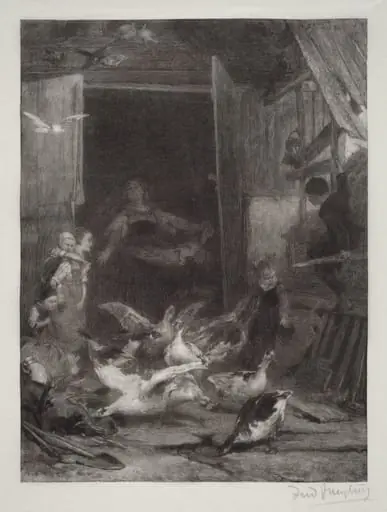 Untitled (Farm Scene)
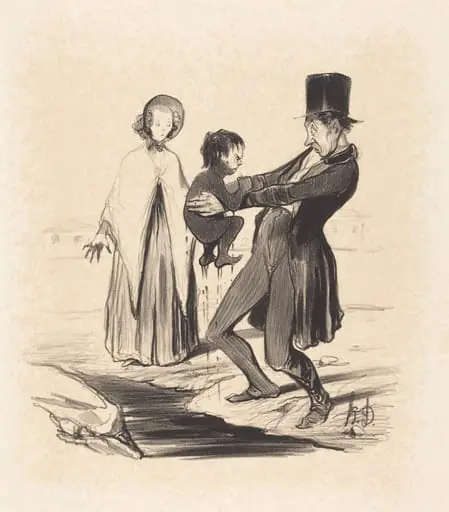 Le Puits de Grenelle
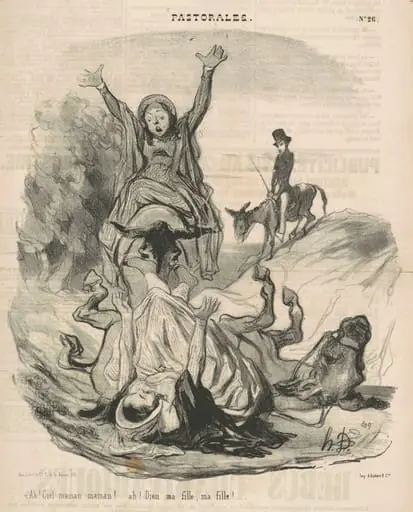 Ah! Ciel maman maman ... Ah! Dieu ma fille ...
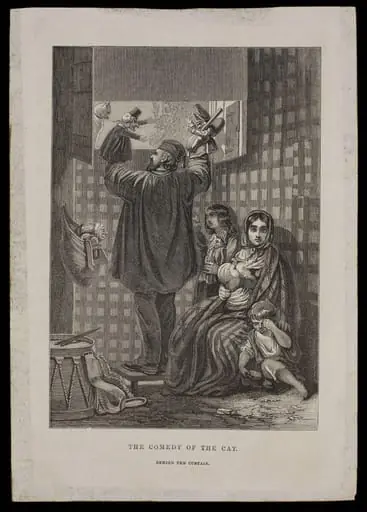 George Speaight Punch & Judy Collection
 Voyez-vous ma Chère! c'est la police qui fait jouer ces polichinels là, pour détourner l'attention...
 Je t'ai épousé pour charmer mon existence...