Artwork
Barbé-Marbois
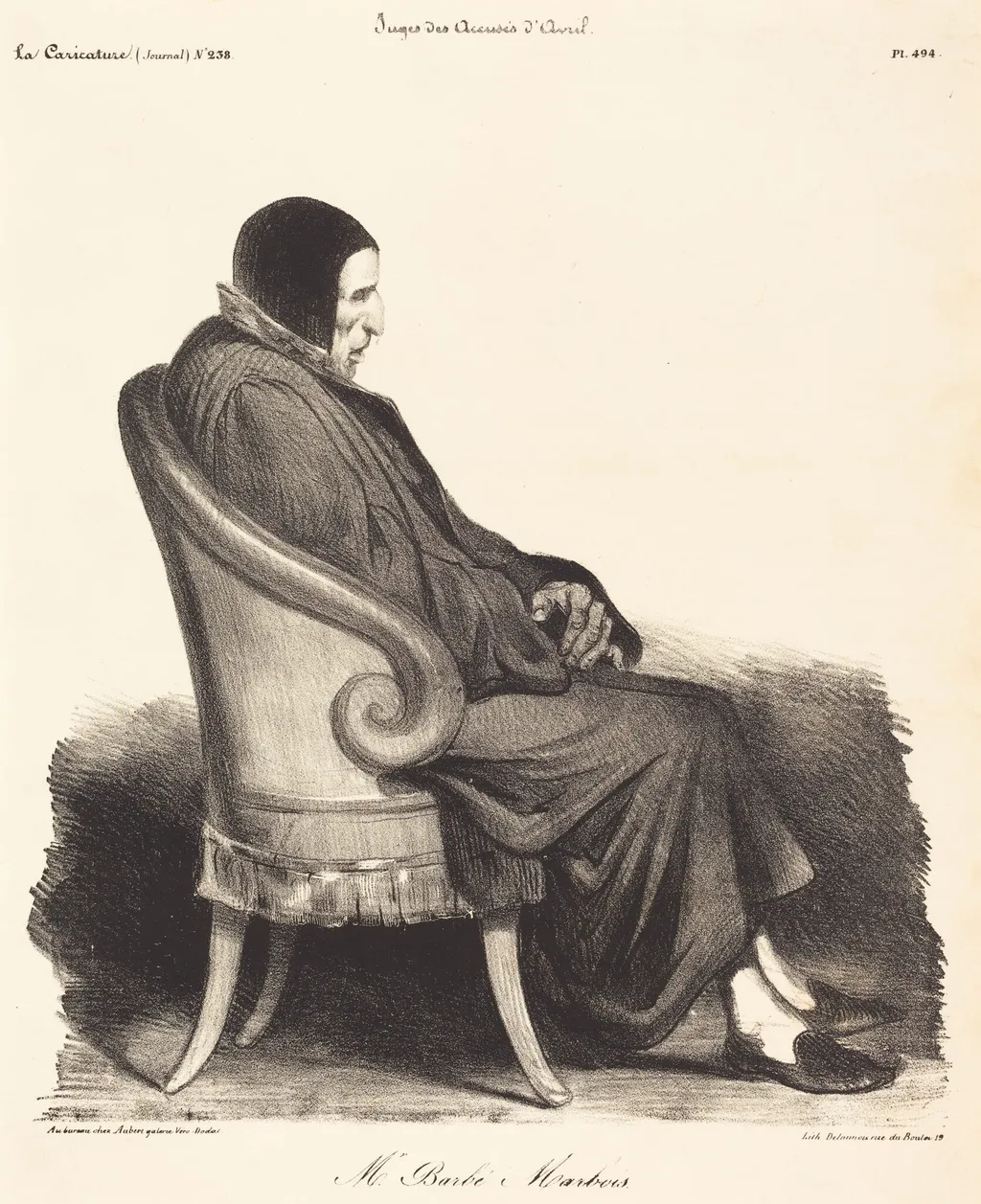
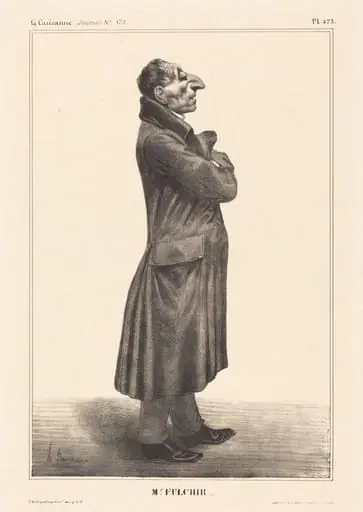
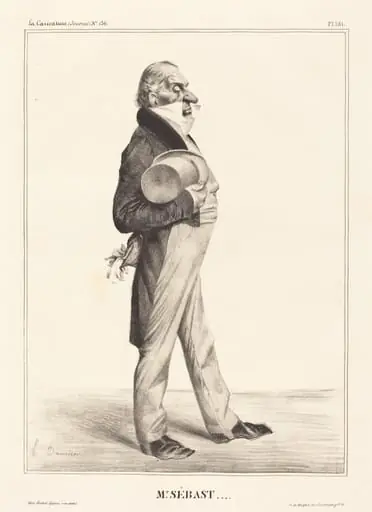
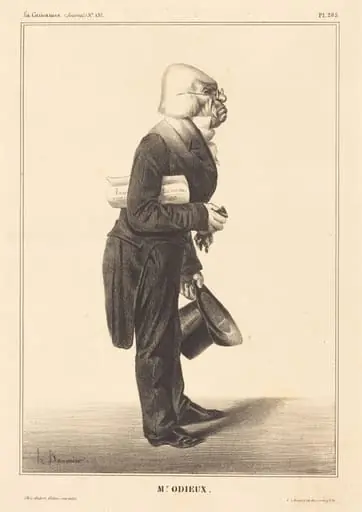
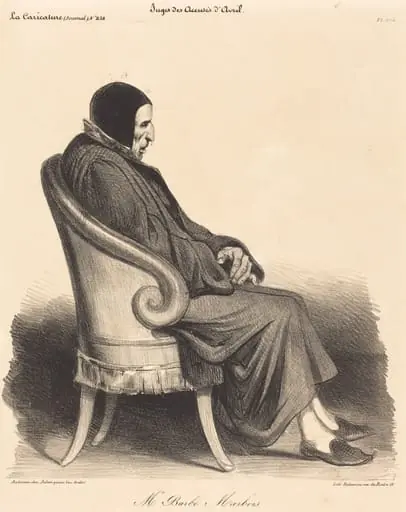
Barbé-Marbois is an ink print by the Romanticist artist Honoré Daumier. It dates from 1835 and is held in the collection of the National Gallery of Art.
About this work
Overview
The Barbé-Marbois is a lithograph created by Honoré Daumier in 1835, a time of significant political tension in France.
Subject & Meaning
The print depicts a seated figure, identified as Barbé-Marbois, in a formal pose, wearing a long coat and crossed legs. The image is a satirical commentary on the July Monarchy, reflecting Daumier's republican sympathies and critique of the aristocracy.
Technique & Style
The work is a lithograph, a technique allowing artists to draw directly onto stone, producing a black and white image. This method enabled mass production of affordable prints, characteristic of Daumier's output for publications like La Caricature and Le Charivari.
Artist & collection
Artist
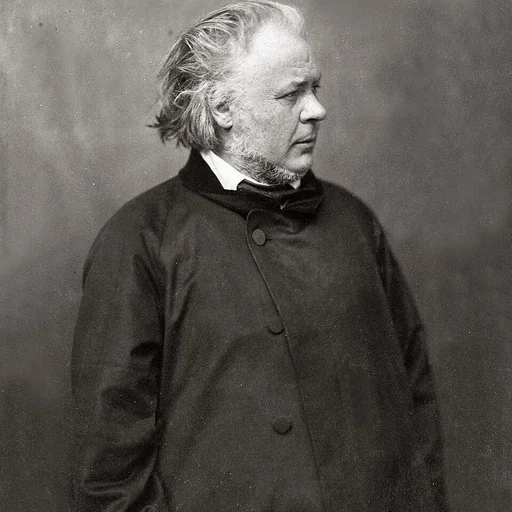
Honoré-Victorin Daumier was a French painter, sculptor, and printmaker, whose many works offer commentary on the social and political life in France, from the Revolution of 1830 to the fall of the Second French Empire in 1870.